
All About the World's Largest Coral Reef
All About the World's Largest Coral Reef

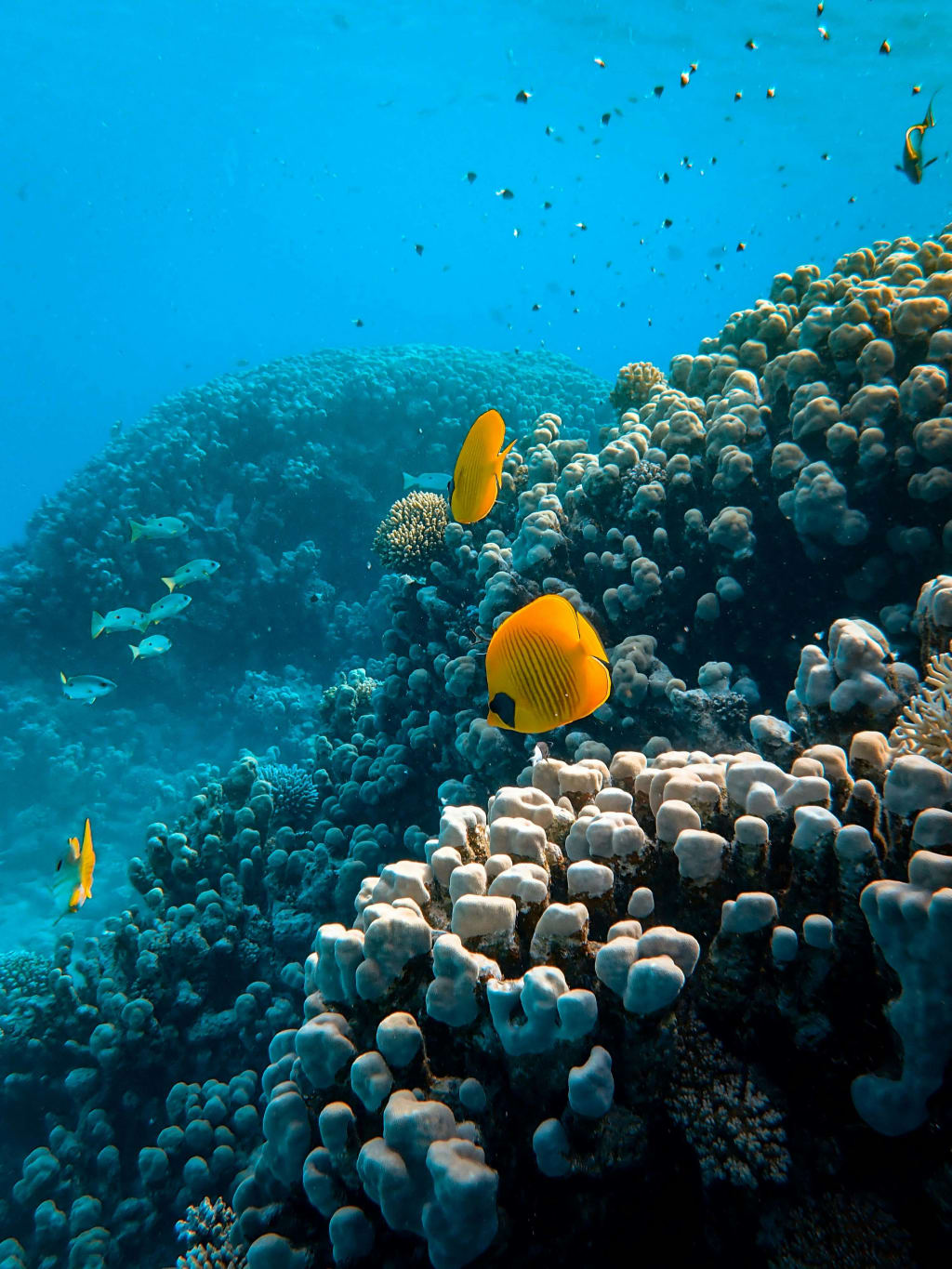
All About the World’s Largest Coral Reef: The Great Barrier Reef
The world's largest coral reef is the **Great Barrier Reef**, a natural wonder so vast it can be seen from outer space. Located in the Coral Sea off the coast of Queensland, Australia, this underwater paradise is one of the most diverse and complex ecosystems on the planet. It holds immense ecological, economic, and cultural value, and has become a symbol of both nature's beauty and fragility.
## Geography and Size
The Great Barrier Reef stretches over **2,300 kilometers (1,400 miles)** along the northeastern coast of Australia. It covers approximately 344,400 square kilometers (133,000 square miles) and is made up of more than 2,900 distinct reefs and 900 islands. To put this into perspective, it is about half the size of Texas and larger than Italy as a whole. It is the "largest coral reef system in the world" due to its enormous size, and it is one of the "Seven Natural Wonders of the World." The Great Barrier Reef Marine Park, which was established in 1975 to help safeguard the ecosystem from human influence, encompasses the reef. ## Biodiversity: A Living Work of Art The Great Barrier Reef, also known as the "rainforest of the sea," is one of the richest ecosystems in the world. ** It supports an extraordinary variety of marine life:
- **Over 1,500 species of fish**
- **400 species of coral**
- **134 species of sharks and rays**
- There are thirty species of marine mammals, including dolphins and dugongs. - **6 species of sea turtles**
- More than 200 different kinds of birds The reef is also home to thousands of species of mollusks, sea snakes, sponges, and microscopic plankton. Many of these organisms have yet to be fully studied or even discovered.
## Formation and Structure
Coral reefs are built by tiny marine animals called **coral polyps**. These polyps secrete calcium carbonate, forming a hard skeleton that becomes the foundation of the reef. Over millions of years, layers upon layers of coral build up, creating massive structures.
The Great Barrier Reef began forming around **20 million years ago**, but its current structure is estimated to be about **6,000 to 8,000 years old**, shaped by changing sea levels and climate conditions over time.
## Importance of the Reef
### Environmental Importance
The reef plays a crucial role in maintaining the health of the ocean. It provides habitat and food for countless marine species, contributes to carbon and nitrogen cycling, and helps protect coastal areas from erosion by acting as a natural barrier against storms and waves.
### Economic Value
Tourism to the Great Barrier Reef generates **billions of dollars** each year for the Australian economy. Millions of people visit each year for marine tours, snorkeling, and scuba diving. Additionally, the reef supports commercial fishing industries and provides job opportunities for thousands of people.
### Cultural Significance
The Great Barrier Reef holds deep cultural and spiritual significance for the **Aboriginal and Torres Strait Islander peoples**, who have lived in the region for tens of thousands of years. These Indigenous communities continue to play a crucial role in the reef's stewardship and maintain a strong connection to it. ## Riparian Dangers Despite its beauty and importance, the Great Barrier Reef is under serious threat from a combination of natural and human-induced factors:
1. **Climate Change**: Rising sea temperatures have led to widespread **coral bleaching**, where corals expel the algae that live in their tissues and provide them with color and nutrients. In 2016, 2017, and 2020, severe bleaching events destroyed a significant portion of the reef. 2. **Pollution**: Runoff from agriculture carries pesticides, fertilizers, and sediments into the ocean, which harms coral health and disrupts the balance of the ecosystem.
3. **Crown-of-Thorns Starfish**: These predators that eat coral have had population explosions that have destroyed substantial portions of the reef. 4. **Overfishing**: Unsustainable fishing practices deplete key species and disturb the delicate ecological balance.
5. **Coastal Development**: Infrastructure projects and dredging can damage marine habitats and increase pollution.
## Conservation Initiatives Diverse conservation efforts have been carried out in response to these threats: - **Great Barrier Reef Marine Park Authority (GBRMPA)**: Oversees the management and protection of the reef, enforcing zoning laws and regulations.
- **Reef 2050 Plan**: A long-term sustainability strategy developed by the Australian and Queensland governments.
- **Coral Restoration Projects**: To rebuild damaged areas, scientists are experimenting with coral farming and transplanting methods. - **Climate Action**: Global efforts to reduce greenhouse gas emissions are vital to the reef’s long-term survival.
Additionally, many non-governmental organizations, Indigenous groups, researchers, and local communities are involved in reef monitoring, education, and protection.
## A Natural Treasure Worth Protecting
The Great Barrier Reef is more than just a stunning natural site — it is a vital part of the planet’s ecological web, a source of livelihoods and inspiration, and a testament to the wonders of marine biodiversity. There is still hope despite the significant difficulties it faces. We have the power to work toward the goal of securing the long-term preservation of this global treasure through collective action.
About the Creator
Al Amin Islam
I Am A Article writer
Keep reading
More stories from Al Amin Islam and writers in Earth and other communities.
Setting as Catalyst: Igniting Change Through Action
"Setting as a Catalyst: The Impact of the Environment on Change" Setting, whether in literature, business, or real life, serves more than just a backdrop. It can be a catalyst—an agent of transformation that initiates change and drives outcomes. The concept of setting as a catalyst suggests that the environment in which individuals or events unfold can trigger shifts in behavior, attitudes, and perceptions. It acts as a powerful force that influences the decisions we make, the actions we take, and the changes we experience. Setting can act as a catalyst in a variety of contexts, including personal development and social movements to literature and business. ### Setting as a Catalyst in Literature Setting is more than just the physical place where a story takes place in literature. It functions as a dynamic element that shapes the narrative and influences the characters’ development. Often, the environment in which the protagonist resides plays a critical role in the challenges they face and the transformation they undergo. Take, for instance, the classic novel *The Great Gatsby* by F. Scott Fitzgerald. The characters' aspirations and desires are sparked by the lavish parties and stark contrast between the wealthy East Egg and the more modest West Egg in 1920s New York. The characters are forced to confront their fantasies, illusions, and disappointments as a result of the extravagant setting, which serves as a symbol of the time's materialism and moral decay. The setting influences Gatsby’s pursuit of wealth and Daisy’s conflicted love, setting the stage for the tragic outcome. In a similar vein, Winston Smith's rebellion in 1984 is sparked by the dystopian setting of Oceania, a totalitarian, oppressive state. The bleak, surveillance-heavy environment fosters Winston's disillusionment with the regime, which propels his desire for autonomy and truth. In this way, the setting becomes a force that drives the protagonist's conflict and eventual transformation, highlighting how the physical and social environment shapes the choices and destiny of the characters. ### Setting as a Catalyst in Business and Organizational Change In the business world, setting plays a crucial role in sparking innovation, inspiring creativity, and driving change. An organization's culture, physical workspace, and even the economic and social environment in which it operates can all be powerful growth and transformation stimulants. For instance, many successful tech companies are known for cultivating creative and innovative environments. Companies like Google, Apple, and Pixar have redefined the role of office design and company culture in promoting innovation. These companies understand that the setting in which employees work can have a significant impact on their ability to think creatively and collaborate. Open office layouts, flexible working spaces, and a culture of autonomy and experimentation are all part of creating a setting that encourages new ideas and drives progress. Moreover, the external business environment—economic trends, consumer behavior, and industry advancements—can serve as a catalyst for change within organizations. For instance, the development of digital technology and the rise of online shopping have compelled numerous conventional retail establishments to modify their methods or risk becoming obsolete. The setting of the digital age has acted as a catalyst for companies to innovate their business models, improve customer experience, and embrace e-commerce. In this context, setting is not just a backdrop but an active force that drives decisions, spurs innovation, and shapes organizational behavior. A change in setting—whether physical, cultural, or technological—can push businesses to reevaluate their strategies and adapt to new challenges. ### Setting as a Catalyst for Personal Growth The setting can also be a catalyst for change on a personal level. Our surroundings—whether physical, social, or emotional—can profoundly influence our mindset, behavior, and overall well-being. Changes in environment are frequently the first step toward personal transformation. For example, someone who feels stuck in a routine may experience a shift in perspective by changing their environment. Moving to a new city, traveling to a different country, or even redecorating a home can trigger new experiences and insights, fostering personal growth. The act of changing one’s setting breaks the monotony, opens the door to new possibilities, and encourages self-discovery. Similarly, the people we surround ourselves with can be seen as part of our setting. Positive relationships, supportive communities, and empowering environments can catalyze personal growth. On the other hand, toxic or negative settings can hinder progress, reinforce limiting beliefs, and stunt emotional development. The social environment, therefore, serves as a catalyst that either nurtures or stifles personal potential. ### Setting as a Catalyst in Social Movements In the realm of social movements, setting has been a catalyst for monumental change. Social movements often arise in response to specific settings—historical, political, or cultural conditions—that demand transformation. The setting of a society at a particular moment in time can provide the conditions necessary for collective action and social change. The Civil Rights Movement in the United States is a powerful example. The racial segregation and systemic discrimination prevalent in the southern states during the 1950s and 1960s created a setting ripe for protest and activism. People were motivated to question the status quo and demand equal rights by the oppressive environment, which acted as a catalyst for change. Key events, such as the March on Washington and the Montgomery Bus Boycott, were born out of the oppressive environment that people could no longer accept. Both the activists' methods and strategies and the momentum of the movement were influenced by the setting. Similarly, the setting of social media today has catalyzed numerous global movements, such as #MeToo and Black Lives Matter. These movements have gained momentum because of the unique setting that social media platforms provide—spaces for marginalized voices to be heard, for collective organizing, and for creating awareness on a massive scale. The digital landscape has transformed the way social movements are organized, allowing them to spread rapidly and influence public opinion. ### Conclusion Setting, in all its forms, is a potent catalyst for change. In literature, it shapes the narrative and drives character development. In business, it fosters creativity and innovation. It brings about change and fresh perspectives for personal development. In social movements, it creates the conditions for collective action and societal change. Whether it's a physical environment, a social context, or a cultural backdrop, setting has the power to initiate, accelerate, and sustain change across various domains. By recognizing the transformative potential of setting, we can harness its power to shape our lives, businesses, and societies in meaningful ways.
By Al Amin Islam 11 months ago in Fiction
Human Revenge: A Hidden Cause Behind the Decline of Snow Leopards
High in the rugged mountains of Central and South Asia lives one of the world’s most mysterious and beautiful big cats—the snow leopard. Known for its thick grey-white fur, long tail, and incredible ability to blend into rocky landscapes, this elusive predator has fascinated scientists and wildlife lovers for decades. Yet despite its beauty and ecological importance, the snow leopard faces a growing threat: human revenge.
By Irshad Abbasi 2 days ago in Earth




Comments
There are no comments for this story
Be the first to respond and start the conversation.