Muhammad Saad
Stories (465)
Filter by community
Beneath the Surface: The Untold Story of Groundwater Depletion
The village of Bhairavpur had once been known for its lush green fields and sweet-tasting water. Tucked away in the heart of the plains, it was cradled by seasons that respected the rhythms of sowing and harvest. But now, the land groaned under a sun that seemed to hang closer than ever, and the once-thriving wells had turned into yawning mouths of dust. For generations, the villagers had drawn their water from deep underground—silent aquifers that held the memory of ancient rains. The water was cool and abundant, a lifeline they thought would never run dry. Ramesh, a farmer in his early fifties, stood by his borewell and listened to the slow chugging of the motor. The water, once gushing and eager, now sputtered reluctantly. He wiped the sweat from his brow and looked across his field of withering sugarcane. “This land fed my grandfather’s dreams,” he murmured. “Now it barely keeps my children from hunger.” In the early 1990s, when motorized pumps became affordable, water seemed infinite. The more one drilled, the more one found. The state encouraged groundwater irrigation with subsidies and cheap electricity. Farmers like Ramesh planted water-intensive crops, believing the earth below would always provide. But the earth had limits. And they had crossed them. Beneath Bhairavpur and thousands of other towns across the world, aquifers were shrinking. Not just here, but in California’s Central Valley, China’s North Plain, and the Arabian Peninsula. Satellite data showed the same terrifying truth: we were draining our hidden reservoirs faster than they could replenish. But the depletion wasn’t just from overuse—it was from neglect. For decades, groundwater was treated as a silent partner in agriculture, industry, and daily life. Unlike rivers and lakes, it couldn’t be seen. Policies ignored it. Science warned about it, but it didn’t make headlines like floods or wildfires. And so, its decline became the quiet unraveling of sustainability. In Bhairavpur, the change crept in slowly. First, shallow wells failed. Then, deeper pumps had to be installed. The electricity bills climbed. The yield fell. Water disputes—once unheard of—started breaking out between neighbors. Ramesh’s daughter, Meera, had just returned from university in the city. She had studied environmental science, driven by a curiosity about the changes she’d seen growing up. Now, walking through her childhood fields, she was heartbroken. “The water table has dropped by 40 feet in 15 years,” she told her father, holding a sheaf of printouts. “This borewell won’t last another season. And the arsenic levels are rising in the deeper layers.” Ramesh looked away. “We had no choice, Meera. The rains stopped coming on time. The government wanted sugarcane. What could we do?” Meera didn’t blame him. He had done what any father would: tried to provide. But she also knew the time for waiting had passed. “We can recharge the aquifer,” she said. “Build check dams, harvest rainwater, switch to less thirsty crops. We can’t undo the damage, but we can slow it.” Elsewhere in the world, similar efforts were underway. In parts of Rajasthan, communities had revived ancient water harvesting techniques—building johads and bunds to let rain seep back underground. In California, farmers were experimenting with dry farming and winter flooding of fields to recharge aquifers. The battle was against time and indifference. At a town meeting the following week, Meera presented her findings. She explained how every liter drawn without recharge was a loan from the future. Some farmers scoffed. Others listened. A few, like Ramesh, chose to act. Over the months that followed, Bhairavpur changed. They dug percolation ponds to trap monsoon rains. They shifted from sugarcane to millet and pulses. The government, initially slow to respond, finally launched a pilot project to support groundwater recharge. Still, the path was not easy. The rains remained erratic. Deep wells still lured desperate farmers. But the conversations had changed. People now spoke about groundwater as a living system, not an endless supply. Ramesh watched his daughter walk the edge of the pond they’d built behind the field. “You know,” he said, “I used to think water came from pipes and pumps. You showed me it comes from patience and care.” Meera smiled. “The Earth remembers kindness. Even the water does.” The world beneath our feet holds more than soil and stone. It holds the past—ancient rains trapped in silence—and the future, waiting to be protected. Groundwater isn’t just water. It’s history. It’s life. And if we’re to survive the changes ahead, we must listen to what lies beneath the surface.
By Muhammad Saad 8 months ago in Humans
Wired for War: The Psychology Behind Human Conflict
In a dry savanna some 20,000 years ago, two small tribes of early humans stood opposite each other, tension thick in the air. A scarce water source—perhaps the only one for miles—had drawn both groups to the same patch of land. Each tribe's members held sharpened spears, hands trembling, eyes darting. They didn't speak the same language, but they understood the stakes: drink, or die. This scene, though ancient, is deeply familiar. From battlefields and boardrooms to classrooms and kitchens, conflict has followed humanity across every age. But why? Why are humans—social, intelligent beings—so prone to fighting? The answer lies not just in history or politics, but in psychology. The Tribal Brain Human beings evolved in small, tightly knit groups. Belonging to a tribe meant survival; being cast out often meant death. Over millennia, this shaped our brains to detect threats to the group and fiercely defend against them. Dr. Karen Morales, a cognitive psychologist specializing in group behavior, explains: “Our brains are wired for ‘us vs. them’ thinking. It’s a shortcut the brain takes to make decisions quickly—especially in tense or uncertain situations.” This tribalism, once useful for protection and identity, can now lead to dangerous divisions. Whether it’s politics, religion, or sports teams, our brains still instinctively sort people into groups: “our side” and “the other.” Once that sorting happens, empathy often diminishes for those not in our group. Conflict and the Amygdala At the center of much of this behavior is a small, almond-shaped structure in the brain: the amygdala. This region plays a key role in processing fear, anger, and threat responses. “When people perceive a threat—real or imagined—the amygdala lights up,” says Dr. Morales. “It activates fight-or-flight instincts, which can overpower our more rational brain regions.” That’s why even minor disagreements can quickly escalate. A political comment at a dinner table or a raised voice in a meeting can be enough to trigger the same primal systems that once helped our ancestors survive lions and rival tribes. The Role of Ego and Identity Beyond instinct, modern conflict often hinges on something more abstract: identity. In today’s world, people tie their sense of self to beliefs, values, and affiliations. When those are challenged, it feels like a personal attack—even if the threat is only ideological. “Much of what we call ‘ego’ is the mental armor we wear to protect our sense of who we are,” says Dr. Morales. “When someone contradicts or questions that, the reaction can be surprisingly intense. It’s not just a difference of opinion—it feels like a wound to the self.” This explains why online arguments can feel so visceral and personal, even between strangers. The digital space strips away face-to-face cues that might otherwise calm tension and foster understanding. Is Conflict Inevitable? Despite this psychological wiring, not all is bleak. Humans also evolved remarkable capacities for empathy, cooperation, and moral reasoning. In fact, many of our greatest accomplishments—cities, art, medicine, science—required working together across differences. Neuroscience shows that practices like mindfulness, active listening, and empathy-building exercises can calm the amygdala and activate the prefrontal cortex, the area of the brain responsible for rational thought and long-term planning. “Conflict is part of being human,” says Dr. Morales, “but so is reconciliation. So is compassion. We have both wolves and doves inside us. Which one we feed depends on awareness and intention.” From Conflict to Connection Back on the savanna, perhaps the confrontation ended in violence. Or perhaps someone lowered their spear and offered a hand, a gesture of peace. We'll never know. What we do know is that we have choices today our ancestors did not. We can understand our psychological wiring—and choose not to be ruled by it. We can learn that conflict doesn’t always mean combat. Sometimes, it means understanding. Sometimes, it means growth. And sometimes, the greatest strength isn’t in drawing the spear—but in laying it down.
By Muhammad Saad 8 months ago in Humans
Staying Strong: Your Guide to Lifelong Health
Staying Strong: Your Guide to Lifelong Health Simple Habits, Smart Choices, and Science-Backed Tips for a Healthier You For many people, the idea of staying healthy feels like a constant struggle — full of complicated diets, intense workout routines, and conflicting advice. But what if being healthy wasn’t about perfection, but consistency in a few simple areas? The truth is, staying healthy is less about doing everything right and more about making small, smart choices every day. Let’s take a journey through the story of Maya, a 38-year-old teacher who once thought she was too busy and too tired to focus on her health. Like many, she believed that staying healthy required drastic changes. But over time, she discovered that health is more about everyday habits than all-or-nothing approaches. A Wake-Up Call It started with fatigue. Maya was always tired. Her energy dipped halfway through the school day, and she relied on caffeine and quick snacks to get through the afternoons. One morning, after struggling to get out of bed, she went for a check-up. Her doctor didn’t find anything serious but pointed out something important: her lifestyle wasn’t supporting her long-term health. Instead of prescribing medicine, the doctor gave her a simple challenge: “Start with three habits. Move your body, eat real food, and sleep well. Give it a month and see how you feel.” Habit 1: Move Your Body Daily Maya didn’t join a gym. She started by walking 20 minutes each morning before work. She listened to music or podcasts, which made the time enjoyable. On weekends, she tried short yoga videos online and discovered how much stretching helped her back pain. Moving every day doesn’t mean running marathons. It can be dancing in your living room, gardening, or climbing stairs instead of taking the elevator. Studies show that just 30 minutes of moderate activity five times a week lowers your risk of heart disease, improves mood, and boosts energy. Habit 2: Eat Real Food Next, Maya looked at her eating habits. She didn’t follow a strict diet. Instead, she started swapping processed snacks for fruits and nuts. She added more vegetables to her meals and drank more water instead of sugary drinks. Real food means whole food — things that come from nature, not factories. Fruits, vegetables, whole grains, lean proteins, and healthy fats. These nourish the body, keep blood sugar stable, and reduce inflammation. Maya noticed that her afternoon crashes lessened when she ate a balanced lunch with protein and fiber. Habit 3: Prioritize Sleep Sleep had always been an afterthought for Maya. She would stay up late watching TV or grading papers. Now, she made a simple bedtime routine — no screens after 9:30, a cup of herbal tea, and reading a book instead of scrolling on her phone. Getting 7–8 hours of quality sleep each night helped Maya think clearer, feel calmer, and even crave less junk food. Sleep isn't just rest — it’s when your body repairs, your brain resets, and your immune system strengthens. The Ripple Effect As the weeks went on, Maya felt different — not just physically, but emotionally. Her stress levels dropped, she smiled more, and she had more patience with her students. Friends began to notice and ask what she was doing. The answer? “Nothing extreme — just three small things.” Those habits grew. She started trying new healthy recipes, invited friends on walks, and even signed up for a community dance class. Her health journey became part of her life — not something she was forcing, but something she was enjoying. Lessons from Maya’s Story Staying healthy doesn’t require overhauling your entire life overnight. It’s about consistent actions, not perfection. Here are a few takeaways anyone can apply: 1. Start Small – Pick one area to focus on. Walking for 15 minutes a day is better than doing nothing. 2. Build Routines – Habits stick when they become part of your daily rhythm. 3. Listen to Your Body – It gives signals. Fatigue, stress, and cravings often point to what you need. 4. Make It Enjoyable – Healthy living shouldn’t feel like punishment. Find foods, exercises, and routines you like. 5. Be Kind to Yourself – Progress is not linear. Setbacks happen. What matters is getting back on track. The Long Game Today, Maya feels healthier than she did a decade ago. She still has busy days and stressful moments, but she has tools to manage them. Her story isn’t unique — it’s one that anyone can begin writing for themselves. Health isn’t a finish line. It’s a daily choice — and with small steps, anyone can move toward a stronger, more energized, and more vibrant life.
By Muhammad Saad 8 months ago in Humans
The Science of Staying Well
In a quiet town nestled between rolling hills and dense woods, 38-year-old Maria Thomas had always considered herself healthy. She ate reasonably well, worked an office job she enjoyed, and got to the gym when she could. But one winter morning, a dizzy spell at work turned into a trip to the hospital. That’s when Maria discovered she had high blood pressure — and had for years. The realization shook her. How could someone who felt "fine" have a silent condition threatening her heart? Maria’s story is not uncommon. Human health is a complex system shaped by countless factors: genetics, lifestyle, environment, and more. While medicine has made extraordinary strides, the real secret to health often lies in our daily habits — long before symptoms ever show. --- The Hidden Power of Lifestyle Scientists now agree that up to 80% of chronic diseases — including heart disease, stroke, type 2 diabetes, and many cancers — are preventable through lifestyle changes. This doesn’t mean giving up everything enjoyable. It means making thoughtful choices that support the body’s natural systems. Physical activity is one key pillar. According to the World Health Organization, just 30 minutes of moderate activity five days a week can drastically reduce the risk of chronic illness. Movement stimulates circulation, boosts mood, and strengthens muscles and bones — even reducing the likelihood of depression. Nutrition plays an equally crucial role. Dr. Anika Desai, a nutrition researcher at a major university, explains: “What you eat communicates with your cells. The right nutrients help repair DNA, regulate blood sugar, and control inflammation.” A Mediterranean-style diet — rich in vegetables, healthy fats like olive oil, lean proteins, and whole grains — is now widely considered one of the best for long-term health. --- Sleep: The Silent Healer Despite its quiet nature, sleep is one of the body’s most powerful healing tools. During sleep, the brain removes toxins, cells repair themselves, and hormones reset. Yet, modern life often treats sleep as a luxury. Studies show that chronic sleep deprivation increases the risk of obesity, Alzheimer’s, and even cancer. Maria, after her diagnosis, realized she had been sleeping just five to six hours a night. “I thought I was being productive,” she said. “But I was just burning myself out.” With help from a health coach, she began building a nightly routine that allowed her to rest more deeply — and within weeks, her energy improved. --- The Role of Modern Medicine While lifestyle lays the foundation, modern medicine remains essential. Vaccinations, early detection tools, and evidence-based treatments have dramatically increased life expectancy worldwide. “Health is not just about avoiding disease — it’s about detecting and managing conditions early,” says Dr. James Koh, a primary care physician. Annual physicals, blood tests, and screenings can catch warning signs before they become dangerous. Technology is also changing the game. Wearable health monitors, genetic testing, and AI-powered diagnostics are giving people insights into their own bodies like never before. But doctors warn not to rely too heavily on gadgets alone. “Information without interpretation can lead to unnecessary anxiety,” Dr. Koh adds. --- The Mind-Body Connection Another critical, often overlooked piece of the health puzzle is mental well-being. Chronic stress, anxiety, and social isolation can weaken the immune system, disrupt sleep, and even increase the risk of heart disease. More than ever, researchers emphasize the importance of human connection, mindfulness practices, and therapy. Maria began practicing meditation after her health scare. “It helped me listen to my body instead of ignoring it,” she shared. “I realized I wasn’t just treating high blood pressure — I was healing years of stress I hadn’t acknowledged.” --- Small Steps, Big Impact Perhaps the most empowering truth about human health is that it’s not an all-or-nothing game. Walking a little more, adding one extra vegetable to your plate, getting one extra hour of sleep — it all adds up. After six months of gradual changes, Maria’s blood pressure returned to a healthy range — without medication. More importantly, she felt alive in a way she hadn’t in years. “Health isn’t a finish line,” she said. “It’s a relationship with yourself.” Her story is a reminder to all of us: while science and medicine offer incredible tools, the real work often starts with the choices we make today — and the belief that our bodies, when cared for, are capable of amazing things. --- Takeaway Tips for Better Health: Move regularly: Aim for at least 150 minutes of moderate activity per week. Eat whole foods: Focus on fresh, minimally processed meals. Sleep well: 7–9 hours of sleep restores your body and mind. Stay connected: Social bonds and emotional health are essential. Get checkups: Don’t skip routine medical visits — prevention is power.
By Muhammad Saad 8 months ago in Humans
Wired to Wonder: Unlocking the Secrets of Human Psychology
Sixteen-year-old Maya stared at the ceiling of her dimly lit bedroom, her thoughts louder than the lo-fi music playing in the background. Why do I feel so anxious before talking to people? Why does one compliment lift my mood for hours, while one insult ruins my day? She didn’t know it yet, but her late-night wondering was a very human thing to do. In school, psychology sounded like just another elective. But after an awkward group presentation and a spiraling week of self-doubt, Maya was determined to understand what was really going on inside her head. She wasn’t alone—humans have been trying to decode their minds for thousands of years. --- The Search for Self The next day, Maya stayed after class to ask her psychology teacher, Mr. Alvarez, a question. “Why do I care so much about what people think? Even strangers?” Mr. Alvarez smiled. “That’s a great question. The short answer is: survival. The long answer? It’s about identity, belonging, and evolution.” He explained that humans evolved in social groups. Thousands of years ago, being rejected by the group could mean death. So the brain developed warning systems—like anxiety—to keep us alert to social threats. “What you feel before a presentation,” he said, “is your brain treating it like a life-or-death moment, even though it’s not.” Maya was surprised. “So I’m not just weird or overly sensitive?” “Not at all. You’re wired to wonder about others’ opinions. It’s how we survived and how we connect.” --- The Two Minds Maya dove into books, videos, and articles about psychology. One concept stuck with her: the idea of two systems in the brain—System 1 and System 2. System 1 was fast, automatic, emotional. It reacted instantly to a loud sound or a scary face. System 2 was slower, more deliberate—the part that solved math problems or wrote essays. It made sense. When Maya saw someone laugh while looking at her, System 1 whispered, They’re laughing at you. System 2 tried to reason, Maybe it’s a coincidence, but by then, her heart was already racing. Knowing this gave her a strange sense of control. If she could pause and let System 2 catch up, maybe she could manage her reactions better. --- The Emotion Paradox One rainy afternoon, Maya noticed a boy at school crying after a phone call. No one went near him. She thought about something else she’d learned: humans are naturally empathetic, but also uncomfortable with strong emotions—especially sadness. She remembered reading about mirror neurons—tiny parts of our brain that activate when we see someone else feeling something. They’re why we wince when someone stubs their toe, or feel joy when a friend succeeds. Empathy was wired into us. But society often told us to hide it. Boys were told not to cry, and girls were called dramatic. That day, Maya walked over and offered the boy a tissue. He didn’t say much, but he smiled. And for the first time, she felt like she understood emotions—not as weaknesses, but as signals meant to connect us. --- The Puzzle of Personality One evening, Maya took a personality quiz online. She’d read about the Big Five personality traits: Openness, Conscientiousness, Extraversion, Agreeableness, and Neuroticism. Psychologists used them to understand human behavior across cultures and ages. Her results showed high openness and introversion—exactly what she expected. It hit her that there was no “normal” brain. People processed the world differently based on genes, upbringing, and experience. Someone might seem cold but just be cautious. Another might be loud because they’re masking insecurity. This changed how she saw her classmates. Maybe the girl who bragged all the time wasn’t arrogant—maybe she needed reassurance. Maybe the boy who never spoke up wasn’t disinterested—maybe he was anxious, just like Maya. --- Healing and Growth In her final project for psychology class, Maya created a presentation titled “The Brain is Not the Enemy.” She talked about how understanding anxiety, emotion, and personality helped her stop fighting herself—and start accepting her mind as something to work with, not against. “Psychology doesn’t give you all the answers,” she concluded, “but it gives you a better map.” After the presentation, a quiet student from the back of the room approached her. “I feel the same way,” they said. “Thanks for saying it out loud.” --- Epilogue: The Ongoing Journey Maya didn’t become instantly confident. She still overthought text messages and replayed awkward conversations. But she had tools now. She knew her brain was trying to protect her, even when it overreacted. Human psychology, she realized, wasn’t about “fixing” yourself. It was about understanding the strange, beautiful machinery of the mind—and using that knowledge to live with more compassion, curiosity, and courage. And as long as humans kept wondering why we are the way we are, the journey of discovery would never end.
By Muhammad Saad 8 months ago in Humans
The Power of Positive Love
Jayden was 13 when he first met Micah—a moment that would quietly change the course of both their lives. Jayden had always been the kid who sat at the back of the class, hoodie up, headphones in. He spoke only when called on, avoided eye contact, and had a reputation for being “difficult.” But few people knew that Jayden’s world at home was one of instability—his father gone, his mother working double shifts, the house silent except for the hum of the fridge and the occasional late-night argument next door. Micah was different. He was the kind of kid who smiled at the lunch lady, asked questions in class without embarrassment, and always seemed to be surrounded by people. Yet, unlike others in that crowd, Micah noticed things—especially the things people didn’t say. It started with a pencil. Jayden had forgotten his on a math test day. As he rifled through his backpack in frustration, Micah leaned over and slid a spare onto his desk without a word. No smirk, no comment. Just a small act of kindness. “Thanks,” Jayden muttered. “No problem,” Micah said, smiling like it was the easiest thing in the world. Jayden didn’t forget it. --- Over the weeks that followed, Micah kept reaching out in small ways. Sitting beside Jayden in science. Inviting him to join a group project. Asking him how he was doing—not as a formality, but like he actually wanted to know. Jayden resisted at first. People usually wanted something: a laugh, an answer, an explanation. But Micah just wanted to be there. “I don’t get it,” Jayden finally said one day after school. “Why are you being nice to me?” Micah shrugged. “Because I like you. You’re real. And I think you could use a friend.” That was the first time in years someone had said that to Jayden without pity or sarcasm. It landed somewhere deep—beneath the armor, beneath the skepticism. A simple truth: You’re not invisible. You’re worth knowing. --- Psychologists call it attunement—the ability to truly be present with another person, to make them feel seen, heard, and understood. It’s more than sympathy. It’s connection. And for kids like Jayden, it can be life-changing. When people experience consistent, positive relationships, their brains begin to form new patterns. Instead of running on survival mode—hyper-aware, emotionally guarded, withdrawn—they start to feel safe. The nervous system calms. Trust becomes possible. That’s what was happening to Jayden. At home, nothing had changed. His mom still worked nights, and his little sister still asked questions he didn’t always know how to answer. But something inside him had softened. He didn’t walk around feeling like the world was out to get him anymore. Because now, in one small corner of it, he had a safe place. --- Micah didn’t try to fix Jayden. He didn’t lecture him or pull him into the spotlight. He just stayed close. On bad days, he waited out the silence. On good days, they laughed until their sides hurt. They played video games, rode bikes, and built a treehouse in Micah’s backyard, hammering old planks and naming it “The Fort of Truth.” No lying allowed, no pretending necessary. It was the first place Jayden felt completely himself. One night, as they watched the stars from the fort, Jayden whispered, “Sometimes I still expect you to just stop talking to me.” Micah turned to him, serious for once. “I’m not going anywhere, Jay. Not unless you tell me to.” Jayden didn’t respond. He didn’t need to. The tears that welled in his eyes said everything. --- Studies in adolescent psychology show that one of the most protective factors against anxiety, depression, and self-doubt is having even a single secure relationship. Not a perfect one. Not a dramatic one. Just one person who shows up consistently, listens with empathy, and accepts you as you are. For Jayden, Micah was that person. And over time, Jayden began to change. He started speaking up in class. Laughing more. Making eye contact. Not overnight, and not without setbacks—but steadily. He even joined the art club, encouraged by Micah’s belief that his doodles were more than just distractions. One teacher commented, “Jayden seems lighter this year.” Micah just smiled. --- By the time they turned 15, their bond was unshakable. They weren’t just friends—they were anchors in each other’s lives. And while Micah gave Jayden safety, Jayden gave Micah something too: depth, honesty, the kind of loyalty you can’t fake. One afternoon, Micah said, “You know, I used to think being happy meant being surrounded by people. But I think... it’s really about being known.” Jayden nodded. “Yeah. I think love is when someone sees the mess and stays anyway.” They high-fived after that—because emotional moments always ended in humor with them. But the truth hung in the air, solid and unspoken. --- Takeaway: The power of positive love isn’t reserved for romantic relationships or picture-perfect families. Sometimes, it’s found in the quiet strength of a friend who chooses to stay. Who listens without trying to fix. Who believes in you before you believe in yourself. For Jayden and Micah, that love wasn’t loud. But it was steady. And it changed them both—mind, heart, and everything in between. Because in the end, it’s not about how many people care. It’s about finding one who really does.
By Muhammad Saad 8 months ago in Humans
"Wired Within: The Hidden Patterns of the Human Mind"
Wired Within: The Hidden Patterns of the Human Mind Uncovering How Thoughts, Emotions, and Behavior Shape Our Lives and Decisions --- It was nearly midnight when Ava finally closed her laptop. She had been lost in thought, again. Her assignment on human behavior was due the next day, but she kept circling back to a question that had no clear answer: Why do we think the way we do? The human mind is a marvel. Every day, billions of people make decisions, form opinions, experience joy, sadness, anxiety, and love — all orchestrated by a mass of tissue weighing just three pounds. But what truly governs those experiences? Are we fully aware of our own thoughts, or are they shaped by unseen forces within us? Ava’s interest in psychology wasn’t just academic. Over the past year, she'd watched her best friend, Maya, change in ways she couldn't understand. Once outgoing and confident, Maya had become withdrawn and anxious. Ava had struggled to support her, wondering what was happening behind the quiet stares and forced smiles. The textbook answers felt too abstract. She wanted to know how the patterns in our minds actually work — not just clinically, but personally. Psychology offers several lenses through which to examine the mind. One of the oldest is behaviorism — the idea that behavior is learned through conditioning. Pavlov’s dogs salivated at the sound of a bell because they were trained to associate it with food. In the same way, humans associate experiences with emotions and reactions. A child ignored by their parents might grow up craving validation. A student scolded for speaking out may develop a fear of public speaking. But that’s only part of the story. Cognitive psychology, a more modern approach, suggests that it’s not just external factors that shape us, but the way we interpret those factors. Two people can go through the same breakup, yet one might feel liberated while the other spirals into depression. Why? Because their internal narratives — the thoughts they believe about themselves and the world — are different. These mental scripts often run silently in the background, shaping how we perceive reality. Ava thought about Maya again. She remembered a conversation they had months ago, when Maya confessed, "I feel like I’m failing at everything, even when I’m not." It wasn’t just what was happening in her life — it was how she processed those events. The brain’s structure offers more clues. Deep inside is the amygdala, the brain's emotional alarm system. It detects threats and activates fear responses, often before the conscious mind even realizes what's happening. It’s why a sudden loud noise makes your heart race, or why old trauma can be triggered by something as simple as a smell or a word. Nearby is the prefrontal cortex, the rational decision-maker. It's responsible for planning, impulse control, and logical thinking. Ideally, it keeps the emotional brain in check. But when stress is high — say, during a fight, a breakup, or even a big test — the emotional brain can hijack our responses, leading us to react impulsively or irrationally. As Ava researched deeper, she found something that resonated: Neuroplasticity — the brain's ability to rewire itself based on experience. This meant that even painful patterns could change. Thoughts are not fixed. With practice, people can reshape how they think, feel, and behave. This idea gave her hope — not just for her assignment, but for Maya. She remembered reading about cognitive behavioral therapy (CBT), a technique used to help people identify and challenge distorted thoughts. A person who constantly thinks, "I'm not good enough," can learn to reframe that thought into something more accurate, like, "I’ve made mistakes, but I’m still learning." Over time, this reshaping changes the brain’s wiring — forming new, healthier pathways. Ava realized that psychology wasn't just about studying disorders or theories. It was about understanding the silent mechanisms within each of us — the ones that shape how we love, fear, trust, and heal. The mind is like a city at night: lit up by familiar roads, yet still filled with dark alleys we’ve never explored. The next day, Ava submitted her assignment with a new sense of clarity. She titled it “Wired Within: The Hidden Patterns of the Human Mind.” But the real reward wasn’t the grade she’d get. It was what came afterward — when she sat down with Maya and said, “You don’t have to go through this alone. And I think I finally understand a little more about why things feel the way they do.” Because understanding the mind doesn’t just explain what it is — it helps us connect, heal, and grow together.
By Muhammad Saad 8 months ago in Humans
Earth: The Living Planet
Unveiling the Wonders, Challenges, and Future of Our Only Home From the silent depths of the Mariana Trench to the swirling auroras dancing over the Arctic sky, Earth pulses with life. It is not just a rock drifting through space—it breathes, grows, and evolves. It is our home, and for now, the only one we know that harbors life.
By Muhammad Saad 8 months ago in Earth
Inside the Human Mind: The Mechanics of Thought and Behavior
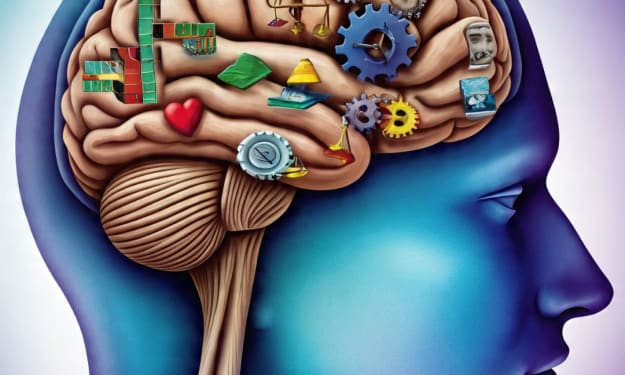
Imagine waking up on a rainy morning. You feel sluggish, maybe even irritable, without really knowing why. You skip breakfast, rush through traffic, snap at a co-worker, and by lunchtime, you’re wondering: Why am I like this today? The answer lies in the invisible network of psychological forces that work beneath our awareness—shaping our thoughts, emotions, and behaviors. Human psychology isn’t just about what we think or feel in a moment; it’s a vast interplay of biology, experience, memory, and social context. Understanding this interplay is like opening a map to the mind—and perhaps, to ourselves. At the core of human psychology is the brain—an organ of staggering complexity. With over 86 billion neurons firing in constant communication, it manages everything from heartbeats to daydreams. Yet, psychology teaches us that the brain isn’t just a machine. It's shaped by our relationships, our traumas, and our culture. Take, for instance, the concept of cognitive biases. These are mental shortcuts our brain uses to make sense of overwhelming information. They're incredibly useful—until they’re not. The confirmation bias, for example, causes us to favor information that confirms what we already believe, even if it's wrong. This explains why people argue passionately about politics or climate change, even when presented with clear evidence. Our brains don’t just process facts; they defend our identities. Then there's emotional regulation, a concept central to psychology. Emotions aren't random. They're survival tools. Fear kept our ancestors alive. Joy bonded families and tribes. But in modern life, the same mechanisms can cause anxiety in traffic, jealousy on social media, or burnout at work. The field of psychology studies how we can better understand and manage these feelings—through therapy, mindfulness, or even small habits like gratitude journaling. But perhaps the most fascinating part of psychology is identity—the story we tell ourselves about who we are. From childhood, we absorb roles, expectations, and messages: You’re the smart one, You’re too sensitive, Boys don’t cry. Over time, these messages form a mental blueprint. This is called the self-concept, and it becomes the lens through which we view the world. This self-concept can empower—or limit—us. For example, someone who grows up believing they are "bad at math" may avoid opportunities in science or finance, regardless of their true potential. A psychologist might work with this person to uncover the root of that belief, challenge its truth, and gradually reshape the narrative. But we don't just carry our past inside us—we carry others. Humans are deeply social creatures, and much of what we think or feel is influenced by those around us. The famous Stanford prison experiment demonstrated how easily people conform to social roles and expectations, even when it contradicts their personal values. More recent research into mirror neurons shows how our brains are wired to empathize—we literally feel what others feel. In today’s fast-paced, digital world, our mental health is under more strain than ever. Anxiety and depression are at all-time highs, particularly among young people. But the good news is that awareness of mental health is also growing. Tools from psychology are becoming more mainstream—from therapy apps to school wellness programs to corporate mindfulness training. Still, one of the most powerful insights from psychology remains timeless: change is possible. Neuroplasticity—the brain’s ability to rewire itself—means that we’re not stuck with the same habits or thoughts forever. With time, support, and effort, people can break cycles of addiction, heal from trauma, or learn to live with purpose. So the next time you find yourself reacting emotionally, making a snap judgment, or feeling stuck in a pattern, remember: that moment is shaped by countless layers—biology, belief, experience, and context. You’re not broken. You’re human. And understanding psychology isn't about labeling yourself. It’s about getting curious. Because once you understand how the mind works, you can begin to work with it—and maybe even change your life.
By Muhammad Saad 8 months ago in Humans
Echoes Through Time: The Turning Points That Shaped Our World
History isn’t simply a list of dates and battles—it’s a story of human resilience, ingenuity, and transformation. From the rise of ancient civilizations to the digital age, certain moments have drastically altered the course of humanity. These turning points, echoing across time, continue to shape the world we live in today. The Cradle of Civilization Thousands of years ago, along the fertile banks of the Tigris and Euphrates rivers, the Sumerians built one of the first complex societies. With the development of agriculture, they no longer wandered in search of food. Instead, they built cities, invented writing (cuneiform), and laid the foundation for government, trade, and religion. Civilization as we know it was born. At the same time, in other parts of the world, ancient Egypt thrived along the Nile, creating monumental architecture and advancing knowledge in mathematics and medicine. These early societies proved that humans could not only survive—but build, organize, and innovate. The Power of Ideas: Greece and Rome Fast-forward to classical antiquity: Greece and Rome shaped much of the intellectual and political foundations of the modern West. Greek thinkers like Socrates, Plato, and Aristotle questioned the nature of knowledge, ethics, and governance. Democracy was born in Athens, though limited in scope, and the concept that people could rule themselves would echo centuries later in revolutions across the globe. Rome expanded these ideas, developing complex legal systems and infrastructure that enabled the empire to govern vast territories. Even after Rome fell, its influence lingered in European law, architecture, language, and political thought. Faith, Empires, and Conflict As the ancient world transitioned into the medieval period, religion emerged as a dominant force. The spread of Christianity, Islam, and Buddhism shaped entire civilizations. The Islamic Golden Age (8th–13th centuries) brought extraordinary advancements in science, medicine, and mathematics, preserving classical knowledge and extending it. In Europe, the Church wielded immense influence, but the rigidity of feudal systems and limited access to knowledge kept most people in poverty. That would change with one revolutionary invention: the printing press. The Printing Press and the Rebirth of Thought In 1440, Johannes Gutenberg invented the printing press, unleashing a wave of accessible knowledge. Books were no longer luxuries for the elite. The Bible was printed in the vernacular, and soon, ideas spread faster than ever. The Renaissance flourished, rekindling interest in science, art, and classical philosophy. This explosion of learning challenged old hierarchies. Martin Luther’s 95 Theses, nailed to a church door in 1517, sparked the Protestant Reformation, fracturing the religious monopoly of the Catholic Church and promoting the idea that individuals could interpret faith—and life—on their own terms. Exploration and Empire While Europe was awakening intellectually, explorers like Christopher Columbus and Vasco da Gama set sail for the unknown. Their voyages connected continents for the first time in human history, leading to the Columbian Exchange—an enormous transfer of crops, animals, people, and ideas. But exploration came at a cost. Indigenous civilizations in the Americas were devastated by disease, war, and colonization. Slavery expanded dramatically, feeding the growing appetite of empires for labor and resources. This period planted both the seeds of globalization and the deep roots of inequality. Revolutions: Political and Industrial The 18th and 19th centuries exploded with revolution. The American Revolution (1776) and the French Revolution (1789) challenged monarchies and introduced new ideals: liberty, equality, and the rights of the individual. These ideas spread like wildfire, igniting national movements across the globe. Meanwhile, the Industrial Revolution changed how people lived and worked. Factories replaced farms. Steam engines powered transport. Cities grew rapidly, and with them came both innovation and new social challenges: pollution, labor exploitation, and class conflict. World Wars and Global Awakening The 20th century brought the most destructive conflicts in human history—World War I and World War II. These wars redrew maps, toppled empires, and forced the world to reckon with genocide, nationalism, and the dangers of totalitarianism. After 1945, the world divided into Cold War camps, but it also saw unprecedented progress: the United Nations, civil rights movements, decolonization, and a technological boom. Martin Luther King Jr.’s dream of justice echoed around the world, as people fought for freedom in Africa, Asia, and beyond. The Digital Age and Beyond Today, we live in the digital era—an age where information is instant, borders are blurred, and artificial intelligence redefines what it means to think and create. The internet has empowered voices and exposed truths, but it has also introduced new challenges: misinformation, surveillance, and questions about the future of humanity. --- Conclusion From ancient river valleys to digital clouds, history is a living story—a series of echoes, turning points, and transformations. Each era builds on the past, carrying with it the triumphs and tragedies of human endeavor. By understanding these moments, we better understand ourselves—and how to shape the future.
By Muhammad Saad 8 months ago in History
Inside the Mind: Unlocking the Mysteries of Human Psychology
It was just another morning for Maya—alarm blaring, coffee brewing, notifications piling up. But beneath the routine, something more profound was happening: her brain was performing countless psychological feats every second. Her mind, a complex engine shaped by millions of years of evolution, was making decisions, processing emotions, and interpreting the world—all without her conscious awareness. Psychology, the scientific study of the mind and behavior, seeks to understand just that: what makes people think, feel, and act the way they do. And while we often take our mental processes for granted, they are anything but simple. As Maya scrolled through her messages, her brain evaluated social cues, remembered past conversations, and predicted possible outcomes. This blend of memory, perception, and judgment is part of cognitive psychology, a branch that studies how people acquire, process, and store information. It explains why she could instantly recognize her best friend’s text tone—or feel nervous reading a vague “we need to talk.” Later, Maya found herself lingering on a post about a recent tragedy. She felt a lump in her throat and a strange pull to read more. That reaction is no accident. Our emotional systems are designed to grab our attention and help us respond quickly. Evolutionary psychology suggests emotions like fear, anger, and sadness evolved to help our ancestors survive—fear from danger, anger to fight injustice, and sadness to seek support. As Maya walked to work, she passed a group of people laughing loudly. She smiled, even though she didn’t know them. This is a glimpse into social psychology, which studies how people influence and are influenced by others. Humans are social creatures; we mimic facial expressions, adjust our behavior in groups, and crave acceptance. Maya’s smile was her brain’s subtle way of reinforcing social harmony—even with strangers. At work, Maya had a presentation. Her hands were shaking, and her heart pounded. “Why am I like this?” she whispered. The answer lies partly in biopsychology, which explores how our brain, hormones, and nervous system affect behavior. When Maya feels anxious, her brain’s amygdala sounds an internal alarm, triggering adrenaline and a rapid heartbeat—classic signs of the "fight-or-flight" response. But psychology doesn’t only explore what happens when we’re stressed or scared. It also helps us understand motivation, happiness, and meaning. Maya reminded herself to breathe and focus on her purpose. Her motivation—shaped by past successes, her goals, and a belief in her skills—pushed her forward. This taps into humanistic psychology, which emphasizes personal growth, purpose, and self-actualization. After the presentation, Maya’s manager praised her. That single moment made her feel proud, energized, and confident. Why? According to behavioral psychology, rewards and reinforcements play a powerful role in shaping how we act. When we receive positive feedback, we’re more likely to repeat the behavior—like giving future presentations with confidence. As the day wound down, Maya reflected on an ongoing conflict with a friend. Despite understanding the facts, she couldn’t shake a nagging sense of guilt. This internal conflict is something psychoanalytic theory—pioneered by Freud—tried to explain through unconscious drives and internal struggles between different parts of the self. While modern psychology doesn’t take Freud’s ideas literally, many therapists still explore how early experiences and subconscious thoughts influence our current behavior. Back at home, Maya opened a journal and began to write about her day—her worries, victories, and what she was grateful for. This habit, small as it seems, is rooted in positive psychology, a growing field that focuses on well-being, strengths, and resilience. Gratitude journaling, for instance, has been shown to boost happiness and reduce stress over time. So what does Maya’s story reveal? That every moment of our day—every decision, emotion, or reaction—is shaped by layers of psychology. It’s not just something reserved for therapy offices or textbooks. Psychology is with us when we laugh at a joke, freeze during an argument, or feel joy watching a sunset. It helps us understand ourselves, connect with others, and navigate the complexity of being human. And perhaps most importantly, understanding psychology can help us change. It gives us tools to break bad habits, improve relationships, manage stress, and pursue meaning. In the end, it reminds us that we are not just at the mercy of our minds—we are active participants in shaping them. As Maya turned off the lights and closed her eyes, her brain kept working, replaying memories, solidifying learning, and preparing her for tomorrow. Psychology doesn’t stop when we sleep—it is, in every sense, the story of being human.
By Muhammad Saad 8 months ago in Humans
Unmasking Anxiety: Understanding the Modern Face of a Hidden Epidemic
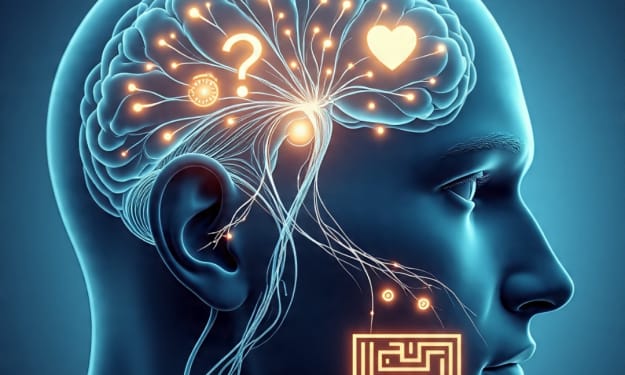
Anxiety has always been a part of the human experience—a natural reaction to stress, danger, or uncertainty. But in 2025, it's clear that anxiety has transformed from an occasional emotional response into a widespread, chronic epidemic. Nearly 1 in 3 adults worldwide now report experiencing significant anxiety symptoms, according to the World Health Organization, and among teens and young adults, that number is even higher. This surge in anxiety isn't just a result of people being "more open" about mental health. According to neuroscientist Dr. Lea Kwon at Stanford University, the very structure of modern life has shifted the brain's stress systems into overdrive. "Humans were not built for constant stimulation, digital comparison, and the 24-hour news cycle," Dr. Kwon explains. "We’ve created a world that continually triggers our amygdala—the brain's fear center—without giving our nervous system a chance to recover." In previous generations, anxiety was typically tied to specific, identifiable threats: public speaking, job interviews, or dangerous situations. Today, however, anxiety often arises from more diffuse sources—constant exposure to social media, economic instability, climate concerns, and a lingering post-pandemic unease. Researchers have coined this new form of anxiety as "ambient anxiety"—a persistent, low-grade sense of dread that doesn’t always have a clear source. It lingers in the background like static, wearing down mental resilience over time. For many, it manifests in physical symptoms: chest tightness, insomnia, digestive problems, and even panic attacks. Twenty-three-year-old Amara Jacobs, a graduate student in New York, knows this feeling all too well. "There are days when nothing is wrong, but I wake up with my heart racing," she says. "It’s like my body thinks there’s a lion in the room, but there’s not. Just deadlines and notifications." Science is working hard to catch up. In 2025, researchers have made breakthroughs in understanding the biological roots of anxiety. Using advanced brain imaging, scientists have discovered new patterns in the brain’s default mode network—a system involved in self-reflection and rumination. In anxious individuals, this network appears to be hyperactive, suggesting that anxiety may stem more from how we process thoughts than from the thoughts themselves. This insight has led to a wave of new treatments beyond traditional therapy and medication. One promising avenue is neurofeedback, a non-invasive method where patients learn to regulate their brain activity through real-time feedback. In clinical trials, patients reported a 40–60% reduction in anxiety symptoms after just a few weeks. Meanwhile, mental health apps have become more sophisticated, using artificial intelligence to track patterns in mood, sleep, and behavior. These tools can now alert users to early signs of rising anxiety—before a panic attack hits. "It’s like having a therapist in your pocket," says Dr. Kwon, who helped design one such app. But while technology offers support, experts caution that it can also contribute to the problem. Social media, in particular, has been linked to increased anxiety, especially among teens. The constant scroll of highlight reels, filtered perfection, and doom-laden news creates a relentless feedback loop of comparison and fear. "One of the best things people can do for their mental health is take breaks from their screens," says therapist Jordan Lively, who works with adolescents in Los Angeles. "Digital detox isn't just a buzzword anymore—it’s survival." At the same time, society is shifting its perception of anxiety. What was once stigmatized is now more openly discussed in schools, workplaces, and families. Celebrities, athletes, and influencers are speaking out about their struggles, creating a culture of openness that helps normalize seeking help. "Anxiety is not weakness," says Amara. "It's a sign that your body and mind are trying to protect you. Understanding that changed everything for me." Looking forward, the goal is not to eliminate anxiety entirely—after all, it serves a purpose. Instead, experts emphasize building emotional resilience and creating environments that support mental well-being. Schools are introducing mindfulness programs. Workplaces are rethinking productivity culture. Cities are investing in green spaces, knowing that access to nature lowers anxiety levels. And most importantly, individuals are learning to recognize their triggers and regulate their emotional responses. The story of anxiety in 2025 is complex, but it’s also hopeful. With new knowledge, better tools, and growing empathy, we're learning not just how to treat anxiety—but how to live with it in healthier, more compassionate ways. And perhaps, in unmasking it, we also begin to unmask ourselves.
By Muhammad Saad 8 months ago in Humans