Fiazahmedbrohi
Stories (467)
Filter by community
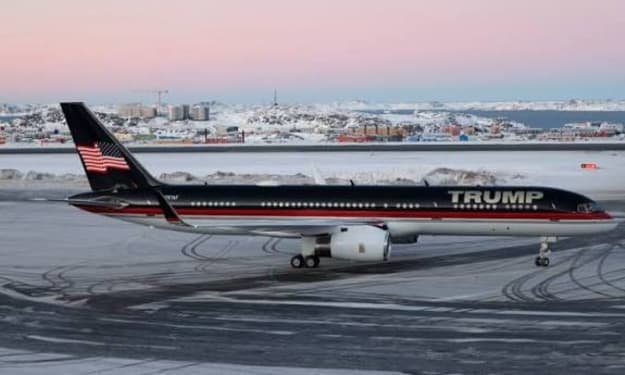
US talk of Greenland grab already damaging NATO. AI-Generated.
The United States’ flirtation with the idea of acquiring Greenland has sparked alarm in Europe and is already causing diplomatic ripples within NATO. What initially seemed like a quirky proposal by former President Donald Trump has evolved into a serious geopolitical concern, raising questions about transatlantic trust, alliance cohesion, and the future of global security arrangements.
By Fiazahmedbrohi 4 days ago in The Swamp
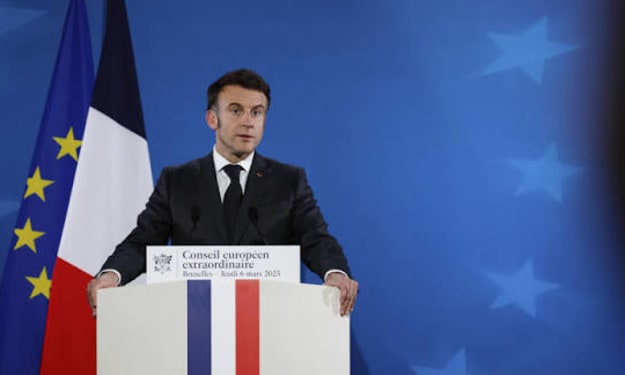
France’s Macron warns US under Trump is ‘turning away’ from allies – Europe. AI-Generated.
French President Emmanuel Macron has issued a stark warning about the state of transatlantic relations, suggesting that under Donald Trump’s leadership, the United States is “turning away” from its traditional allies in Europe. Macron’s comments, coming amid growing geopolitical uncertainties, have ignited debate across the continent about the reliability of the US as a strategic partner and the need for Europe to reassess its foreign policy priorities. A Wake-Up Call for Europe Macron’s remarks follow a series of studies and reports conducted by European think tanks and policy institutes, which indicate that America’s commitment to NATO and multilateral agreements has weakened during the Trump era. These studies emphasize that the US is increasingly prioritizing domestic interests and transactional diplomacy over the long-term security and political cohesion of its allies. “In the past, Europe could rely on the United States to provide strategic stability and deterrence,” Macron stated during a press briefing. “Today, we see a shift. The United States is focusing inward, and Europe must understand the implications of this transformation.” Experts interpret Macron’s warning not merely as political rhetoric but as a reflection of a deeper structural change in international relations. The studies he references suggest that Europe faces potential vulnerabilities in defense, trade, and global governance if it continues to depend on Washington uncritically. The Evidence Behind the Warning European studies highlight several key indicators of America’s perceived withdrawal from its traditional alliances. These include delays in NATO funding commitments, trade disputes with European nations, and skepticism toward joint international agreements, such as climate accords and multilateral security initiatives. The research also points to a growing sentiment within European populations that the United States may no longer serve as a reliable guarantor of regional security. Dr. Helena Schmidt, a senior researcher at the European Policy Institute, explains: “Our data show that European policymakers are increasingly aware that the US may not intervene militarily in Europe if its interests are not directly threatened. This has significant implications for defense planning and the strategic autonomy of the European Union.” Implications for NATO and European Defense Macron’s warning comes at a time when NATO faces questions about burden-sharing and readiness in the face of global threats, including the ongoing tensions with Russia and instability in the Middle East. While the US remains a central force within the alliance, its perceived retreat from multilateral commitments has prompted European leaders to discuss measures for strengthening their own defense capabilities. France, under Macron, has advocated for increased European strategic autonomy, including greater investment in domestic defense industries and collaborative military initiatives with other EU member states. This approach aims to ensure that Europe can act independently if US support is delayed or unavailable in a crisis. Economic and Political Dimensions Beyond security, Macron’s comments touch on economic and political concerns. Studies show that the Trump administration’s trade policies, including tariffs on European goods, have strained relations and created uncertainty for European markets. Similarly, the US’s ambivalence toward international climate agreements and human rights conventions signals a shift away from shared global governance frameworks. European economists warn that continued reliance on a US-led international order could limit Europe’s economic resilience, particularly in sectors such as energy, technology, and manufacturing. Macron’s call for vigilance underscores the need for diversification of trade partners and strategic alliances beyond traditional US ties. A Call for European Unity Macron’s warning has also fueled broader discussions about the need for a more unified European foreign policy. Some policymakers argue that Europe must speak with a single voice in international forums, coordinate its defense strategies, and reduce dependence on US military and economic support. “The message is clear,” says political analyst Jean-Luc Fournier. “Europe cannot assume that the United States will always act in our interest. Strategic autonomy is no longer an abstract idea—it is a necessity if Europe wants to maintain security, influence, and stability in the 21st century.” Looking Forward Macron’s comments and the supporting European studies reflect a moment of reckoning for transatlantic relations. While the US continues to be an indispensable partner in many areas, Europe is increasingly aware that it must prepare for scenarios in which American support is limited or conditional. For Macron and other European leaders, the challenge is balancing continued cooperation with the United States while simultaneously strengthening Europe’s own capacities. Whether through defense, diplomacy, or economic policy, the continent’s response to these shifts may define its role in global affairs for decades to come. Conclusion President Macron’s warning that the US under Trump is “turning away” from its allies serves as both a caution and a call to action for Europe. Supported by research and studies highlighting changing transatlantic dynamics, his statement underscores the need for strategic reassessment, investment in European autonomy, and a more robust approach to international partnerships. As Europe navigates this uncertain geopolitical landscape, the relationship with the United States remains critical, but it is no longer guaranteed. Macron’s message resonates as a reminder that alliances must be maintained through mutual commitment and foresight, not assumptions about past loyalties.
By Fiazahmedbrohi 4 days ago in The Swamp
‘Green Arabia’: Saudi Arabia’s Vast Deserts Were Once Rivers, Lakes, and Grasslands, Studies Show. AI-Generated.
Saudi Arabia’s iconic deserts, with their endless dunes and arid expanses, are often seen as the epitome of extreme dryness. However, recent studies reveal a surprising chapter in the region’s geological and ecological history: vast parts of what is now the Arabian Desert were once verdant landscapes, complete with rivers, lakes, and flourishing grasslands. This discovery not only challenges our understanding of the region’s past but also offers insights into climate change, human migration, and the evolution of ecosystems in one of the world’s harshest environments.
By Fiazahmedbrohi 4 days ago in Earth
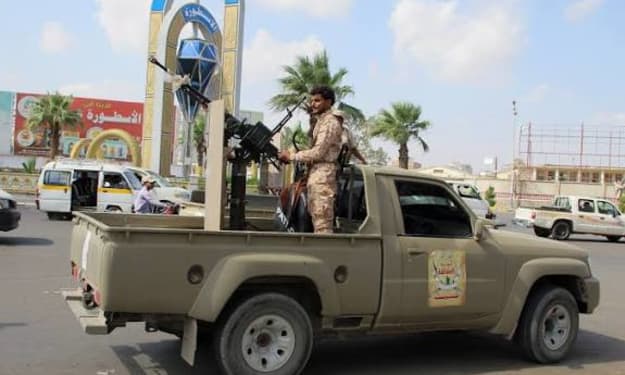
Yemen Separatist Leader Fails to Attend Crisis Talks as Saudi-UAE Rift Deepens. AI-Generated.
Yemen’s ongoing conflict has entered another precarious phase as a key separatist leader failed to attend high-stakes crisis talks aimed at resolving tensions in the southern regions of the country. The absence has intensified concerns over the fragile peace process and highlighted the widening rift between Saudi Arabia and the United Arab Emirates (UAE), both of which have historically played pivotal roles in the country’s conflict dynamics. Background: The Southern Yemen Conflict Southern Yemen has long been a focal point of the nation’s multifaceted conflict, which began in earnest after the Houthi takeover of Sana’a in 2014. In the south, the Southern Transitional Council (STC), a UAE-backed separatist faction, has been pushing for greater autonomy and, in some instances, full independence from the internationally recognised Yemeni government, which is largely supported by Saudi Arabia. Tensions between the STC and the Yemeni government have often resulted in clashes, creating a complex theatre where regional powers’ competing interests intersect. The Saudi-led coalition, which initially included the UAE as a key partner, has been engaged in a delicate balancing act, supporting the Yemeni government while attempting to manage its alliance with southern separatists. The Crisis Talks The recent crisis talks were convened in Riyadh under Saudi auspices, with the objective of addressing territorial disputes, power-sharing arrangements, and the broader security situation in southern Yemen. Delegates from the Yemeni government, Saudi officials, and representatives of the UAE-backed STC were expected to attend. However, the STC’s decision not to send its leader to the negotiations sent shockwaves through diplomatic circles. Official statements cited logistical concerns, but analysts suggest that the absence reflects deepening mistrust within the coalition itself and a strategic move by the separatists to assert leverage amid the shifting regional dynamics. Saudi-UAE Rift The failure to secure full participation from all parties comes amid mounting tensions between Saudi Arabia and the UAE, two regional heavyweights whose coordination has historically shaped the course of Yemen’s conflict. Reports indicate that disagreements over influence in southern Yemen, economic projects, and military command structures have eroded the unity of the coalition. The UAE, which has historically backed the STC, has reportedly pursued policies that sometimes diverge from Riyadh’s objectives, including building local security forces in southern territories and asserting control over strategic ports. Saudi officials, in contrast, have prioritised restoring the Yemeni government’s authority over the south. This divergence has fueled uncertainty about the coalition’s ability to present a united front, complicating peace initiatives and increasing the likelihood of localised conflict flare-ups. Implications for Yemen The absence of the separatist leader has raised serious concerns about the future of Yemen’s fragile peace process. Without the full cooperation of southern factions, negotiations risk being stalled, potentially prolonging instability in key port cities like Aden and Mukalla, which are crucial for humanitarian aid and regional trade. Moreover, ongoing political fragmentation hampers efforts to tackle Yemen’s humanitarian crisis, which the United Nations describes as one of the world’s worst. Millions of Yemenis face food insecurity, disrupted healthcare, and the threat of cholera outbreaks, making any delay in stabilisation particularly perilous. Regional and International Response International actors, including the United Nations and the United States, have expressed concern over the breakdown in dialogue and urged both Saudi Arabia and the UAE to intensify their diplomatic coordination. The UN Special Envoy for Yemen has stressed that the absence of a key player undermines efforts to achieve a sustainable settlement and warned that continued inaction could exacerbate conflict and humanitarian suffering. Meanwhile, regional observers note that the Saudi-UAE rift may embolden other actors, including the Houthis, to exploit divisions in the coalition for territorial and political gains. The current discord also raises questions about the long-term viability of external interventions in Yemen, highlighting the need for a coherent strategy among regional powers. Looking Ahead The coming weeks will be critical for Yemen. Efforts to reschedule the crisis talks and bring all parties to the negotiating table may determine whether a path toward stability can be carved out or if southern Yemen will descend further into chaos. Analysts emphasize that meaningful engagement with separatist leaders is essential, alongside mechanisms to reconcile divergent agendas among coalition partners. At the same time, there is a growing call for the international community to prioritise humanitarian relief and development initiatives, independent of political negotiations, to prevent further deterioration of living conditions for millions of civilians. Conclusion The absence of Yemen’s separatist leader at the latest crisis talks underscores the fragility of peace efforts in the region. Coupled with the widening rift between Saudi Arabia and the UAE, it highlights the challenges of navigating a conflict shaped as much by internal divisions as by external power dynamics. For Yemenis, the stakes are existential: without political compromise and effective coordination among regional actors, instability, humanitarian suffering, and violence are likely to persist. The world watches closely as diplomatic efforts unfold, with the hope that dialogue, rather than division, will guide the future of southern Yemen.
By Fiazahmedbrohi 4 days ago in The Swamp
US to Withdraw from Dozens of UN, International Organisations: Implications for Global Diplomacy. AI-Generated.
In a bold and controversial move, the United States government has announced its intention to withdraw from dozens of United Nations and other international organisations, marking a significant shift in its approach to global diplomacy. Officials describe the decision as part of a broader effort to prioritise American interests and reduce financial contributions to multilateral bodies. However, critics warn that this strategy could have far-reaching consequences for international cooperation, global governance, and the US’s standing on the world stage. The Scope of the Withdrawal According to statements from the State Department, the withdrawal will affect multiple UN agencies, including specialised organisations dealing with health, trade, and development, as well as a variety of international bodies outside the UN framework. The exact list of organisations has not been fully disclosed, but insiders suggest that it could involve entities responsible for global humanitarian aid, environmental monitoring, and human rights oversight. The move signals a clear pivot away from multilateralism, echoing past trends where US administrations have questioned the value of international institutions and sought to recalibrate engagement based on national interests. Proponents argue that the United States has been disproportionately burdened with funding and compliance obligations while receiving limited tangible benefits. Reasons Behind the Decision Officials have framed the withdrawals as a strategic recalibration. The US contributes billions of dollars annually to international organisations, and critics within the administration argue that these contributions do not always align with American priorities. By reducing involvement, the government hopes to redirect funds toward domestic priorities, including infrastructure, defence, and public welfare programs. Additionally, some policymakers have expressed frustration with what they perceive as inefficiencies, bureaucracy, and politicisation within these organisations. By stepping back, the United States aims to exert greater control over how its resources are allocated and ensure that international engagements serve concrete national interests. Global Repercussions The withdrawal has raised alarm among diplomats, experts, and allies worldwide. International organisations often rely heavily on US funding and influence to maintain operations. With the United States stepping away, several programs—particularly those in healthcare, humanitarian aid, and conflict mediation—may face funding shortfalls, potentially impacting millions globally. Experts also warn that this move could embolden other nations to follow suit, weakening the effectiveness of international governance. “The US has historically been a cornerstone of global diplomacy,” said a former UN official. “A withdrawal of this scale sends a signal that multilateral cooperation is optional, which could undermine decades of collective progress on issues like climate change, peacekeeping, and human rights.” Impact on US Influence Beyond practical consequences, the withdrawal could also diminish the United States’ influence in shaping global policies. International organisations often serve as platforms for negotiation, consensus-building, and soft power projection. By retreating, the US may lose its ability to shape standards and norms on critical issues ranging from global health emergencies to arms control. Allies in Europe, Asia, and Latin America have expressed concern about the US stepping back at a time of heightened geopolitical tensions. Critics argue that absence from international forums may allow rival powers to fill the vacuum, potentially reducing American leverage in key strategic regions. Domestic Debate Within the United States, the decision has sparked heated debate. Supporters view the move as a necessary assertion of sovereignty and fiscal responsibility, arguing that the country should not subsidise global programmes that do not directly benefit American citizens.Looking Ahead As the world watches, questions remain about the exact timing, scope, and legal ramifications of the US withdrawal. Diplomatic channels are expected to be busy in the coming months as allies seek clarity and attempt to mitigate potential disruptions. Meanwhile, the US faces a delicate balancing act: asserting national interests while maintaining credibility and influence in a highly interconnected world. The ultimate impact of this decision will depend not only on which organisations the US leaves but also on how effectively it engages with remaining international partners to address global challenges. Whether this move marks a shift toward isolationism or a strategic recalibration will likely shape US foreign policy for years to come.
By Fiazahmedbrohi 4 days ago in The Swamp
Air India Takes Delivery of First Dreamliner After Privatisation: A New Chapter in Aviation History. AI-Generated.
Air India, India’s flagship carrier, has officially taken delivery of its first Boeing 787 Dreamliner, marking a significant milestone in the airline’s history and a pivotal moment following its privatisation. The arrival of this state-of-the-art aircraft represents not just a modernisation of the airline’s fleet but also a renewed vision for India’s aviation sector under private ownership. Privatisation and the New Era Air India was privatised in late 2022 after decades of government ownership, with Tata Group, India’s industrial conglomerate, taking over operations. The acquisition aimed to revive the airline’s fortunes, which had been plagued by financial losses, outdated fleets, and operational inefficiencies. Since then, the focus has been on modernisation, operational efficiency, and improving customer experience—a vision that the Dreamliner embodies. “The delivery of the first Dreamliner is more than just an addition to our fleet; it’s a statement of intent,” said Air India CEO. “We are committed to offering world-class service while connecting India to key global destinations with modern, efficient aircraft.” The Boeing 787 Dreamliner: Features and Significance The Boeing 787 Dreamliner is renowned for its cutting-edge technology, fuel efficiency, and passenger comfort. With a composite fuselage and advanced aerodynamics, it consumes significantly less fuel than older models, helping reduce operating costs and environmental impact. Passengers can expect a quieter cabin, larger windows, improved air quality, and better humidity control, which makes long-haul flights more comfortable. These features are crucial for Air India as it competes on international routes, particularly to Europe, North America, and East Asia. The Dreamliner also supports greater range and payload flexibility, enabling the airline to open new routes without the need for additional stops. This is particularly important as Air India seeks to strengthen India’s connectivity with global business hubs and leisure destinations. Economic and Strategic Impact The addition of the Dreamliner signals Air India’s ambitions to reclaim a prominent position in international aviation. Privatisation has provided the financial backing and strategic agility to invest in modern aircraft, expand operations, and improve customer experience—areas where government-run operations had historically struggled. Beyond the airline itself, this development has broader economic implications. Increased efficiency and expanded routes can boost tourism, facilitate business travel, and strengthen India’s global trade connections. Additionally, operating fuel-efficient aircraft aligns with India’s sustainability goals by reducing carbon emissions per passenger. Competitive Advantage Air India faces stiff competition from both domestic and international carriers. Airlines such as IndiGo, Vistara, Emirates, and Qatar Airways dominate various segments, particularly on premium international routes. The Dreamliner provides Air India with a competitive edge, offering passengers a superior travel experience while optimising operational costs. Experts note that the integration of such modern aircraft is crucial for Air India to shed its legacy image of being outdated and bureaucratic. “The Dreamliner is symbolic of the airline’s transformation,” said an aviation analyst. “It reflects Tata Group’s vision to modernise and compete globally.” Future Fleet Expansion The delivery of the first Dreamliner is just the beginning. Air India has placed orders for multiple Boeing 787s, which will gradually replace older aircraft in its fleet. This phased approach allows the airline to expand its international footprint while maintaining operational continuity. Moreover, the airline is exploring partnerships, codeshares, and new routes, particularly targeting underserved markets. These strategic moves, combined with a modern fleet, position Air India to emerge as a strong global competitor, improving both profitability and brand perception. Passenger Experience and Expectations For passengers, the Dreamliner offers a noticeable improvement in travel comfort. Wider seats, reduced cabin noise, and improved lighting create a more relaxing environment for long-haul flights. In addition, inflight connectivity and entertainment options are being upgraded to meet modern expectations, aligning Air India with international standards. This focus on passenger experience is part of a broader strategy to rebrand the airline. By prioritising comfort, efficiency, and reliability, Air India hopes to attract both business and leisure travelers, creating loyalty in a competitive global market. Conclusion The delivery of Air India’s first Boeing 787 Dreamliner represents a milestone in the airline’s post-privatisation journey. It embodies the airline’s renewed vision, combining operational efficiency, passenger comfort, and global connectivity. Privatisation under Tata Group has provided the financial backing and strategic vision necessary for modernisation, and the Dreamliner is the first tangible manifestation of this transformation. As Air India expands its fleet, opens new routes, and enhances passenger experience, the airline is poised to reclaim its status as a leading global carrier. For India, this is more than just an airline achievement—it is a symbol of ambition, progress, and a commitment to connecting the nation to the world efficiently and sustainably.
By Fiazahmedbrohi 4 days ago in The Swamp
Venezuelans Hopeful of Regime Change Dismayed as Government Appears to Remain the Same. AI-Generated.
Venezuela, a nation once hailed for its vast oil reserves and economic potential, continues to grapple with political instability, economic decline, and social unrest. For many Venezuelans who hoped that recent political shifts might bring meaningful change, the reality has been disheartening: despite international attention and internal calls for reform, the government appears largely unchanged, leaving citizens frustrated and wary about the future. The Roots of Hope Over the past decade, Venezuela has endured hyperinflation, severe shortages of basic goods, and a humanitarian crisis that has forced millions to flee the country. Opposition movements and civil society groups have long argued that the government’s policies have exacerbated inequality and eroded democratic institutions. In recent years, international attention on the nation’s leadership, combined with high-profile sanctions and political pressure, had kindled hope among many Venezuelans that a shift in governance could restore stability. Citizens who suffered through years of food scarcity, limited healthcare, and shrinking opportunities viewed these developments as a potential turning point—a chance to rebuild their lives in a country they once believed held great promise. The Reality of Continuity However, as events have unfolded, the optimism of many Venezuelans has waned. Government announcements, while occasionally hinting at reforms or dialogue with opposition groups, have often resulted in minimal change. Policies that promised economic relief or political openness have largely failed to materialize, leaving citizens skeptical about the sincerity of the regime’s commitments. Daily life in Venezuela remains challenging. Access to basic goods such as food, medicine, and electricity continues to be erratic, while inflation—though slightly reduced from its peak—still limits purchasing power for ordinary citizens. Public services remain strained, and corruption allegations persist across various levels of government. These realities make it difficult for many to feel that any genuine transformation is underway. The Human Toll For Venezuelans, the impact of stagnant governance is deeply personal. Families continue to struggle to put food on the table, and healthcare shortages mean that treatable illnesses can become life-threatening. Education has been disrupted by economic hardship, leading to concerns about the long-term development of the country’s youth. Psychologically, the sense of disillusionment is palpable. Citizens who once marched for political change now express frustration at the apparent resilience of a system they hoped would reform. Social media platforms are filled with conversations reflecting anger, disappointment, and, at times, resignation—a stark reminder of how political inertia can weigh heavily on an entire population. International Implications The persistence of Venezuela’s government also has significant international consequences. Neighboring countries, particularly Colombia and Brazil, continue to host millions of Venezuelan migrants who fled the economic and social turmoil. The ongoing political stalemate has complicated international negotiations, with foreign powers debating how to balance sanctions, humanitarian aid, and diplomatic engagement. For global investors and policymakers, the lack of visible reform signals a continued risk. While Venezuela possesses abundant natural resources, including oil and gas reserves, political uncertainty deters large-scale economic engagement. The international community remains cautious, recognizing that meaningful change is essential before the country can fully stabilize and attract external investment. Looking Ahead: Navigating Uncertainty The outlook for Venezuela remains uncertain. While the government shows few signs of significant reform, opposition voices and civil society groups continue to push for accountability and change. Grassroots initiatives and community-led projects offer some hope, demonstrating that citizens are not entirely resigned to the status quo.
By Fiazahmedbrohi 4 days ago in The Swamp
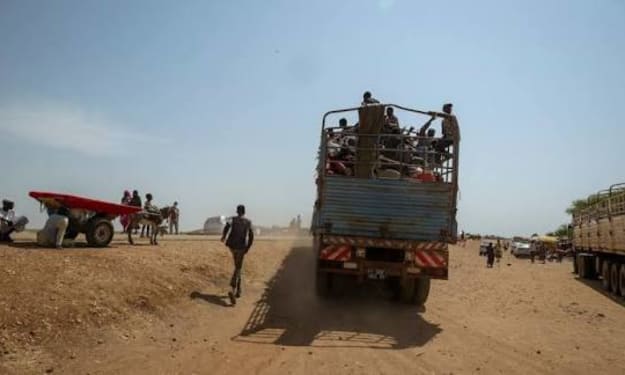
They Tried to Erase Our History’: Sudan’s National Heritage Threatened by War. AI-Generated.
Sudan, a nation with a rich and ancient cultural legacy, finds itself grappling with yet another crisis. Amid ongoing conflict and political instability, Sudan’s national heritage—spanning archaeological sites, museums, and centuries-old monuments—is under severe threat. The country’s past, carefully preserved over generations, now faces the risk of destruction, looting, and neglect, leaving historians, archaeologists, and ordinary citizens alarmed.
By Fiazahmedbrohi 4 days ago in Geeks
NHS Doctors Dismissed Cancer Symptoms as ‘Women’s Problems’: A Stark Wake-Up Call. AI-Generated.
The National Health Service (NHS), long considered the cornerstone of the United Kingdom’s healthcare system, is facing growing scrutiny after reports emerged that doctors repeatedly dismissed cancer symptoms in women as mere “women’s problems.” For many, this revelation is more than just an administrative failing; it highlights a persistent gender bias in medicine that continues to put lives at risk. A Pattern of Neglect For decades, women have reported experiencing a troubling lack of attention when presenting symptoms of serious illnesses such as ovarian, breast, or pancreatic cancer. Common complaints—abdominal pain, fatigue, unexplained weight loss, and persistent bloating—were often attributed to menstrual cycles, stress, or anxiety. Patients have recounted stories of being told that “it’s just a woman’s thing” or “hormones are probably causing it,” even when their symptoms were severe and persistent. Medical experts now warn that such dismissals are not only negligent but dangerous. Early detection of cancer is crucial for successful treatment. A delay of even a few months can significantly reduce survival rates. When symptoms are minimized or misattributed to gender-specific issues, women are disproportionately at risk of late-stage diagnoses and more aggressive treatments. The Human Cost The impact of these dismissals is deeply personal and devastating. Women often spend months, and sometimes years, trying to convince healthcare providers that their concerns are legitimate. Many have shared stories of repeatedly visiting general practitioners, undergoing inconclusive tests, and returning home without answers. For some, the delay in diagnosis meant the cancer had already advanced to a stage where treatment options were limited and outcomes bleak. Consider the case of Claire Johnson (name changed for privacy), a 42-year-old mother of two, who repeatedly sought help for persistent stomach pain and fatigue. She was told by her GP that her symptoms were “stress-related” and “just part of being a woman.” Only after a severe hospitalization did imaging reveal advanced ovarian cancer. Today, Claire is undergoing intensive treatment, but the delay significantly reduced her chances of full recovery. Gender Bias in Healthcare Medical studies suggest that women’s symptoms are more likely to be dismissed or misdiagnosed than men’s, particularly for diseases that do not present in textbook fashion. Historically, clinical research has often focused on male subjects, leaving gaps in understanding of how illnesses manifest differently in women. This systemic oversight contributes to misdiagnosis, underestimation of risk, and inadequate treatment planning. Dr. Samantha Green, a prominent oncologist, explains, “There’s a long-standing bias where women’s health concerns, particularly pain or vague symptoms, are often minimized. The assumption is that these are ‘women’s problems,’ not serious medical conditions. This mindset is deadly when it comes to cancer.” The NHS Response Following public outcry, NHS officials have acknowledged the problem and emphasized efforts to improve early detection protocols. Initiatives include increasing awareness among general practitioners, revising diagnostic guidelines to consider gender-specific symptom variations, and expanding access to rapid referral pathways for suspected cancer cases. However, advocacy groups argue that awareness campaigns alone are insufficient. They are calling for mandatory training on gender bias in healthcare, systematic audits of diagnostic delays, and stronger accountability mechanisms to ensure that patient complaints are treated seriously. Moving Toward Change The stories emerging from these cases are not just about healthcare failures—they are about societal attitudes toward women’s health. By dismissing symptoms as trivial or gender-related, the medical system perpetuates a culture where women’s suffering is undervalued. Addressing this requires more than protocol adjustments; it demands a fundamental shift in how doctors listen to, assess, and validate patients’ experiences. Some medical practices are already taking steps in the right direction. Clinics are implementing patient-centered diagnostic procedures, ensuring follow-up on persistent complaints, and prioritizing communication training that highlights empathy and attentiveness. These changes, while gradual, signal hope for a system where women’s health concerns are treated with the seriousness they deserve. A Call to Action For women experiencing unexplained symptoms, the message is clear: trust your instincts and advocate for your health. Seek second opinions, ask for thorough investigations, and insist that your concerns are taken seriously. For the NHS and the wider medical community, the mandate is equally clear: dismantle outdated biases, improve diagnostic vigilance, and treat every patient’s concerns as potentially life-saving information. The dismissal of women’s cancer symptoms as mere “women’s problems” is more than a medical oversight—it is a societal failure with life-or-death consequences. By acknowledging the bias, reforming medical practices, and prioritizing early detection, the NHS has the opportunity to save countless lives and restore trust in a system millions rely on every day.
By Fiazahmedbrohi 4 days ago in Longevity
Will South Sudan Get Dragged Into Sudan’s Civil War?. AI-Generated.
Sudan’s brutal civil war, now stretching far beyond initial expectations, has destabilized one of Africa’s most fragile regions. As fighting between the Sudanese Armed Forces (SAF) and the Rapid Support Forces (RSF) continues, attention is increasingly turning southward. The question many analysts are now asking is troubling but unavoidable: could South Sudan be dragged into Sudan’s civil war?
By Fiazahmedbrohi 4 days ago in The Swamp
Germany: Local Governments Face Financial Collapse. AI-Generated.
Germany, long seen as Europe’s economic anchor, is confronting a growing crisis at its municipal level: local governments are teetering on the brink of financial collapse. Once praised for their efficient public services, municipalities from small rural districts to large cities now face budget shortfalls so severe that they threaten the very fabric of local governance and public life.
By Fiazahmedbrohi 4 days ago in The Swamp
Trump Changes Tone, Invites Colombia’s Petro to the White House: A Shift in Hemispheric Diplomacy. AI-Generated.
In a surprising diplomatic turn, former U.S. President Donald Trump has softened his rhetoric toward Colombia and extended an invitation to Colombian President Gustavo Petro to visit the White House. The move has drawn attention across the Americas, signaling a possible recalibration of U.S.–Latin American relations after years of tension, sharp language, and ideological clashes. For observers of global politics, this moment raises an important question: is this a genuine strategic shift or a calculated political gesture? A Relationship Marked by Tension Relations between Washington and Bogotá have historically been close, particularly on security cooperation, trade, and counter-narcotics efforts. However, Gustavo Petro’s rise to power as Colombia’s first leftist president disrupted the traditional alignment. Petro has openly criticized U.S. drug policy, argued for a new approach to the war on drugs, and pushed for stronger environmental protections—often framing Washington as part of the problem rather than the solution. Trump, known for his blunt style, previously criticized Latin American leaders over migration and security issues. Colombia, despite being a long-standing U.S. ally, was not immune to that pressure. Against this backdrop, the invitation to Petro represents a notable change in tone. Why the Shift Now? Several strategic factors may explain Trump’s apparent pivot. First, Colombia remains a key geopolitical player in South America. It is a major U.S. trading partner, a regional security anchor, and an influential voice in discussions about Venezuela, migration, and climate change. Ignoring Bogotá risks leaving space for rival powers such as China and Russia to deepen their influence in the region. Second, migration remains a central political issue in the United States. Colombia plays a crucial role as both a transit country and a host for millions of Venezuelan migrants. Cooperation with Petro’s government could help Washington manage migration flows more effectively—something Trump has long emphasized in his political messaging. Third, energy and environmental policy may also be at play. Colombia is rich in resources, and Petro’s push for a green transition has global implications. Engaging directly allows Washington to influence these debates rather than watch them unfold from the sidelines. Petro’s Calculated Acceptance For President Petro, the invitation is equally strategic. Despite his criticism of U.S. policies, Petro has repeatedly stated that Colombia needs pragmatic engagement with Washington. A White House meeting offers Petro international legitimacy, a chance to advocate for drug policy reform, and an opportunity to push climate cooperation onto the global agenda. Petro has argued that decades of militarized anti-drug strategies have failed and that environmental destruction and social inequality are at the root of the problem. A direct dialogue with Trump gives him a global platform to present this vision—even if agreement is far from guaranteed. Symbolism Versus Substance While the invitation itself is symbolic, the real test lies in outcomes. Will this meeting lead to concrete policy changes, or will it remain a photo opportunity designed to signal openness without commitment? Skeptics point out that Trump’s political style often involves dramatic gestures followed by limited follow-through. Supporters, however, argue that his transactional approach to diplomacy could yield practical agreements, especially if both sides see clear benefits. Issues likely to dominate discussions include drug trafficking, migration, Venezuela’s political crisis, trade relations, and environmental cooperation. Any progress in these areas would mark a meaningful shift in hemispheric politics. Implications for the Region The invitation has broader implications beyond Colombia. Other Latin American leaders are watching closely. A more conciliatory U.S. stance could reduce ideological polarization in the region and encourage dialogue over confrontation. Conversely, if talks collapse or produce little substance, it may reinforce skepticism about Washington’s reliability as a partner. For Latin America, long accustomed to being treated as a secondary priority, even symbolic engagement can carry weight. It signals recognition—something regional leaders often argue has been lacking. A Moment of Diplomatic Uncertainty Trump’s invitation to Gustavo Petro underscores a core truth of modern diplomacy: relationships are fluid, and pragmatism often overrides ideology. Whether this marks a genuine reset or a temporary tactical move remains to be seen. What is clear is that both leaders have something to gain—and something to lose. As global challenges like migration, climate change, and security grow more complex, dialogue may prove more valuable than division. The world will be watching to see whether this changed tone leads to meaningful cooperation or fades into yet another missed opportunity in international politics.
By Fiazahmedbrohi 4 days ago in The Swamp