
They Tried to Erase Our History’: Sudan’s National Heritage Threatened by War
"Conflict and neglect endanger Sudan’s ancient sites, threatening the country’s identity and legacy"
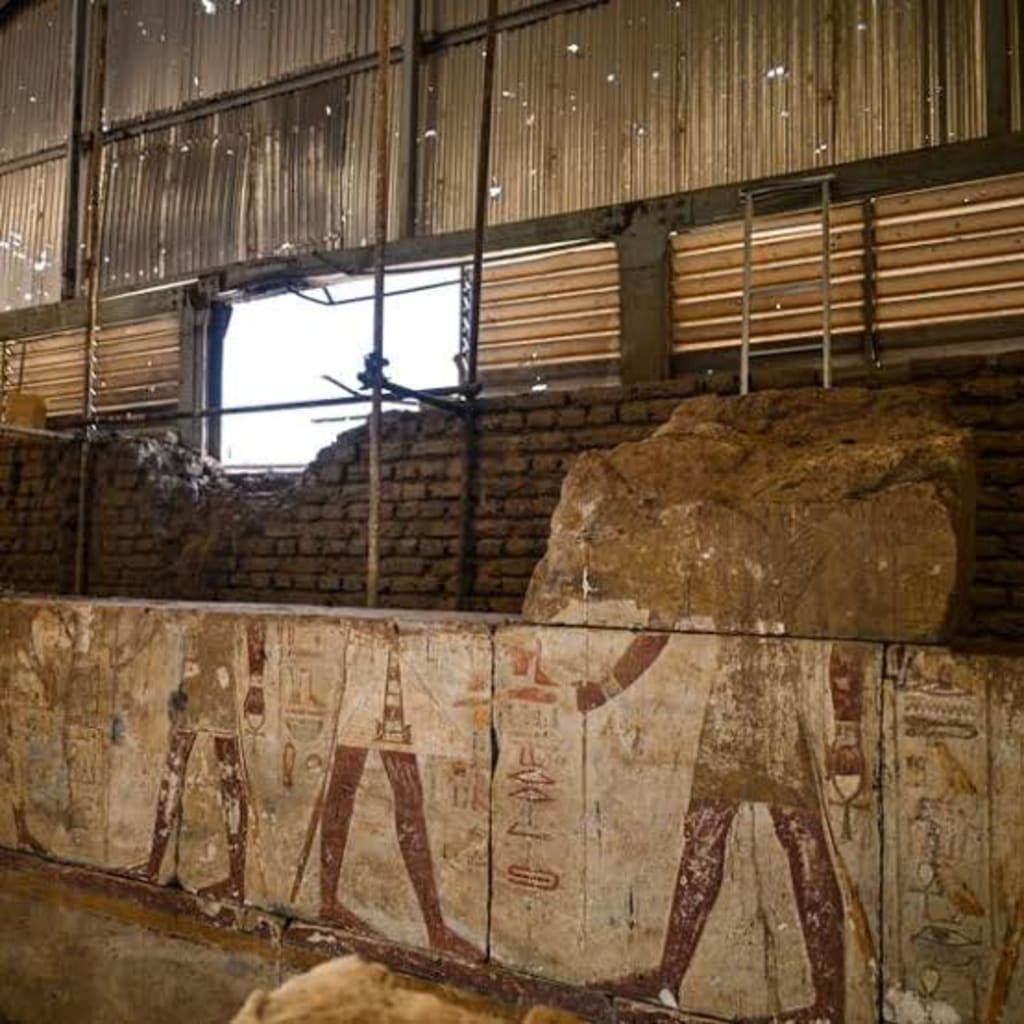
Sudan, a nation with a rich and ancient cultural legacy, finds itself grappling with yet another crisis. Amid ongoing conflict and political instability, Sudan’s national heritage—spanning archaeological sites, museums, and centuries-old monuments—is under severe threat. The country’s past, carefully preserved over generations, now faces the risk of destruction, looting, and neglect, leaving historians, archaeologists, and ordinary citizens alarmed.
A History at Risk
Sudan is home to some of the world’s most remarkable historical treasures. From the pyramids of Meroë to the temples of Nubia, the country’s heritage reflects millennia of civilization and the influences of ancient African, Egyptian, and Arab cultures. Museums in Khartoum and other cities hold artifacts that offer glimpses into the daily life, religion, and politics of civilizations that predate much of recorded history elsewhere in the region.
However, decades of political instability, exacerbated by civil wars and military coups, have left these cultural assets vulnerable. Looting, illegal excavations, and poor preservation practices have already taken a toll, but the current wave of conflict has intensified the threat. Local authorities struggle to protect historic sites while navigating a volatile security landscape, and international organizations face barriers in accessing the areas most at risk.
The Human Factor
For Sudanese citizens, the destruction of national heritage is more than a cultural loss—it is a blow to identity and collective memory. Many communities see these sites as symbols of national pride, a connection to their ancestors, and a reminder of their shared history. When monuments are damaged or artifacts are stolen, it represents an attempt to erase the stories that bind generations together.
Residents of conflict-affected regions recount harrowing experiences of seeing archaeological sites vandalized or looted. In some instances, local militias or armed groups have targeted historical locations, viewing them either as sources of revenue through the black market or as symbols of a regime or culture they wish to suppress. The emotional impact on communities is profound, as the physical loss of heritage mirrors the social and psychological toll of ongoing warfare.
Global Concerns
The threat to Sudan’s heritage has not gone unnoticed internationally. UNESCO and other cultural preservation organizations have repeatedly highlighted the urgent need to protect endangered sites. There is growing concern that without immediate intervention, invaluable historical records and artifacts may be lost forever, erasing unique chapters of human civilization.
International experts stress that heritage preservation is not only about safeguarding objects—it also promotes social cohesion, education, and tourism. The destruction of Sudanese heritage has implications beyond the country’s borders, affecting scholars, historians, and enthusiasts worldwide who study the region’s contributions to art, architecture, and early state formation.
Challenges in Preservation
Protecting Sudan’s heritage is an uphill battle. Many historical sites are located in remote regions where the government has limited control. Military operations and skirmishes make access dangerous for preservation teams, and a lack of funding further hampers efforts to implement robust security measures.
Additionally, illegal trade in antiquities flourishes amid the chaos. Ancient artifacts are smuggled out of Sudan and sold on international black markets, often fetching exorbitant prices. While some countries have sought to repatriate stolen items, enforcement is difficult, and the sheer scale of the problem means many treasures may be lost permanently.
Hope Amid Turmoil
Despite these challenges, there are signs of resilience. Local historians, archaeologists, and volunteers have banded together to document, protect, and, in some cases, physically safeguard artifacts. Digital preservation efforts, including 3D scanning of monuments and online databases, provide new ways to ensure that even if physical sites are damaged, the knowledge and cultural significance they represent endure.
International partnerships have also emerged, with UNESCO and non-governmental organizations providing training, resources, and advocacy to protect Sudan’s heritage. Community-driven initiatives highlight the importance of involving locals in safeguarding their own history, demonstrating that preservation is possible even in times of conflict.
Conclusion
Sudan’s national heritage stands at a precarious crossroads. The ravages of war threaten to erase not just buildings and artifacts, but centuries of culture and identity. Yet, amid the chaos, the commitment of Sudanese citizens and the international community offers a glimmer of hope.
As historians, archaeologists, and ordinary Sudanese work tirelessly to protect what remains, the story of Sudan’s past continues to endure. Preserving heritage in times of war is more than an act of conservation—it is a declaration that history, memory, and identity cannot be silenced, even in the darkest of times.
About the Creator
Keep reading
More stories from Fiazahmedbrohi and writers in Geeks and other communities.
Why Do 250 Million Christians Celebrate Christmas on January 7?
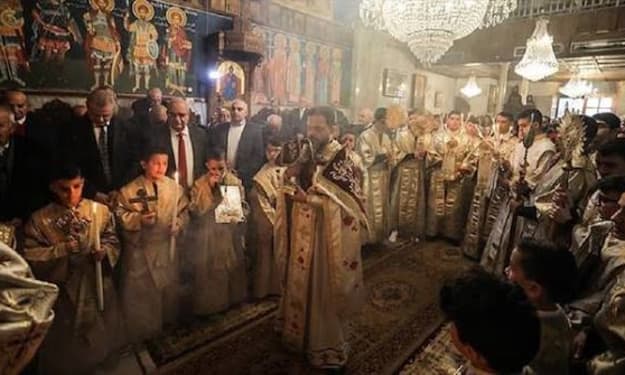
While December 25 is widely recognized as Christmas Day around the world, an estimated 250 million Christians observe the holiday on January 7. This variation may seem surprising, but it has deep roots in history, theology, and calendar traditions. Understanding why this happens requires exploring the differences between calendars, religious customs, and cultural practices across the Christian world. The Julian vs. Gregorian Calendar The primary reason for the January 7 celebration is a difference in calendars. Most Western countries and churches follow the Gregorian calendar, introduced by Pope Gregory XIII in 1582 to correct the drift of the earlier Julian calendar. The Julian calendar, established by Julius Caesar in 46 BCE, miscalculated the solar year by 11 minutes. Over centuries, this tiny discrepancy accumulated, causing dates of astronomical events, like the spring equinox, to shift. The Gregorian reform corrected the drift, skipping 10 days in October 1582. However, not all Christian communities adopted the new calendar immediately. Many Eastern Orthodox churches, particularly in countries like Russia, Ukraine, Serbia, Egypt, and Ethiopia, continue to follow the Julian calendar for liturgical purposes. Because of the 13-day difference between the Julian and Gregorian calendars, December 25 in the Julian calendar aligns with January 7 on the Gregorian calendar. Hence, Orthodox Christians celebrate Christmas on January 7. Religious Traditions and Church Practices Beyond calendars, theological and liturgical practices influence the celebration. For Orthodox Christians, the Nativity feast is preceded by a period of fasting, prayer, and preparation, similar to Advent in Western Christianity but often lasting 40 days, known as the Nativity Fast. This period emphasizes reflection, humility, and spiritual readiness. The timing also aligns with historical traditions in the Eastern Church. Some ancient Christian communities, including the Coptic and Ethiopian Orthodox Churches, maintained the Julian calendar’s dating of significant religious festivals. Over centuries, these practices became deeply ingrained, intertwining faith, identity, and cultural heritage. Cultural Significance Across Countries Celebrating Christmas on January 7 is not merely a liturgical matter; it is also a cultural marker. In Russia, for example, Christmas was suppressed under Soviet rule, but the tradition persisted privately. Today, it is celebrated with church services, family gatherings, and traditional foods like kutia, a sweet grain dish. In Ethiopia, Christmas, known locally as Genna, is celebrated with a midnight mass and vibrant festivities that often include processions and traditional games. Similarly, in Egypt, the Coptic Orthodox Church observes Christmas with a 43-day fast leading up to the feast, followed by a communal meal and religious ceremonies. In Serbia and other Balkan countries, Orthodox Christians celebrate Božić, their version of Christmas, on January 7, accompanied by unique customs like lighting the badnjak (oak log) and attending church services. These celebrations reinforce community bonds and reflect centuries-old traditions passed down through generations. Misconceptions and Global Awareness Many people assume that Christmas is universally celebrated on December 25, but the reality is more nuanced. The January 7 celebrations highlight the diversity of Christian traditions and remind the world that faith practices are not monolithic. Despite differences in dates, the core themes of Christmas—peace, joy, family, and spiritual reflection—remain consistent across Christian denominations. Modern Relevance Today, the dual celebrations of Christmas illustrate how history, religion, and culture intersect. January 7 Christmas has also become increasingly visible in global media and travel, with Orthodox communities opening their doors to visitors eager to experience their unique traditions. It serves as a reminder that holidays are not just about dates on a calendar—they are living expressions of history, faith, and identity. Conclusion The fact that 250 million Christians celebrate Christmas on January 7 is a fascinating example of how history shapes religious life. The Julian calendar’s enduring influence, combined with centuries of Orthodox tradition, explains why the holiday occurs on a different date than in Western Christianity. From Russia to Ethiopia, Serbia to Egypt, the celebration brings communities together, honoring faith, family, and cultural heritage. Ultimately, whether December 25 or January 7, Christmas remains a universal symbol of hope, unity, and the enduring human desire to celebrate life and love. Understanding the reasons behind the different dates allows us to appreciate the rich diversity within Christianity and recognize the many ways faith and tradition continue to shape our world.
By Fiazahmedbrohi 5 days ago in Geeks
Marty Supreme Review: Timothée Chalamet Is Excellent, The Movie… Not So Much
⭐ Rating: 2 out of 5 stars Marty Supreme Directed by Josh Safdie Written by Josh Safdie, Ronald Bronstein Starring Timothee Chalamet, Gwyneth Paltrow, Tyler The Creator, Odessa A'zion
By Sean Patrickabout a month ago in Geeks
Eurosport in USA
Eurosport is one of the top destinations for live sports, offering coverage of everything from Grand Slam tennis to the Olympic Games. Unfortunately, the platform is region-locked, meaning fans outside Europe, including those in the US, can’t access its full content library. This is where a VPN comes in. With the right VPN, you can easily mask your IP address and bypass geo-restrictions from anywhere.
By David Cook6 days ago in Geeks
Where's the Glory?
In breaking news, rehabilitated Republican Senator Johnnie Johnson (Pronouns: HE, HIM, HIS) called a press conference from the Men’s room of the New Orleans Louis Armstrong International Airport, Concourse B, across from the Ignatius Reilly’s Lucky Dog stand. The Senator had just returned from a sexual reorientation rehabilitation program in Memphis, TN after being publically disgraced at a Buckee’s Truckstop restroom soliciting sex from an undercover cop three months ago. He is a founding member of the Reformed Christians for Christ, a conservative, pro-family and ex-gay advocacy group. In the spirit of being reborn, Senator Johnson invited reporters to marvel at his plans for a major remodeling of airport bathrooms.
By Cathy Schieffelin5 days ago in Humor



Comments
There are no comments for this story
Be the first to respond and start the conversation.