Deji Akomolafe
Bio
Stories (512)
Filter by community
Igudar: Morocco’s Ancient Banking System and the Story of Communal Trust
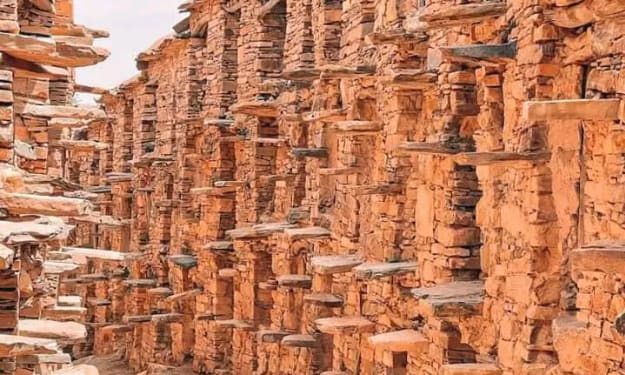
In the rugged landscape of Agadir, Morocco, one can find the remains of a fascinating and ancient form of banking—structures known as “Igudar” (plural for "agadir"). These communal granaries, built by the Amazigh (Berber) people, are much more than simple storage spaces. With their fortified designs, elevated locations, and the sense of collective responsibility that sustained them, Igudar represent an early example of communal wealth management and trust, acting as one of the oldest banking systems in the world.
By Deji Akomolafeabout a year ago in History
Waking Up with Candle Clocks: The Ingenious Precursor to Alarm Clocks
Before the invention of modern alarm clocks, people across different cultures developed inventive ways to ensure they awoke on time. One of the most fascinating methods involved candles and nails. Long before buzzing alarms, these "candle clocks" allowed people to wake up at a set hour. This simple yet effective technique involved placing nails at specific intervals along a candle. As the candle burned down, it would eventually reach the nail, which would drop and make a sound, waking the sleeping person. This clever method combined practicality with a bit of ingenuity, serving as an essential tool in a world without mechanical clocks or digital alarms.
By Deji Akomolafeabout a year ago in History
The Standing Stone at The Oxenham Arms: Dartmoor’s Ancient Monolith in a Historic Pub
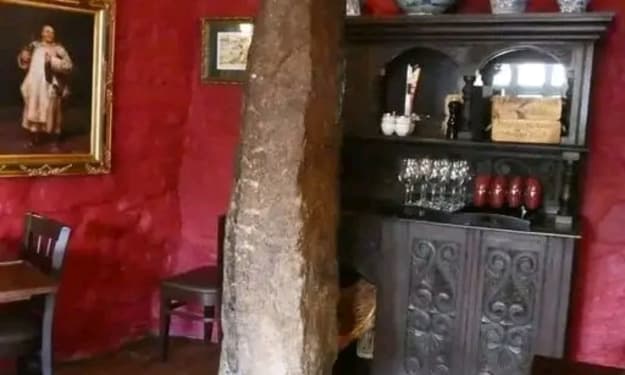
Nestled in the heart of Dartmoor, UK, lies a fascinating piece of history that bridges the distant past with medieval times: a 27-foot-tall standing stone embedded in the foundations of The Oxenham Arms pub. This striking monolith, cut and placed by Neolithic people around 5,000 years ago, is a reminder of the lives and beliefs of Dartmoor’s ancient inhabitants. What makes this standing stone even more intriguing is its unique setting—the medieval pub was built around it nearly 800 years ago, enveloping this Neolithic relic within its walls. The Oxenham Arms stands today as a historical landmark where visitors can enjoy the unique experience of dining next to a piece of prehistoric Dartmoor.
By Deji Akomolafeabout a year ago in History
Tinkinswood Burial Chamber: A Window into Neolithic Wales
Nestled a few miles west of Cardiff, Wales, lies the ancient and mysterious site of Tinkinswood. This Neolithic marvel, dating back over 6,000 years, is one of the oldest and most remarkable burial sites in the region. Known for its massive stone structure, Tinkinswood has fascinated historians, archaeologists, and locals alike. At the heart of this site lies a chambered cairn covered by an extraordinary capstone, weighing around 40 tons, which ranks among the largest in Europe. Tinkinswood offers an intriguing look into the lives, beliefs, and skills of the people who lived here thousands of years ago, serving as both a burial site and a possible ceremonial center. Local folklore and archaeology together add layers of intrigue to this Welsh landmark, making Tinkinswood a place of historical significance and quiet mystery.
By Deji Akomolafeabout a year ago in History
Montgomery Reef: A Spectacle of Nature in Western Australia
Off the rugged coast of Western Australia lies one of the world’s most remarkable marine phenomena: Montgomery Reef. Covering an area of around 400 square kilometers, this expansive reef in Camden Sound Marine Park mesmerizes visitors with its dramatic rise from the ocean with each tidal shift. Located within the pristine waters of the Kimberley region, Montgomery Reef offers a unique natural display where water pours off the reef’s surface, forming hundreds of miniature waterfalls cascading into surrounding lagoons. As the tide recedes, an extraordinary world of marine life is revealed, attracting sea turtles, reef sharks, and various bird species that flock to feast on exposed marine organisms. Beyond its visual beauty, Montgomery Reef holds ecological and cultural significance, making it a must-visit location for nature enthusiasts and those curious about Australia’s diverse ecosystems.
By Deji Akomolafeabout a year ago in Earth
Kames Castle: A Glimpse into Scotland’s Enigmatic Past
Scotland is known for its captivating landscapes and ancient castles, each with a rich story woven through centuries of history. Among these historic sites is Kames Castle, a gem nestled on the Isle of Bute, which carries with it echoes of medieval grandeur, family legacy, and the inevitable touch of time. Dating back to the 14th century, Kames Castle is one of Scotland’s lesser-known but historically significant sites, originally built as a fortified tower house and later transformed into a residence that offers a charming reminder of Scotland’s past. Its story includes notable periods of expansion, ownership changes, and adaptive reuse, and it remains today a symbol of Bute’s medieval heritage.
By Deji Akomolafeabout a year ago in History
A Journey Through Time: The 13th Century Pipewell Gate in Winchelsea
In the small town of Winchelsea, East Sussex, history is woven into every corner. Amid the narrow lanes and ancient stones lies Pipewell Gate, a remarkable medieval structure dating back to the 13th century. As one of the last remnants of Winchelsea’s medieval defenses, Pipewell Gate stands today as a testament to the town’s storied past and a window into a time when the bustling port town was fortified against invaders.
By Deji Akomolafeabout a year ago in History
The Abandoned City of Thamugadi: Unraveling the Roman Mystery Buried in the Sands of Algeria
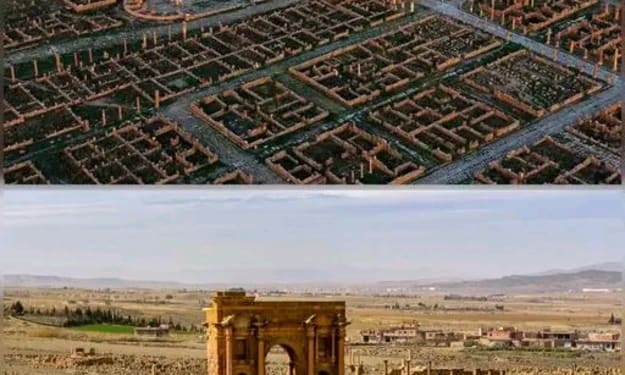
In the heart of Algeria’s Aures Mountains lies the ancient Roman city of Thamugadi, also known as Timgad, a site as mysterious as it is captivating. Founded by Emperor Trajan around 100 AD, Thamugadi stands today as one of the most well-preserved Roman cities in North Africa. Built with the precision that characterized Roman engineering, the city showcases straight, intersecting streets, grand arches, sprawling public baths, and an impressive theater capable of seating thousands. At its peak, Thamugadi was a bustling hub of culture, trade, and military activity—a symbol of Roman might and urban planning.
By Deji Akomolafeabout a year ago in History
Have Researchers Discovered the Fabled Atlantis? The Mystery of Ancient Pyramids Off the Coast of Mexico
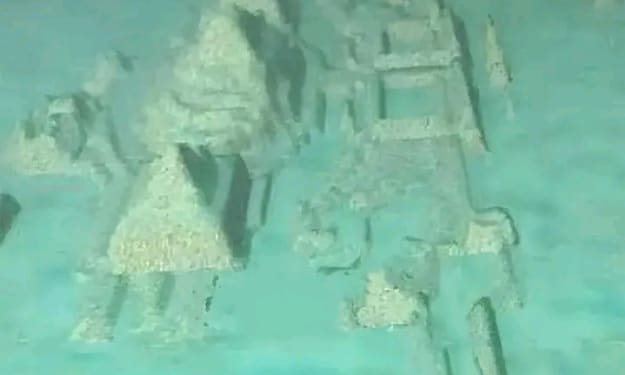
The tale of Atlantis has captivated imaginations for millennia. Described by the ancient Greek philosopher Plato, Atlantis was said to be a mighty, technologically advanced civilization that vanished into the depths of the sea. Over the years, countless theories and claims have emerged, each suggesting a different location for this legendary city. And now, researchers may have stumbled upon something truly remarkable—a series of massive pyramid-like structures lying beneath the ocean off the coast of Mexico. This discovery has sparked excitement and intrigue, with some speculating that this underwater site could potentially be the remnants of Atlantis itself.
By Deji Akomolafeabout a year ago in History
The Hypocaust System: Ancient Rome’s Ingenious Underfloor Heating Solution
In the world of ancient Rome, comfort and luxury weren’t reserved only for the elite; they were engineered into daily life in remarkable ways. One of the most advanced and fascinating technologies of that era was the hypocaust—a centralized heating system used primarily in public baths and wealthy Roman homes. This early form of underfloor heating offered warmth and comfort, allowing Romans to enjoy heated floors and even heated walls, long before the modern conveniences of radiators and central heating.
By Deji Akomolafeabout a year ago in History
The Day Niagara Falls Ran Dry: The 1969 De-Watering of the American Falls
Few natural wonders capture the imagination like Niagara Falls. With its immense flow, thunderous roar, and mist that rises like a ghostly shroud, the falls are a symbol of nature’s raw power. But for a brief period in 1969, a remarkable engineering feat turned that power off—at least, on one side of the falls. In June of that year, U.S. engineers successfully diverted the flow of the Niagara River away from the American Falls, leaving them eerily dry for several months. This unique event allowed scientists to study the geology of the falls, confront safety concerns, and preserve the iconic attraction for future generations. Today, it remains a fascinating chapter in Niagara’s history, remembered as the year that one of the world’s most famous waterfalls ran dry.
By Deji Akomolafeabout a year ago in History
Stokesay Castle: England’s Best-Preserved Fortified Medieval Manor House
In the rolling hills of Shropshire, nestled on the outskirts of Ludlow, stands one of England's most remarkable historical sites: Stokesay Castle. With its imposing towers and medieval charm, Stokesay Castle is celebrated as the best-preserved fortified medieval manor house in England. Built in the 13th century by a prosperous wool merchant, the castle has withstood the test of time, allowing visitors a unique glimpse into medieval life through its grand architecture and enchanting surroundings. Its magnificent great hall, largely unchanged for over 700 years, remains the heart of the castle, offering an atmospheric portal to the past for history enthusiasts, architects, and anyone fascinated by England’s rich heritage.
By Deji Akomolafeabout a year ago in History