
Stokesay Castle: England’s Best-Preserved Fortified Medieval Manor House
Old House

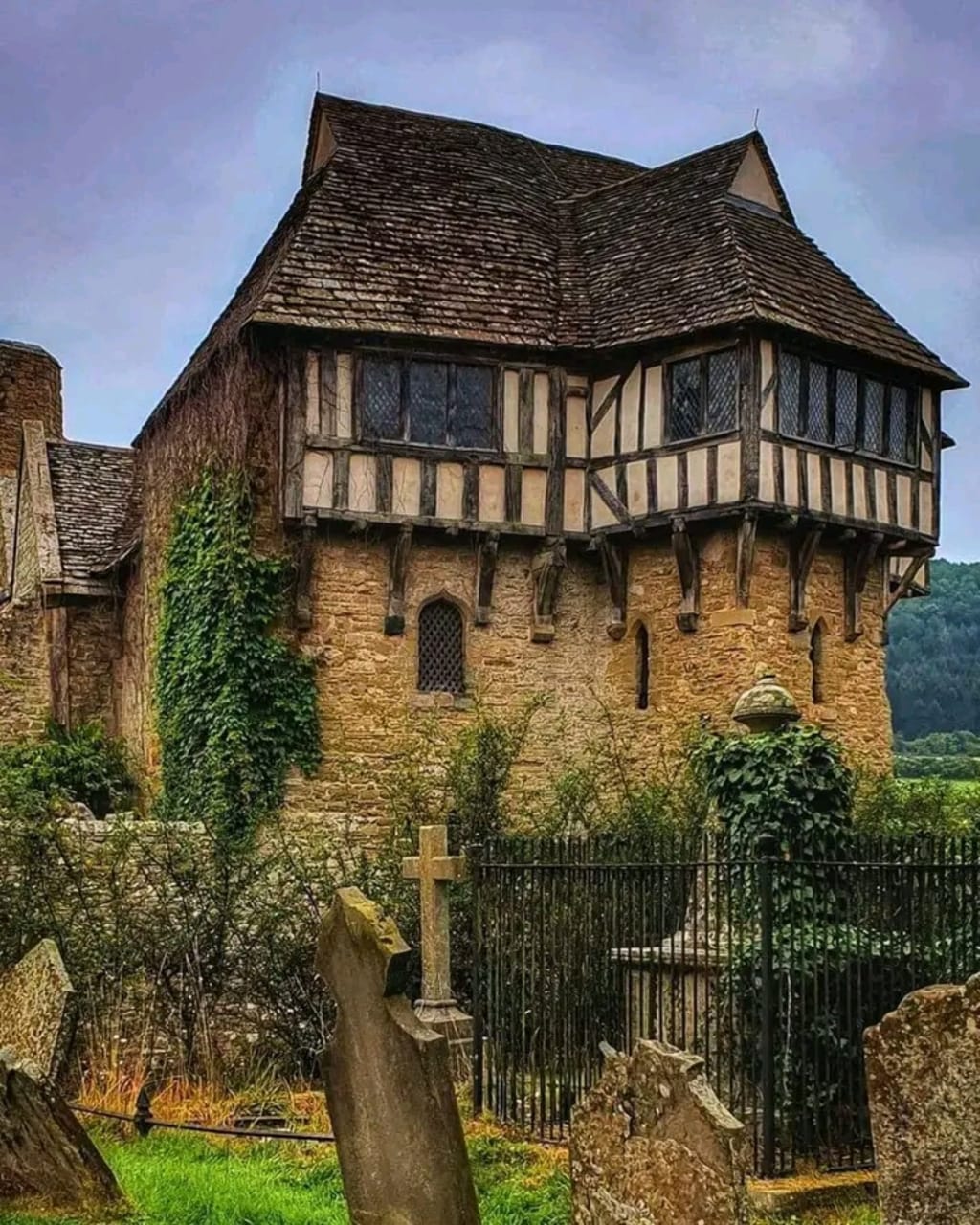
In the rolling hills of Shropshire, nestled on the outskirts of Ludlow, stands one of England's most remarkable historical sites: Stokesay Castle. With its imposing towers and medieval charm, Stokesay Castle is celebrated as the best-preserved fortified medieval manor house in England. Built in the 13th century by a prosperous wool merchant, the castle has withstood the test of time, allowing visitors a unique glimpse into medieval life through its grand architecture and enchanting surroundings. Its magnificent great hall, largely unchanged for over 700 years, remains the heart of the castle, offering an atmospheric portal to the past for history enthusiasts, architects, and anyone fascinated by England’s rich heritage.
The Origins of Stokesay Castle: A Merchant’s Vision
The origins of Stokesay Castle date back to the 1280s when Laurence of Ludlow, one of England’s wealthiest wool merchants, commissioned the construction of this grand residence. Unlike many castles of the time, Stokesay was not built primarily for military purposes. Instead, it served as a fortified manor house—a blend of defensive structures and luxurious living spaces designed to reflect the status and success of its owner.
Laurence of Ludlow chose an ideal location for his castle: a scenic spot near the River Onny, close to the Welsh border. This position allowed him to monitor the comings and goings of merchants and traders in the region, which was essential for his wool business. To ensure his residence was both secure and comfortable, Laurence combined robust stone fortifications with the refined architectural features of a wealthy manor house. This fusion of fortification and elegance is what makes Stokesay Castle so unique.
The Great Hall: A Time Capsule of Medieval Life
The crown jewel of Stokesay Castle is its great hall, a magnificent space that remains virtually unchanged since it was built over seven centuries ago. Entering the great hall feels like stepping back in time, as the room’s original timber beams, stone fireplace, and arched windows have been preserved in their medieval splendor. The hall’s high ceilings and timbered roof create an awe-inspiring atmosphere, transporting visitors to an era when the room would have bustled with feasts, social gatherings, and family life.
The great hall served as the social heart of the castle, a place where Laurence of Ludlow and his family could entertain guests and conduct business. The room’s design reflects the tastes and wealth of its owner, featuring carved wooden beams, spacious seating areas, and large windows to let in natural light. Remarkably, many of the hall’s original furnishings and features remain intact, making it one of the finest examples of medieval domestic architecture in England.
The great hall’s design showcases a blend of practicality and grandeur. The high windows provided natural light during the day while adding an extra layer of security by making it difficult for potential attackers to gain access. The room’s massive fireplace was essential for warmth, while the spacious layout allowed for gatherings of friends, family, and business associates, reinforcing Laurence’s status as a prominent figure in Shropshire society.
A Fortified Manor: Balancing Defense and Luxury
While Stokesay Castle was designed primarily as a residence, its construction also incorporated elements of fortification. The castle’s exterior is surrounded by a defensive stone wall, and it features two imposing towers that would have provided strategic vantage points for spotting approaching threats. These fortifications reflect the tensions of the time, as border areas like Shropshire were often vulnerable to conflict and raids, especially given the castle’s proximity to Wales.
The north tower, with its narrow spiral staircase and small arrow slits, was likely used as a lookout point and a defensive position in times of unrest. Meanwhile, the south tower offers a blend of defense and comfort, featuring decorative woodwork and a charming hexagonal design that adds a touch of elegance to the fortified structure. This blend of aesthetics and defense is characteristic of Stokesay, where the needs for security and luxurious living coexisted harmoniously.
One unique feature of the castle is its timber-framed gatehouse, which was added in the 17th century. The gatehouse, with its elaborate carvings and picturesque half-timbered style, contrasts with the stone structure of the rest of the castle, adding a touch of Tudor charm to the medieval building. The gatehouse not only served as an entry point but also as a statement of prestige, signaling the owner’s wealth and status to all who visited.
Stokesay Castle’s Preservation Through the Ages
What makes Stokesay Castle so exceptional is its remarkable state of preservation. Unlike many castles and manor houses in England, which have suffered from weathering, war, or modernization, Stokesay has remained largely untouched. The castle's enduring structure can be attributed to several factors, including its strong foundations and its relatively peaceful history after the medieval period.
Ownership of Stokesay passed through several families over the centuries, each of whom made small modifications but ultimately respected the castle’s original design. By the 19th century, interest in historic preservation grew, and efforts to protect Stokesay Castle began in earnest. In 1869, the Craven family, who owned the property at the time, undertook careful repairs to ensure the building’s structural integrity without compromising its medieval character.
In the 20th century, Stokesay Castle was acquired by the Society for the Protection of Ancient Buildings, and later passed to English Heritage, which manages the site today. English Heritage has worked diligently to preserve the castle’s historical authenticity, ensuring that visitors can experience Stokesay much as it would have appeared in the medieval period.
Visiting Stokesay Castle Today: A Journey Back in Time
Today, Stokesay Castle is open to the public, inviting visitors to explore its storied halls, towers, and gardens. The castle’s rural location near Ludlow adds to its allure, allowing guests to enjoy the surrounding countryside and immerse themselves in the medieval atmosphere. Guided tours offer insights into the castle’s history, architecture, and the lives of the people who once called it home, from Laurence of Ludlow to the families who maintained it through the centuries.
For history lovers and architectural enthusiasts, Stokesay Castle offers a rare and intimate look into medieval England. The castle’s well-preserved rooms, original features, and sweeping views of the Shropshire hills make it a compelling destination for anyone interested in England’s past. With its balance of fortified strength and domestic charm, Stokesay Castle stands as a testament to the enduring legacy of medieval architecture and the vision of a wealthy merchant who sought to build a home fit for both comfort and security.
Whether exploring the great hall, climbing the towers, or strolling through the castle’s garden, a visit to Stokesay Castle is a journey into a world where history lives on, offering an extraordinary experience of England’s medieval heritage and the timeless beauty of Shropshire.
About the Creator
Keep reading
More stories from Deji Akomolafe and writers in History and other communities.
Bolivia’s Dinosaur Wall: The Fascinating Fossil Record of Cal Orck’o
High above the plains of Sucre, Bolivia, stands one of the most extraordinary paleontological sites in the world: Cal Orck’o, a towering limestone wall measuring 300 feet high and nearly a mile long. This unique site is etched with over 5,000 dinosaur footprints, representing more than 10 distinct species that roamed this ancient land around 65 million years ago. Known as the “Dinosaur Wall,” Cal Orck’o offers a rare and spectacular glimpse into the past, preserving an ancient ecosystem in the form of fossilized tracks.
By Deji Akomolafeabout a year ago in History
The Light of Islam: The Journey of the Prophet
Over 1,400 years ago, in the city of Mecca, a child was born who would change the world forever. His name was Muhammad ﷺ, and he belonged to the noble tribe of Quraysh. From the beginning, his life was marked by trials and simplicity. Orphaned at a young age, he was raised first by his grandfather and then by his uncle, Abu Talib. Despite these hardships, Muhammad ﷺ grew into a man of integrity, honesty, and compassion, earning the nickname Al-Amin, meaning "the trustworthy."
By The best writer a day ago in History




Comments
There are no comments for this story
Be the first to respond and start the conversation.