
Kames Castle: A Glimpse into Scotland’s Enigmatic Past
Scotland Structure

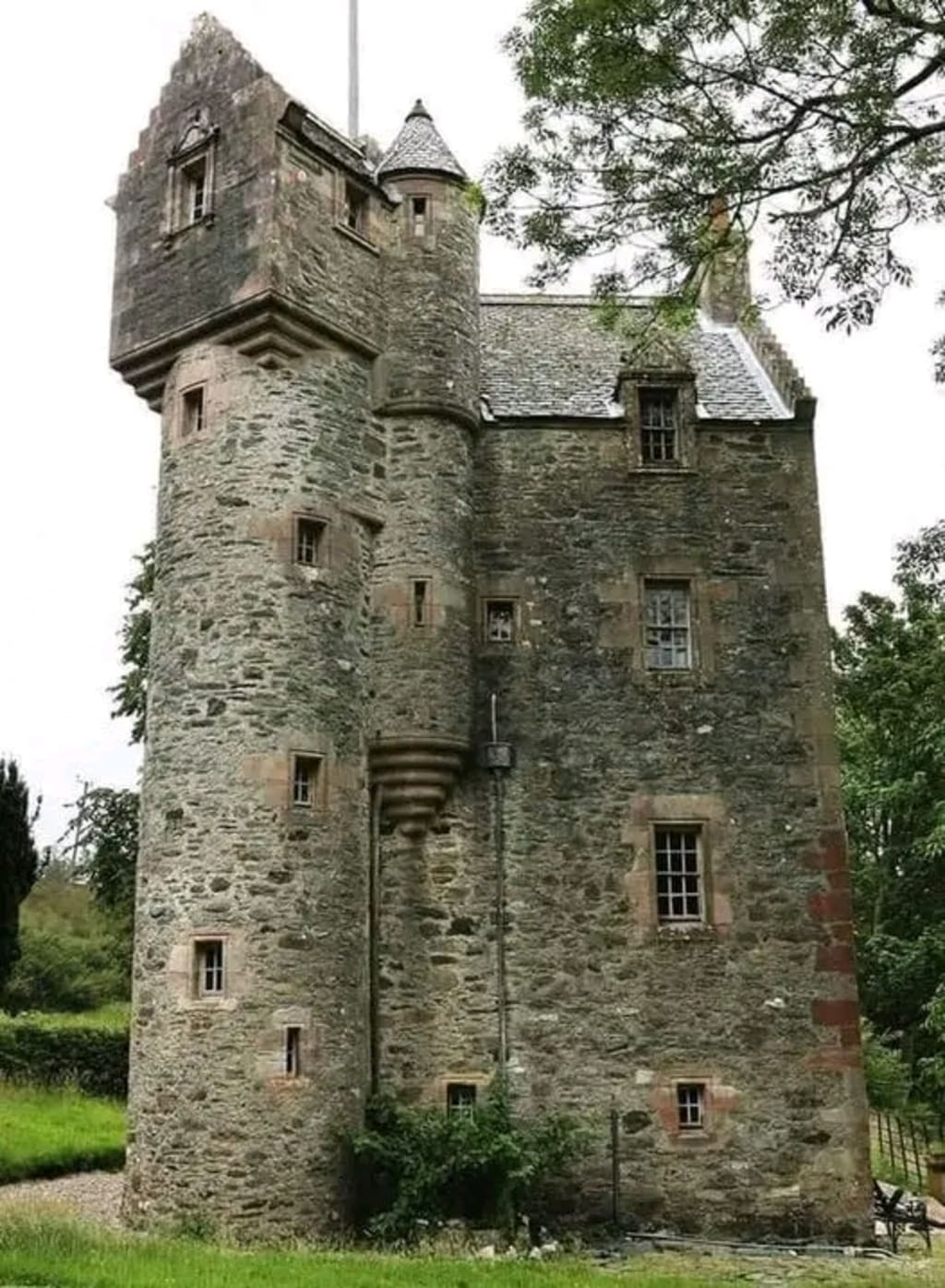
Scotland is known for its captivating landscapes and ancient castles, each with a rich story woven through centuries of history. Among these historic sites is Kames Castle, a gem nestled on the Isle of Bute, which carries with it echoes of medieval grandeur, family legacy, and the inevitable touch of time. Dating back to the 14th century, Kames Castle is one of Scotland’s lesser-known but historically significant sites, originally built as a fortified tower house and later transformed into a residence that offers a charming reminder of Scotland’s past. Its story includes notable periods of expansion, ownership changes, and adaptive reuse, and it remains today a symbol of Bute’s medieval heritage.
A Tower House in the 14th Century
Kames Castle was initially constructed as a fortified tower house in the 1300s, a period marked by political upheaval and frequent conflicts across Scotland. Tower houses were common defensive structures during this time, designed to serve both as homes and as strongholds against attackers. Standing resilient through these turbulent times, Kames Castle was strategically located on Bute, an island that provided both a sense of isolation and an advantageous point of defense. The architecture of Kames Castle reflects the medieval focus on protection, with its thick stone walls and high vantage points.
The Bannatyne Legacy
The castle is deeply entwined with the Bannatyne family, who are believed to have owned it since the early days. The Bannatynes played a significant role in Bute’s history, both socially and politically. Their legacy, as guardians and landlords of the castle, left a lasting mark on the region, and their family history intertwined with that of Kames Castle as it evolved over the centuries. The Bannatynes' influence was notable across Bute, and their ownership of the castle speaks to their position as a prominent family on the island. Kames Castle, under their stewardship, was not just a place of residence but a center of influence on the Isle of Bute.
Transformations in the 18th and 19th Centuries
By the 18th and 19th centuries, the role of castles in Scotland was changing. The focus shifted from defensive structures to more comfortable, aesthetically pleasing residences. During this time, Kames Castle underwent significant transformations. The fortified tower was expanded, and the building gradually took on a more welcoming, homely appearance, blending the aesthetics of its medieval past with the comforts expected in a modern residence of that era. Additions likely included larger windows, elegant furnishings, and landscaped gardens, marking the influence of the Georgian and Victorian tastes of the time.
As society moved away from the feudal conflicts that defined earlier centuries, Kames Castle’s purpose transformed, reflecting the priorities of the time. The modifications were emblematic of a Scotland stepping into a new chapter—one where castles were seen as symbols of heritage rather than mere strongholds. Kames Castle thus evolved from a bastion of defense to a stately residence that celebrated both comfort and prestige.
A History of Changing Hands
Over the years, Kames Castle changed hands multiple times, each owner contributing to its unique history. As new families took ownership, the castle’s purpose shifted to accommodate the needs of the time. This continual transfer of ownership is common in the history of many Scottish castles, and with each new generation, Kames Castle was adapted to align with contemporary trends. At various times, it served as a private residence, then later as farmland, and eventually as part of a holiday accommodation estate. Each of these roles has left a subtle yet noticeable imprint on Kames Castle’s identity.
The Modern Era: From Farm to Holiday Retreat
In modern times, Kames Castle’s grounds and estate have been utilized for various purposes. During the 20th century, parts of the estate were repurposed for farming, a testament to the practicality and resourcefulness of its owners. This adaptation helped sustain the estate financially and ensured the preservation of the castle grounds. Farming brought new life to the surrounding lands, with locals working on the estate and contributing to Bute’s economy.
Today, Kames Castle offers a unique blend of history and modern utility. Parts of the estate have been repurposed for holiday accommodations, inviting visitors to experience a piece of Scotland’s medieval past while enjoying the comforts of modern living. Staying at Kames Castle offers a rare opportunity to connect with history firsthand—guests can wander the castle grounds, imagining life in the 14th century, or simply enjoy the tranquility that the Isle of Bute offers.
Kames Castle: A Living Piece of Heritage
What makes Kames Castle particularly captivating is its ability to reflect multiple eras within its walls and grounds. From the rugged medieval architecture of its original tower house to the more refined additions of the 18th and 19th centuries, Kames Castle stands as a living museum of Scottish history. Its transformation from a fortress to a comfortable residence, and finally to a modern retreat, highlights the resilience and adaptability of such historical structures.
Today, the castle and its grounds are privately owned, with parts available for holiday accommodations, making it possible for travelers to immerse themselves in the allure of the past. Despite its age, Kames Castle has managed to stay relevant, offering both historical insight and modern relaxation. The allure of Kames Castle lies not just in its walls, but in its ability to transport visitors to different periods of Scottish history, each layer of its story as fascinating as the last.
In an age where many historic buildings face decay or demolition, Kames Castle serves as a reminder of the importance of preserving our heritage. Its continued existence allows us to experience Scotland’s medieval history firsthand while respecting the modern roles that these spaces can play in society. The castle stands as a testament to the enduring charm of Bute’s heritage, an emblem of resilience, and an invitation to all who seek to glimpse into Scotland’s storied past.
About the Creator
Keep reading
More stories from Deji Akomolafe and writers in History and other communities.
A Journey Through Time: The 13th Century Pipewell Gate in Winchelsea
In the small town of Winchelsea, East Sussex, history is woven into every corner. Amid the narrow lanes and ancient stones lies Pipewell Gate, a remarkable medieval structure dating back to the 13th century. As one of the last remnants of Winchelsea’s medieval defenses, Pipewell Gate stands today as a testament to the town’s storied past and a window into a time when the bustling port town was fortified against invaders.
By Deji Akomolafeabout a year ago in History
World War I
The morning fog lay thick over the trenches of northern France, clinging to the earth as if it too feared what was about to happen. Private Thomas Hale pulled his coat tighter around himself, though it did little to stop the cold from seeping into his bones. He had been in the trenches for six months, yet the damp smell of mud, smoke, and fear still felt unfamiliar, like a nightmare he could not wake from.
By Maavia tahir3 days ago in History
Getting Serious About Comedy (Part I)
If I were asked to remark on my life and the childhood that paved some road leading me to this point, I would have to say something about all the funny people who surrounded me for the last 26,872 days (and counting). Somewhere along that road, I became a big fan of laughter and the comedy that spawns it – and, I mean not only my own laughter, but the laughter of others, some of which I have actually been responsible for inducing.
By John Oliver Smith7 days ago in Humor


Comments
There are no comments for this story
Be the first to respond and start the conversation.