politics
Politics does not dictate our collective cultural mindset as much as it simply reflects it; We've got to look in the mirror sometimes, and we've got one.
3 Reasons Why Your Brain Loves Negative Thinking. AI-Generated.
Have you ever noticed how one negative comment can overshadow ten compliments? Or how your mind automatically jumps to the worst possible outcome, even when things are going well? This tendency isn’t a personal flaw—it’s how the human brain is wired. Negative thinking, while often uncomfortable, has deep psychological and biological roots. Understanding why your brain gravitates toward negativity can help you manage it more effectively. Here are three key reasons why your brain loves negative thinking, and how this ancient survival mechanism still shapes your modern life. 1. Your Brain Is Built for Survival, Not Happiness The human brain evolved over thousands of years with one primary goal: keeping you alive. For early humans, noticing danger quickly—such as predators, hostile tribes, or environmental threats—was essential for survival. Those who paid more attention to negative cues were more likely to survive and pass on their genes. This evolutionary bias is known as the negativity bias. Your brain automatically prioritizes threats over pleasures because, in prehistoric times, missing a danger could be fatal, while missing a pleasant experience usually wasn’t. Even today, your brain treats emotional threats—like criticism, rejection, or failure—with the same urgency as physical danger. That’s why negative thoughts feel louder, more intense, and harder to ignore than positive ones. Why it matters now: While negativity once helped humans survive, in modern life it often leads to anxiety, overthinking, and unnecessary stress. 2. Negative Thoughts Feel More “Useful” and Convincing Another reason your brain clings to negativity is because negative information feels more meaningful and believable. Studies in psychology show that people tend to trust negative news, feedback, and predictions more than positive ones—even when both are equally accurate. Why? Because your brain assumes negative information contains warnings you must act on. A critical comment seems more important than praise. A fear of failure feels more realistic than hope for success. Negative thinking also gives your brain the illusion of control. When you imagine worst-case scenarios, it feels like you’re preparing yourself emotionally. Your mind convinces you that worrying equals problem-solving—even though, in reality, excessive worry often creates more problems than it prevents. Why it matters now: This pattern can trap you in cycles of self-doubt, rumination, and pessimism, making it harder to take risks or enjoy progress. 3. Your Brain Repeats What It Practices Your brain is highly adaptable, thanks to a process called neuroplasticity. This means the thoughts you repeat most often become stronger mental pathways over time. If you frequently engage in negative self-talk, your brain learns that this is the default way of thinking. Think of it like a trail in a forest. The more you walk down the same path, the clearer and easier it becomes to follow. Negative thoughts, when repeated, turn into mental habits—automatic, fast, and familiar. This is why negative thinking can feel so natural. Your brain isn’t trying to harm you; it’s simply following patterns it has learned and reinforced over time. Why it matters now: Without conscious effort, negative thinking can become a long-term mindset rather than a temporary reaction. Can You Train Your Brain to Think Differently? The good news is that while your brain loves negative thinking, it is not stuck that way. Just as negative pathways can be strengthened, positive and balanced thinking can be trained too. Practices like mindfulness, journaling, gratitude exercises, and cognitive reframing help interrupt automatic negativity. Over time, these habits create new mental pathways that make optimism, resilience, and emotional regulation easier. Importantly, the goal isn’t to eliminate negative thoughts entirely. Negative thinking can still be useful for caution and reflection. The goal is balance—recognizing negative thoughts without letting them dominate your mind. Final Thoughts Your brain’s attraction to negative thinking is rooted in survival, habit, and perceived usefulness. While this bias once protected humans from danger, in today’s world it often causes unnecessary stress and emotional fatigue. By understanding why negativity feels so powerful, you gain the ability to step back and question it. Awareness is the first step toward change—and your brain is far more flexible than you might think. Learning to manage negative thinking isn’t about forcing positivity. It’s about teaching your brain that safety, growth, and happiness can coexist.
By Fiaz Ahmed Brohiabout a month ago in The Swamp
EU Backs Somalia After Israel Recognizes Somaliland: A New Diplomatic Flashpoint. AI-Generated.
The European Union has reaffirmed its support for Somalia’s territorial integrity following Israel’s controversial decision to recognize Somaliland, a self-declared republic in the Horn of Africa. The move has sparked fresh diplomatic tensions in an already fragile region, drawing in global powers and raising questions about sovereignty, international law, and geopolitical interests in East Africa. Understanding Somaliland’s Status Somaliland declared independence from Somalia in 1991 after the collapse of the central Somali government. Since then, it has operated with its own government, security forces, and elections, maintaining relative stability compared to the rest of Somalia. Despite these internal achievements, Somaliland has never been formally recognized by the United Nations or most of the international community. For decades, the global consensus has remained firm: Somaliland is legally part of Somalia. This position is grounded in the principle of preserving existing borders in post-colonial Africa, a doctrine aimed at preventing endless territorial disputes across the continent. Israel’s Recognition and Its Implications Israel’s recognition of Somaliland represents a significant departure from this long-standing international stance. While Israel has not publicly detailed all motivations behind the move, analysts suggest strategic interests may be at play. Somaliland’s location along the Gulf of Aden — a critical global shipping route — gives it geopolitical significance, particularly amid growing competition in the Red Sea region. The decision immediately triggered backlash from Somalia’s federal government, which called it a violation of its sovereignty and international norms. Mogadishu warned that such actions risk destabilizing the region and emboldening separatist movements elsewhere in Africa. The European Union’s Firm Response In response, the European Union swiftly expressed its support for Somalia’s unity and territorial integrity. EU officials reiterated that they do not recognize Somaliland as an independent state and continue to view Somalia as a single, sovereign country. The EU’s position reflects its broader commitment to international law and multilateral consensus. Brussels has long been involved in Somalia through humanitarian aid, development programs, and security assistance, including anti-piracy operations and support for stabilizing institutions. By backing Somalia, the EU is signaling that unilateral recognitions outside international frameworks could undermine regional stability and complicate peace-building efforts. Why the Horn of Africa Matters The Horn of Africa is one of the world’s most strategically important yet volatile regions. It sits at the crossroads of Africa, the Middle East, and global maritime trade routes. Conflicts in Somalia, Sudan, Ethiopia, and Yemen have already strained regional security. Any shift in the political status quo — especially one involving international recognition — risks triggering ripple effects. Critics argue that recognizing Somaliland without broad international agreement could encourage other separatist regions to seek similar recognition, potentially fueling fragmentation across Africa. Somalia’s Diplomatic Push Somalia has intensified diplomatic efforts following Israel’s announcement. Officials have engaged regional allies, the African Union, and global partners to reinforce their position. The Somali government maintains that dialogue, not unilateral recognition, is the only acceptable path to resolving internal political disputes. Mogadishu has also emphasized that while Somaliland’s grievances deserve attention, solutions must come through constitutional processes and negotiations within Somalia’s federal framework. Somaliland’s Perspective From Somaliland’s viewpoint, recognition is long overdue. Leaders in Hargeisa argue that they have demonstrated effective governance, democratic practices, and security capabilities for more than three decades. They see international recognition as a reward for stability in a region often associated with conflict. Supporters of Somaliland’s independence argue that continued non-recognition punishes success and reinforces instability elsewhere by ignoring functional governance models. A Test for International Unity The EU’s response highlights the tension between geopolitical interests and international norms. While individual countries may pursue strategic alliances, broader institutions like the EU prioritize consistency, legal frameworks, and regional stability. This episode also exposes fractures in global diplomacy, where unilateral decisions can clash with collective positions. How other nations respond — whether by following Israel’s lead or aligning with the EU and African Union — will shape the future of Somaliland’s quest for recognition. Conclusion The EU’s backing of Somalia following Israel’s recognition of Somaliland underscores a deep divide in international approaches to sovereignty and self-determination. At stake is not just the future of Somaliland, but the stability of a region already under immense pressure. As diplomatic tensions unfold, the situation serves as a reminder that recognition is not merely symbolic — it carries profound political, legal, and security consequences. For now, the EU has made its position clear: Somalia’s unity remains non-negotiable, and any lasting solution must be achieved through dialogue, not unilateral action.
By Fiaz Ahmed Brohiabout a month ago in The Swamp
Rich and Voiceless: How Putin Has Kept Russia's Billionaires on Side in the War. AI-Generated.
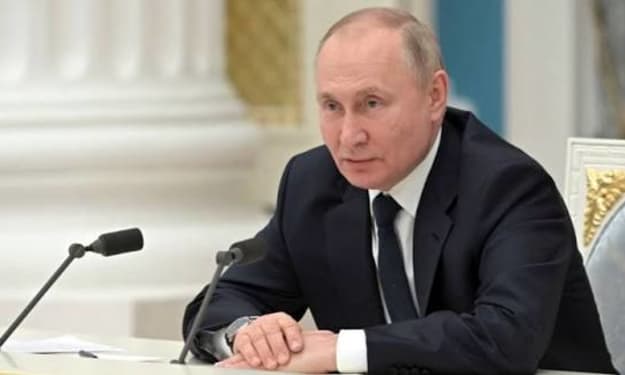
In the midst of Russia’s ongoing war in Ukraine, an often-overlooked dynamic is quietly shaping the nation’s internal landscape: the Kremlin’s intricate management of its billionaires. While Western sanctions target Russian wealth and business elites face mounting international scrutiny, Vladimir Putin has skillfully ensured that the country’s wealthiest citizens remain largely loyal—or at least publicly silent. Russia’s billionaires, who collectively control a significant portion of the nation’s economic and industrial might, occupy a precarious position. They are powerful enough to influence markets and investment flows, yet vulnerable to state pressure. During the war, many have chosen—or been compelled—to align their public stance with Kremlin interests, revealing the complex interplay between wealth, influence, and survival in Putin’s Russia. Wealth Under Watchful Eyes In Russia, wealth does not automatically equate to freedom. Oligarchs who amassed fortunes in the 1990s and early 2000s operate in a political ecosystem tightly overseen by the state. Since the beginning of the Ukraine war, those with significant holdings have faced increased pressure to demonstrate loyalty. The Kremlin has used a combination of incentives and implicit threats, ensuring that major business figures continue to fund state-friendly initiatives and refrain from dissent. The rewards for compliance are substantial. Those who toe the line maintain access to lucrative state contracts, preferential loans, and the opportunity to expand their businesses domestically and abroad. Conversely, defiance can result in punitive measures, including freezing of assets, legal investigations, and, in extreme cases, exile or arrest. This system of reward and threat has cultivated a culture of silence among Russia’s elite. The Quiet Compliance of the Oligarchs High-profile Russian billionaires such as Roman Abramovich, Alisher Usmanov, and others have largely avoided public criticism of the war. Some have stepped back from international dealings to minimize scrutiny, while others have made token statements in support of state initiatives. The message is clear: in Putin’s Russia, wealth must be accompanied by silence—or at least a carefully curated public image that avoids confrontation with the state. For many, this compliance is not merely pragmatic—it is survival. The fate of former oligarchs who have fallen afoul of Kremlin interests, such as Mikhail Khodorkovsky, serves as a stark reminder of the risks involved. The billionaires’ loyalty is not always enthusiastic; often, it is a calculated choice to protect their businesses, families, and international positions. Impact on Russia’s Economy and the War Effort The alignment of the wealthy elite has had a profound impact on Russia’s war effort. Oligarch-controlled industries, including energy, manufacturing, and finance, continue to function under state oversight, providing critical resources and revenue streams for the Kremlin. This economic backbone allows Russia to sustain military operations despite heavy sanctions and international isolation. Moreover, the silence of billionaires helps reinforce the Kremlin’s narrative domestically. By maintaining a united front among the wealthy elite, Putin reduces visible dissent that could inspire broader societal opposition. The perception of elite support—real or staged—bolsters the image of stability, even amid economic hardship and growing international pressure. The International Response Western governments have attempted to disrupt this dynamic by targeting Russian oligarchs with sanctions, travel bans, and asset freezes. While some billionaires have been affected, many have found creative ways to circumvent restrictions through proxy investments, foreign partnerships, or relocation of assets. This cat-and-mouse game demonstrates the limits of external pressure in altering domestic power structures, particularly in a state where wealth is deeply intertwined with political compliance. Looking Ahead The relationship between Russia’s billionaires and the Kremlin is a delicate one, shaped by mutual dependence and fear. As the war continues, this dynamic is likely to persist. While some oligarchs may seek subtle ways to protect their wealth internationally, most will continue to prioritize survival over activism. Putin’s ability to maintain this control reflects the enduring power of the Russian state to align interests, co-opt influence, and enforce compliance through both incentive and intimidation. In essence, Russia’s billionaires remain rich, but voiceless. Their fortunes are protected, but only so long as they adhere to an unspoken social contract with the Kremlin. For observers abroad, this dynamic highlights a central truth about contemporary Russia: in Putin’s vision, loyalty outweighs wealth, and silence is often the most valuable currency.
By Fiaz Ahmed Brohiabout a month ago in The Swamp
Germany: Drones Disrupt Air Traffic in Hanover. AI-Generated.
Hanover, Germany – Air travel in Hanover faced unexpected disruption as drones reportedly entered restricted airspace near the city’s airport, forcing authorities to halt several flights. The incident underscores the growing challenges posed by unmanned aerial vehicles (UAVs) and their potential impact on civil aviation safety. According to reports from the Hanover Airport authority, multiple drones were spotted near flight paths, triggering immediate air traffic alerts. For safety reasons, air traffic controllers decided to suspend takeoffs and landings until the situation could be assessed. Passengers experienced delays, and some flights were redirected to nearby airports. The Federal Aviation Office (Luftfahrt-Bundesamt, LBA) confirmed that drone activity in restricted zones is strictly prohibited. “Unauthorized drones in controlled airspace pose serious safety risks,” an official statement read. “We are working closely with law enforcement to identify the operators and prevent future incidents.” The disruption lasted for nearly two hours, affecting domestic and international flights. Airport officials emphasized that no accidents occurred, and all passengers were safely managed. However, the incident has ignited debates on the effectiveness of drone regulations and enforcement mechanisms in Germany. The Rise of Civilian Drones and Airspace Risks The popularity of drones has surged in recent years, fueled by recreational use, photography, and commercial applications. While drones offer innovative opportunities, they also create unforeseen risks, particularly near airports. Unauthorized UAV flights can interfere with aircraft navigation systems, posing dangers to pilots and passengers alike. The Hanover disruption is not an isolated case. Across Europe, airports have reported near misses and temporary closures due to drone intrusions. The European Union Aviation Safety Agency (EASA) estimates that thousands of drones are flown in Europe daily, making enforcement a complex challenge. Experts argue that drone technology has outpaced regulatory frameworks. Many hobbyist pilots are unaware of the strict rules governing flight near airports. In response, aviation authorities are emphasizing public awareness campaigns and stricter penalties for violations. Authorities Respond German police deployed specialized units to monitor airspace and identify drone operators. Drones found in restricted zones can be confiscated, and operators may face fines or legal action. In this Hanover incident, authorities confirmed that investigations are ongoing, and potential legal consequences could include hefty fines or imprisonment. In addition, technology solutions are being explored to counter drone threats. Anti-drone systems, such as radar detection, GPS jamming, and drone capture devices, are being tested at several European airports. However, experts caution that technology alone cannot fully eliminate risks, and public cooperation remains essential. Implications for Travelers Passengers traveling through Hanover were significantly affected by the disruption. Airlines advised travelers to check flight status online before heading to the airport. The incident highlights the importance of real-time communication between aviation authorities, airlines, and passengers during emergencies. Frequent flyers have expressed concerns about air safety, noting that even brief drone sightings can lead to serious consequences. “It’s alarming to think that a small device can halt major airport operations,” said a passenger waiting for a delayed flight. “Authorities must act fast to ensure safety and prevent repeated incidents.” Looking Ahead The Hanover drone disruption adds to a growing list of challenges faced by modern aviation. As drone technology becomes more accessible, airports and regulators must adapt quickly to protect airspace integrity. Enhanced regulations, robust detection systems, and public education campaigns are key measures to prevent future disruptions. Moreover, incidents like these raise broader questions about integrating UAVs safely into crowded airspace. Collaboration between government authorities, aviation experts, and drone manufacturers is essential to balance innovation with safety. Germany’s aviation sector has long been a model of efficiency and safety, but the rise of civilian drones presents a new frontier of challenges. The Hanover incident serves as a cautionary tale, emphasizing the need for proactive strategies to ensure that air travel remains safe, timely, and secure in an increasingly drone-populated sky. Key Takeaways: Drone sightings near Hanover Airport disrupted flights and grounded air traffic. Authorities are investigating the incident and may pursue legal action against operators. Increased public awareness, technology solutions, and strict enforcement are essential for aviation safety. Travelers are urged to monitor updates, as drone-related disruptions could become more frequent if regulations are not strictly enforced.
By Fiaz Ahmed Brohiabout a month ago in The Swamp
UAE to Buy Stake in the Company Which Bought Shares in PIA: What It Means for Pakistan’s Aviation Future. AI-Generated.
Pakistan International Airlines (PIA), once regarded as one of Asia’s finest carriers, has long struggled with financial losses, operational inefficiencies, and declining global reputation. In recent years, Pakistan’s government has actively pursued privatization and foreign investment to revive the national airline. Now, a new development has sparked fresh debate and cautious optimism: the United Arab Emirates (UAE) is reportedly planning to buy a stake in the company that recently acquired shares in PIA. This layered investment move may seem indirect, but experts believe it could carry significant implications for Pakistan’s aviation sector, foreign investment climate, and regional economic ties. Understanding the Deal Structure Rather than purchasing shares in PIA directly, the UAE is considering buying a stake in the company that already holds PIA shares. This strategy allows investors to reduce direct exposure while still influencing outcomes through strategic partnerships. It also reflects the complexity surrounding PIA’s ownership, liabilities, and restructuring process. For Pakistan, this move suggests that foreign confidence is slowly returning, albeit cautiously. Instead of an outright takeover, the UAE appears interested in a gradual, calculated entry—one that allows observation, influence, and risk management. Why the UAE Is Interested The UAE has long been a major player in global aviation. Home to world-class airlines, logistics hubs, and airport infrastructure, the country understands the strategic value of air connectivity. Pakistan’s geographical position—linking South Asia, Central Asia, the Middle East, and China—makes PIA an attractive long-term asset despite its current struggles. Moreover, Pakistan has one of the largest overseas diasporas, particularly in the Gulf. A revitalized PIA could strengthen travel routes, cargo services, and tourism flows between the two countries. By investing indirectly, the UAE gains strategic leverage without immediate operational responsibility. Implications for PIA’s Revival If finalized, this investment could bring more than just capital. Analysts believe it may open doors to: Improved governance and oversight Operational reforms inspired by Gulf aviation models Enhanced credibility for future foreign investors Potential technical partnerships or management advisory roles PIA desperately needs restructuring—not just financially, but operationally. Fleet modernization, route optimization, and service quality upgrades are essential. UAE involvement, even at one remove, could accelerate these changes by applying pressure for international standards. What It Signals to Global Investors The move sends a strong signal to international markets: Pakistan is open for business, even in complex sectors like state-owned enterprises. Foreign investors often wait for a “confidence leader”—a credible first mover whose involvement lowers perceived risk. The UAE’s interest could play exactly that role. This could encourage investors from Europe, Asia, and the Middle East to explore opportunities in Pakistan’s aviation, logistics, and infrastructure sectors. However, sustained confidence will depend on transparency, regulatory consistency, and political stability. Concerns and Criticism Despite optimism, critics warn that indirect investments can limit accountability. Since the UAE would not be a direct shareholder in PIA, its ability—or willingness—to push deep reforms may be constrained. There are also fears that strategic national assets could be influenced without sufficient public oversight. Additionally, labor unions and aviation experts stress that privatization without worker protection and service guarantees could worsen conditions rather than improve them. Any reform must balance commercial viability with national interest. A Test Case for Pakistan’s Economic Direction This potential UAE stake is more than a business transaction—it is a test of Pakistan’s broader economic strategy. Can the country attract serious investors while safeguarding sovereignty? Can it reform legacy institutions without repeating past mistakes? If managed transparently and strategically, this deal could mark a turning point for PIA and Pakistan’s aviation industry. If mishandled, it risks becoming another missed opportunity. Looking Ahead While details remain under discussion, one thing is clear: PIA’s future is once again on the global radar. The UAE’s interest—though indirect—adds momentum to long-stalled reform efforts. For passengers, workers, and the wider economy, the coming months may prove decisive. Whether this move leads to genuine revival or remains a symbolic gesture will depend on execution, governance, and political will. For now, cautious optimism seems justified—but only time will tell if PIA can truly reclaim its wings.
By Fiaz Ahmed Brohiabout a month ago in The Swamp
Russia–Ukraine War: List of Key Events, Day 1,403. AI-Generated.
As the Russia–Ukraine war reaches day 1,403, the conflict shows no signs of resolution. What began as a full-scale invasion in February 2022 has evolved into one of the longest and most complex wars in modern European history. Each passing day adds new layers of military, political, and humanitarian consequences, reshaping global alliances and security calculations. Day 1,403 highlights how entrenched the conflict has become—and how its ripple effects continue far beyond the battlefield.
By Fiaz Ahmed Brohiabout a month ago in The Swamp
It’s Frightening”: How the Far Right Is Infiltrating Everyday Culture. AI-Generated.
In recent years, the far right has moved beyond the margins of politics and into the routines of daily life. What once appeared as fringe ideology—confined to obscure forums or extremist rallies—now seeps quietly into music playlists, fitness communities, online humor, fashion trends, and even self-help language. This normalization is what makes the phenomenon so unsettling. The far right no longer always announces itself with flags and slogans; instead, it blends in, borrowing the aesthetics and anxieties of modern culture to gain influence without immediate detection. One of the most powerful tools in this cultural infiltration is the internet, particularly social media platforms that reward provocation and emotional engagement. Algorithms do not promote ideology; they promote attention. Far-right content creators have learned to package their ideas in ways that trigger curiosity, outrage, or a sense of belonging. Short videos, memes, and ironic jokes often act as gateways, introducing themes of grievance, victimhood, or superiority without explicit political messaging. For many users—especially young people—this content feels less like propaganda and more like edgy entertainment. Fitness and “self-improvement” spaces have become another unexpected entry point. Online communities centered on discipline, masculinity, productivity, or “high value” lifestyles sometimes slip into narratives that glorify dominance, rigid gender roles, and cultural hierarchy. While self-improvement itself is not extremist, far-right actors exploit these spaces by framing social inequality as a natural order and presenting empathy or diversity as weakness. The message is subtle but persistent: strength belongs to a chosen few, and society has been corrupted by outsiders. Music and fashion also play a role in this quiet shift. Certain styles, symbols, and slogans—often stripped of their historical context—are reintroduced as rebellious or countercultural. What appears to be a harmless aesthetic choice can carry coded meanings recognized within extremist circles. This ambiguity provides plausible deniability while allowing adherents to identify one another. The result is a form of cultural camouflage, where ideology hides in plain sight. Humor is perhaps the most effective vehicle of all. Irony and satire can disarm criticism, making extreme ideas seem harmless or “just a joke.” When challenged, creators often retreat behind humor as a shield, accusing critics of being overly sensitive or humorless. Over time, repeated exposure to such jokes can desensitize audiences, gradually shifting the boundaries of what feels acceptable to say or think. What starts as laughter can end as belief. The far right’s infiltration of everyday culture is also fueled by genuine social and economic anxieties. Rising living costs, job insecurity, rapid cultural change, and political distrust create fertile ground for simplistic explanations and scapegoats. Extremist narratives thrive by offering clear villains and easy answers, even when reality is complex. By embedding these narratives in lifestyle content rather than overt political speeches, they become more emotionally resonant and harder to reject outright. This trend is frightening not only because of what it promotes, but because of how quietly it works. Cultural influence shapes values long before laws or elections do. When extremist ideas become normalized through entertainment, fashion, or motivational talk, they can erode empathy and democratic norms without triggering immediate alarm. People may find themselves agreeing with fragments of an ideology before recognizing its full implications. Yet awareness is the first step toward resistance. Media literacy—understanding how content is framed, shared, and monetized—can help individuals recognize manipulation. Asking simple questions such as “Who benefits from this message?” or “What assumptions are being smuggled in?” can disrupt the passive consumption that extremist movements rely on. Equally important is creating and supporting alternative cultural spaces that promote inclusion, critical thinking, and nuance without sacrificing creativity or appeal. The infiltration of the far right into everyday culture is not inevitable, nor is it unstoppable. Culture is dynamic, shaped daily by millions of choices—what we watch, share, wear, and celebrate. Recognizing the subtle ways ideology travels allows society to push back, not with fear, but with clarity and confidence. In a time when ideas spread faster than ever, vigilance is not paranoia; it is a necessary form of cultural self-defense.
By Fiaz Ahmed Brohiabout a month ago in The Swamp
Russia launches air attack on Kyiv as Zelenskyy prepares for crucial Trump meeting. AI-Generated.
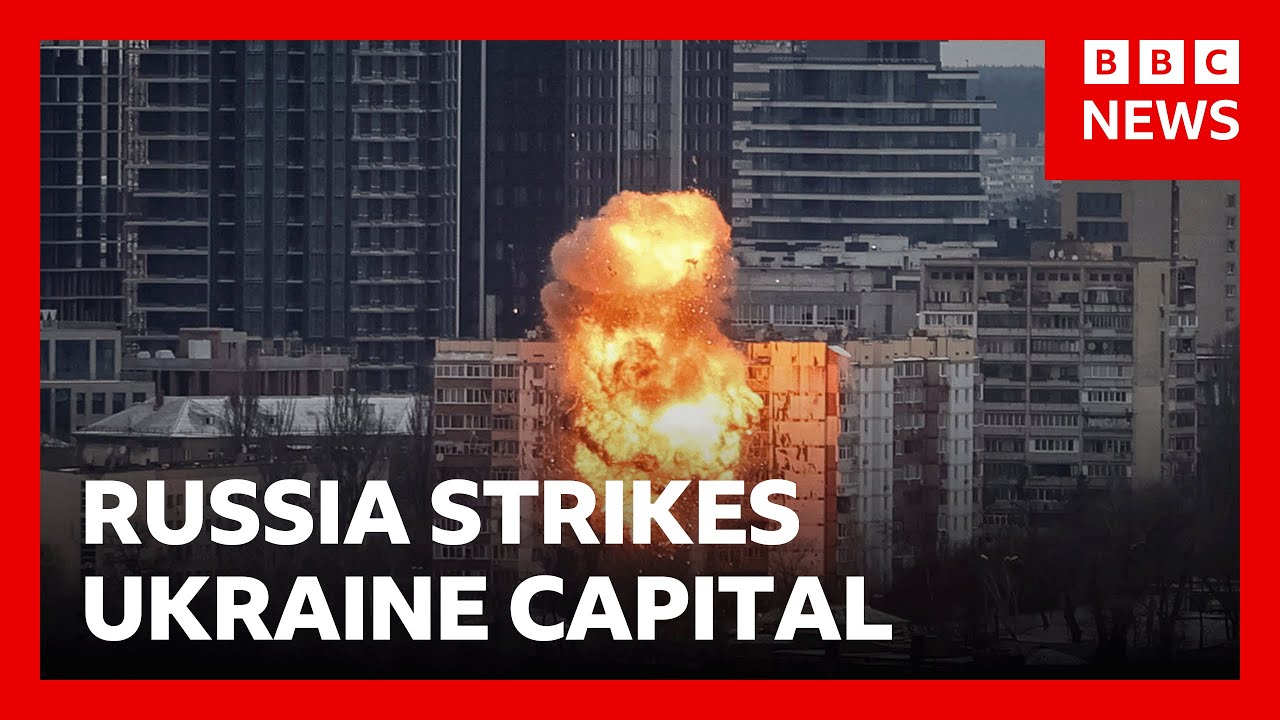
In recent days, Ukraine’s capital city, Kyiv, has once again come under heavy air attack from Russia. Drones and missiles were launched toward the city and surrounding regions, shaking buildings, damaging infrastructure, and sending residents into shelters. These attacks didn’t just cause fear and destruction — they also came at a very sensitive political moment. Ukrainian President Volodymyr Zelenskyy is preparing for an important meeting with U.S. President Donald Trump, and the timing has drawn attention from leaders and media around the world.
By sehzeen fatimaabout a month ago in The Swamp
Trump's ‘Bomb Magnet’ Fleet Could ‘Never Sail’ and Waste Billions of Dollars: Experts. AI-Generated.
A controversial naval vision associated with former U.S. President Donald Trump is once again under fire, with defense experts warning that the so-called “bomb magnet” fleet could end up draining billions of dollars without ever proving useful in real combat. The concept, rooted in Trump-era rhetoric about restoring American military dominance, is now being criticized as strategically flawed, technologically risky, and financially unsustainable.
By Aadil shanawarabout a month ago in The Swamp
Malaysian MPs Rally Behind Bangladeshi Hindus, Seek Visa Curbs After Lynching Incident. AI-Generated.
In a rare show of bipartisan concern cutting across ideological lines, several Malaysian Members of Parliament have voiced strong support for Bangladesh’s Hindu minority following a disturbing lynching incident that sent shockwaves across South Asia. The incident, widely circulated on social media and reported by international rights groups, has reignited debates on religious intolerance, minority protection, and cross-border accountability. Malaysian lawmakers are now calling for tighter visa regulations on Bangladeshi nationals until Dhaka demonstrates concrete steps to safeguard its minority communities.
By Aadil shanawarabout a month ago in The Swamp