
Why is my dog reactive to only some dogs?
Not all dogs set off your pup’s inner alarm—just some. Ever wonder why your usually chill companion turns into a barking lunatic only when certain dogs pass by? It’s not random. It’s not bad behavior. It’s communication—and often a cry for help, rooted in fear, history, instinct, or confusion. This post dives deep into the real reasons behind selective dog reactivity, how to decode your dog’s signals, and what you can actually do about it. Because understanding your dog’s outbursts is the first step toward calmer walks, better focus, and a more peaceful relationship—for both of you.
Let’s get real for a second.
You’re walking your dog. It’s a sunny morning. You’ve got your coffee in one hand, leash in the other, and you’re proud of how calm your dog is today. Then—bam. A dog appears on the trail.
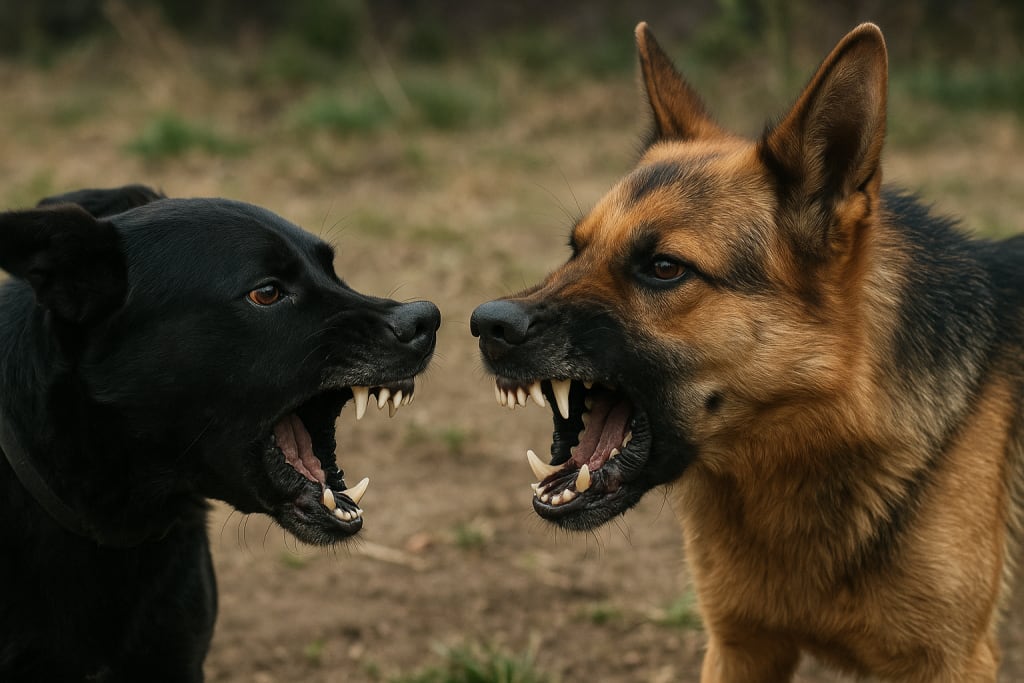
Your dog snaps. Barking. Lunging. Hackles raised. Total Jekyll and Hyde moment.
And here’s the kicker: five minutes ago, your dog calmly sniffed another dog’s butt like a diplomat. So why does your dog go full gremlin mode on some dogs, but not others?
Welcome to the mystery of selective dog reactivity.
You're not alone. As a dog trainer who's worked with more canines than you’ve had bad Tinder dates, I’ll tell you this: reactivity is common, confusing, and 100% manageable—when you know what’s really going on.
What Is Dog Reactivity, Exactly?
The Basics of Reactivity
Dog reactivity isn’t the same as aggression. That’s mistake number one.
Reactivity is a big emotional response to a stimulus. In our case: another dog. This usually looks like:
- Barking
- Lunging
- Growling
- Whining
- Staring intensely
- Spinning or jumping on the leash
These behaviors aren’t bad—they’re a form of communication. But reactivity is like yelling in a library. It’s loud. It’s disruptive. And it makes everyone uncomfortable.
The “Selective” Part
So why does your dog only react to certain dogs?
You might hear people say, “Oh, dogs just don’t like certain other dogs.” While that’s not entirely false, it’s way more nuanced than just personality clashes.
There’s always a reason. Dogs aren’t random. Let’s unpack the most common ones.
1. Early Socialization: First Impressions Matter
Your Dog’s Childhood Shapes Everything
You know those kids who were homeschooled until high school and then got thrown into a public school cafeteria? Yeah. That’s your under-socialized dog.
If your dog didn’t meet a wide variety of dogs before 14 weeks of age, their social blueprint is incomplete.
- Maybe they only met small dogs.
- Maybe they were bullied at the dog park.
- Maybe they missed the socialization window entirely.
Dogs Remember Negative Encounters
A bad experience with a large dog when they were 6 months old? That memory sticks.
Your dog might not hate all dogs—just the ones that look or move like the one that scared them years ago. It’s called trigger generalization.
If your dog reacts to black Labs but not golden retrievers, you’re seeing memory-based reactivity at work.
What to Do
- Work on positive associations with calm, friendly dogs.
- Start at a distance where your dog doesn’t react.
- Pair the sight of the other dog with high-value treats.
- Gradually decrease distance.
Socialization never stops. But you need to be the architect now.
2. Fear-Based Reactivity: Defense Mode Activated
Fear is the Root of Many Problems
Most reactivity is fear-driven. It’s not your dog trying to be the tough guy—it’s your dog saying, “I’m uncomfortable, don’t come closer.”
They react before they feel threatened. It’s called preemptive defense.
They’re trying to protect themselves because, somewhere in their history, another dog made them feel unsafe.
Common Fear Triggers:
- Large or muscular breeds
- Unpredictable puppies
- Fast-moving dogs
- Dogs that stare too long
Sometimes it’s not about the dog—it’s about how that dog makes your dog feel.
What to Do
- Teach your dog the Look at That (LAT) game.
- Use a marker (like “yes!”) when your dog sees another dog but stays calm.
- Reward heavily. Praise like you’re their biggest fan.
- Create predictability with routines and boundaries.
Remember: Confidence is built one good experience at a time.
3. Body Language Confusion: Mixed Signals = Trouble
Dogs Speak Fluent Body Language
If your dog could write a Yelp review, it would be all about posture.
Dogs analyze:
- Tail position
- Ear direction
- Gait (fast/slow/confident)
- Eye contact
One wrong signal and things get awkward fast.
Some dogs just give off “weird vibes.” Maybe they’re stiff. Maybe they move erratically. Your dog notices these things faster than you do.
Examples:
- A dog that runs straight up to sniff faces: rude.
- A dog that stares without blinking: threatening.
- A nervous dog that freezes: suspicious.
Your dog might just be reacting to poor communication—or over-communication.
What to Do
- Be your dog’s translator. Don’t force interactions with weirdly behaving dogs.
- Train calm leash manners using counter-conditioning.
- Allow distance. Don’t punish your dog for choosing to avoid.
4. Genetics and Breed Tendencies: Nature Counts
Some Breeds Are More Likely to React
Let’s be honest. Some dogs come with a bit more spice in their DNA.
- Herding breeds (Border Collies, Heelers): sensitive to motion
- Guarding breeds (GSDs, Rotties): protective
- Terriers: quick to react, strong prey drive
- Bully breeds: body language misinterpreted
This doesn’t mean these breeds are bad—it just means they process the world differently.
Example
Your Australian Shepherd might bark like it’s their job—because, in their mind, it is. That’s how they control movement and situations.
Understanding your dog’s genetic wiring helps you work with them, not against them.
What to Do
- Channel breed instincts in healthy ways (herding games, scent work).
- Set up clear boundaries.
- Use mental enrichment to reduce overall stress.
Dogs with purpose are calmer dogs.
5. Leash Reactivity: “I Feel Trapped!”
Why Dogs React More on Leash
Off-leash, dogs use space and body movement to communicate.
On-leash, they’re stuck. Can't leave. Can’t move freely. So what do they do?
They explode.
Leash reactivity is often frustration layered on top of fear. Your dog wants to interact or escape—but they can’t. So they lunge.
The Frustrated Greeter
Some dogs aren't fearful—they're just super excited. But they don’t know how to contain it, so they look like little maniacs. This is over-arousal.
What to Do
- Use a front-clip harness or head halter for control.
- Teach focus and engagement.
- Reward calm behavior, ignore frantic pulling.
- Avoid dog-dense areas until your dog is better at checking in.
6. Past Trauma or Negative Associations
Trauma Sticks
You might not even know your dog has trauma. Shelter dogs? Rescues? Street dogs? Their past is a locked journal.
They may have been:
- Attacked
- Chased
- Fought with other dogs for food
- Punished for reacting
Their reactivity isn’t random—it’s self-preservation.
Dogs Don’t Forget—But They Can Heal
Healing a traumatized dog is slow work. But it’s holy work.
It’s about rebuilding trust in the world, one peaceful walk at a time.
What to Do
- Ditch punishment.
- Focus on calm, predictable routines.
- Offer choices—don’t force them to interact.
7. Health Issues and Pain-Related Reactivity
Pain Changes Personality
If your dog was fine last month but is suddenly reactive, check their body. Fast.
Dogs hide pain. But they’ll lash out if another dog bumps their sore hip or touches a tender ear.
Common Conditions That Cause Reactivity:
- Arthritis
- Hip/elbow dysplasia
- Dental pain
- Skin infections
- Ear issues
What to Do
- Visit your vet.
- Rule out physical causes before starting behavior work.
- Respect their space until they’re feeling better.
8. Hormones and Maturity
Adolescence = Chaos
If your sweet puppy turned reactive around 6–12 months, congratulations: you’re parenting a teenager.
Dogs go through hormone spikes, independence phases, and confidence dips. Just like humans.
This “second fear period” often causes new reactivity—even toward dogs they used to like.
What to Do
- Stay consistent with training.
- Don’t label them aggressive.
- Focus on structured, positive dog-dog experiences.
- This phase passes—but only if you guide them through it.
9. Environment and Context Triggers
Sometimes It’s Not the Dog—It’s the Situation
Your dog might be fine at home but reactive at the vet, or chill at the park but snappy on a leash walk.
Context matters.
Stress stacks. If your dog is tired, overstimulated, or hungry, they're more likely to overreact.
What to Do
- Track patterns. Time of day? Location? Type of dog?
- Adjust routines. Avoid stacked stress days.
- Use decompression walks (sniffari-style) to reset.
Summary: The Root of Reactivity Is Understanding
Let me give it to you straight:
Your dog isn’t broken.
They’re not mean. They’re not dangerous. They’re trying to cope the only way they know how.
Selective reactivity is communication gone wrong. It’s fear, confusion, overexcitement, pain, or bad memories shouting out loud.
You’re the one who can help translate.
Conclusion: Your Calm Dog Is In There
Training a reactive dog isn’t a sprint. It’s a hike. Uphill. With a heavy backpack. But the view is worth it.
Start with understanding. Add consistency. Mix in empathy. And don’t be afraid to ask for help from a qualified trainer.
Every calm look.
Every peaceful pass.
Every non-reaction.
Those are wins. Celebrate them.
Because the real truth? Most reactive dogs become the most loyal, connected, and responsive companions—once they learn they can trust the world again.
So, ask not: “Why is my dog reactive?”
Ask: “How can I help my dog feel safe enough not to be?”
And that’s where the real training begins.
Thanks for your reading.
About the Creator
Off the Leash: The Essential Gear Guide for Adventurous Dogs
There’s something wildly freeing about unclipping the leash and letting your dog move the way they were built to. If you’re hiking in areas that truly allow off-lead exploration, your gear list shifts. No harness. No leash dragging through dust. Instead, it’s about smart, lightweight essentials that keep your dog safe, hydrated, and easy to manage when adventure gets messy. Long walks off lead are less about control and more about preparation.
By Shabbir Ahmad4 days ago in Petlife



Comments
There are no comments for this story
Be the first to respond and start the conversation.