
How to stop leash pulling in 5 minutes
Have you ever felt like your dog is the one walking you instead of the other way around? You’re not alone! Leash pulling is one of the most common struggles for dog owners. But don’t worry—while lasting change requires consistent training, some quick, 5-minute hacks can make a big difference. Let’s explore how to reclaim peaceful walks and enjoy the bond you and your dog deserve.


Why Dogs Pull on the Leash
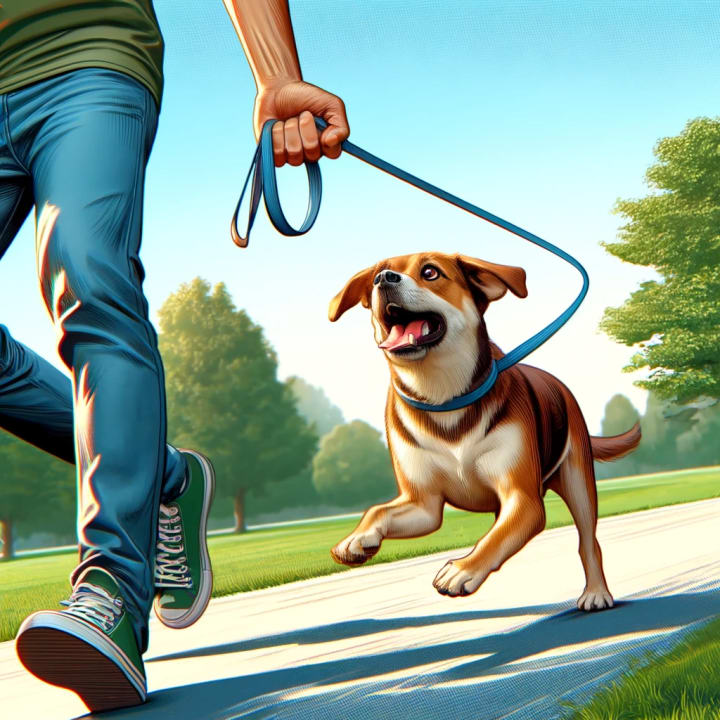
Before we jump into solutions, it’s important to understand why your dog pulls. Addressing the root cause helps you create a training plan that actually works. Dogs aren’t trying to frustrate you—they’re acting on instinct, excitement, or lack of training.
Common Reasons for Leash Pulling
1. Excitement Overload

Your dog might be so thrilled to explore that they simply can’t contain themselves. They pull to get to the sights, smells, and sounds faster.
2. Frustration
Leashes can feel restrictive, and pulling is your dog’s way of trying to gain more freedom.
3. Instincts from Wolf Ancestors

Dogs inherited their wolf ancestors’ instincts to take charge on walks. In the wild, the pack leader leads, and if your dog doesn’t sense a leader, they’ll step into that role.
4. Lack of Training
Many dogs have never been taught the right way to walk on a leash. Without proper guidance, pulling becomes their default behavior.
5. Medical Issues

Sometimes, pulling can be a sign of discomfort or pain. If your dog’s pulling behavior is sudden or extreme, it’s worth consulting your vet.
The Impact of Leash Pulling
Leash pulling isn’t just annoying—it can have serious consequences for both you and your dog.
For Your Dog:

- Physical Discomfort: Constant pulling can strain their neck, trachea, and joints, potentially leading to injuries.
- Missed Training Opportunities: A dog that’s focused on pulling isn’t learning how to walk politely or bond with you.
- Increased Frustration: If your dog feels restricted and unable to explore, walks become less enjoyable for them.
For You:

- Physical Strain: Leash pulling is exhausting, especially if you have a large or strong dog.
- Stress and Frustration: A tug-of-war on the leash can make you dread walks, which should be a highlight of the day.
- Safety Risks: If your dog pulls suddenly or too hard, it increases the risk of accidents for both of you.
Understanding these consequences can motivate you to take control and turn walks into a pleasant experience for both ends of the leash.
5-Minute Steps to Stop Leash Pulling
Step 1: The Stop & Go Method

This hack is simple but effective. When your dog starts pulling, stop immediately. Don’t yank back or yell—just stand still. Wait until the leash slackens, then reward your dog with a treat and continue walking. The goal is to teach them that pulling gets them nowhere, while walking calmly leads to praise and rewards.
Think of it as a gentle cause-and-effect lesson. It requires patience, but the results are worth it.
Step 2: Change Direction

When your dog charges ahead, suddenly change direction. Walk in the opposite direction, encouraging your dog to follow. This disrupts their momentum and forces them to focus on you.
Pro tip: Toss a high-value treat in the new direction to make it even more appealing. Over time, your dog will learn to pay closer attention to your movements instead of forging ahead.
Step 3: Reward Calm Walking
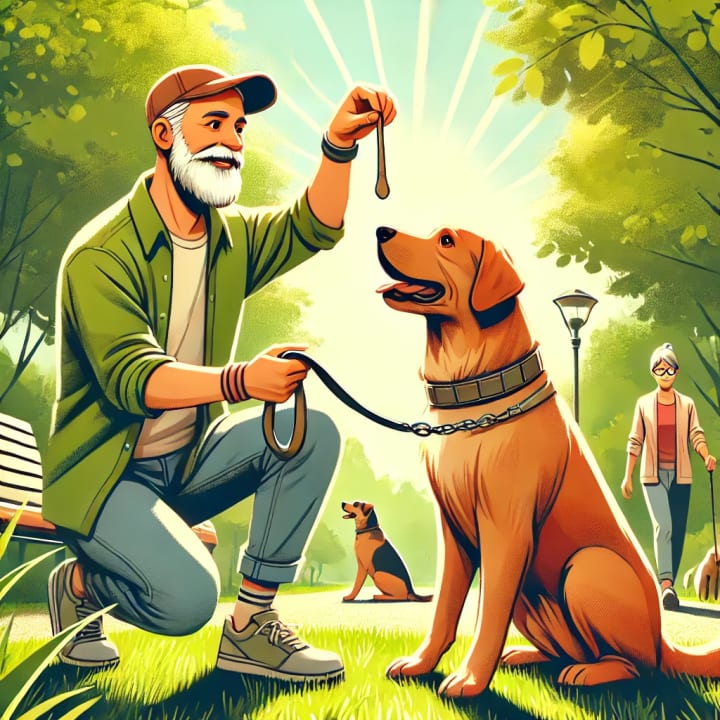
Positive reinforcement is your best friend. Pay close attention to your dog during the walk. The moment the leash is slack, praise them and offer a treat.
Dogs are quick learners—they’ll start associating loose leash walking with rewards and good vibes. Consistency is key here, so don’t let pulling go unnoticed or unaddressed.
Step 4: Use Your Body Language

Dogs are experts at reading human body language. If you’re tense, frustrated, or rushing, they’ll pick up on it and might become even more excitable. Instead, walk with confidence and calm energy.
A short leash can help you maintain better control without yanking or jerking, which can make pulling worse. Choose a comfortable, front-clip harness for maximum control and minimal discomfort for your dog.
Step 5: Keep Walks Short and Sweet
If you’re overwhelmed by your dog’s pulling, start with short, manageable walks. A 5-10 minute stroll is enough to practice these techniques and build good habits.
As your dog improves, gradually increase the length and complexity of your walks. Small victories lead to big successes over time.
Beyond Hacks: Building a Stronger Connection

While quick fixes can help in the moment, long-term change comes from deeper training and connection. Leash pulling often stems from a lack of clear leadership, so it’s essential to establish yourself as the leader in all aspects of your dog’s life—not just during walks.
Step-by-Step Training for Loose Leash Walking
1. Start Indoors
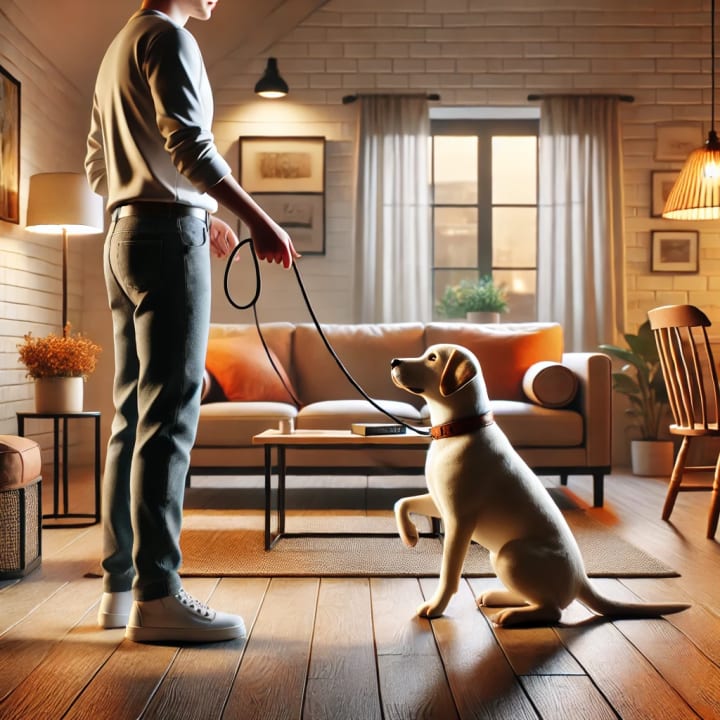
Begin leash training in a low-distraction environment like your living room or backyard. Practice walking calmly with a loose leash, rewarding your dog for staying by your side.
2. Gradual Progression
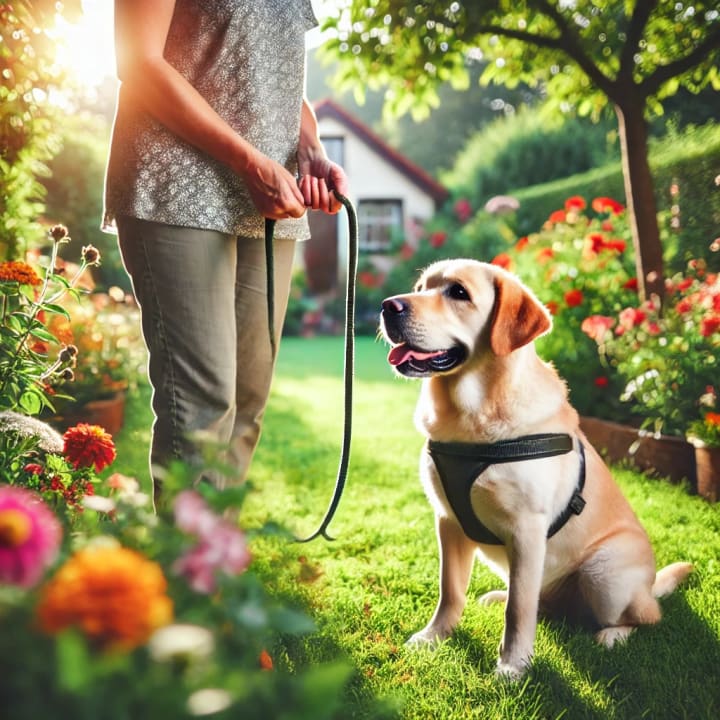
Once your dog masters indoor walking, move to quiet outdoor areas. Gradually increase distractions as your dog improves, but always set them up for success.
3. Consistent Cues
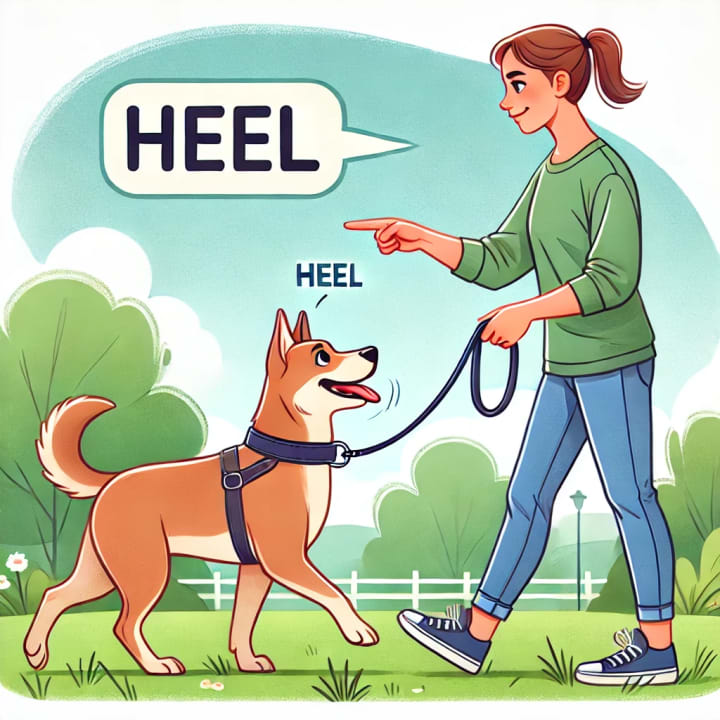
Use a clear verbal cue like “heel” or “with me” to signal your expectations. Be consistent with your commands and body language to avoid confusing your dog.
4. Lure-Walking for Focused Pups
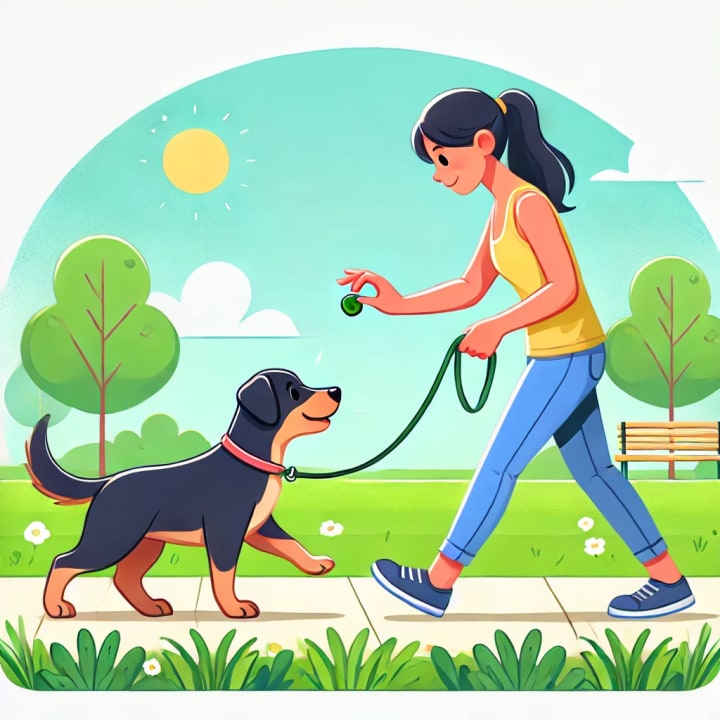
If your dog struggles to stay beside you, try lure-walking. Hold a treat just ahead of their nose to guide them into the correct position. Gradually reduce treats as they learn to walk politely without constant rewards.
Troubleshooting Common Challenges
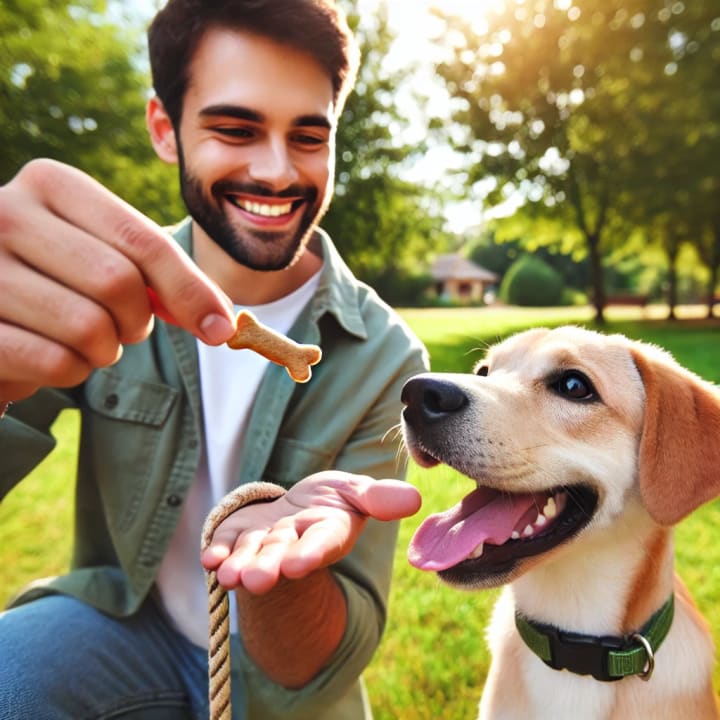
- Distractions: Use high-value treats to redirect your dog’s attention and practice in increasingly challenging environments over time.
- Regression: If your dog reverts to pulling, don’t panic. Go back to the basics and reinforce good behavior.
- Reluctance to Walk: Avoid forcing your dog. Instead, make walks fun and rewarding to build their confidence.
Choosing the Right Equipment

A comfortable harness can make a world of difference. A front-clip harness helps redirect pulling without putting pressure on your dog’s neck. Avoid chokers or prong collars, as they can cause pain and damage trust.
The Joy of Connected Walks
Leash walking is about more than just controlling your dog—it’s about building a bond. When you establish trust and leadership, walks become a shared experience rather than a battle.
Celebrate every small victory, and remember: progress takes time. With patience, consistency, and the right techniques, you’ll transform your dog from a leash puller into a perfect walking companion.
Ready to take the first step? Grab the leash, some tasty treats, and start your journey toward stress-free strolls. Your dog—and your shoulders—will thank you. 🐾




Comments
There are no comments for this story
Be the first to respond and start the conversation.