
How to stop a dog from chewing a wound
When your dog starts chewing or licking a wound, it can feel like a never-ending battle. This behavior, while instinctual, is often a coping mechanism for pain, discomfort, or even stress. Dogs naturally lick their wounds to soothe themselves, but excessive licking can lead to infection, delayed healing, and worse. Whether caused by external injury or self-inflicted stress, understanding why dogs chew on their wounds is the first step toward helping them heal. In this guide, we'll explore the reasons behind this behavior and offer practical solutions to stop it, ensuring your dog’s speedy recovery.

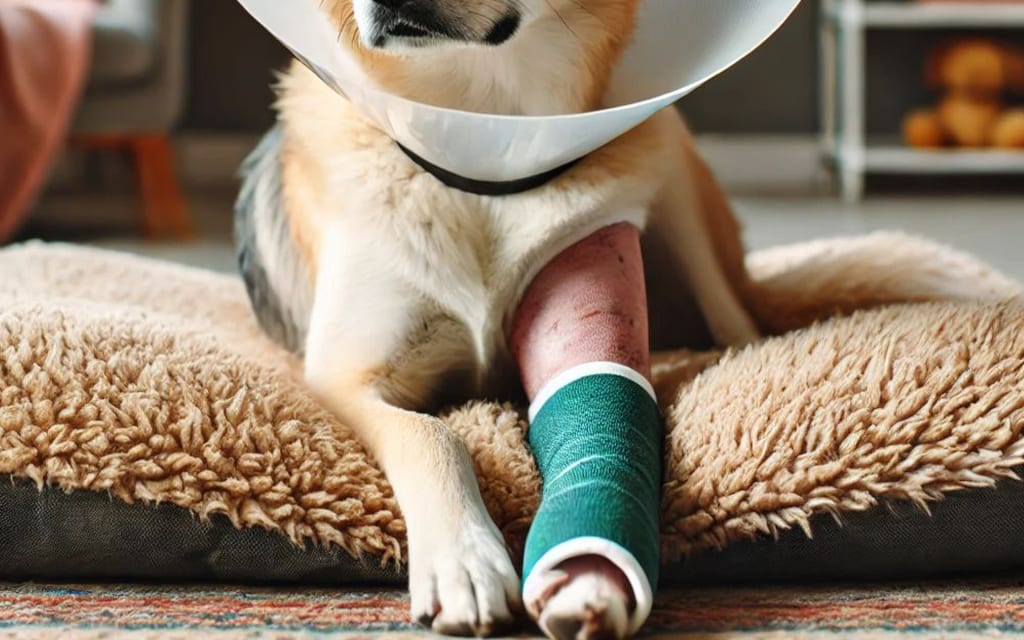
How to Stop a Dog from Chewing on a Wound: Understanding the Causes and Solutions
Ah, the joys of dog ownership. Your beloved pooch is running around, enjoying life like a carefree puppy—until, of course, they get a cut, scrape, or, in worst-case scenarios, some surgical stitches. What happens next? Your dog discovers that licking and chewing on that wound feels like a nice, soothing activity. And just like that, the healing process is delayed, and you're in a battle to stop your dog from chewing on a wound.
In this article, we’ll dive into why dogs do this (spoiler alert: it’s instinctive), the potential consequences of allowing them to continue, and the best strategies for getting this behavior under control. So, grab a cup of coffee and settle in—let’s tackle this issue, one paw at a time.
Why Do Dogs Lick and Chew on Wounds?
You’ve probably caught your dog licking or nibbling on a wound, wondering, "Why on earth are they doing this?" Well, let’s be real: dogs aren’t out there playing "Operation" on their own wounds with a steady hand. Instead, this behavior is deeply rooted in instinct.
The Natural Healing Instinct
Just like how humans rub their aching body parts after a stubbed toe, dogs instinctively lick their wounds to soothe the discomfort. It's part of their natural healing process. Dog saliva actually contains compounds that have mild antibacterial properties. These compounds help to clean the wound, kill bacteria, and reduce pain—kinda like nature's own antiseptic.
But, and here’s the big but—while some licking can be beneficial, the problem arises when the licking becomes obsessive. Too much licking can prevent the wound from healing properly, creating a breeding ground for bacteria and possibly leading to more significant infections. So, what can you do to stop your dog from chewing on a wound?
Self-Inflicted vs. External Causes: What’s the Source of the Wound?
Before jumping into solutions, it's crucial to figure out the root cause of your dog’s wound. Is it self-inflicted? Or did something external, like a bug bite or a scratch, create the problem? This distinction can help guide your next steps in dealing with the behavior.
Self-Inflicted Wounds
If your dog is causing the wound themselves—perhaps through obsessive licking or scratching—this could be a sign of something more significant, like separation anxiety, boredom, or stress. Just like some people bite their nails when anxious, dogs might chew on themselves as a coping mechanism. In these cases, addressing the underlying emotional or behavioral issue is key.
External Causes
If the wound is caused by something external, like a scrape or a bug bite, your dog may simply be trying to relieve the discomfort caused by the injury. It's their way of dealing with the pain. However, this can quickly turn into an issue if the wound doesn't get a chance to heal properly.
The Risks of Excessive Licking and Chewing
Alright, let’s talk consequences. A little licking here and there isn’t the end of the world, but excessive licking? That’s a problem. Dogs have rough tongues that can exacerbate the injury by irritating the surrounding skin. Plus, all that saliva introduces bacteria into the mix, which can lead to infections or slower healing.
Even worse, some dogs develop something called acral lick granulomas—large, irritated areas of skin that become harder to treat the longer the dog continues licking. What started as a tiny cut can escalate into a painful, long-lasting wound.
So, how do we break the cycle and prevent further damage?
How to Stop Your Dog from Chewing on a Wound: Practical Solutions
Option 1: The Classic Elizabethan Collar (E-Collar)
Ah, the cone of shame. As funny as it looks, the Elizabethan collar (or "E-collar") is an effective solution for preventing your dog from licking or chewing on their wounds. This plastic cone prevents your dog from reaching their injury with their mouth, giving it the time and space it needs to heal.
But here’s the catch—some dogs despise the E-collar, and some may even figure out ways to remove it. If that happens, don’t worry! You can try a DIY version at home using a bucket, cardboard, or even an ice cream container. Yes, it’s as wacky as it sounds, but sometimes it’s just enough to keep your dog from getting too creative.
Option 2: Bitter Sprays (Because Dogs Hate Tasting Bad Things)
If your dog’s wound is a bit more tricky and they’re really persistent, consider trying a bitter spray like Bitter Yuk! Trust me, your dog will remember the taste—and not in a good way. I’ve used this spray on my own dog, Kaiser, who developed a hot spot last summer. He started thinking about chewing the spot, but after a little encounter with the bitter taste, he quickly learned to leave it alone.
Pro tip: When using bitter sprays, make sure to cover the entire wound and surrounding area to ensure maximum effectiveness.
Option 3: Distractions to Keep Their Minds Occupied
Sometimes, the best remedy for a dog’s obsessive licking is simply distracting them. If the wound is on a limb or an area that’s difficult to cover, consider putting a t-shirt or boxers on your dog. Yes, boxers. It sounds odd, but many dog owners have used this simple solution to keep their dog from licking their wound.
And if your dog is still fixated on the wound? Engage them with toys, puzzles, or treats to keep their mind and mouth busy elsewhere. You can also teach your dog the "Leave It" command. This command, when used properly, can redirect their attention away from the wound and onto something more appropriate. It’s like giving them a mental workout to forget about the discomfort.
Option 4: Medical Products to Relieve Itchiness
If the reason your dog is licking is because they’re itchy, consult your vet for itch-relief products. They might recommend something like Benadryl, medicated shampoo, or a cortisone-based spray. These products can help reduce itching and make your dog feel more comfortable without the need to resort to licking.
Prevention and Long-Term Solutions: Keeping Your Dog Safe and Sane
Once you've gotten a handle on the immediate issue, it’s time to think about long-term prevention. If your dog is prone to getting injuries and then licking them obsessively, it might be worth implementing some lifestyle changes.
Mental Stimulation and Emotional Support
Dogs lick wounds as a coping mechanism for stress and boredom. If your dog’s licking behavior is tied to anxiety, it might be worth exploring ways to address their emotional needs. Providing mental stimulation through training or puzzle toys can help alleviate boredom, and reducing separation anxiety by gradually desensitizing your dog to your departures can go a long way in breaking the cycle of self-inflicted wounds.
Healthy Wound Care Routine
Always follow your vet’s instructions for wound care. This might include cleaning the wound with an antiseptic solution or changing dressings regularly. Keeping the wound clean, dry, and covered will help prevent further licking and speed up the healing process. Remember, your dog needs support during this healing journey, so be sure to pamper them with extra attention, but avoid engaging them in strenuous activities while they’re healing.
Conclusion: Healing Takes Patience and Care
So, the next time your dog is caught in the act of chewing on a wound, don’t panic. Yes, it’s frustrating, and yes, it may seem like your dog will never stop. But with the right tools, patience, and understanding of the root cause, you can guide your dog through the healing process successfully. Remember, stopping them from licking isn’t just about preventing irritation—it’s about giving their body the chance to heal properly. And with your help, that healing can happen faster and more effectively.
With the right approach, your dog will soon be back to their playful self—no more licking, no more chewing, and no more worrying. Just a happy, healthy pup, enjoying life to the fullest.
Thanks for your reading.
About the Creator
Helping Your Elderly Cat Who's Going Blind
When Your Cat Loses Its Sight It can be heartbreaking to watch your beloved kitty go blind. When my cat started to go blind, it was really hard to watch her bump into walls, not to mention the constant loud meowing, which made her sound like she was in excruciating pain. She wasn't. However, she was very confused and scared.
By Janis Masyk-Jacksona day ago in Petlife
Netherland Dwarf Rabbit: Lifespan, Care, Diet, Characteristics, & Facts
As everyone knows Netherland Dwarf rabbit is mid the most popular pet rabbit breeds because of its small body and active nature. Their activity and charming nature make them a pet that provides good friendship to many people.
By Rabbits Advisorabout 21 hours ago in Petlife
The Politics of Playing Dress-Up
Well, to start off I'd like to say a happy world book day to all who celebrate. I know I haven't really posted anything on my socials about it but I'm not a jubilant kind of person. I lay low most of the time. Let's start off with a popular anecdote from the vaults...
By Annie Kapur5 days ago in Geeks


Comments
There are no comments for this story
Be the first to respond and start the conversation.