
How to stop a dog panic attack at night
Is your dog struggling with nighttime anxiety, waking up trembling, panting, or whimpering? These distressing episodes can leave both you and your furry companion exhausted. Understanding the root causes and implementing effective solutions is key to helping your dog feel safe and secure at night. From creating a comfortable sleeping space to using calming techniques, this guide will equip you with practical strategies to ease your dog’s fears. With patience, consistency, and the right approach, you can help your pet overcome nighttime panic attacks and enjoy peaceful, restful nights.
How to Help Your Dog Overcome Nighttime Panic Attacks
If you've ever woken up to the sound of your dog trembling, whimpering, or panting uncontrollably in the middle of the night, you know how heartbreaking it can be. Watching your furry friend suffer from nighttime panic attacks is distressing, but the good news is that there are ways to help. Understanding the causes and implementing effective strategies can make a world of difference for both your dog’s well-being and your peace of mind.
Understanding Canine Nighttime Anxiety
Before we jump into solutions, it's important to understand why your dog might be experiencing these attacks. Nighttime anxiety in dogs can stem from several factors:
Common Causes of Nighttime Anxiety in Dogs
- Separation Anxiety: Dogs, especially those who have been adopted or haven't had proper socialization, may feel vulnerable when left alone at night. The silence and darkness can amplify their feelings of isolation.
- Underlying Medical Conditions: Health issues like hypothyroidism, arthritis, or cognitive dysfunction syndrome can cause pain or discomfort, leading to nighttime panic. A vet checkup is crucial to rule out any medical causes.
- Noise Sensitivity: Sudden loud noises from traffic, storms, or even distant fireworks can trigger panic in noise-sensitive dogs.
- Changes in Routine: Something as simple as a shift in your schedule, a new family member, or a different feeding time can make your dog anxious.
- Past Trauma: Dogs with a history of abuse or neglect may carry unresolved fears that surface during the quiet hours of the night.
Practical Strategies to Manage and Reduce Nighttime Anxiety
Once medical issues are ruled out, you can start implementing strategies to help your dog feel more secure and relaxed at night.
1. Create a Safe and Secure Sleeping Space
- Comfortable Bedding: Make sure your dog has a cozy bed in a quiet, dimly lit area. Some dogs feel safest in a crate, but it should always be introduced gradually and positively.
- Familiar Scents: A blanket or toy with your scent can provide comfort and reassurance.
- White Noise Machine: Using a white noise machine or a fan can help mask disruptive sounds that might trigger anxiety.
2. Establish a Relaxing Bedtime Routine
- Consistency is Key: A predictable bedtime routine helps your dog anticipate rest time, reducing uncertainty. This can include a short walk, some gentle playtime, and then a quiet cuddle before bed.
- Avoid High-Energy Activities Before Sleep: Intense play or excitement close to bedtime can overstimulate your dog and make it harder for them to settle down.
3. Nutritional and Dietary Considerations
- Calming Supplements: Some dogs benefit from natural supplements like L-theanine or melatonin, but always consult your vet before introducing any new supplements.
- Avoid Stimulants: Keep your dog away from caffeine and theobromine (found in chocolate), as these can exacerbate anxiety.
4. Seek Professional Help if Needed
- Veterinary Behaviorist: A specialist in canine behavior can diagnose and treat anxiety disorders with personalized techniques.
- Certified Dog Trainer: A professional trainer can guide you through behavior modification methods to build your dog’s confidence.
5. Consider Medication for Severe Cases
If your dog’s panic attacks are extreme, your vet might prescribe anti-anxiety medication. This should always be a last resort, used only under veterinary supervision.
Long-Term Management and Prevention
Helping your dog overcome nighttime anxiety takes time and consistency. It’s not an overnight fix, but by staying patient and committed, you can help your furry companion feel safer and more at ease.
- Monitor Changes: Pay attention to patterns or specific triggers that worsen their anxiety.
- Gradual Desensitization: If certain sounds or events (like thunderstorms) cause panic, work on desensitizing your dog slowly to reduce their fear response.
- Build Trust: Strengthening your bond through positive reinforcement training and daily affection can make your dog feel more secure in their environment.
Can Dogs Have Panic Attacks Like Humans?
If you’ve ever had a panic attack yourself, you know how overwhelming it can be. But do dogs experience panic the same way we do?
Experts say yes.
Veterinary behaviorist Erin Askeland explains, “Dogs can experience panic attacks just like humans. This means they may have sudden, intense episodes of fear and anxiety that result in physical symptoms.”
Dr. Linda Simon, a veterinary surgeon, adds that canine anxiety is a growing area of study. While many dogs experience anxiety, the severity varies from case to case. Some dogs are only mildly affected, while others struggle with constant worry that impacts their daily lives.
Recognizing a Canine Panic Attack
If you suspect your dog is having a panic attack, look for these signs:
- Increased heart rate
- Trembling or shaking
- Panting
- Pacing or restlessness
- Excessive drooling
- Jumping or excessive movement
- Urination or defecation indoors
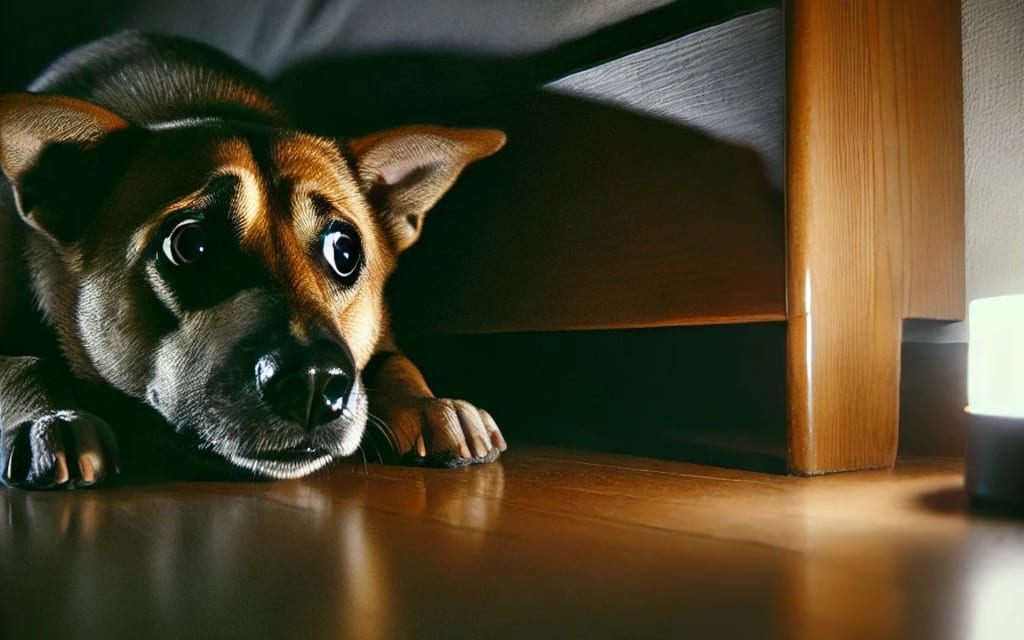
- Hiding or attempting to escape
- Ears pinned back, tail tucked, body low
Some of the most common triggers for panic attacks in dogs include thunderstorms, fireworks, loud noises, or unexpected environmental changes.
How to Help a Dog During a Panic Attack
1. Stay Calm and Reassuring
Dogs are incredibly intuitive and will pick up on your emotions. If you panic, they will panic more. Stay calm, speak softly, and avoid sudden movements.
2. Provide Immediate Comfort
- Try using a weighted anxiety vest to provide a sense of security.
- Move your dog to a quiet, safe space where they can recover without added stress.
- Offer a favorite toy or treat as a distraction.
- If your dog knows basic commands, engaging them in simple cues like “sit” or “stay” can help refocus their mind.
3. Remove Triggers When Possible
If you know a stressful event (like fireworks) is coming, set up a safe den for your dog in advance. Close curtains, play calming music, and provide plenty of blankets for burrowing.
When It’s Not Anxiety: Other Medical Concerns
Sometimes, what looks like a panic attack might be something else. If your dog’s symptoms persist or seem unrelated to stress, consult your vet. Conditions like epilepsy, toxin ingestion (nicotine, caffeine, chocolate), or underlying pain can mimic anxiety attacks.
Final Thoughts
Helping your dog through nighttime panic attacks requires patience, consistency, and compassion. Every dog is different, so finding the right combination of techniques might take some trial and error.
Remember:
- Rule out medical causes first.
- Create a calm and predictable nighttime routine.
- Offer comfort and reassurance without reinforcing fear.
- Seek professional help if anxiety persists.
Your dog looks to you for safety and guidance—be their source of calm, and soon enough, you’ll both be enjoying peaceful, restful nights together.
Thanks for your reading.
About the Creator
Keeping your pets safe (and calm) this holiday season
The holiday season may be magical for some humans, but for pets it only means confusion, changed routines, overstimulation, extra noise, guests or pet sitters come and go, and sometimes the festive season means danger for pets.
By Susan Fourtané 17 days ago in Petlife


Comments (1)
Good to know! Great tips’