
How to stop a dog from chewing other dogs collar
Dogs love to chew, but when your pup fixates on another dog’s collar, it can lead to safety hazards, costly replacements, and frustration. Whether it’s due to teething, boredom, or playful curiosity, breaking this habit requires patience and the right training techniques. From taste deterrents and durable collars to positive reinforcement and supervised play, you can redirect your dog’s chewing behavior effectively. Learn how to curb this destructive habit with proven strategies that keep both dogs safe and happy. With consistency and proper guidance, your pup will soon swap collar chewing for healthier, more appropriate alternatives!
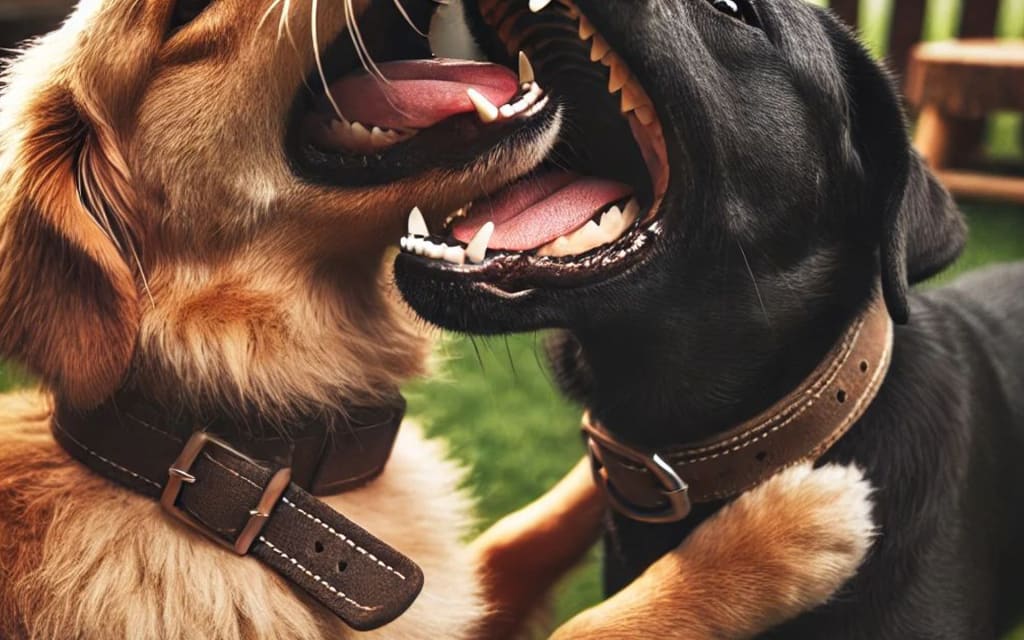
Dogs love to chew—it’s practically their hobby. Unfortunately, they don’t always pick the right targets. If your pup has developed an obsession with gnawing on your other dog’s collar, it’s time to step in before it leads to injuries, ruined collars, or an emergency vet visit. The good news? With some training, patience, and a few clever tricks, you can redirect this behavior to something less destructive.
Why Do Dogs Chew on Collars?
Before diving into solutions, it helps to understand why your dog is doing this in the first place. Some common reasons include:
- Teething (for puppies) – Just like human babies, puppies experience discomfort when their teeth are coming in.
- Boredom or Anxiety – A dog left without enough mental or physical stimulation will find ways to entertain itself, including chewing.
- Playfulness – Some dogs simply see the collar as a fun, interactive object.
- Attention-Seeking Behavior – If chewing gets a reaction from you or the other dog, your pup may continue doing it.
Dangers of Collar Chewing
While it may seem harmless at first, this behavior can pose real risks:
- Choking Hazard – Pieces of the collar can break off and become lodged in your dog’s throat.
- Injury to Both Dogs – A dog’s tooth can get stuck in the collar, causing panic and potential strangulation.
- Financial Hassle – Constantly replacing chewed-up collars adds unnecessary expenses.
How to Stop the Collar Chewing Habit
1. Use Taste Deterrents
One of the easiest ways to make a collar unappealing is to use a spray deterrent. Pet stores sell options like Bitter Apple Spray or Grannick’s Bitter Apple, which taste awful to dogs. Just follow the instructions and reapply periodically.
2. Switch to a Less Appealing Collar
Soft fabric collars may be easy to sink teeth into, but metal or leather collars can discourage chewing. Some pet owners even add small metal embellishments to fabric collars, making them less fun to chew on.
3. Correct the Behavior in the Moment
Training requires consistency. Every time you catch your dog in the act, immediately correct them with a firm "No" or "Leave it" command. You can also use a gentle tap to get their attention. Timing is everything—if you wait too long, they won’t connect the correction with the chewing.
4. Provide a Chewable Alternative
Sometimes dogs chew because they simply need something in their mouth. A durable chew toy, like a KONG filled with peanut butter, can keep their attention. The trick is to praise them when they choose the toy over the collar.
5. Monitor Playtime
If your dog only chews collars during playtime, supervise their interactions. If they start collar-chewing, end the play session immediately. They’ll soon learn that this behavior leads to the fun stopping.
The Debate Over Electric Collars
Some owners consider electric collars as a last resort for behavioral issues, but many experts (and even law enforcement) advise against them. These collars can create fear, anxiety, and aggression rather than addressing the root cause of the behavior. Instead of risking trust issues with your dog, stick to positive reinforcement and structured training methods.
Keeping Your Home Accident-Free: How to Stop Dogs from Peeing on the Carpet
If your dog has a habit of marking territory inside the house, you know how frustrating (and smelly) it can be. Fortunately, there are ways to prevent future messes.
1. Use a Deterrent Spray
Commercial products like Nature’s Miracle Advanced Stain and Odor Eliminator can discourage dogs from peeing in specific areas. These sprays neutralize odors and prevent dogs from returning to the same spot.
2. Make Your Own Vinegar Spray
If you prefer a DIY solution, mix equal parts white vinegar and water in a spray bottle. The acetic acid in vinegar has a scent that most dogs dislike, making it an effective deterrent.
3. Add Essential Oils (With Caution)
A few drops of citronella, orange, eucalyptus, or lime essential oil can enhance your vinegar spray. Just be sure to dilute it well—some essential oils can be toxic to dogs if ingested.
4. Clean Accidents Thoroughly
If your dog has already peed on the carpet, isopropyl alcohol and water can help neutralize odors. For older stains, a paste made from baking soda and water can lift discoloration.
Safety First: The Importance of Proper Dog Walking Habits
If your dog tends to grab other dogs’ collars while out and about, it’s essential to establish proper leash manners:
- Keep Your Dog on a Leash – If your dog is unpredictable, don’t let them roam off-leash.
- Maintain Control – Keep a short but comfortable leash length to prevent lunging at other dogs.
- Respect Other Owners’ Space – Not all dogs want to interact. If your dog has trouble resisting the urge to play too rough, work on obedience training before allowing social play.
Final Thoughts
Dogs chewing on collars or peeing indoors can be frustrating, but with patience and consistency, these behaviors can be corrected. By using taste deterrents, providing proper chew alternatives, reinforcing good behavior, and maintaining control during walks, you’ll set your pup up for success. Remember, training takes time—stick with it, and you’ll soon have a well-behaved, happy companion!
Thanks for your reading.
About the Creator
A Dart at Dusk
Seconds ago, the sullen sun set on the two of us… my exuberant furry companion and me. A fresh breeze embraces us, delivering welcome relief from the day’s oppressive heat. His typical stumbling and staggering along — apace with a sloth — has turned into trip-trapping, high-stepping, almost skipping along.
By Angie the Archivist 📚🪶3 days ago in Petlife
Why Does Your Dog Ignore the Come Command and How to Fix It
You are standing at the dog park, leash in hand, already late. Your dog is twenty feet away, nose glued to the ground. You call their name. Nothing. You try again, louder this time. A few people glance over. Your dog looks up, considers you for half a second, then goes right back to sniffing. If you have ever felt your face get hot while calling your dog over and over, you are in familiar territory.
By Aleksandar Mishkov5 days ago in Petlife
Ludacris and Nelly draw backlash over bookings at MAGA-coded music festival
Ludacris and Nelly headlining a mostly right-wing event is good for them. It’s also great for the genre of hip hop. The two rap veterans have showcased their talents on other stages. Why can’t they perform for mostly MAGA folks and grab that bag?
By Skyler Saunders2 days ago in Beat


Comments
There are no comments for this story
Be the first to respond and start the conversation.