
How to stop a dog barking at the door
Is your dog’s barking at the door driving you nuts? You're not alone—this is a common issue many dog owners face. Whether it's out of excitement, anxiety, or territorial instinct, dogs love to alert us when someone’s at the door. But fear not! This guide is here to break down why dogs bark, what triggers it, and, most importantly, how to stop it. With a mix of patience, training techniques, and understanding your dog’s emotions, you’ll soon have a calm, well-behaved pup who can greet guests without the chaos.

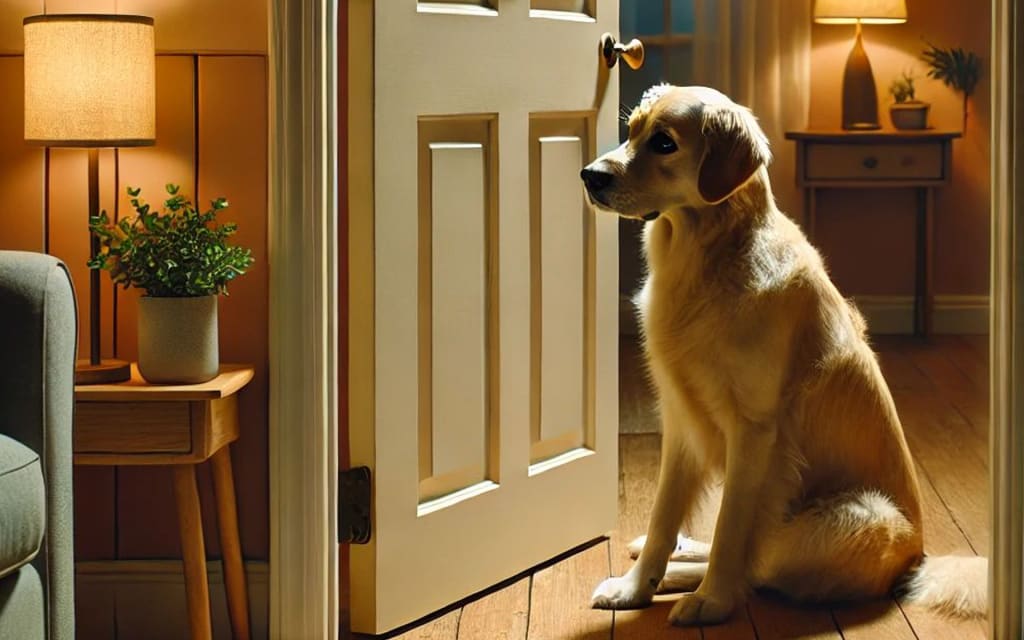
Ah, the sound of a doorbell ringing or a knock at the door. To some, it's a simple reminder that life is moving along—deliveries, friends, or that dreaded sales pitch. To your dog? It's a full-blown emergency. Their ears perk up, their tails wag (or their bodies stiffen), and suddenly, you're living with a barking machine. We’ve all been there. It's as if your dog has taken on the role of Home Security Officer—because clearly, nobody is getting past this dog.
But here's the thing: this behavior is pretty typical. Dogs bark to communicate, whether it's out of excitement, anxiety, or territorial instincts. So, if your dog starts howling at the door like it's an intruder alert, don't stress. It’s natural. But if you’re tired of playing the role of a human mute button, we’ve got you covered. In this guide, we'll break down why your dog barks at the door and, more importantly, how to fix it. Let's dive in!
Why Do Dogs Bark at the Door?
Dogs are complex creatures, and their barking at the door could mean many things. Think of it like this: if you could talk to your dog, their version of "What’s that noise?" might sound like:
- "Who is it?!" (a.k.a., territorial instinct)
- "Ooooh! A new person! I want to meet them!" (enthusiasm overload)
- "Stranger danger!" (anxiety or fear)
So, you see, not all barking is created equal. It all boils down to how your dog perceives the situation. Let’s break this down further.
Anxiety or Fear-Based Barking
This is often seen in dogs who are territorial or scared of strangers. These dogs view the arrival of a guest or delivery driver as a potential threat and bark to protect their home. This kind of barking is usually accompanied by anxious behaviors, like pacing or whining.
Excitement Barking
On the flip side, some dogs bark simply because they are excited. Think of it like a kid waiting for a party guest. These dogs bark out of joy and anticipation, eager to greet the newcomer with a wagging tail and a lick (or five). The downside? Not all visitors love a hyperactive dog jumping all over them.
The Overreaction to Sounds
Ever notice how your dog reacts to the sound of a doorbell or a knock? It's as if they've just heard the start of the apocalypse. The truth is, dogs have an acute sense of hearing, and these sounds can be incredibly startling or exciting for them. Depending on the dog, this can trigger either an alarmed, defensive bark or an enthusiastic, happy bark.
The Key to Stopping the Barking: Understanding Your Dog’s Triggers
Before you can tackle your dog’s barking, you need to understand why they’re doing it in the first place. Ask yourself: What triggers the barking?
- Is it the doorbell?
- Is it the sound of a knock?
- Or is it the arrival of a specific person?
Start by identifying the triggers. This will help you understand whether your dog is reacting to fear, excitement, or something else entirely. The trigger is just a signal. It’s what your dog is feeling that’s the real problem.
Step 1: Identifying Triggers and Setting Up for Success
The first step in solving the barking problem is identifying what sets your dog off. Write down a list of the specific things that make your dog bark:
- Doorbell sound
- Knock at the door
- People entering the house
- Delivery drivers arriving
Once you know the triggers, it’s time to get proactive. This may require using a few tools to manage the situation while you work on a training plan. If you’re in training mode, you don't want random people knocking on your door, setting your dog back. So, consider putting up a sign asking people not to ring the bell or knock, or even putting a piece of tape over the doorbell. It’s a simple but effective way to control your environment.
Step 2: Management Tools—Control the Chaos
Training a dog requires patience, and sometimes it’s just about limiting the number of times your dog can practice bad behavior. If you’re training your dog to stop barking at the door, you want to ensure that the doorbell isn’t going off while you’re in the middle of a session. Even if you can’t train every time, you can still prevent the barking by putting a simple system in place—whether it’s a sign or a different arrangement for receiving packages. The goal is to avoid reinforcing bad behavior.
Step 3: Desensitization and Counter-Conditioning: Changing the Game
Now that you’ve got the management tools in place, it’s time for some good ol' training. The two most effective techniques here are desensitization and counter-conditioning. These two powerful methods will help your dog associate the trigger (doorbell, knocking, etc.) with something pleasant, like treats.
Desensitization
This involves exposing your dog to the trigger at a low intensity, gradually increasing the intensity over time until the trigger no longer excites or scares them.
Counter-Conditioning
This involves pairing the trigger with something positive. For example, every time the doorbell rings, you give your dog a treat. Over time, your dog will start associating the doorbell with something good, rather than something to react to.
Here’s how you can use these techniques:
- Treat Preparation: Start with high-value treats that your dog loves. It’s better to use something that your dog finds irresistible, like freeze-dried meat. Break the treats into small pieces to make them last longer throughout the training sessions.
- Start Small: Begin by lightly knocking on the door or ringing the doorbell yourself, then immediately reward your dog with treats. Repeat this process several times.
- Gradually Increase Intensity: After your dog starts to get the hang of it, increase the volume of the knocks or the bell. You want your dog to remain calm even as the sounds get louder or more frequent.
- Consistency is Key: Practice multiple times a day, but keep the sessions short—5 to 10 minutes. This is about creating positive associations, not tiring your dog out.
Step 4: Involving Others for Real-World Training
Once your dog can handle the sound of the doorbell or knock without reacting, it’s time to bring in a helper. Have a friend or family member knock on the door while you repeat the training process. This introduces new elements (like a stranger knocking) and helps your dog get used to real-life situations.
Remember, when your dog gets it right, reward them with praise and treats. Keep the atmosphere calm and low-key—avoid getting too excited, or you’ll undo all your hard work.
Step 5: Take It Outside for Extra Proofing
Now that your dog is improving indoors, it’s time to take the training outside. This is where your dog needs to prove that they can remain calm and follow commands no matter where they are. Use the same techniques when someone arrives at the front gate or when a delivery driver pulls up.
The Long Haul: Keeping Your Dog Calm for the Future
Training doesn’t stop once your dog stops barking at the door. This is a process that takes time and consistency. Even after you’ve seen progress, you need to keep rewarding your dog’s good behavior. Randomly reward your dog for staying calm when someone arrives at the door, so the behavior sticks. It’s all about reinforcing the calm, non-barking response.
Conclusion: Bark No More
There you have it! Stopping your dog from barking at the door requires patience, understanding, and a structured approach. The key is to understand why they’re barking, use desensitization and counter-conditioning techniques, and practice, practice, practice. With time and dedication, your dog will learn that the doorbell or a knock on the door isn’t something to get all worked up over. Instead, it’s just another opportunity for a treat.
So, don’t fret if your dog’s behavior feels overwhelming. With these simple steps, you’ll soon be able to open the door without a single bark in sight. Who knows? Maybe you’ll even train them to greet guests without jumping up and licking them to death. One step at a time, friend!
Thanks for your reading.
About the Creator
A Dart at Dusk
Seconds ago, the sullen sun set on the two of us… my exuberant furry companion and me. A fresh breeze embraces us, delivering welcome relief from the day’s oppressive heat. His typical stumbling and staggering along — apace with a sloth — has turned into trip-trapping, high-stepping, almost skipping along.
By Angie the Archivist 📚🪶4 days ago in Petlife
Top Signs Your Pet Needs More Mental Stimulation
Mental stimulation is just as important for pets as physical exercise. Every pet, whether it is a dog, cat, rabbit, guinea pig or ferret requires mental stimulation to overcome stress, anxiety, or behavioral problems.
By Alice Adams4 days ago in Petlife




Comments (2)
Good to know! Dogs bark a lot!
Great story ✍️♦️♦️♦️