
How to stop a dog from resource guarding food
Does your dog turn into a growling gremlin when you reach for their food bowl or favorite toy? Resource guarding—aka food aggression—is a common but tricky behavior that stems from fear, not dominance. While it’s natural for dogs to protect what they value, snapping, lunging, or growling can turn into a real problem—especially in homes with kids or multiple pets. The good news? With the right training, patience, and a few tasty trade-ups, you can teach your pup that sharing isn’t scary—it’s rewarding. Let’s break down why dogs guard their stuff and how to turn possessiveness into trust.
Resource guarding—also known as food aggression—is when a dog becomes possessive over food, toys, or even spaces like the couch or their favorite corner of the house. While guarding is a natural instinct, it can become dangerous if the dog reacts aggressively toward humans or other pets.
If your dog is snapping, growling, or lunging when you approach their food bowl, it’s not just bad manners—it’s a warning sign that they feel insecure about their resources. And let’s be real, no one wants to play a daily game of "who’s the alpha now?" while simply trying to feed their pup. So, let’s dive into why dogs resource guard and what you can do to curb this behavior.
Why is Resource Guarding a Problem?
Dogs, by nature, like to hold onto things they find valuable. In the wild, protecting food was a survival skill. At home, however, that instinct can lead to problems—especially in households with kids who don’t recognize the warning signs of a defensive dog. The last thing you want is an accident where a child unknowingly gets too close to a growling pup.
Resource guarding is also risky if your dog picks up something harmful, like a piece of chocolate or a sharp object. If they refuse to give it up and become aggressive, it turns into a battle of wills. That’s why it’s crucial to teach your dog that giving up a resource isn’t a loss—it’s an opportunity for something even better.
How to Prevent Food Aggression in Dogs
Step 1: Rule Out Medical Issues
If your dog suddenly starts guarding food when they never did before, schedule a vet visit. Sometimes, pain or illness can cause behavioral changes, and it’s better to rule out medical issues before jumping into training.
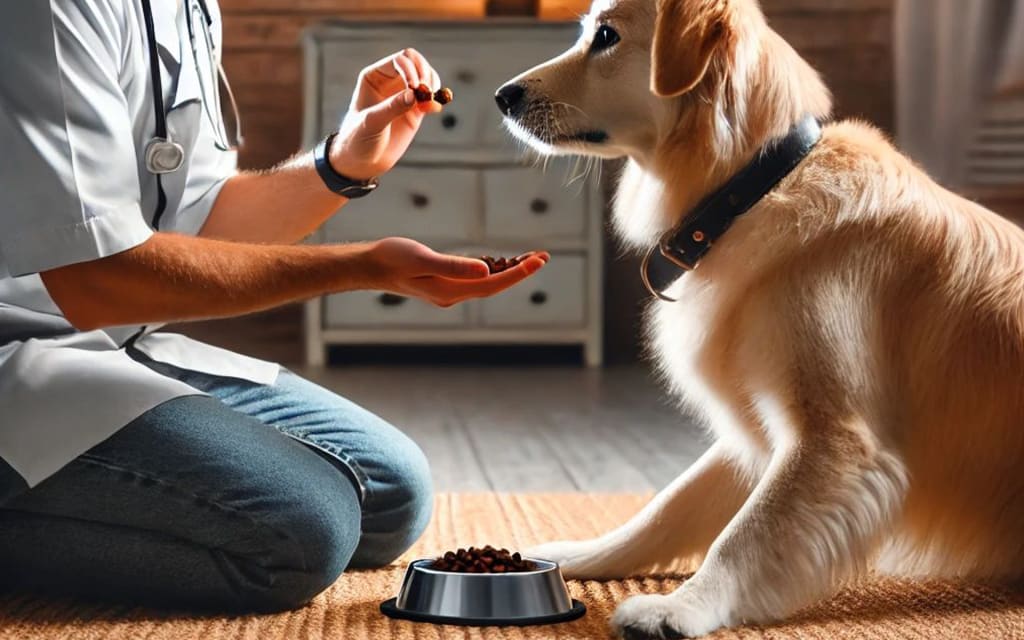
Step 2: The Hand-Feeding Exercise
This technique builds trust and teaches your dog that humans near their food bowl are a good thing.
- Place an empty food bowl on the floor.
- Sit near the bowl and drop a few pieces of kibble inside. Say, "take it."
- Repeat this, keeping your hand near the bowl as they eat.
- If your dog is comfortable, start taking the bowl away briefly before returning it with a treat inside.
- Over several sessions, progress to standing while removing and replacing the bowl.
The goal is to show your dog that having you near their food means more delicious surprises, not a threat.
Step 3: Have Other Adults Try It
Once your dog is comfortable with you near their food, gradually introduce other trusted adults to the training. This ensures that your dog doesn’t only behave well around one person but understands that humans, in general, bring good things.
Step 4: Reinforce Good Behavior in Different Locations
Try practicing these exercises in different places, such as in the backyard or a new room. Some dogs guard resources more fiercely in unfamiliar environments, so training in multiple spots can help generalize the lesson.
How to Stop Other Types of Resource Guarding
Food isn’t the only thing dogs guard. Some will get possessive over toys, bones, or even that one sock they steal just for the drama. If your dog starts growling when you reach for their "treasure," here’s how to teach them to trade peacefully.
Step 1: Start With Low-Value Items
- Give your dog an object they don’t care much about and say "take it."
- Ask for it back with the cue "give it."
- When they release the object, reward them with a treat.
- Repeat this five times, then take a break.
Step 2: Gradually Increase the Value
Over a few days, work your way up to slightly more desirable items, like a favorite toy. The key is to make sure your dog never feels like they’re losing something—only upgrading to a better reward.
Step 3: Introduce the High-Stakes Trade
Once your dog is comfortable trading lower-value items, move on to things they really love—like a bone or chew toy. Always use an irresistible treat as a trade, like cooked chicken or a high-quality dog treat.
Step 4: Teach "Leave It"
This command is a game-changer when it comes to stopping resource guarding.
- Hold a treat in your closed fist and let your dog sniff it.
- The moment they back off, open your hand and say, "take it."
- Repeat multiple times until they consistently wait before grabbing the treat.
- Eventually, introduce the "leave it" cue.
- Progress to placing the treat on the floor and making them wait before allowing them to take it.
This builds impulse control and teaches them that waiting patiently is always rewarded.
What to Do If Your Dog Guards Random Household Items
Some dogs, like Leccec the Springer Spaniel-Poodle mix (who has a knack for stealing socks), turn resource guarding into a game. They grab something, wait for your reaction, then escalate the behavior if you engage. Here’s how to handle it:
- Ignore the behavior: If it’s not a dangerous item, avoid reacting. If your dog doesn’t get the attention they crave, they might lose interest.
- Trade up: If they steal something important, offer a high-value treat in exchange.
- Remove temptation: Keep tempting items out of reach (as much as possible, because let’s be honest, dogs are sneaky).
- Teach "drop it": Practice trading with toys first before moving on to stolen objects.
What NOT to Do When Addressing Resource Guarding
- Don’t punish your dog. Yelling or forcibly taking something away can make guarding worse.
- Don’t challenge them. Staring them down or hovering over them can escalate tension.
- Don’t put kids at risk. Keep children away from resource-guarding dogs while working on training.
Conclusion: Teach Trust, Not Fear
Resource guarding isn’t about dominance—it’s about fear. Your dog is afraid of losing something valuable, so they guard it. The best way to stop this behavior is to show them that humans aren’t thieves—we’re generous providers of better things.
By consistently using positive reinforcement and gradual training exercises, you can transform your dog’s mindset from "I have to protect this!" to "Good things happen when I share." Whether it’s food, toys, or that one sock they can’t resist stealing, patience and practice will help your pup feel safe, secure, and happy to trade.
Bonus Tip:
If you’re struggling with severe aggression, don’t hesitate to seek help from a certified dog behaviorist. Some cases need professional guidance, and there’s no shame in getting expert support.
Now go forth and teach your dog that sharing really is caring! 🐶
About the Creator
Bomb Scare
It was 2027, and the world never thought it would happen. A missle hit the United States, but it wasn't where they had anticipated. A little town in the northeast was hit by a missile strike, they didn't know why, and they didn't know exactly where it hit, but they did know it was a coastal community, somewhere between Maine and Delaware.
By Gregory Payton7 days ago in Fiction




Comments
There are no comments for this story
Be the first to respond and start the conversation.