
How to stop a dog from scavenging at home
Learn why dogs have a natural instinct to scavenge and how to prevent it effectively. From understanding triggers to creating a scavenging-proof home, discover practical training techniques, expert tips, and when to seek professional help. Keep your furry friend safe, healthy, and well-behaved while curbing their foraging habits with these easy, actionable strategies.

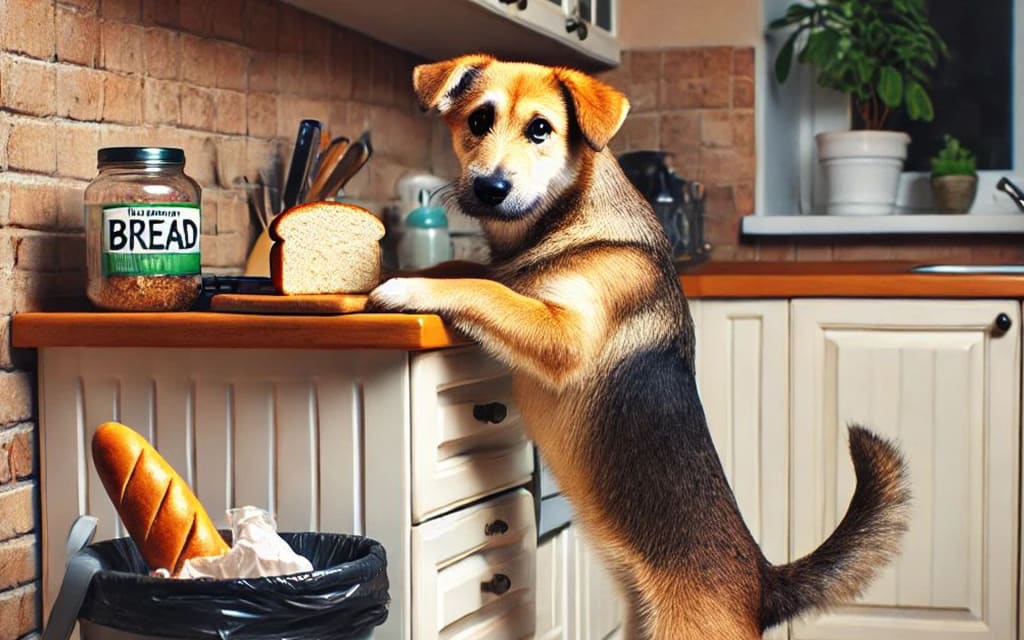
Why Do Dogs Scavenge, and How Can You Stop It?
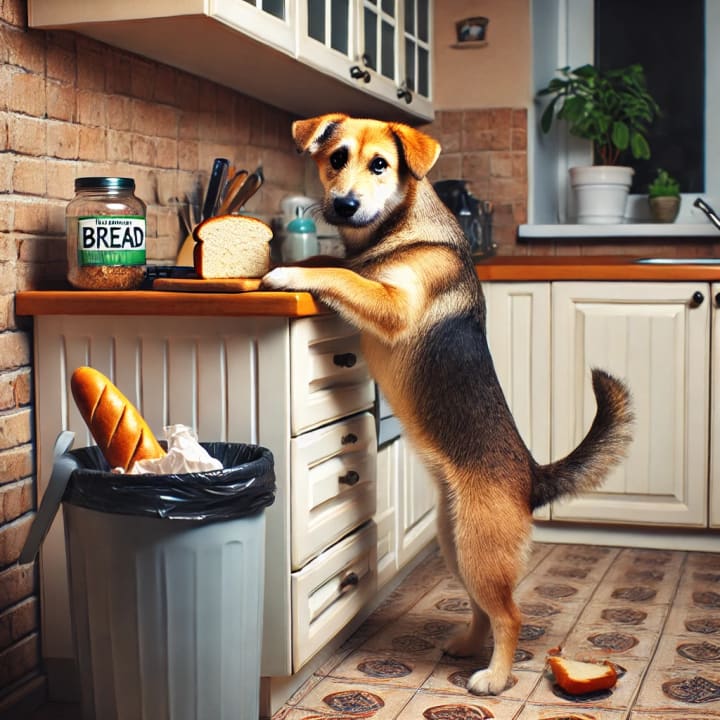
Does your dog keep sneaking snacks from the trash or counter? This isn’t just annoying—it can be dangerous too. Dogs love scavenging, and while it might seem cute or funny at first, it can lead to health problems or worse. Let’s dive into why dogs scavenge, what triggers this behavior, and how you can train your pup to stop for good.
The Natural Instinct to Scavenge
Dogs are wired to forage. Their ancestors, wolves, survived by hunting and scavenging for food. Even though your furry friend gets regular meals, their nose tells them otherwise. That pizza crust in the trash? Irresistible. That leftover chicken on the counter? The jackpot.

A dog’s sense of smell is a superpower. They can sniff out food even when it’s sealed or hidden. This is why your dog always seems to know where the good stuff is. Unfortunately, this instinct can cause trouble, especially if they eat something toxic or harmful.
Why Scavenging Can Be Dangerous
Scavenging isn’t just annoying; it’s risky. Eating spoiled food or swallowing small objects can lead to stomach problems, choking, or worse—intestinal blockages. And let’s not forget toxic foods like chocolate, onions, or even some artificial sweeteners, which can cause serious health issues for dogs.

Some dogs also develop allergies or sensitivities from eating random food. What seems like a harmless snack could lead to itching, rashes, or even severe reactions. Keeping your dog safe means keeping their scavenging habits in check.
Common Triggers for Scavenging
To stop scavenging, you need to understand why it happens. Here are two main categories of triggers:
Food-Related Triggers
- The smell of freshly cooked food.

- Unattended leftovers.
- Accessible trash bins.
Dogs are opportunists. If food is within reach—or even smells like it might be—they’ll go for it.
Environmental Triggers
- Boredom or lack of mental stimulation.
- Anxiety or stress.

- Copying other animals’ behavior.
A bored dog is a mischievous dog. Without enough exercise or mental challenges, your pup might turn to scavenging as a way to pass the time.
Training Techniques to Stop Scavenging
Stopping your dog from scavenging isn’t about punishment—it’s about redirecting their behavior. Here’s how:
Positive Reinforcement
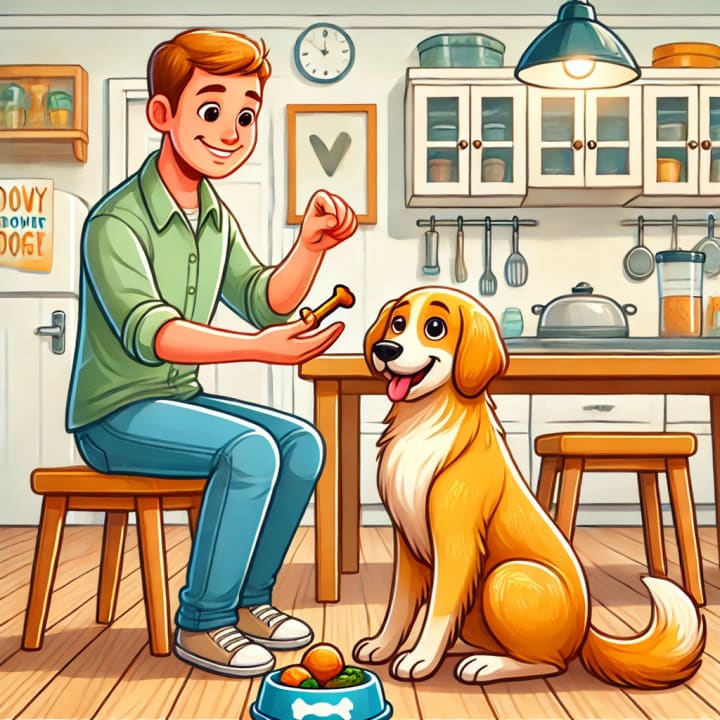
Reward your dog for ignoring food or staying away from tempting areas. Use treats, praise, or playtime as a reward. Consistency is key here; over time, your dog will learn that good behavior gets them what they want.
Distraction with Toys or Activities
Interactive toys or puzzle feeders are lifesavers. They keep your dog’s mind busy and satisfy their foraging instincts in a safe way.

Teaching Commands
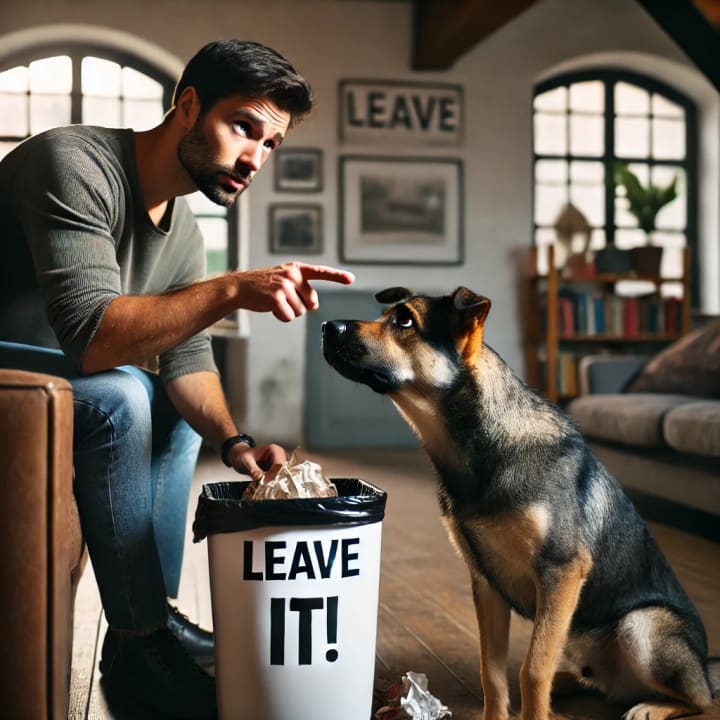
Simple commands like “leave it” or “off” can work wonders. Practice these commands during walks or meal prep time. Reward your dog immediately when they obey.
Creating a Scavenging-Proof Home
Making your home dog-proof doesn’t just protect your food—it protects your dog. Here are some tips:
Store Food Securely

Keep food in sealed containers or out-of-reach cabinets. Trash bins should have lids or be kept in a closed area.
Clean Up Quickly
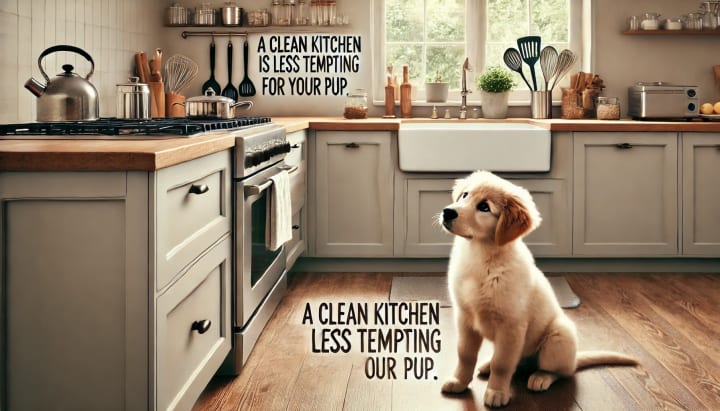
Don’t leave dirty dishes or crumbs lying around. A clean kitchen is less tempting for your pup.
Limit Access
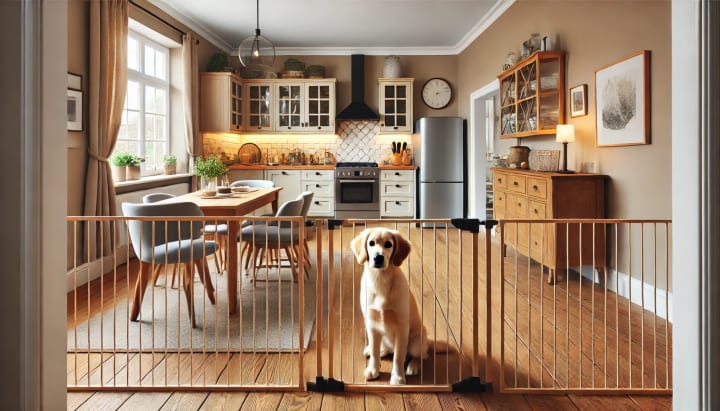
Use baby gates or barriers to keep your dog out of certain areas, like the kitchen or dining room.
When to Seek Professional Help
Sometimes, scavenging behavior can be persistent despite your efforts. If this happens, don’t hesitate to consult a professional.
Professional Dog Trainers
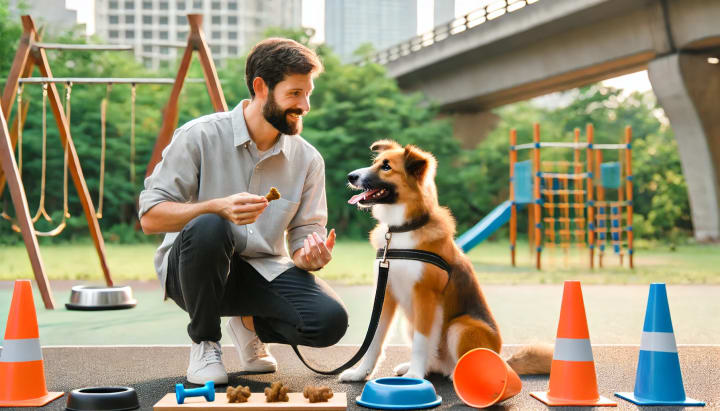
A trainer can create a customized plan to address scavenging. They’ll teach you advanced techniques and help you understand your dog’s unique needs.
Veterinary Behaviorists
If scavenging stems from anxiety or an underlying health issue, a veterinary behaviorist can offer medical and behavioral solutions. They’ll ensure your dog gets the care they need.
Expert Tips to Curb Scavenging
Here are a few more practical tips from trainers and experts to help curb scavenging behavior:
1. Change Your Walking Route
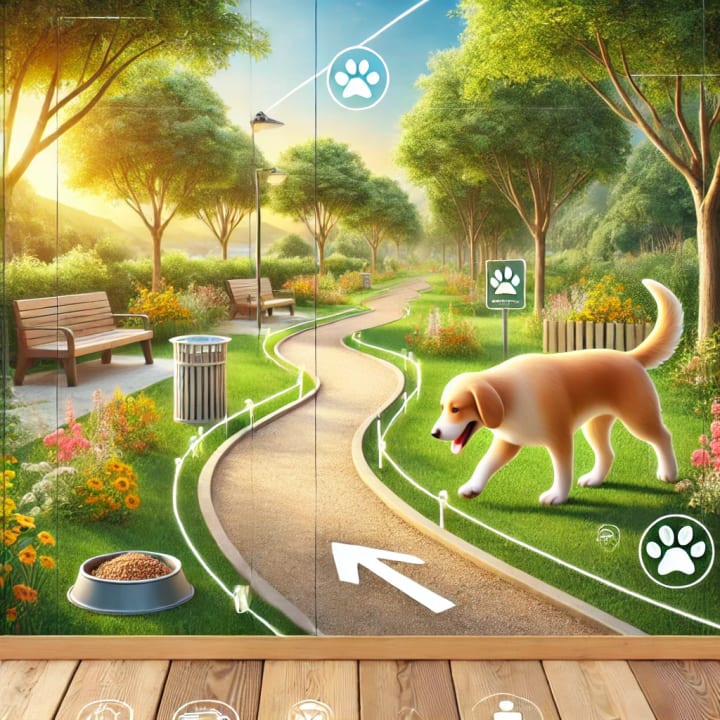
Avoid areas with litter or food scraps. A new route keeps your dog curious and focused on sniffing new scents instead of searching for food.
2. Use a Muzzle Temporarily

If your dog is a relentless scavenger, a muzzle can prevent them from picking up dangerous items during walks.
3. Provide a Balanced Diet
Talk to your vet about your dog’s diet. If their nutritional needs aren’t met, they might resort to scavenging. A high-quality, balanced diet can make a world of difference.
Final Thoughts
Scavenging is natural for dogs, but that doesn’t mean it’s safe or acceptable. With patience, consistency, and the right techniques, you can train your dog to leave the trash—and the table scraps—alone. Remember, every dog is different, so find what works best for you and your furry friend. Stay positive and keep reinforcing the good behavior. After all, a happy, healthy dog makes for a happy home.
Thanks for your reading.
About the Creator
Off the Leash: The Essential Gear Guide for Adventurous Dogs
There’s something wildly freeing about unclipping the leash and letting your dog move the way they were built to. If you’re hiking in areas that truly allow off-lead exploration, your gear list shifts. No harness. No leash dragging through dust. Instead, it’s about smart, lightweight essentials that keep your dog safe, hydrated, and easy to manage when adventure gets messy. Long walks off lead are less about control and more about preparation.
By Shabbir Ahmad3 days ago in Petlife


Comments (1)
Lovely ✍️♦️♦️♦️♦️♦️