
How to stop a dog from eating the couch
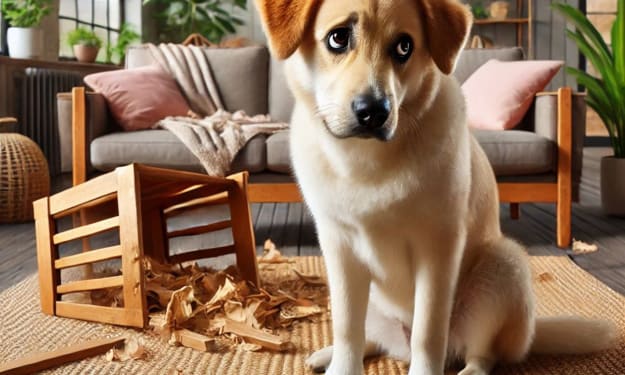
Is your dog turning your couch into confetti? Don’t worry, you’re not alone. Dogs chew for simple reasons—boredom, too much freedom, or the need to release energy. This guide will help you understand why it happens and how to stop it. From increasing exercise to providing the right toys, discover practical tips to save your furniture and build a happier, more balanced relationship with your furry friend.


Why Your Dog Won’t Stop Chewing and What You Can Do About It
If you’ve ever walked into your living room and seen the stuffing of your couch scattered like confetti, you know the frustration all too well. You’re mad, maybe even furious. I get it—no one wants to spend their hard-earned money on furniture only to see it become a chew toy.

But let’s take a step back for a second. Before you start yelling at your dog or banishing them to the backyard, ask yourself: Why did they do this? Because here’s the thing—dogs don’t chew out of spite. They’re not mad at you for leaving them alone, and they’re not trying to “get back at you.” They chew because it’s what dogs do.
Now, I’m not saying you have to accept the destruction of your favorite chair as a fact of life. What I’m saying is that understanding why your dog is chewing is the first step to stopping it. And most of the time, the root cause isn’t your dog—it’s you.
The Real Reasons Behind Destructive Chewing
There are two main reasons your dog is tearing through your belongings:
1. They’re bored.
2. They’ve been given too much freedom too soon.
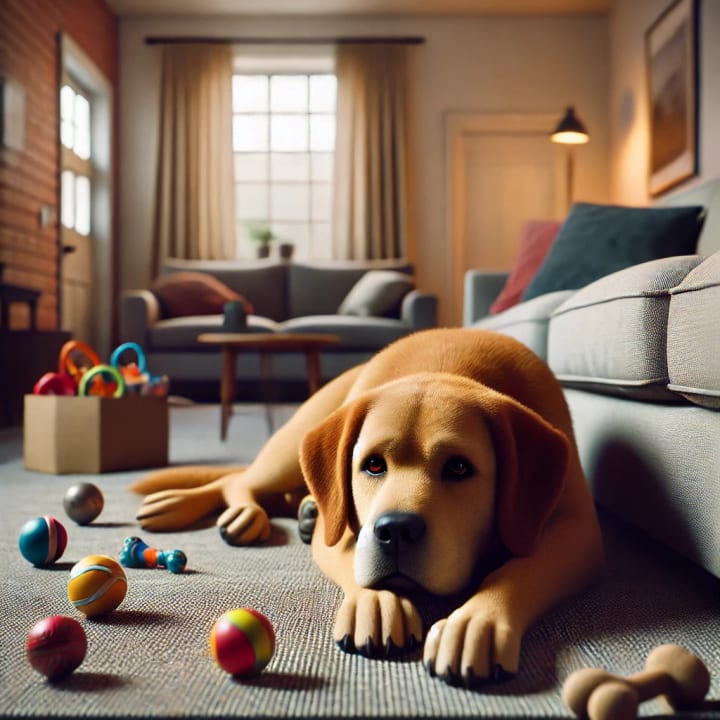
It’s that simple. It’s not about dominance or revenge; it’s about unmet needs. And once you understand these needs, you’ll have the tools to fix the problem.
Why Boredom Leads to Destruction
Think about your dog’s day. While you’re at work, running errands, or binge-watching your favorite show, what’s your dog doing? Chances are, not much. And that’s the problem.

Dogs, especially young ones, have energy to burn. And if they don’t have a constructive way to burn it, they’ll find a destructive one.
Exercise: The Magic Fix for 90% of Behavior Problems
How much exercise is your dog getting? Be honest. A quick walk around the block isn’t enough for most dogs, especially high-energy breeds.
- The Tired Dog Rule: A tired dog is a good dog. This is one of the golden rules of dog training. If your dog has spent the morning running, playing, and exploring, they’ll be too exhausted to even think about chewing your furniture.
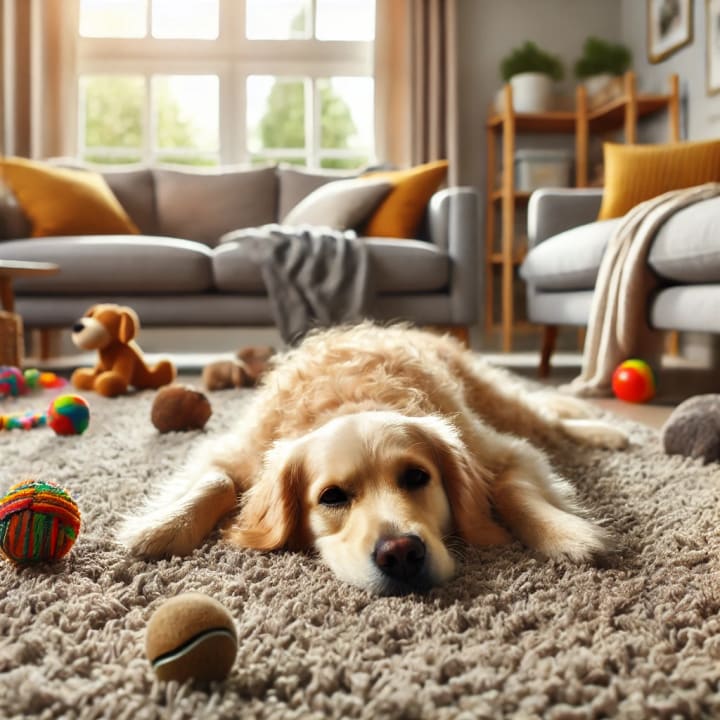
- Breed Matters: Some dogs need more exercise than others. For example, a Jack Russell Terrier can require up to three hours of activity a day. Yes, you read that right—three hours. Even breeds with lower energy levels need more than you might think.

- Puppies Need Extra Attention: If your dog is between six months and two years old, they’re in their most active phase of life. This is when they’re experimenting, learning, and pushing boundaries. It’s also when they need the most guidance and exercise.
How to Add More Exercise to Your Dog’s Day
Adding exercise to your dog’s routine doesn’t have to mean hours at the gym (though wouldn’t it be fun if dogs had gyms?). Here are some practical ways to tire out your pup:
1. Morning Runs: Set your alarm 30 minutes earlier and start your day with a jog or a game of fetch. You’ll both benefit from the extra activity.
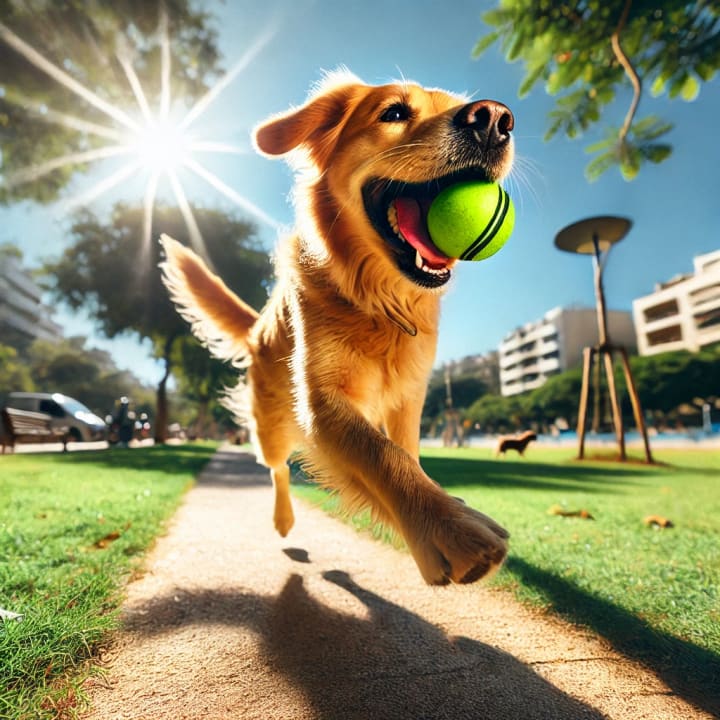
2. Playdates: Nothing tires out a dog like another dog. Arrange playdates with a neighbor’s pup or visit a dog park.

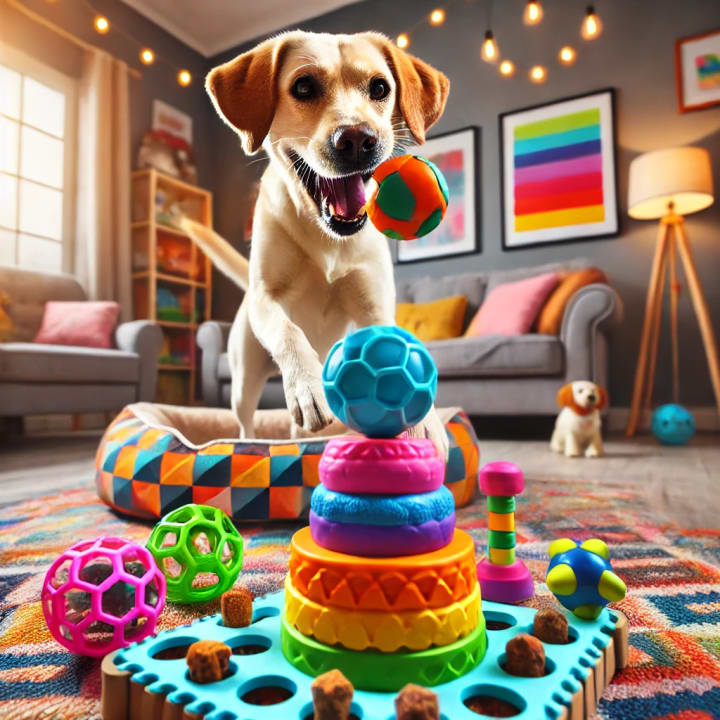
3. Interactive Toys: Use puzzle toys or treat-dispensing balls to keep your dog’s mind and body active. A frozen Kong stuffed with peanut butter can keep your dog entertained for hours.
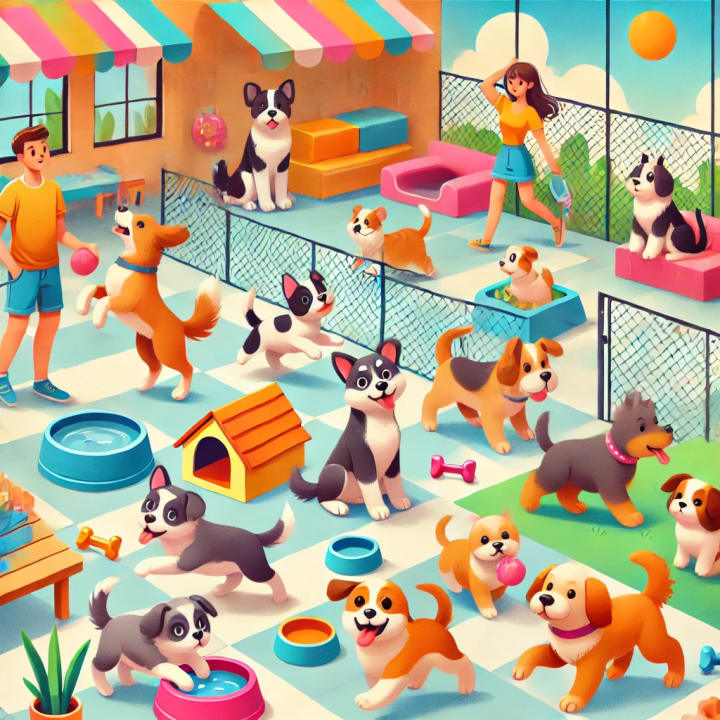
4. Dog Daycare: If you’re too busy to provide the exercise your dog needs, consider dog daycare. It’s supervised, safe, and your dog will come home happy and tired.
The Freedom Trap - Why Your Dog Isn’t Ready for Full Access
Now let’s talk about freedom. Many dog owners make the mistake of giving their dogs free rein of the house too soon. It’s tempting—you want your dog to feel at home. But here’s the thing: dogs don’t come pre-programmed with knowledge of what’s okay to chew and what’s off-limits.

Leaving a young, energetic dog unsupervised in a room full of furniture is like leaving a toddler in a candy store. They’re not trying to misbehave—they just don’t know any better.
The Solution - Supervise and Confine
1. Supervise When You’re Home: Watch your dog like a hawk. When they start chewing on something they shouldn’t, redirect them to an appropriate toy and praise them when they take the bait.
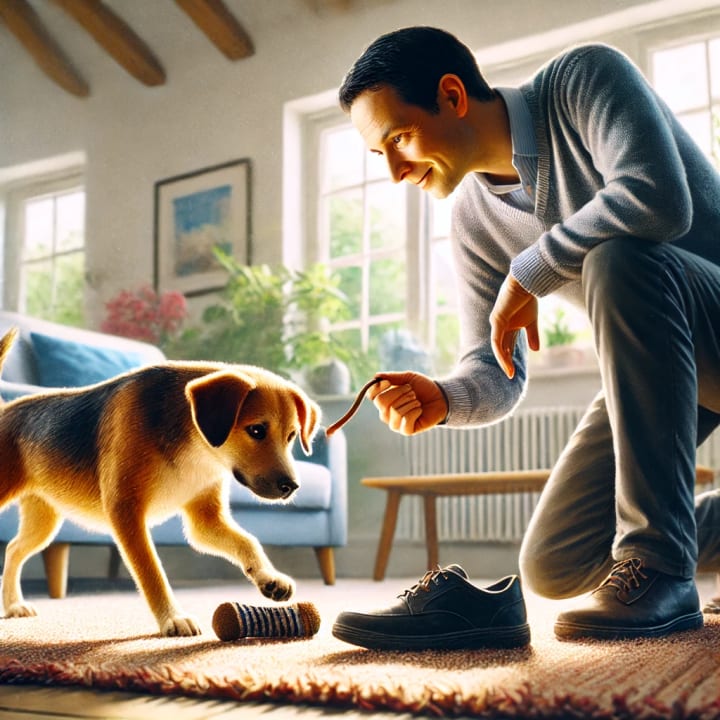
2. Use Baby Gates or Crates: When you can’t supervise, use tools like baby gates or crates to keep your dog in a safe, chew-proof area. This isn’t mean—it’s responsible.

3. Gradually Increase Freedom: Start small. Let your dog explore one room at a time, and only when they’ve proven they can handle it without causing destruction.

Chew Toys - The Unsung Heroes
Dogs need to chew—it’s a natural behavior. Your job is to make sure they’re chewing the right things. Stock up on chew toys and rotate them to keep things interesting.
- DIY Options: Old socks rolled into balls or frozen carrots can make great budget-friendly chew toys.

- Commercial Toys: Look for durable toys designed for heavy chewers, like rubber bones or nylon toys.
- Chew Treats: Chew sticks or rawhide can also be great options, but always supervise your dog when they’re using them.

When to Worry - Is It More Than Just Boredom?
Sometimes, chewing can be a sign of something more serious, like anxiety or a medical issue. If your dog’s destructive behavior continues despite plenty of exercise and chew toys, it might be time to consult your vet.
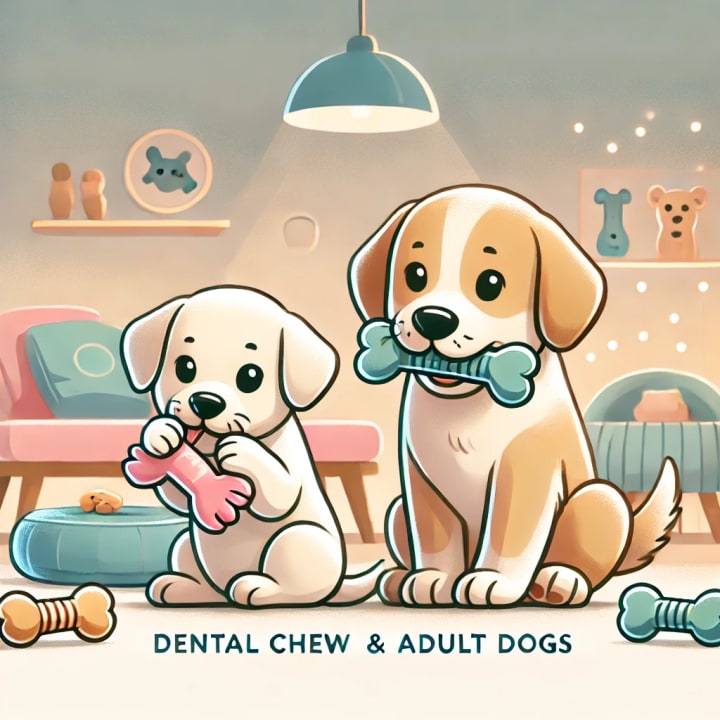
- Dental Problems: Puppies chew to soothe their gums, but adult dogs can also chew if they’re experiencing dental pain.
- Separation Anxiety: If your dog’s chewing is accompanied by other signs of distress, like whining or pacing, they might be struggling with separation anxiety.
5 Tips to Save Your Couch
1. Provide Alternatives: Always have a variety of chew toys available. Rotate them regularly to keep your dog interested.

2. Increase Exercise: A tired dog is less likely to chew out of boredom. Make exercise a non-negotiable part of your dog’s daily routine.
3. Supervise and Confine: Keep an eye on your dog and use tools like crates or baby gates to limit their access to temptation.

4. Use Taste Deterrents: Sprays with bitter flavors can make furniture less appealing to chew. Just be prepared to experiment with different brands to find one that works.
5. Vet Check: Rule out any underlying medical issues that could be contributing to the behavior.
Building a Chew-Free Home
Preventing destructive chewing isn’t about punishing your dog—it’s about setting them up for success. By providing plenty of exercise, appropriate chew toys, and clear boundaries, you’ll not only save your furniture but also build a stronger bond with your furry friend.

Dogs don’t chew because they’re “bad.” They chew because they’re dogs. And when you understand that, you can start working with them instead of against them. So roll up your sleeves, grab a Kong, and get to work. Your couch—and your dog—will thank you.
Thanks for your reading.
About the Creator
Netherland Dwarf Rabbit: Lifespan, Care, Diet, Characteristics, & Facts
As everyone knows Netherland Dwarf rabbit is mid the most popular pet rabbit breeds because of its small body and active nature. Their activity and charming nature make them a pet that provides good friendship to many people.
By Rabbits Advisora day ago in Petlife


Comments
There are no comments for this story
Be the first to respond and start the conversation.