
How to stop a dog from swallowing food whole - gulping food
Feeding your dog is more than just filling a bowl with kibble and hoping for the best. If you've got a dog that inhales food like it’s auditioning for a speed-eating competition, you’re not alone. The "gobble and go" eating habits are common in many dogs, and let’s face it, watching them scarf down their meal in seconds can leave you wondering if they even tasted it. But fear not—there’s a variety of ways to slow down that food-fueled frenzy and make mealtime more enjoyable for both of you.

Feeding Fido - How to Manage Fast Eaters and Promote Healthy Eating Habits
If you've ever watched your dog wolf down their food in a matter of seconds, you’re probably wondering how in the world you can slow them down. It’s not only impressive how fast some dogs can eat, but it can also be a little worrying—especially if they’re swallowing food without chewing. The good news is that there are effective ways to help your dog eat at a healthier pace, and the best part is, many of these methods are fun for your dog too!
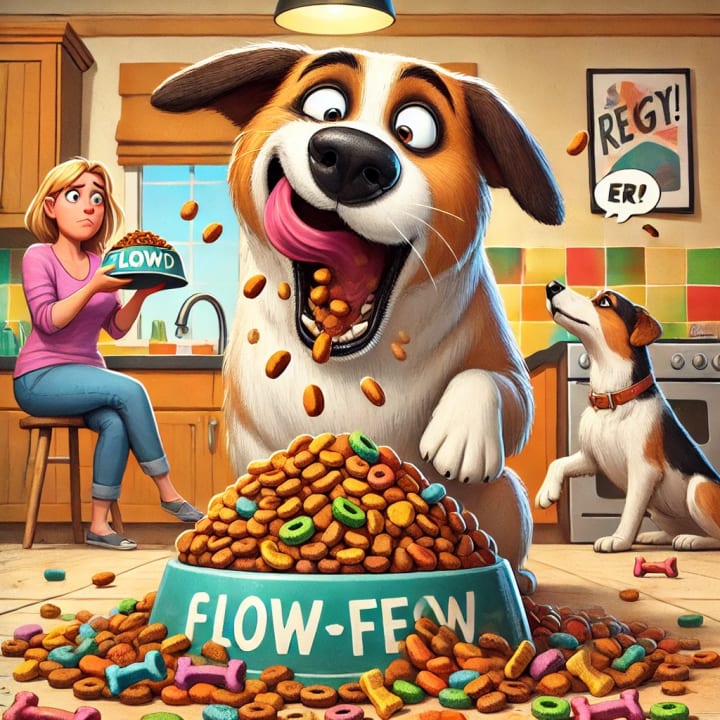
Whether you have a puppy who inhales his food like it's his last meal or a seasoned adult dog with some quirky eating habits, this guide will walk you through the best strategies for slowing your dog down and ensuring they enjoy their meals in a more controlled way.
Why Do Some Dogs Eat So Fast?
Before diving into the "how" of slowing down your dog’s eating habits, it’s important to understand the "why." Just like people, dogs have different eating habits and preferences, and sometimes their behavior is influenced by instinct, excitement, or even health issues. Fast eating can sometimes be a sign of a dog’s excitement or an ingrained habit formed early on. For some dogs, eating quickly might be tied to survival instincts, especially in dogs that are naturally competitive when it comes to food.
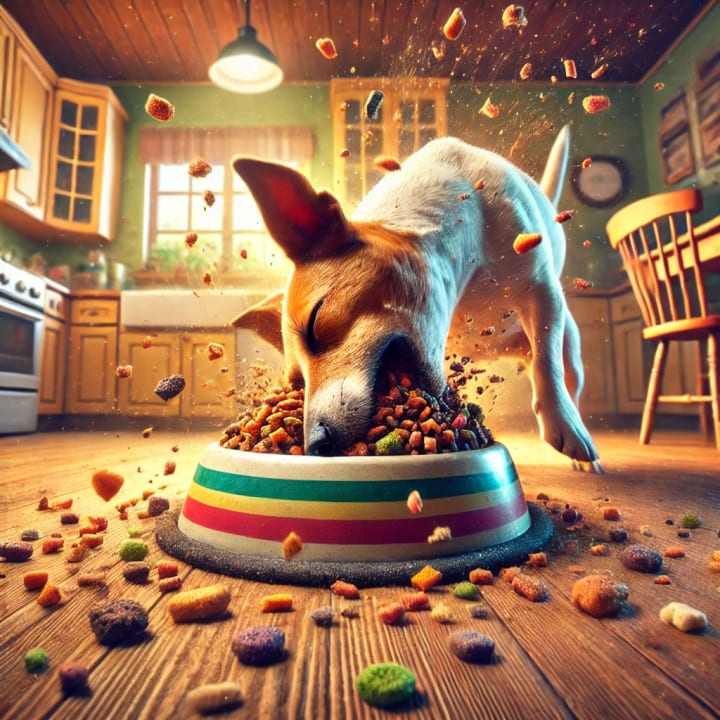
For example, dogs that come from a history of scavenging or being in multi-dog households may have developed a “race to the food bowl” mentality. This behavior can also be compounded if a dog has ever experienced food scarcity, which can make them rush their meals in fear of someone else taking it. And let’s not forget the sheer joy some dogs get from eating itself—because who can blame them? Eating is a delicious and rewarding task for any dog, but it becomes problematic when they eat too fast.
The Risks of Eating Too Quickly - Why Slowing Down Matters
Eating too quickly is not just a behavioral quirk—it can have real health implications for your dog. Dogs that eat too fast are at a higher risk of a condition called gastric dilation-volvulus (GDV), also known as bloat, which is a serious and sometimes life-threatening condition. This is when the stomach fills with gas, food, and fluids, causing it to expand. The stomach can twist, cutting off blood flow and leading to tissue damage, shock, and potentially death.
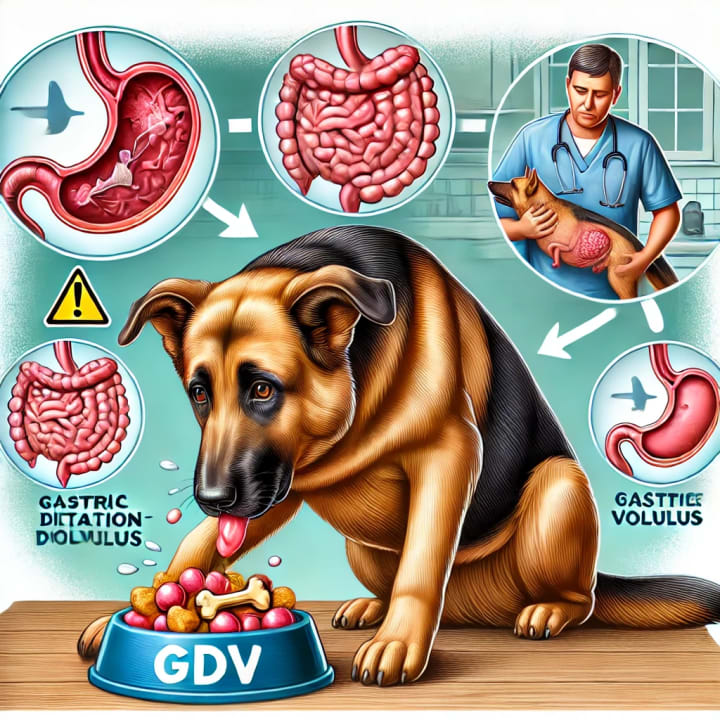
But it’s not just bloat that’s a concern. Eating too fast can also lead to indigestion, bloating, and discomfort, making your dog feel unwell. Additionally, if your dog swallows food too quickly without chewing, they may not be able to fully digest it, leading to stomach upset or even choking on large pieces of food. That’s why slowing down their eating pace is essential for both their mental and physical well-being.
The Best Strategies for Slowing Down Your Dog's Eating
If your dog is a fast eater, it’s time to introduce some strategies to help them eat more slowly and carefully. These solutions are simple, effective, and will not only reduce the risk of health problems but also provide some mental stimulation for your dog. Let’s explore the top ways to help your dog slow down their eating habits.
Slow Feeder Bowls: A Game-Changer for Fast Eaters
One of the simplest and most effective solutions for fast eaters is the slow feeder bowl. These bowls are designed to slow your dog down by incorporating obstacles in the bowl, such as ridges or mazes that your dog must navigate around in order to get to their food. These barriers force your dog to think more strategically about how to eat, which means they take smaller, more deliberate bites.
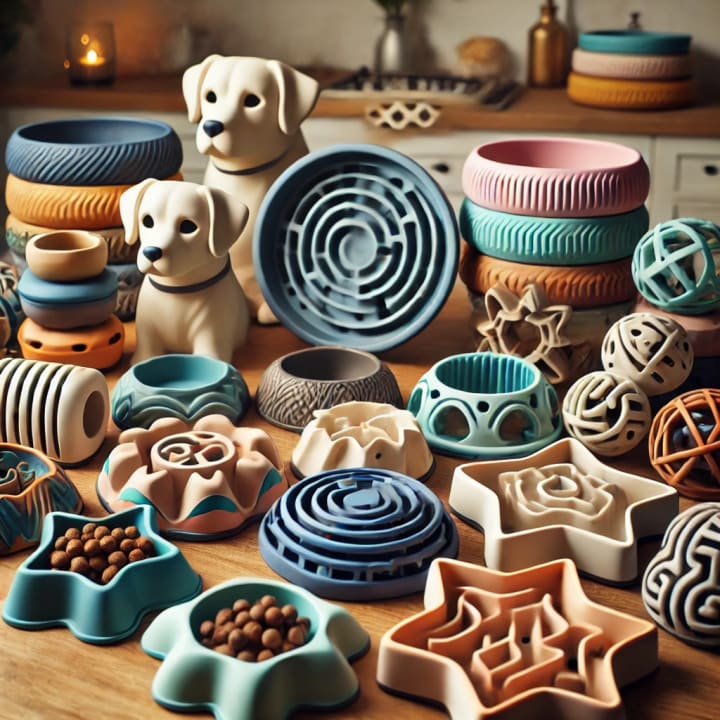
Slow feeder bowls come in various shapes and designs, some with intricate patterns that make your dog work for each bite. The result? Your dog will take much longer to finish their meal, giving their brain time to register fullness and helping prevent the dangers of eating too quickly. I've found that these bowls can turn a 30-second meal into a 10-minute experience, which is a win for everyone involved.
Puzzle Toys: Turning Mealtime into a Fun Challenge
If you want to make mealtime even more exciting for your dog, puzzle toys are an excellent option. These toys are designed to dispense food slowly as your dog works to solve the puzzle. Some puzzles are simple, requiring your dog to nudge the toy around to get food out, while others are more complex, involving different mechanisms or compartments to unlock.
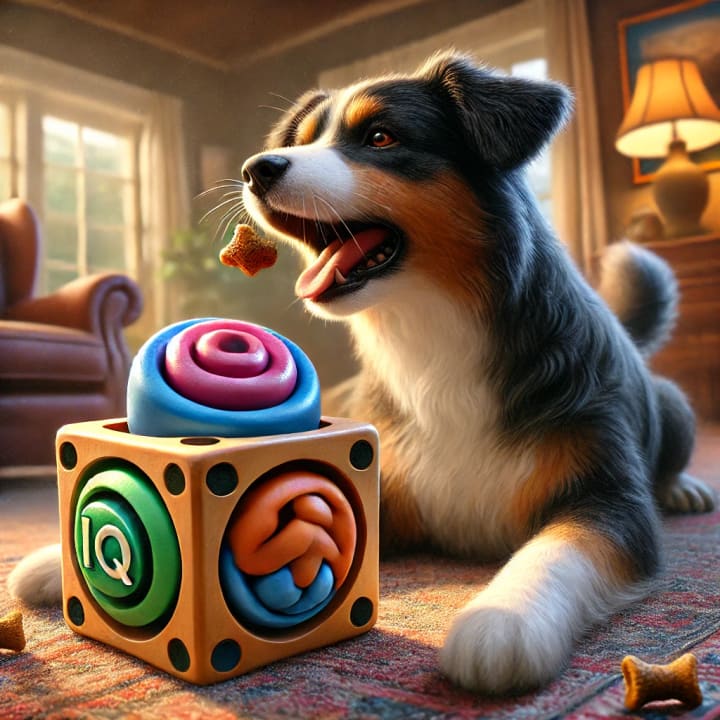
I’ve personally used a puzzle toy called the IQ Ball, which has been a game-changer for my dog. It can take him anywhere from 10 to 20 minutes to finish his meal, depending on how difficult the puzzle is set. Puzzle toys not only slow down your dog’s eating but also provide them with mental stimulation, keeping them engaged and entertained throughout the meal. This is especially helpful for dogs that are food-driven and need something more than just kibble to satisfy their need for a challenge.
Bigger Treats: Slowing Down Snack Time
Sometimes, it’s not just the main meal that’s a concern—it’s snack time too. If your dog swallows treats without chewing, one solution is to simply give them bigger treats that require more chewing. Larger treats force your dog to slow down and spend more time savoring the flavor.
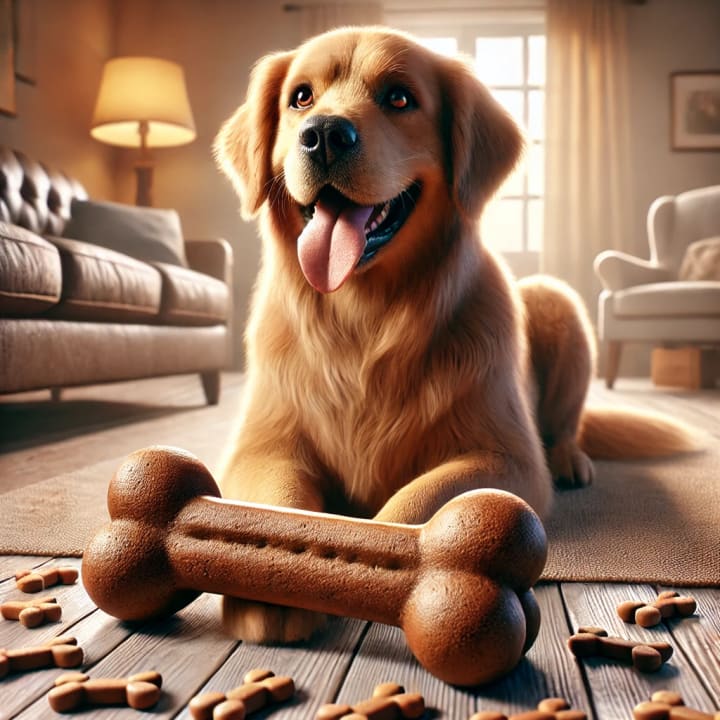
This can be particularly effective for dogs that are very food-motivated but tend to gulp their snacks down too quickly. If your dog eats treats so fast that they barely seem to taste them, try offering larger, more substantial items like bully sticks, bones, or even stuffed Kongs. These not only help slow down their eating but also keep them occupied for longer periods.
Hand-Feeding: Teaching Patience One Bite at a Time
If you want to take control of your dog’s eating habits, hand-feeding them can be a great option. While it might seem a little tedious, hand-feeding can help your dog slow down and focus on each bite. You can even use this time to reinforce good behavior by practicing commands like "WAIT!" or "SIT" before giving them the next bite.
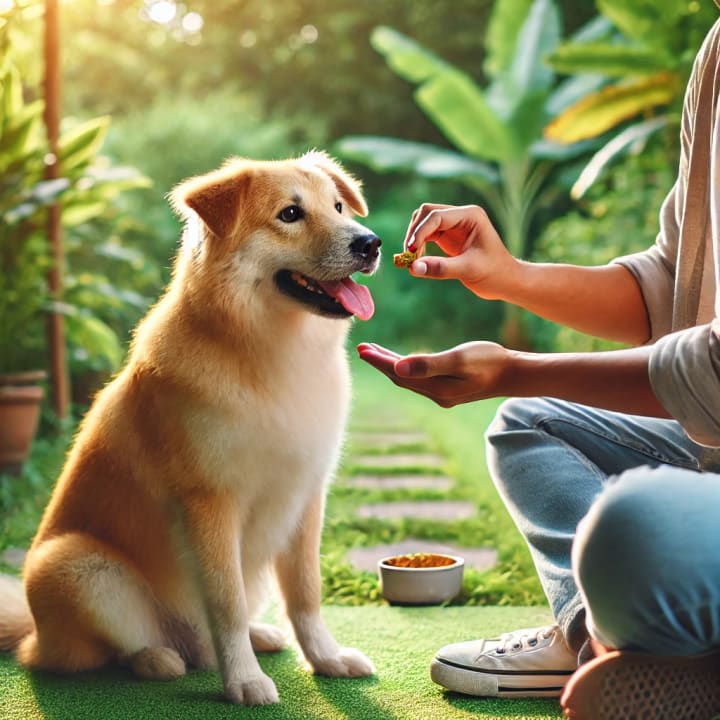
Hand-feeding also gives you an opportunity to monitor your dog’s eating pace closely. For dogs that tend to eat too quickly, breaking the meal down into smaller portions and feeding them one piece at a time can make a big difference. It helps reduce the urge to gulp, and it allows you to praise your dog for eating calmly and patiently.
When Should You Worry About Your Dog’s Eating Habits?
While most dogs will slow down with a few simple changes to their routine, there are times when a sudden change in eating behavior can signal a health issue. If your dog was once a slow eater and suddenly starts devouring food at record speed, or if they begin dropping food from their mouth, it could be a sign of discomfort or dental issues.
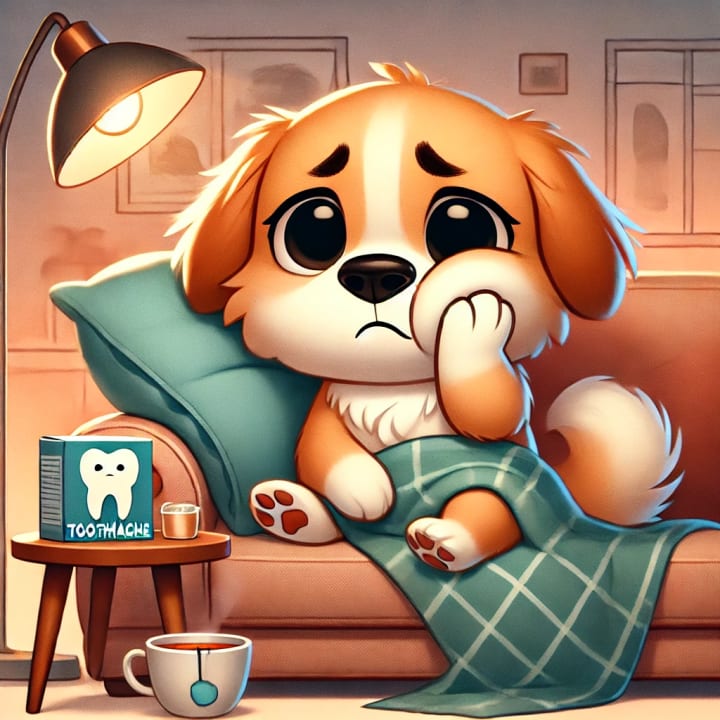
Dogs can experience a variety of dental problems, including periodontal disease, gum inflammation, and tooth abscesses, all of which can make eating painful. If your dog shows signs of pain while eating—such as turning their head to one side, dropping food, or eating more slowly than usual—it’s time to consult your vet. These changes can indicate underlying health issues that require professional attention.
The Role of Diet in Eating Habits
Alongside behavioral strategies, the type of food you feed your dog can also influence how they eat. Kibble, for example, is often easier to swallow than wet food, which may require more chewing. Dogs that are given kibble might chew more, especially if the kibble is crunchy. However, some dogs prefer wet food, which is softer and might lead to faster eating.
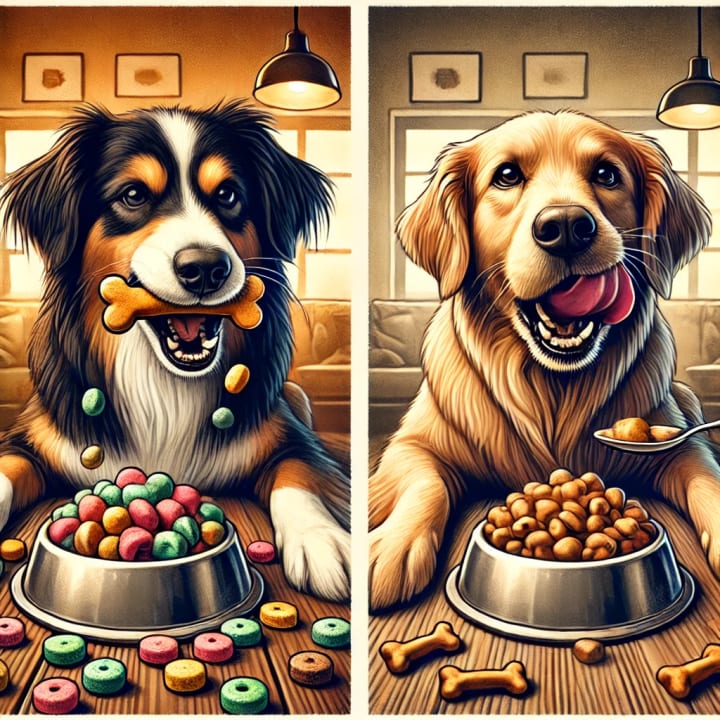
If your dog is consistently eating too quickly and you suspect it’s due to the texture of their food, consider experimenting with different types of food. Sometimes a switch to a larger kibble size or a mix of dry and wet food can encourage your dog to slow down and chew more thoroughly. Additionally, if your dog is eating a food that’s difficult to digest, it might cause them to gobble it up faster in an attempt to feel satisfied.
Why Patience and Consistency Are Key
The key to solving any eating issue is consistency. Whether you use slow feeder bowls, puzzle toys, or hand-feeding techniques, the most important thing is to stick with it. Changes in eating habits take time, and your dog needs to learn to associate mealtime with calmness and enjoyment, not a race to the finish.
Patience is essential—if you remain calm and consistent in your training, your dog will eventually pick up on the desired behavior. Dogs are creatures of habit, so once they get used to eating at a slower pace, it will become their new normal.
The Final Word - Slowing Down for Better Health and Happiness
Ultimately, slowing down your dog’s eating habits isn’t just about reducing mealtime messes—it’s about ensuring they stay healthy and happy. By addressing the issue early, you can prevent future health problems like bloat, choking, or digestive issues. And best of all, you’ll get to enjoy a calmer, more relaxed mealtime with your furry friend.
Remember, every dog is different. Some may take to slow feeders right away, while others might need a little more time. But with patience, consistency, and a few creative strategies, you can help your dog develop healthier eating habits and make mealtime a more enjoyable experience for everyone involved.
Thanks for your reading.
About the Creator
Velveteen Lop Rabbit Lifespan Size Color Diet and Interesting Facts
As we know when people assume Velveteen Lop Rabbit many time the sweet story of the Velveteen Rabbit comes to mind. The name of this breed is not taking from any rabbit, but the book The Velveteen Rabbit have a very cute, sociable, and friendly nature.
By Rabbits Advisor6 days ago in Petlife
Helping Your Elderly Cat Who's Going Blind
When Your Cat Loses Its Sight It can be heartbreaking to watch your beloved kitty go blind. When my cat started to go blind, it was really hard to watch her bump into walls, not to mention the constant loud meowing, which made her sound like she was in excruciating pain. She wasn't. However, she was very confused and scared.
By Janis Masyk-Jackson7 days ago in Petlife


Comments
There are no comments for this story
Be the first to respond and start the conversation.