
How to Stop Your Dog from Lunging at Strangers
If you’ve ever had your dog launch themselves at a passerby, barking furiously, you know how embarrassing and frustrating it can be. But don't worry, you're not alone. Many dog owners struggle with leash reactivity, especially when their furry companions have a tendency to lunge at strangers. And while it might feel like your dog’s behavior is a never-ending battle, trust me, there is hope. It all boils down to one thing: making your dog feel comfortable and confident in these situations. I recently worked with Lulu, a Black Lab rescue, in West LA. Lulu’s got some baggage—he’s a bit anxious, and when people speak to him, he can get startled into barking and lunging. Now, we all know that dog behavior isn’t a one-size-fits-all kind of thing, but after working with Lulu and seeing some significant progress, I wanted to share what worked for him and a few other dogs I’ve trained.

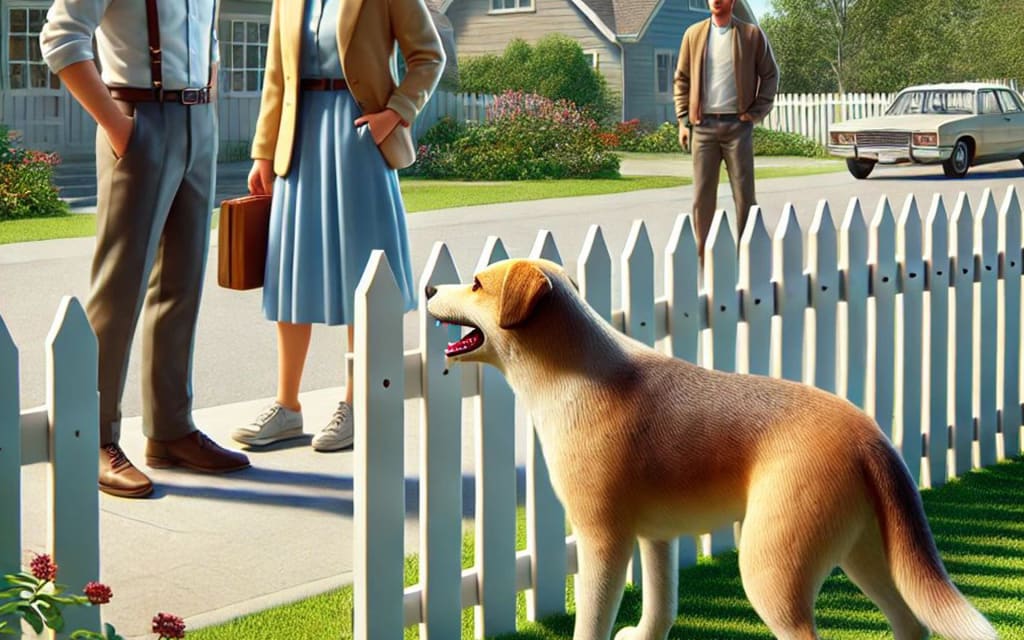
What is Leash Reactivity, and Why Does It Happen?

Leash reactivity happens when a dog becomes overly stimulated or fearful while on the leash. This leads to behaviors like barking, lunging, or pulling at strangers, other dogs, or anything that catches their attention. It’s often a reaction to stress, anxiety, or fear of the unknown. For dogs like Lulu, it’s a mix of both discomfort with new people and a fear of being caught off guard. And while we all want to stop that kind of behavior, it’s important to remember that it’s rooted in something deeper than just “bad manners.”
Dogs who lunge or bark at strangers usually aren’t trying to be aggressive. They’re trying to create space between themselves and whatever is causing them discomfort. This is where understanding the behavior becomes key. You can’t just tell your dog to “stop it” and expect a miracle. It’s about setting them up for success, reinforcing positive behaviors, and showing them that they don’t need to react like this to get what they want.
Step 1: Setting the Right Scene
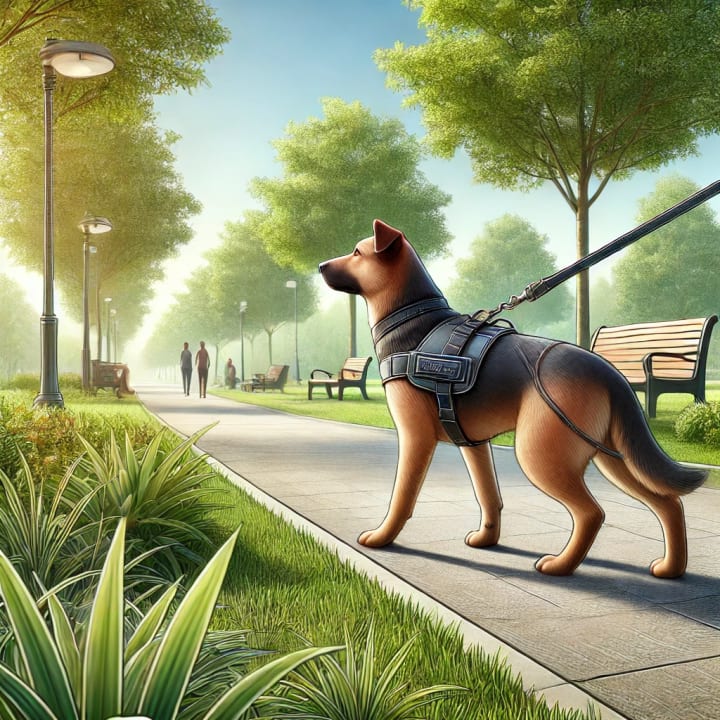
Before you start working on leash reactivity, you need to set the right environment. Take it from me—training in the middle of a busy downtown street is a no-go. We need to make sure your dog feels relaxed enough to learn. For Lulu, I chose a beautiful park. The wide open green space helped calm him down, and we met during non-peak hours so there weren’t too many distractions. You want your dog to be able to sniff and explore without feeling overwhelmed by too much noise or activity.
Step 2: Preemptively Interrupting the Behavior

Now, let’s talk about Behavior Adjustment Training (BAT), which is essentially what we’re doing here. When your dog starts to get anxious or reactive, you want to redirect them before they go full throttle. The key is to anticipate their reactions—if they’re about to lunge or bark, you need to act fast.
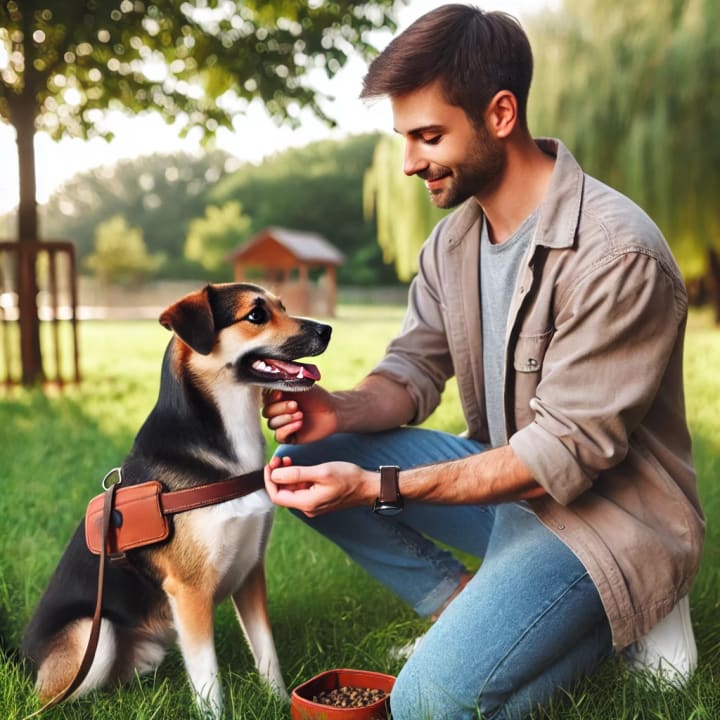
One of my favorite ways to do this is with the Find It game. Here’s how it works:
- Show your dog a treat, and say “Find it!”
- Toss the treat on the ground in front of them.
It’s simple, but effective. This game not only gets their mind off whatever’s stressing them out, but it also teaches them that good things happen when they focus on the ground rather than the source of their anxiety (in this case, a stranger).
The trick is timing. You need to do this the second your dog starts to get uncomfortable, not after they’ve already launched into a full-blown barking fit. If you wait too long, they’ll miss the cue, and the behavior will continue. If you catch them early enough, they’ll start to associate the presence of strangers with the reward of sniffing around for treats instead of barking and lunging.
Step 3: Incorporating Other Cues

While “Find it” is a solid go-to, sometimes I mix things up. I like to combine it with other simple cues, like hand targeting or basic obedience commands. For instance, I’ll have the dog target my hand when they start to get anxious or frustrated. This gives them something to focus on that isn’t the person or dog they’re reacting to.
These little breaks give your dog time to reset and calm down. It’s essentially desensitization combined with counterconditioning. The idea is that, over time, your dog will start to feel less anxious around strangers because they associate those situations with positive experiences instead of stress. It’s like teaching your dog to chill when someone approaches, instead of instantly going into fight-or-flight mode.
Step 4: Practice, Practice, Practice

Lulu's guardian practiced this exercise regularly, and I recommend 20-30 minute training sessions a couple of times a week. Consistency is key, but don’t overdo it. You want your dog to stay engaged and avoid exhaustion. Training should always be fun—not a chore!
Since Lulu was most reactive when people called his name, I also suggested that his guardian try to make friends with people at the park. By meeting the same people regularly, Lulu can begin to associate those faces with positive experiences. Eventually, strangers won’t be such a big deal to him. It’s all about building familiarity and comfort.
Step 5: Redirecting Leash Pulling
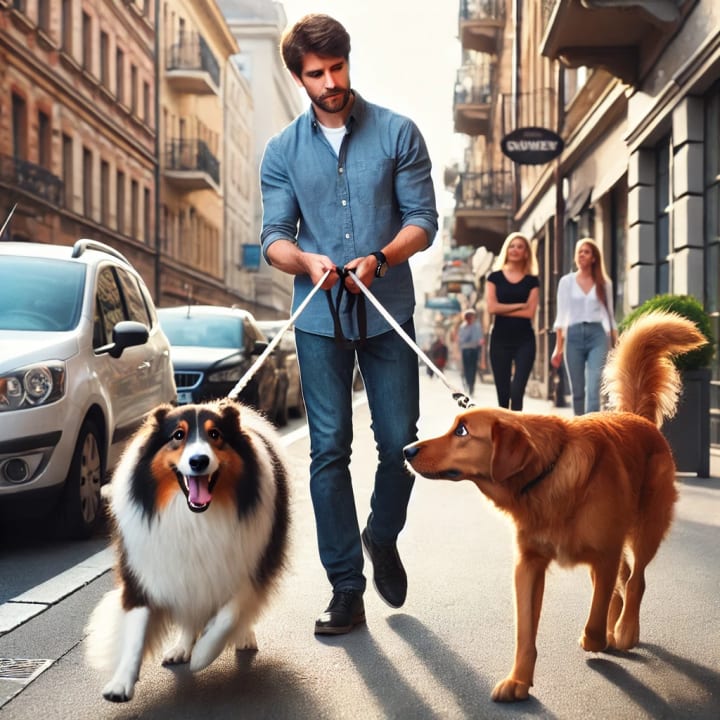
I’ve also worked with dogs that pull excessively on the leash or get distracted by other dogs. One method I’ve had great success with involves a simple, but firm approach: The “Three-Strike” rule.
Here’s how it goes:
- When your dog pulls on the leash, stop immediately. Say “That’s ONE!” in a calm voice.
- Reset your dog at your side and begin walking again.
- If they pull again, stop. Say “That’s TWO!” and reset them.
- The third time they pull, say “That did it! That’s THREE!” and turn around to walk back home.
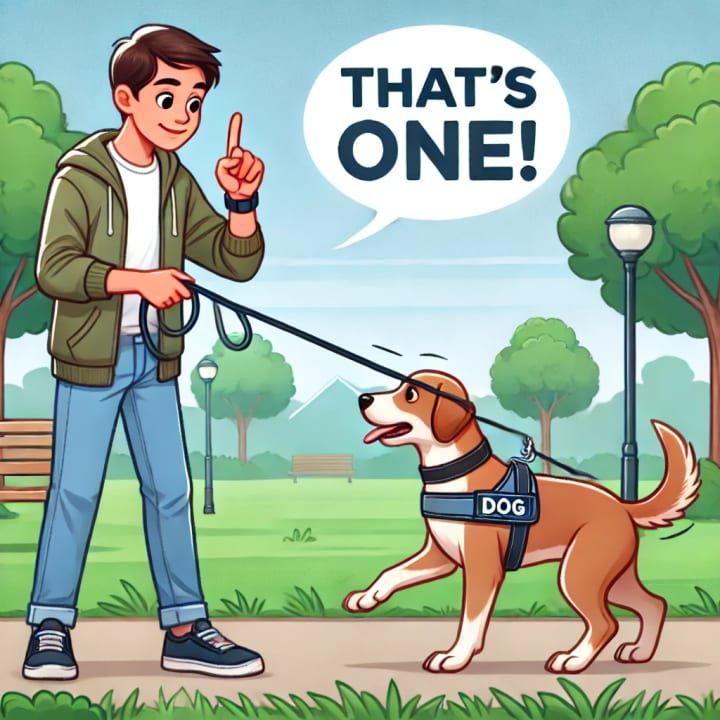
Now, here's the important part: You don’t drag your dog. You just keep walking in the opposite direction, and let them know that pulling leads to the walk being over. After the timeout, ignore them for a bit, and then go for another walk. The key is to never scold, shout, or punish. You’re simply setting boundaries. The dog learns that pulling results in the end of the walk, and eventually, they’ll stop pulling to avoid missing out.
This works wonders because, instead of punishing the dog, you’re teaching them that calm behavior leads to good things (like a walk), and pulling doesn’t. Dogs are quick learners, and they love to please when they know what’s expected of them.
Step 6: Building Trust Through Patience
The most important thing in all of this is patience. Trust me, I’ve worked with dogs that were so headstrong, they would take weeks to make any noticeable progress. But once they understand the rules, they’re more likely to follow them. With the “Three-Strike” method, dogs learn what’s expected, and the consistency you provide builds trust between you and your dog.
It’s important to never get frustrated or angry. Dogs can sense your emotions, and if they sense tension or frustration, it only adds to their anxiety. Instead, focus on calmness and consistency, and let your dog know they’re loved and safe. Dogs that know they can trust you are more likely to listen and less likely to act out.
Why Positive Reinforcement Wins Every Time
When it comes to training, positive reinforcement is always the best route. I’ve worked with enough dogs to know that punishment-based methods just don’t work in the long run. In fact, they often make the problem worse by fostering fear or aggression. I’ve seen too many dogs who were misunderstood or punished into submission, and it always leads to unwanted behaviors.

By using positive reinforcement, whether it’s through treats, praise, or simple affection, you’re teaching your dog that calm behavior brings rewards. This creates a cycle of good behavior and trust, which will make your dog not just more obedient, but also happier overall.
Conclusion
By now, you’ve got the tools to start tackling leash reactivity and anxiety in your dog. Whether you’re working with a nervous rescue like Lulu, or a headstrong pup who’s testing your patience, remember that consistency, patience, and positive reinforcement are key. With time, your dog will learn that calm behavior leads to good things, and they’ll start to relax around strangers and other distractions.
It’s not going to happen overnight, but with the right techniques and a little bit of love, you’ll both get there. And hey, at least you won’t have to apologize to random strangers at the park anymore!
Thanks for your reading!




Comments
There are no comments for this story
Be the first to respond and start the conversation.