
How to train a dog not to eat poisoned food
Training your dog to avoid toxic foods and hazardous substances is essential for their safety and well-being. From teaching basic commands like "Leave it" to making your home environment more dog-friendly, this guide offers practical steps to prevent your dog from eating dangerous items. Whether it’s food, household chemicals, or poisonous plants, proper training and awareness can help protect your furry friend. Learn how to implement impulse control techniques, keep harmful foods out of reach, and use tools like muzzles for added safety. With patience and consistency, you can ensure your dog stays happy and healthy while avoiding dangerous situations.
How to Train Your Dog to Avoid Eating Toxic Food - A Step-by-Step Guide
We’ve all been there: your dog sticks its nose where it absolutely shouldn’t. Whether it’s sneaking a snack from the fridge, rummaging through the trash, or finding something foul during a walk, it’s a real challenge. And let's face it, sometimes it can be more than just a hassle—it can be dangerous. As dog owners, we know that some of the most common household items and foods can pose a serious risk to our furry companions. From chocolate and milk to cleaning products and poisonous plants, the list of things your dog should avoid is long and often overlooked.
But don't panic! With a little time, patience, and some basic training, you can teach your dog to resist temptation, stay safe, and live their best, healthiest life. In this article, we’ll walk through some key methods to stop your dog from eating toxic food—whether it's from your kitchen, your garden, or even during walks. Let’s dive in.
1. Train Your Dog to Leave It
One of the most important skills you can teach your dog is impulse control, and the command "Leave it" is a game-changer when it comes to keeping them safe.
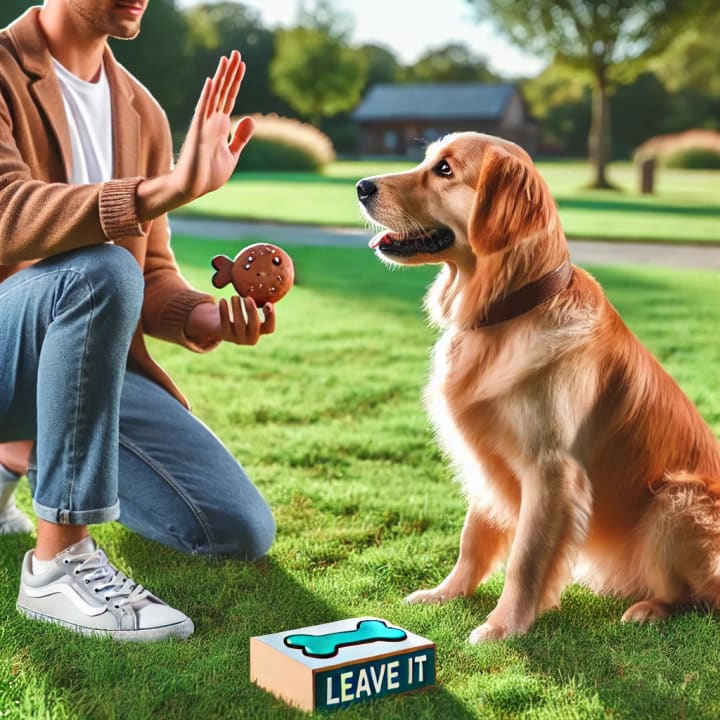
Training your dog to leave potentially dangerous items behind is essential. This is not an instant fix—it’s an ongoing process that requires consistency and patience. But don’t worry! With the right approach, your dog will get the hang of it.
The Impulse Control Program - A Great Tool
A fantastic tool for teaching impulse control is the Impulse Control Program available on the Dogo app. This program breaks down training into manageable tasks that you and your dog can tackle together. Whether you're teaching basic commands like “sit” or “stay,” or more advanced ones like “leave it,” the app provides a structured way to progress.

Start with simple commands and gradually increase the difficulty. For example, ask your dog to leave food on the floor, then move to more complex scenarios, like avoiding a dropped piece of chocolate (which is especially tempting for some dogs).
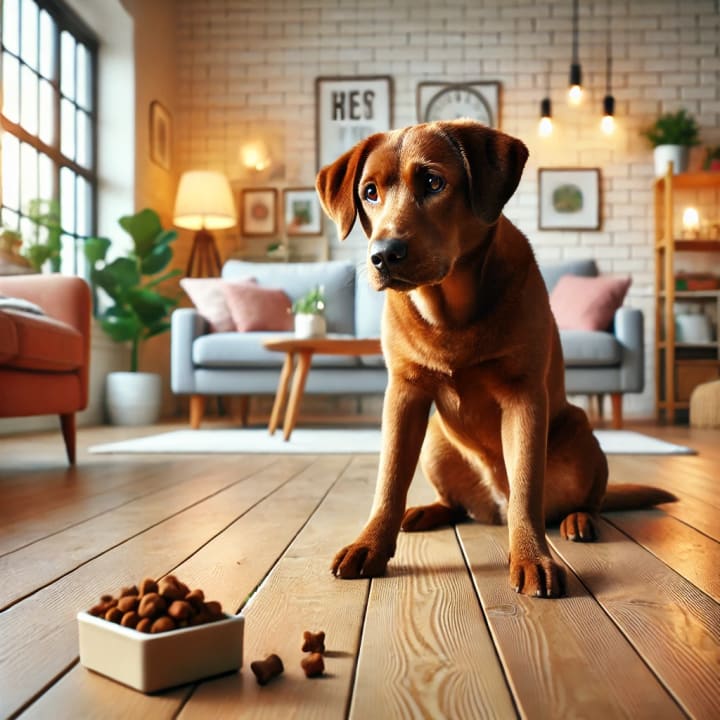
Remember, training is about creating a bond and having fun. Positive reinforcement—praise, treats, and affection—is key. When your dog successfully follows the command, reward them! Over time, your dog will begin to associate the “leave it” command with good things, making it easier to enforce.
2. Keep Harmful Foods Out of Reach
It’s easy to forget that dogs don’t have the same understanding of “human food” as we do. To them, everything is up for grabs. This means your dog could easily find themselves nibbling on something they shouldn't, whether it’s a leftover meal, a snack you’ve forgotten about, or something that’s been carelessly left within reach.
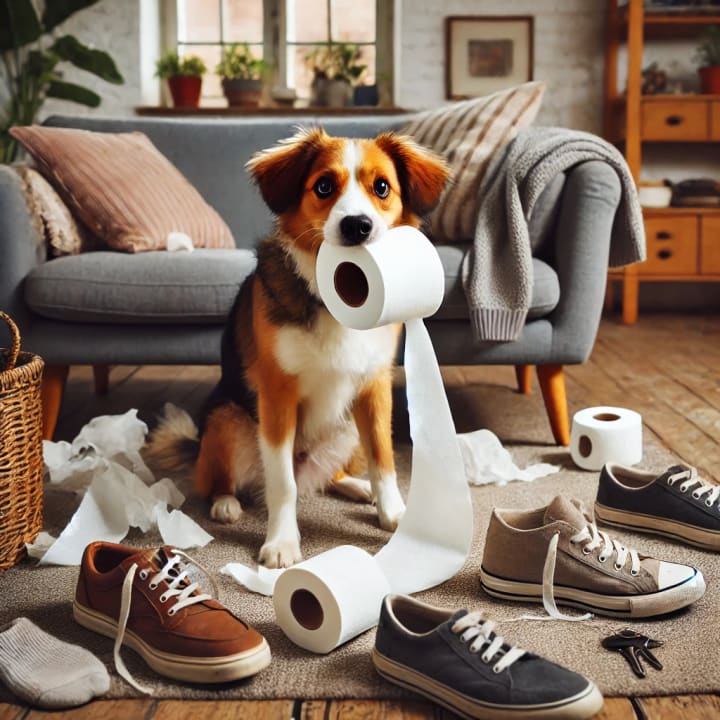
While this might sound like common sense, it’s worth repeating: keep toxic foods well out of your dog’s reach. For some dogs, this means taking extra precautions.
What to Keep Away
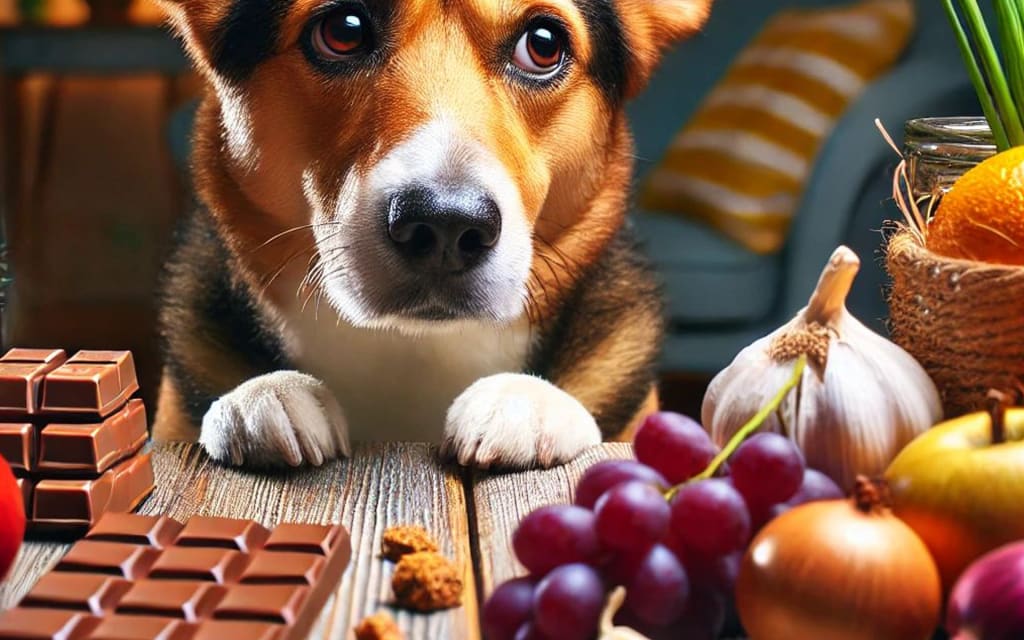
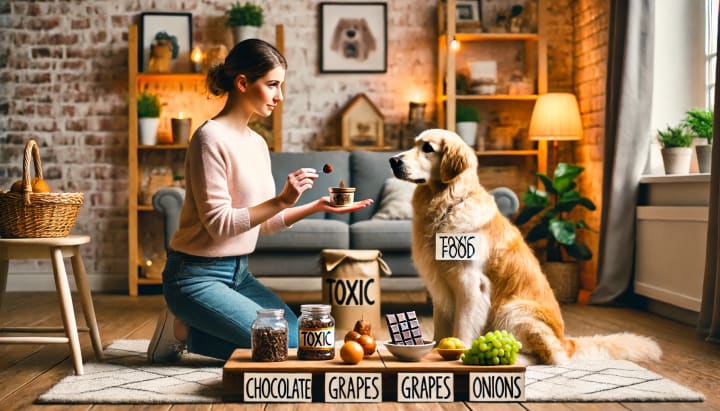
Here are some common household foods that are dangerous to dogs:
- Chocolate: A classic poison for dogs.

- Milk and Dairy: Many dogs are lactose intolerant.
- Nuts: Particularly macadamia nuts, which can cause weakness and tremors.
- Grapes and Raisins: Can cause kidney failure.
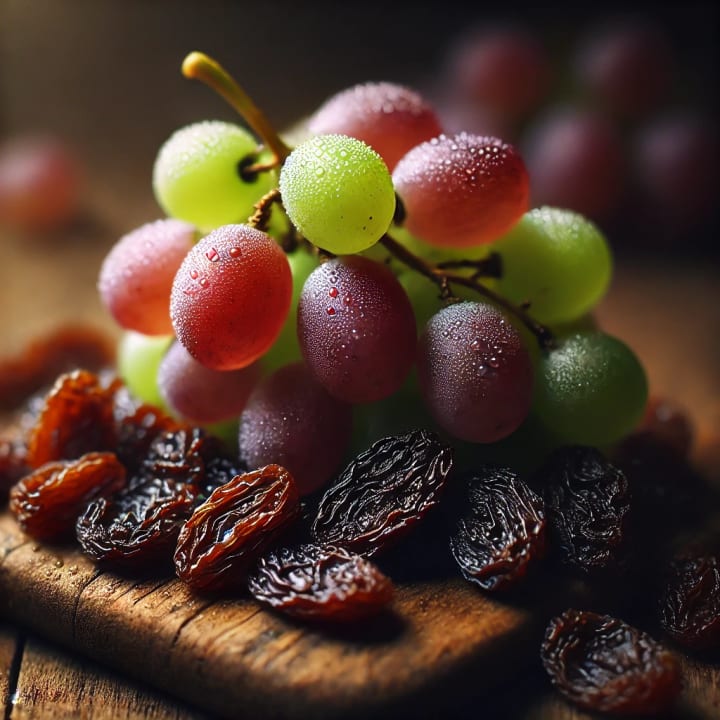
- Onions and Garlic: Harmful to red blood cells and can lead to anemia.
Store foods in secure places. If your dog has a knack for rummaging, consider using childproof locks on cabinets or even a dog-proof fridge. If your dog has gotten into something they shouldn’t have, act quickly and contact your vet. Prevention is always better than the cure.
3. Make Sure Toxic Household Products Are Safely Stored
It's not just food that you need to worry about. Many household cleaning products, pesticides, and fertilizers contain chemicals that are harmful to dogs. Even something as simple as bleach or floor cleaner can be incredibly toxic if ingested.
Eco-Friendly Alternatives
Switching to non-toxic cleaning products can be an easy way to keep your dog safe. There are plenty of pet-safe cleaning products on the market. If you’re feeling adventurous, you can even make your own DIY cleaners using natural ingredients like vinegar, baking soda, and lemon juice.
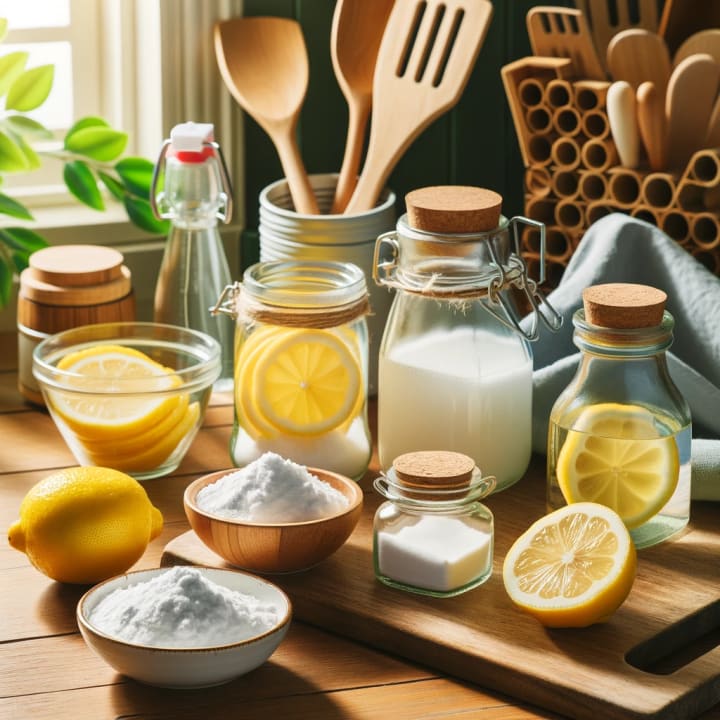
It’s also essential to monitor any medications or human products that could pose a danger. Some dogs are particularly curious and will get into your medicine cabinet. Keep all medications locked away in a safe place and out of reach.
4. Keep an Eye on Poisonous Plants
If you’ve ever taken your dog for a walk and watched them sniff or nibble at something they shouldn’t, you know how fast things can go from calm to chaotic. Some plants are poisonous to dogs, and it’s crucial to be aware of these dangers when walking your pup.
Common Toxic Plants
- Lilies: Beautiful but deadly to dogs.

- Azaleas: Can cause vomiting, diarrhea, and even coma.
- Daffodils and Tulips: Can cause gastrointestinal upset and more severe symptoms like cardiac arrhythmias.
Before planting anything in your garden, double-check to make sure it’s safe for your dog. If you live in an area with toxic plants, keep your dog on a leash or opt for a pet-friendly walking route.
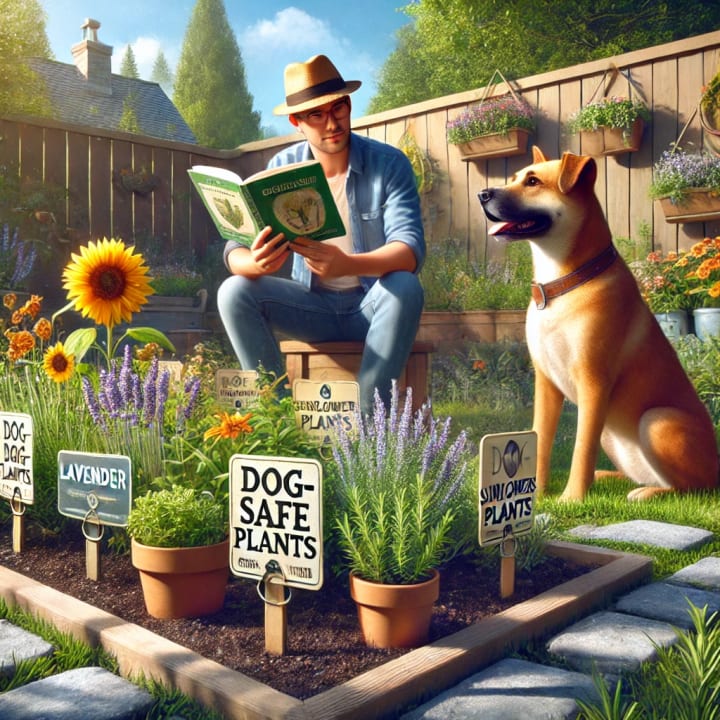
If your dog does ingest a poisonous plant, don’t hesitate to contact your vet. The quicker you act, the better the chances of a successful recovery.
5. Teach Your Dog Not to Eat Anything Off the Ground
Training your dog not to eat things off the ground is one of the best forms of poison prevention. Many dogs, especially puppies and particularly food-driven breeds, are notorious for picking up anything they can find during walks. That piece of meat someone dropped in the park? That half-eaten sandwich in the corner of the street? These are dangerous temptations.
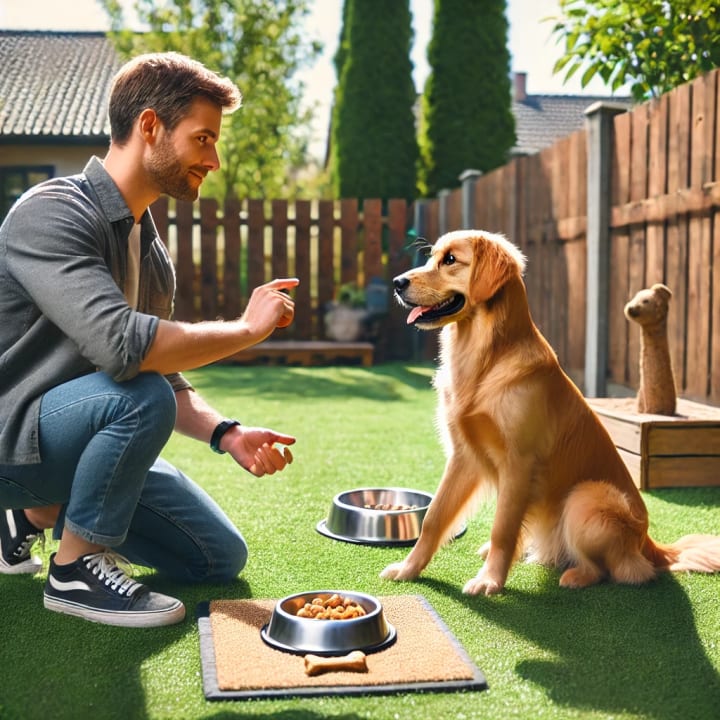
Anti-Poison Bait Training
This type of training is particularly useful for dogs who will eat anything and everything, including potentially toxic food or bait. The goal is to teach your dog that they should never eat something they find without your permission.
Here’s how you can approach it:
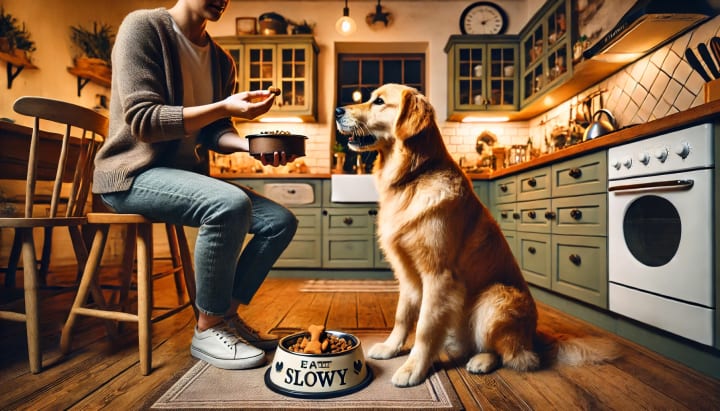
1. Start at Home: Begin by teaching your dog to eat slowly and not gobble up everything. Use a calm, controlled approach and give them tasty alternatives to encourage proper eating behavior.
2. Introduce Bait: During your walks, place treats in areas where you’ll pass by. These should be appealing, but not irresistible (like a super fancy meatball). You want your dog to be tempted but able to resist.
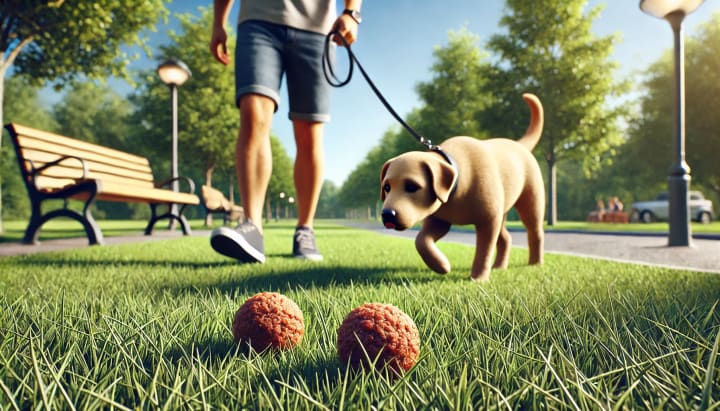
3. Use Commands and Redirect: As your dog notices the bait, use a command like "Leave it!" and gently pull them away with the leash. Reinforce this behavior with praise and rewards when they obey.

4. Increase Difficulty: Once your dog is consistently ignoring less tempting treats, you can increase the challenge with more alluring bait (like liverwurst). Practice in different environments to help your dog generalize the behavior.
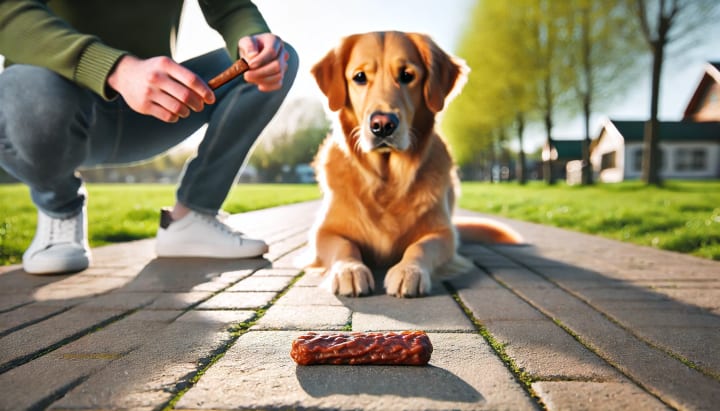
5. Repeat Regularly: Repetition is key. A short, 10-minute session three times a week can go a long way in building this crucial habit.
6. Consider a Muzzle for Added Protection
Sometimes, despite all your best efforts, your dog’s curiosity gets the better of them, and you just can't risk them eating something dangerous. In these situations, a muzzle can be a temporary solution to keep your dog safe while you're still working on training.
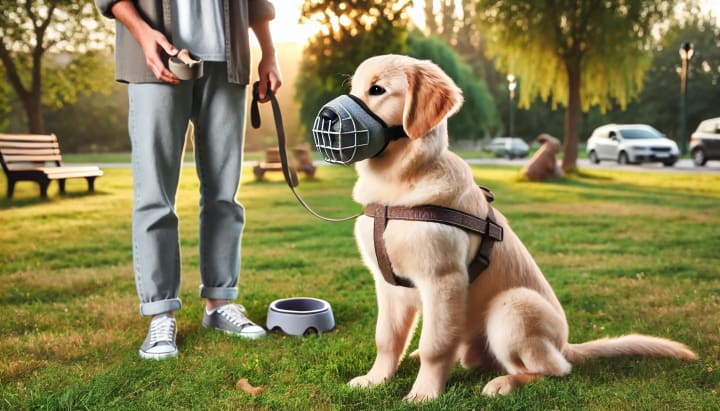
A muzzle can help prevent your dog from eating harmful substances during walks or when left unsupervised. Of course, this should be seen as a supplementary tool, not a substitute for training.
Conclusion - Prevention Is Key, but Patience Pays Off
Training your dog to avoid toxic food and substances is no small feat, but it’s worth the effort. Whether you're teaching them the basics of impulse control or ensuring that they stay safe on walks, your dog's health is in your hands. Through consistent training, creating a safe environment, and staying aware of what your dog is getting into, you’ll be well on your way to keeping your furry friend safe from harm.
And remember, no one’s perfect—dogs are curious creatures by nature, and accidents do happen. But with the right approach, you can minimize risks and enjoy a long, happy life together.
So, keep training, keep an eye out for potential hazards, and most importantly, keep enjoying the time you spend with your four-legged companion. Because at the end of the day, their safety is your top priority.
Thanks for your reading.
About the Creator
Velveteen Lop Rabbit Lifespan Size Color Diet and Interesting Facts
As we know when people assume Velveteen Lop Rabbit many time the sweet story of the Velveteen Rabbit comes to mind. The name of this breed is not taking from any rabbit, but the book The Velveteen Rabbit have a very cute, sociable, and friendly nature.
By Rabbits Advisor5 days ago in Petlife
Helping Your Elderly Cat Who's Going Blind
When Your Cat Loses Its Sight It can be heartbreaking to watch your beloved kitty go blind. When my cat started to go blind, it was really hard to watch her bump into walls, not to mention the constant loud meowing, which made her sound like she was in excruciating pain. She wasn't. However, she was very confused and scared.
By Janis Masyk-Jackson7 days ago in Petlife
A Transparent Look at Vocal Challenges and Top Stories
Almost three years ago, we shared a resource article that served as a place for people to suggest new challenge prompts. We thought it would be a good idea to refresh that thread, and take the opportunity to answer a few common questions about top stories, how challenges are judged and how submissions are reviewed.
By Vocal Curation Team4 days ago in Resources


Comments (1)
I love dogs ✍️⭐️♦️♦️♦️