
Ramadan: A Month of Fasting, Reflection, and Spiritual Grow
Understanding Ramadan: The Holiest Month in Islam

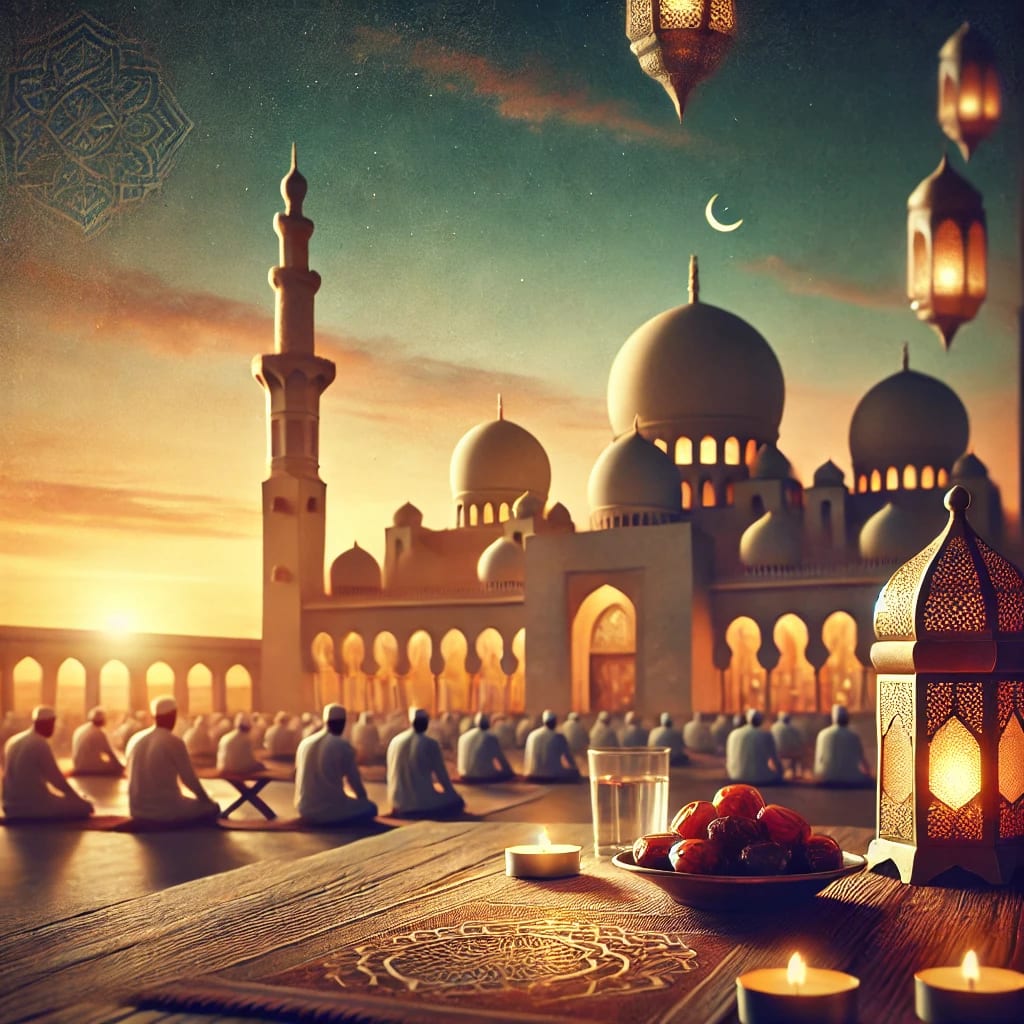
Ramadan is one of the most sacred months in the Islamic calendar, observed by over a billion Muslims worldwide. It is a time of fasting, prayer, self-reflection, and spiritual renewal. The significance of Ramadan goes beyond just abstaining from food and drink; it is about discipline, purification, and reconnecting with God.
Falling in the ninth month of the Islamic lunar calendar, Ramadan commemorates the first revelation of the Quran to the Prophet Muhammad (peace be upon him). For 29 or 30 days, Muslims around the world fast from dawn until sunset, dedicating themselves to worship, charity, and self-improvement.
This article will explore the meaning of Ramadan, the practice of fasting, the significance of Tarawih prayers, and other important customs observed during this blessed month.
The Practice of Fasting in Ramadan
1. What is Fasting?
Fasting in Ramadan, known as Sawm, is one of the Five Pillars of Islam—the fundamental acts of worship that every Muslim adheres to. During this time, Muslims refrain from eating, drinking, smoking, and engaging in sinful behavior from Fajr (dawn) to Maghrib (sunset).
2. The Purpose of Fasting
The purpose of fasting is not just about physical restraint but also about spiritual purification and developing self-discipline. It teaches:
Patience and self-control – Fasting helps individuals resist temptations and strengthens their ability to control their desires.
Empathy and compassion – Experiencing hunger and thirst allows Muslims to feel what the less fortunate go through daily, encouraging generosity and charity.
Spiritual closeness to God – By focusing on worship, prayer, and reading the Quran, Muslims seek forgiveness and strengthen their faith.
3. Who Must Fast?
Fasting during Ramadan is obligatory for all adult Muslims, except for those who are sick, traveling, elderly, pregnant, nursing, or experiencing menstruation. Those unable to fast due to medical reasons can either make up the missed fasts later or offer fidya (charitable compensation).
4. Suhoor and Iftar: The Two Meals of Ramadan
Suhoor: The pre-dawn meal before the fasting period begins. It is highly encouraged as it provides energy throughout the day.
Iftar: The meal that breaks the fast at sunset. Traditionally, Muslims break their fast with dates and water, following the practice of the Prophet Muhammad (PBUH), before enjoying a nutritious meal.
The Night Prayers: The Beauty of Tarawih
1. What is Tarawih?
One of the unique aspects of Ramadan is the nightly Tarawih prayer, a special prayer performed after Isha (night prayer). It is a voluntary act of worship but widely practiced in mosques around the world.
Tarawih consists of long recitations of the Quran, and in some mosques, the entire Quran is completed over the course of the month. Some people pray 8 rak'ahs, while others complete 20 rak'ahs based on different traditions.
2. The Spiritual Benefits of Tarawih
Strengthening the connection with the Quran – Listening to the beautiful recitation of the Quran every night deepens one’s understanding of Islam.
Building community – Mosques are filled with people standing shoulder to shoulder in prayer, fostering unity and spiritual brotherhood.
Seeking forgiveness – The Prophet Muhammad (PBUH) said, "Whoever stands in prayer during Ramadan with faith and seeking reward, his past sins will be forgiven." (Sahih al-Bukhari)
Acts of Worship and Charity During Ramadan
1. Reading and Reflecting on the Quran
Ramadan is known as the month of the Quran because the first revelation was sent down during this time. Many Muslims set a goal to complete the entire Quran during the month, either by reading alone or listening to its recitation.
2. Increased Charity and Zakat
Giving charity, known as Sadaqah, is highly encouraged during Ramadan. Many Muslims also give Zakat (mandatory almsgiving) during this time, ensuring that the poor and needy are taken care of. The Prophet Muhammad (PBUH) was known to be especially generous during Ramadan, setting an example for all.
3. Seeking Forgiveness and Making Du’a (Supplication)
Muslims dedicate more time to prayers and supplications (du’a), asking for forgiveness, guidance, and blessings. The last 10 nights of Ramadan are particularly special because Laylat al-Qadr (The Night of Power) falls within them. Worship on this night is said to be better than a thousand months.
Eid al-Fitr: The Celebration at the End of Ramadan
After a month of fasting, Ramadan concludes with the joyous celebration of Eid al-Fitr, also known as the Festival of Breaking the Fast. It is a day of gratitude, prayer, and community celebration.
1. How is Eid al-Fitr Celebrated?
Special prayers – Muslims gather in mosques or open fields to perform the Eid prayer.
Giving Zakat al-Fitr – A special charity is given before Eid to ensure that the poor can also celebrate.
Feasting and visiting loved ones – Families prepare delicious meals and exchange gifts, spreading happiness and unity.
Wearing new clothes – Many people wear their best outfits as a symbol of renewal and gratitude.
Conclusion: A Month of Transformation
Ramadan is more than just abstaining from food and drink; it is a time of self-improvement, devotion, and renewal. It reminds Muslims of their spiritual responsibilities, encourages generosity, and strengthens bonds with family, community, and God.
Through fasting, prayer, charity, and reflection, Muslims emerge from Ramadan spiritually purified and ready to carry its lessons throughout the year.
As Ramadan approaches, it is a time to prepare not just our bodies, but our hearts and minds, so we can fully embrace its blessings and emerge as better versions of ourselves.
About the Creator
Ahmet Kıvanç Demirkıran
As a technology and innovation enthusiast, I aim to bring fresh perspectives to my readers, drawing from my experience.
Keep reading
More stories from Ahmet Kıvanç Demirkıran and writers in Longevity and other communities.
Eterna: The Death of Immortality
**Eterna: The Death of Immortality** *When science conquers mortality, what remains of humanity?* Dr. Elias Vance stood before the gathered elites of the world, his hands clasped in victory. Behind him, a glass chamber housed the culmination of his life’s work: **Eterna**, a serum capable of halting cellular degradation indefinitely. The packed auditorium sat in breathless silence, waiting for the final words that would forever redefine life itself.
By Ahmet Kıvanç Demirkıran11 months ago in Longevity
Day 4 of Quitting
If this is how sobriety feels, maybe it’s better to go through life a little buzzed… this, along with other hits like, I want to kill myself, I wish I was dead, and I’m going to throw myself off a bridge have been the only thoughts on rotation these past few days. I promise myself that if, in a month, I still feel like this (‘this’ meaning despondent, full of rage, and simultaneously numb) I can go back to smoking. Until mid-February though? Nicotine is off the table.
By sleepy drafts10 days ago in Longevity
Saudi Arabia Generic Drugs Market Size and Forecast 2025–2033
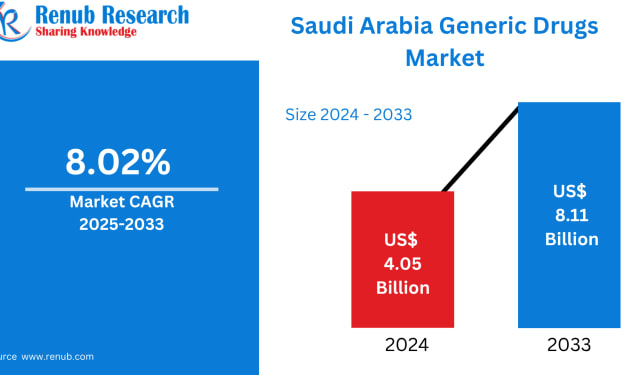
Saudi Arabia Generic Drugs Market Outlook The Saudi Arabia Generic Drugs Market is anticipated to grow to US$ 8.11 billion by 2033 from US$ 4.05 billion in 2024, expanding at a CAGR of 8.02% during 2025–2033. This growth is attributed to rising healthcare needs, proactive government efforts to curb pharmaceutical expenditure, and increasing awareness of cost-effective medication alternatives. Expanding domestic pharmaceutical manufacturing and regulatory support for generics are further strengthening the market’s long-term outlook.
By Marthan Sir2 days ago in Longevity



Comments
There are no comments for this story
Be the first to respond and start the conversation.