
Why Did the World Ignore This Island for 15 Years? The Forgotten Story of Tromelin Island
Stranded for 15 Years: The Unbelievable Tale of Survival on a Forgotten Island

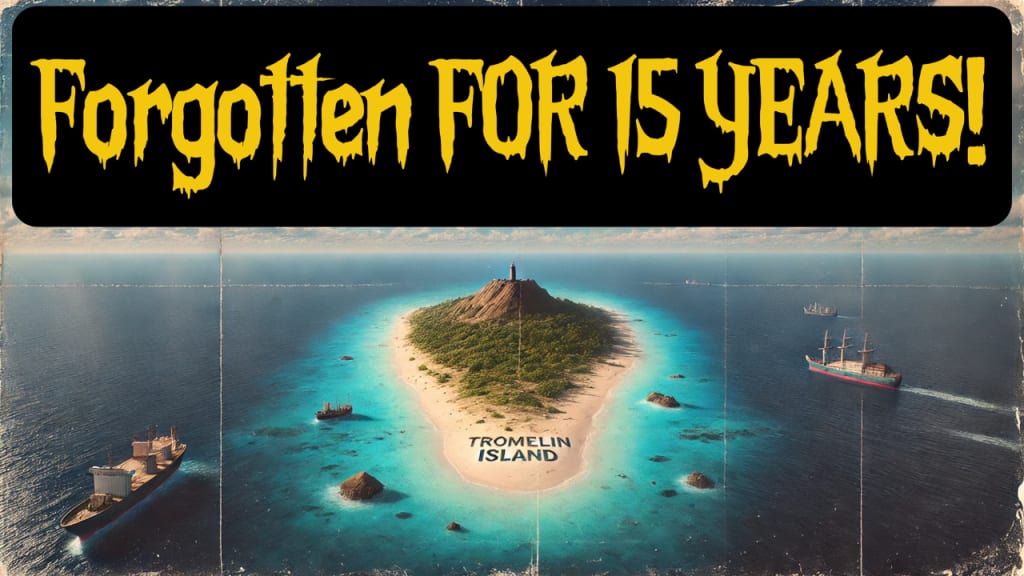
In the middle of the vast Indian Ocean lies a small, seemingly insignificant patch of land known as Tromelin Island. At just one mile long and half a mile wide, it's the kind of place that might go unnoticed by even the most seasoned sailor. Yet, buried beneath its sandy surface is a harrowing tale of survival, human endurance, and the tragic consequences of colonial greed.
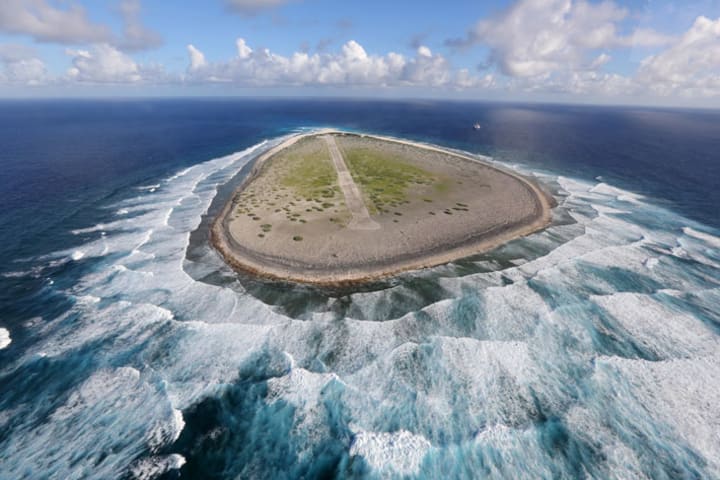
The story of Tromelin Island dates back to the 18th century, a time when the Indian Ocean was a crossroads for colonial powers, slave traders, and explorers. What makes this tiny island stand out from the countless other remote atolls scattered across the ocean is the incredible, almost forgotten story of 80 Malagasy slaves, abandoned for 15 years on this barren land. Their journey is one of unimaginable hardship, resilience, and a fight against both the elements and indifference from the world around them.
The Journey of L’Utile: A Mission Fueled by Greed
In 1761, the French East India Company sent L’Utile, a ship captained by Jean de Lafargue, on a secret mission to transport slaves from Madagascar to Mauritius. The trade of human lives was officially illegal at the time, but that didn’t stop Lafargue from seeking profit through the illicit slave trade. Aboard his ship were 160 Malagasy men, women, and children, packed tightly in the hold, destined for the slave markets.
As the ship sailed across the Indian Ocean, it encountered treacherous waters. Navigational charts available to the crew were outdated and contradictory, leading them directly into disaster. On the night of July 31, 1761, L’Utile struck the coral reefs surrounding a desolate patch of land known as Sand Island, now Tromelin Island. The shipwreck was catastrophic, and within minutes, the sea claimed many lives, particularly those of the slaves trapped below deck.
The next morning, the surviving crew members and 60 Malagasy slaves found themselves stranded on the barren island with little hope of rescue. Tromelin was a wasteland—flat, scorched by the sun, and devoid of fresh water or vegetation. Yet, the shipwreck survivors, led by the ship’s first officer Barthelemy Castellan du Vernet, began a desperate struggle to stay alive.
A Fight for Survival on Tromelin Island
The survivors were left with few resources, but they scavenged what they could from the wreckage of L’Utile. They managed to build rough shelters using timber from the ship and dug an impressive 5-meter deep well to access water. Food, however, was scarce. The island’s barren landscape offered no natural sustenance, forcing the survivors to turn to the sea for fish and turtles, and to the sky for birds.
Despite these hardships, Castellan and the remaining French crew set their sights on escape. They constructed a makeshift boat from the remains of the ship and, in September 1761, just two months after the wreck, the crew sailed away, abandoning the Malagasy slaves on the island. Their promise to return for the slaves would prove to be hollow.
For the next 15 years, the world turned a blind eye to the plight of those left behind on Tromelin Island. Despite repeated requests from Castellan to the colonial authorities, no rescue mission was launched. The tragedy of the forgotten slaves was pushed to the bottom of the French Empire’s priorities, overshadowed by political turmoil, war, and the collapse of the French East India Company.
A Life of Desperation and Resilience
Imagine the crushing feeling of abandonment, knowing that help wasn’t coming. The Malagasy survivors on Tromelin Island, mostly women, faced this reality every day. Yet, they did not succumb to despair. Instead, they found ways to survive in one of the most inhospitable environments imaginable.
Archaeological evidence uncovered in the 20th century has revealed the extraordinary efforts made by the Tromelin survivors. They built extensive shelters from coral and constructed a hamlet on the island, creating a semblance of civilization in the middle of nowhere. Using makeshift tools crafted from salvaged materials, they even managed to cook their meals in ovens made from coral.
One of the most remarkable discoveries is that the survivors kept a fire burning for the entire 15 years they were on the island. With no trees on Tromelin, they sustained the fire using driftwood and remnants from the shipwreck. This fire became a symbol of their hope and determination to stay alive.
The Unsuccessful Rescue Attempts
Though Castellan and other advocates back in France made efforts to rescue the slaves, these attempts were either ignored or poorly executed. Two small rescue missions were launched in 1773, but both ended in failure. In one case, a crew member tasked with rescuing the slaves ended up getting stranded on the island himself. His attempt to escape with three Malagasy men and three women aboard a raft was met with disaster, and they were likely lost at sea.
Why Did the World Ignore This Island for 15 Years? You'll definitely enjoy this!
These failed rescue missions only compounded the tragedy. For the survivors, it must have seemed as though they had been forgotten by the entire world—a world that continued to thrive and grow while they remained marooned on a desolate island, their cries for help unanswered.
A Heroic Rescue, 15 Years Later
Finally, after 15 long years, the relentless efforts of Castellan and the growing public pressure within France prompted action. In November 1776, Captain Jacques-Marie de Tromelin set sail on a mission to rescue the survivors. Navigating through the same perilous reefs that had claimed L’Utile, Tromelin and his crew reached the island and found a small group of survivors—seven women and an eight-month-old child, dressed in garments made entirely from bird feathers.
The rescue party was stunned to find that the fire, lit by the survivors when they first arrived, was still burning. The Malagasy women, who had endured unimaginable hardship, had kept hope alive through sheer willpower. Captain Tromelin ensured their safe return to Mauritius, where they were declared free women, no longer bound by the chains of slavery.
In honor of the captain who led the rescue mission, Sand Island was renamed Tromelin Island.
The Legacy of Tromelin Island
The story of Tromelin Island is one of survival against all odds, but it is also a story of abandonment and the inhumanity of colonialism. For years, the plight of the Malagasy slaves stranded on the island was ignored, dismissed as a minor inconvenience in the grand scheme of European politics.
Today, Tromelin Island serves as a reminder of the resilience of the human spirit. In the late 20th century, a renewed interest in the island’s history led to several archaeological expeditions. These expeditions, led by Max Guérout, a former French naval officer, uncovered a wealth of artifacts that tell the story of the survivors’ daily lives—their shelters, tools, and the ingenious ways they adapted to their harsh environment.
The Tromelin survivors were not just victims; they were innovators, builders, and fighters. Despite being abandoned on a tiny, barren island, they created a community, kept themselves alive, and held onto the hope that one day they would be rescued.
Remembering the Forgotten Slaves of Tromelin
The story of the Tromelin survivors is one of the greatest, yet most overlooked tales of human endurance in history. For 15 years, these men and women fought against the elements, starvation, and despair, all while being abandoned by the very empire that had enslaved them. Their story is a powerful testament to human strength and resilience, and it is a story that deserves to be remembered.
Today, Tromelin Island remains largely uninhabited, its coral shores washed by the relentless ocean. But the legacy of the Malagasy slaves who once called this barren island home endures—a haunting reminder of both the cruelty of the past and the strength of the human spirit.
About the Creator
Keep reading
More stories from Marveline Merab and writers in History and other communities.
The London Underground Has Secrets You Wouldn't Expect
Beneath the bustling streets of one of the world’s most famous cities lies a vast and complex labyrinth: the London Underground. Known to millions simply as “the Tube,” this iconic transport network has served as the lifeblood of London for over 160 years. But behind the hum of trains and the chatter of commuters is a rich tapestry of secrets, innovations, and peculiarities that most people never notice.
By Marveline Merababout a year ago in History
World War I
The morning fog lay thick over the trenches of northern France, clinging to the earth as if it too feared what was about to happen. Private Thomas Hale pulled his coat tighter around himself, though it did little to stop the cold from seeping into his bones. He had been in the trenches for six months, yet the damp smell of mud, smoke, and fear still felt unfamiliar, like a nightmare he could not wake from.
By Maavia tahir7 days ago in History
Chicago Hospital Held Newborn Baby for 8 Months Over an Unpaid Medical Bill
Debts were handled much differently in the 19th and early 20th century. Back then, people who accrued debt had more to fear than letters and calls from collection agencies the same way we do today, especially if they owed a hospital or doctor money.
By Criminal Matters7 days ago in History



Comments (1)
This article was really interesting. I had a Human geography course in college and this island was never mentioned for we had map quizzes pretty much every week for most of the semester.