
The Story of the Taj Mahal
The Story of the Taj Mahal: A Timeless Symbol of Love and Architectural Brilliance

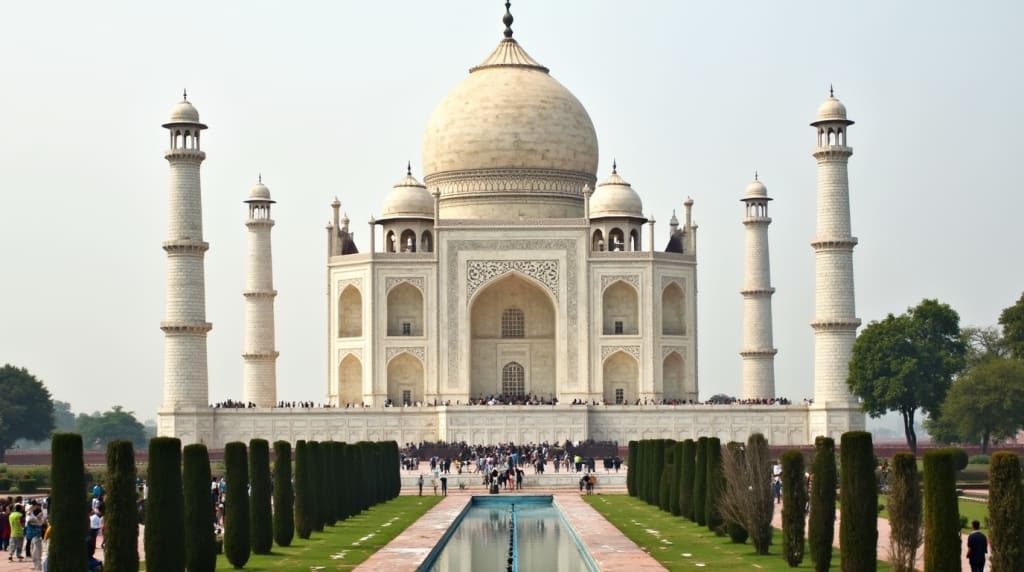
The Story of the Taj Mahal: A Timeless Symbol of Love and Architectural Brilliance
The Taj Mahal is one of the most remarkable architectural marvels in the world, celebrated as a timeless symbol of love and devotion. Built in the 17th century by the Mughal Emperor Shah Jahan in memory of his beloved wife Mumtaz Mahal, this magnificent mausoleum stands as a testament to enduring affection and artistic excellence. In this article, we will delve into the complete story of the Taj Mahal, exploring its history, design, cultural significance, and the legacy it continues to uphold.
1. What is the Taj Mahal? An Iconic Landmark
The Taj Mahal, located in the city of Agra in northern India, is an iconic white marble mausoleum and one of the most visited landmarks in the world. In 1983, it was designated a UNESCO World Heritage Site, recognized as a masterpiece of Mughal architecture that harmoniously blends Islamic, Persian, and Indian design elements.
2. Who Was Shah Jahan? The Visionary Behind the Taj Mahal
Shah Jahan, the Mughal emperor from 1628 to 1658, was one of the most prominent rulers of the Mughal dynasty. Born in 1592, he was known for his patronage of the arts and his ambitious architectural projects. However, Shah Jahan is most remembered for his deep love for his wife Mumtaz Mahal, which inspired him to commission the Taj Mahal as her eternal resting place.
3. The Love Story That Inspired the Taj Mahal
The story begins in 1612 when Shah Jahan married Mumtaz Mahal, a woman he cherished deeply. She was not only his wife but also his confidante and closest companion, often accompanying him even on military campaigns. In 1631, Mumtaz Mahal tragically passed away during childbirth, leaving Shah Jahan heartbroken. To honor her memory and their love, he vowed to build a mausoleum like no other—a tribute that would stand for eternity.
4. The Construction of the Taj Mahal
Construction of the Taj Mahal began in 1632 and took approximately 22 years to complete.
Over 20,000 artisans and laborers from across the Mughal Empire and beyond contributed to the project.
Shah Jahan employed master architects, including Ustad Ahmad Lahauri, to bring his vision to life.
5. The Architectural Design of the Taj Mahal
The Taj Mahal is a brilliant example of Mughal architecture, combining elements from Islamic, Persian, and Indian traditions. Key features include:
The Main Dome: A massive white marble dome, rising to a height of 73 meters, symbolizing the heavens.
The Four Minarets: Elegant minarets surround the mausoleum, slightly tilted outward to protect the structure in case of an earthquake.
Intricate Decorations: The walls are adorned with calligraphy, floral motifs, and inlaid gemstones, showcasing incredible craftsmanship.
6. Materials Used in Construction
The Taj Mahal was built using the finest white marble from Makrana in Rajasthan. Precious and semi-precious stones from various regions were used for decoration:
Lapis Lazuli from Afghanistan.
Jade from China.
Turquoise from Tibet.
Carnelian from Arabia.
7. The Gardens of the Taj Mahal
Surrounding the Taj Mahal is a symmetrical garden known as the Charbagh, inspired by Persian garden designs.
The garden is divided into four equal sections by pathways and water channels, symbolizing the four rivers of paradise in Islamic tradition.
A reflecting pool runs through the center, creating a mesmerizing view of the Taj Mahal.
8. The Taj Mahal’s Influence on Mughal Architecture
The Taj Mahal represents the pinnacle of Mughal architectural achievements. Its harmonious proportions, symmetry, and intricate detailing have inspired numerous structures, both within India and abroad, serving as a timeless blueprint for elegance and artistry.
9. The Taj Mahal Through the Ages
Colonial Era: During British rule, the Taj Mahal suffered some neglect, and parts of its decorations were looted.
Post-Independence: After India gained independence, extensive restoration efforts were undertaken to preserve its beauty and historical significance.
10. Challenges Facing the Taj Mahal Today
Despite its grandeur, the Taj Mahal faces numerous threats:
Environmental Pollution: Industrial emissions in Agra have caused discoloration of the marble.
Overtourism: The large number of annual visitors puts strain on the site’s infrastructure.
Climate Change: Rising temperatures and shifting weather patterns could potentially harm the structure over time.
11. The Taj Mahal in Modern Times: A Symbol of Love and Unity
Today, the Taj Mahal is not only a UNESCO World Heritage Site but also one of the New Seven Wonders of the World. It serves as a symbol of love and unity, attracting millions of visitors each year who marvel at its beauty and the story behind it.
12. Why You Should Visit the Taj Mahal
Architectural Splendor: The intricate details and perfect symmetry of the Taj Mahal are unmatched.
Historical Significance: Exploring the story of Shah Jahan and Mumtaz Mahal brings the history of the Mughal Empire to life.
Peaceful Ambiance: The serene gardens and the monument’s grandeur provide a tranquil escape for visitors.
13. Conclusion: The Taj Mahal as an Eternal Legacy
The Taj Mahal is more than just a building—it is a timeless symbol of love, loss, and the boundless creativity of human ingenuity. This iconic monument not only commemorates the deep affection between Shah Jahan and Mumtaz Mahal but also stands as a beacon of architectural excellence.
Whether you view it as a romantic legend, a historical masterpiece, or a cultural treasure, the Taj Mahal continues to captivate hearts and minds, ensuring its place as one of the most beloved landmarks in the world.
About the Creator
💓 Pulse of Stories 💓
The world of short and inspiring stories! Here you will find stories that touch hearts, ignite the imagination, and take you on quick yet deep journeys.
Keep reading
More stories from 💓 Pulse of Stories 💓 and writers in History and other communities.
The Battle of Waterloo (1815): The Event That Shaped European History
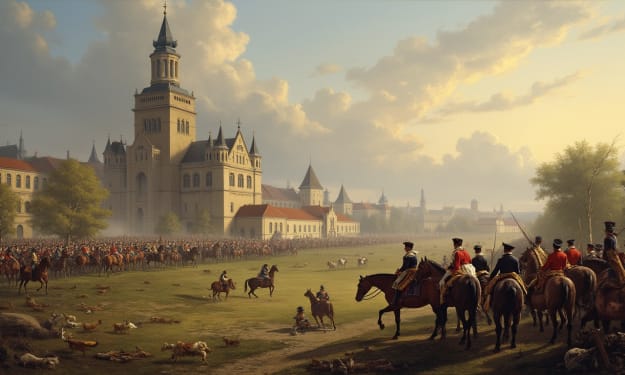
The Battle of Waterloo (1815): The Event That Shaped European History The Battle of Waterloo stands as one of the most pivotal moments in European history. It marked the end of Napoleon Bonaparte’s imperial ambitions and reshaped the political landscape of Europe for decades to come. Fought on June 18, 1815, near the village of Waterloo in present-day Belgium, this decisive battle brought an end to Napoleon’s Hundred Days and ushered in a new era of stability. In this article, we will explore the causes, key events, and consequences of the Battle of Waterloo, as well as its lasting legacy.
By 💓 Pulse of Stories 💓about a year ago in History
The Strait of Hormuz: When the World Held Its Breath
The sea was calm, but the tension in the air was anything but peaceful. At the narrow waters of the Strait of Hormuz, one of the most important shipping routes on Earth, warships began to appear on the horizon. Oil tankers slowed down, merchant ships changed their routes, and the world watched nervously.
By Imran Ali Shahabout 12 hours ago in History



Comments
There are no comments for this story
Be the first to respond and start the conversation.