
The Fall of Constantinople: The Last Stand
The Fall of Constantinople: The End of an Empire, The Rise of a New World

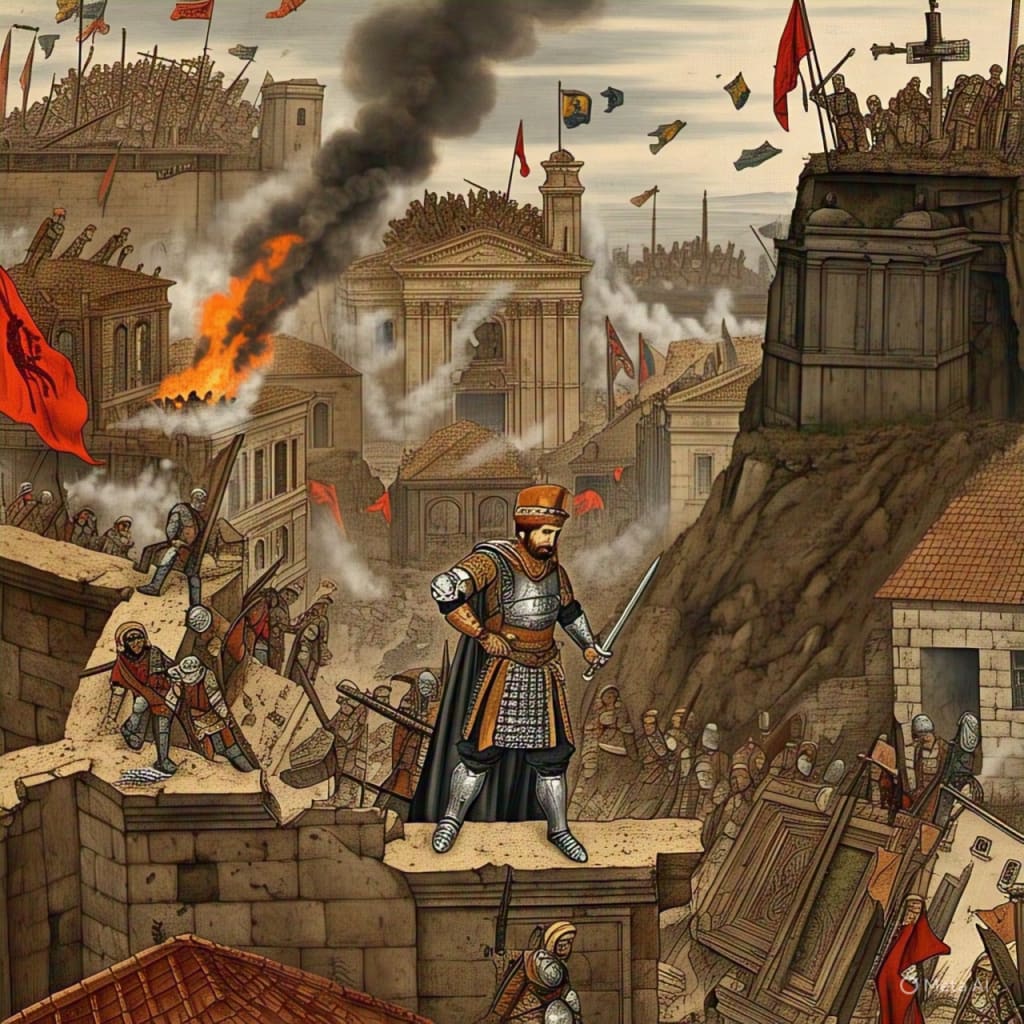
The year was 1453. For over a thousand years, the great city of Constantinople had stood as the shining jewel of the Byzantine Empire. Its towering walls had repelled countless enemies, and its golden domes had witnessed the rise and fall of empires. But now, the city faced its greatest threat — Sultan Mehmed II of the Ottoman Empire, a young and ambitious ruler determined to make history.
At just 21 years old, Mehmed had set his sights on the ultimate prize: the conquest of Constantinople. He gathered a massive army of nearly 80,000 soldiers and marched towards the city. His forces were equipped with the latest weapon of terror — giant cannons, including the monstrous bombard designed by the Hungarian engineer Orban. These cannons could shatter the walls that had protected Constantinople for centuries.
Inside the city, Emperor Constantine XI Palaiologos prepared for the siege. His forces were pitifully small, numbering around 7,000, including a few thousand Genoese and Venetian mercenaries led by the brave Italian commander Giovanni Giustiniani. Yet, despite the odds, the defenders were determined. The citizens prayed in the great Hagia Sophia, while soldiers manned the walls, ready to defend their home.
The siege began in early April. Day after day, Mehmed’s cannons thundered, shaking the earth and pounding the ancient walls. Breaches appeared, but the defenders rushed to repair them each night. The golden chain across the Golden Horn prevented Mehmed’s fleet from entering the harbor, but the young Sultan was not easily defeated. In a daring move, he ordered his ships to be dragged over land on greased logs, bypassing the chain and launching an attack from the sea.
The morale inside the city began to waver. Supplies were running low, and the people knew that no help was coming from the West. Still, Emperor Constantine refused to surrender. In a stirring speech, he reminded his people that they fought not just for land, but for their faith, their families, and the memory of their ancestors.
On May 29, 1453, Mehmed launched his final assault. Before dawn, waves of Ottoman soldiers stormed the walls. The defenders fought with desperate courage, but exhaustion and numbers began to tell. Giustiniani was gravely wounded, and his withdrawal caused panic among the defenders.
At a critical breach near the Gate of St. Romanus, the Ottomans broke through. Emperor Constantine, realizing the city was lost, cast aside his imperial regalia and charged into the fray. He was never seen again, and legends say he died fighting like a common soldier.
By morning, the great city had fallen. Mehmed entered Constantinople in triumph, but also with respect. He rode straight to the Hagia Sophia, where he ordered it to be converted into a mosque, but he spared many citizens and allowed the city to be repopulated.
The fall of Constantinople marked the end of the Byzantine Empire and the beginning of a new era. The city, now called Istanbul, became the heart of the Ottoman Empire. For Europe, the event was a shock — it spurred explorations that eventually led to the Age of Discovery, as Christian powers sought new routes to the East.
But beyond the political and religious changes, the fall of Constantinople remains a human story — of bravery, ambition, faith, and the tides of history that no wall, no matter how mighty, can forever resist.
The Fall of Constantinople: A New Era
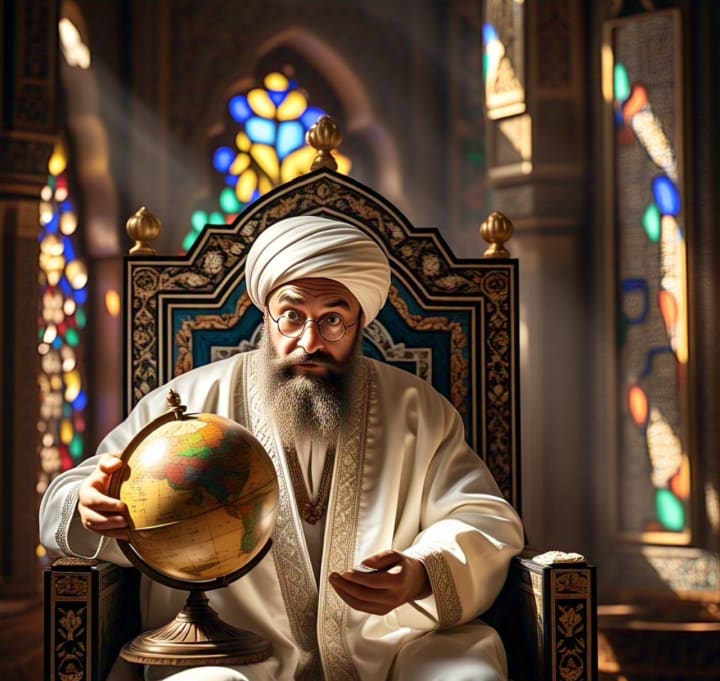
After the fall of Constantinople on May 29, 1453, the Ottoman forces had fully entered the city. Sultan Mehmed II, later known as Mehmed the Conqueror, took careful steps following his victory. His goal was not just to celebrate the conquest but to usher the city into a new era.
Sultan Mehmed II treated the citizens of Constantinople with respect and humanity. He made a promise to protect their lives and property, allowing them to practice their faith freely. He understood that if he completely devastated the city, his victory would not be remembered as a historic triumph but rather as a bloodied conquest. Instead, he ensured that the citizens were safe and allowed them to live their lives as they had before the siege.
Hagia Sophia, the great Christian cathedral, was immediately converted into a mosque. Mehmed ordered the addition of Islamic symbols and the establishment of prayers in the space, but he preserved much of the building’s original grandeur. Over time, Hagia Sophia would not only become a religious symbol but also a cultural landmark of the Ottoman Empire.
The city was renamed Istanbul, marking the beginning of a new era. The city’s markets, schools, and cultural centers underwent rapid transformation. The Ottoman Empire established a strong administrative system to manage the city, turning it into one of the world’s greatest trade and cultural hubs.
The Ottomans not only conquered Constantinople by military force but understood the city’s value and worked to develop it further. The first priority of Mehmed II was to restore the city and establish it as the heart of the empire, a place where trade, science, literature, and the arts could thrive. The Ottomans revitalized the city’s harbors, rebuilt bridges, and restored important buildings.
The fall of Constantinople was not just the end of an era; it marked the dawn of a new one. It was the moment when the political, cultural, and commercial relationships between Europe and Asia began to shift. European powers, who had long sought to establish trade routes to the East, now looked to new paths, spurred by the Ottoman conquest of Constantinople. As a result, the Ottoman Empire expanded its reach into Asia, Africa, and Europe, eventually becoming one of the greatest empires in history.
In Europe, the fall of Constantinople was a significant blow to Christianity, further deepening the divide between the Catholic and Orthodox churches. The event led to increased tension and struggles for power between the Church and the monarchies of Europe. For the Muslim world, it was a monumental victory, further reinforcing the belief that they had triumphed through the will of Allah.
The fall of Constantinople was not just a military victory for the Ottomans; it altered the global historical landscape. It led to the search for new trade routes in Europe, which later spurred the Age of Exploration. The rise of the Ottoman Empire, which continued for centuries, was made possible by the conquest of this key city.
Within a few decades, Istanbul became one of the most important commercial, cultural, and intellectual centers in the world. People from various ethnicities, religions, and cultures lived side by side, making the city a vibrant and diverse metropolis. It stood as a living symbol of the Ottoman Empire's grandeur.
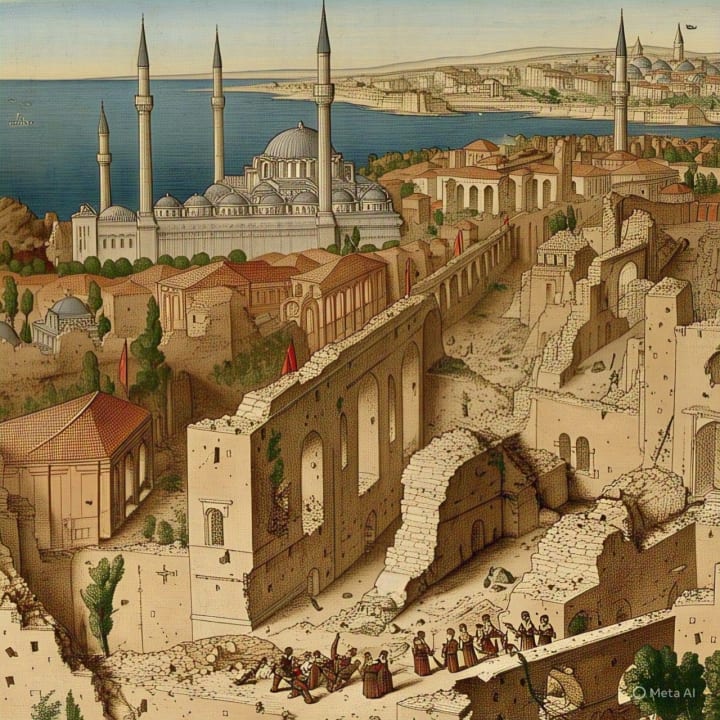
The Fall of Constantinople: Legacy and Impact
After the fall of Constantinople, it wasn’t just a city that had changed hands — an entire region's destiny shifted. Sultan Mehmed II made Istanbul the capital of the Ottoman Empire, and from there, the empire began its expansion across three continents. But this victory wasn’t only about territorial conquest; it reshaped culture, knowledge, and the balance of world politics.
Mehmed the Conqueror brought together people of different ethnicities, religions, and cultures within the city. Greeks, Armenians, Jews, and Latins were not only allowed to stay but were guaranteed religious and cultural freedoms. This multicultural atmosphere transformed Istanbul into a global center where the traditions of East and West merged. In the Ottoman court, Persian literature, Arab science, and Turkish arts blended to lay the foundation for a unique new civilization.
The fall of Constantinople also had a profound impact on the world of learning. Christian scholars from the city, experts in Greek philosophy and classical knowledge, fled to Western Europe. They carried with them ancient Greek manuscripts and scholarly traditions, which helped ignite the Renaissance — Europe’s great cultural and intellectual revival. Thus, the fall of Constantinople indirectly became the spark that lit a new age of enlightenment in Europe.
For European powers, the city's fall was a terrifying reality. The Ottomans now dominated the Mediterranean, and major trade routes were blocked. In response, European nations like Portugal and Spain began searching for new sea routes to reach Asia. This urgency led to the great voyages of explorers such as Christopher Columbus and Vasco da Gama, who would go on to discover the Americas and sea routes to India. In this way, the fall of Constantinople directly contributed to reshaping the global map.
Following its conquest, the Ottoman Empire remained one of the world’s greatest powers for several centuries. Under Suleiman the Magnificent, the empire reached the height of its glory and territorial expansion. In Istanbul, magnificent mosques, schools, and baths were built, enhancing the city's beauty and scholarly prestige.
But with time, as new powers emerged on the global stage, the Ottoman Empire gradually began to decline. By the early 20th century, the empire had crumbled, and Istanbul once again stood at the crossroads of history, entering a new era.
Even today, as one walks through the streets of Istanbul, echoes of the past can be felt at every corner. The towering domes of Hagia Sophia, the royal chambers of Topkapi Palace, and the ancient city walls all stand as silent witnesses to that turning point in history — when one great empire fell and another rose.
The fall of Constantinople was not merely a military conquest; it was a historic milestone that forever changed relations between East and West, Islam and Christianity, the old world and the new. To this day, this event remains a symbol of both reflection and pride for students of history.
About the Creator
Keep reading
More stories from Motivational story and writers in History and other communities.
The Chains
It was a moonless night. Thick clouds swallowed what little light the sky offered, and silence gripped the village like an iron fist. Yet, from the abandoned mansion at the edge of the fields, there came a sound—soft at first, but steady. Clink… clink… clink… Like rusted iron chains dragging across cold stone.
By Motivational story10 months ago in Motivation
The Colonial Powerhouse: Quetta’s British-Era Grid Station
The city of Quetta, often called the “Fruit Garden of Pakistan,” has a long and fascinating history shaped by trade, culture, and colonial influence. Among the lesser-known historical structures of the city is a British-era grid station that once played a crucial role in supplying electricity to the region. Built during the period of British colonial rule in the Indian subcontinent, this early electrical facility reflects a time when modern infrastructure was beginning to transform cities like Quetta.
By Irshad Abbasi about 23 hours ago in History




Comments
There are no comments for this story
Be the first to respond and start the conversation.