
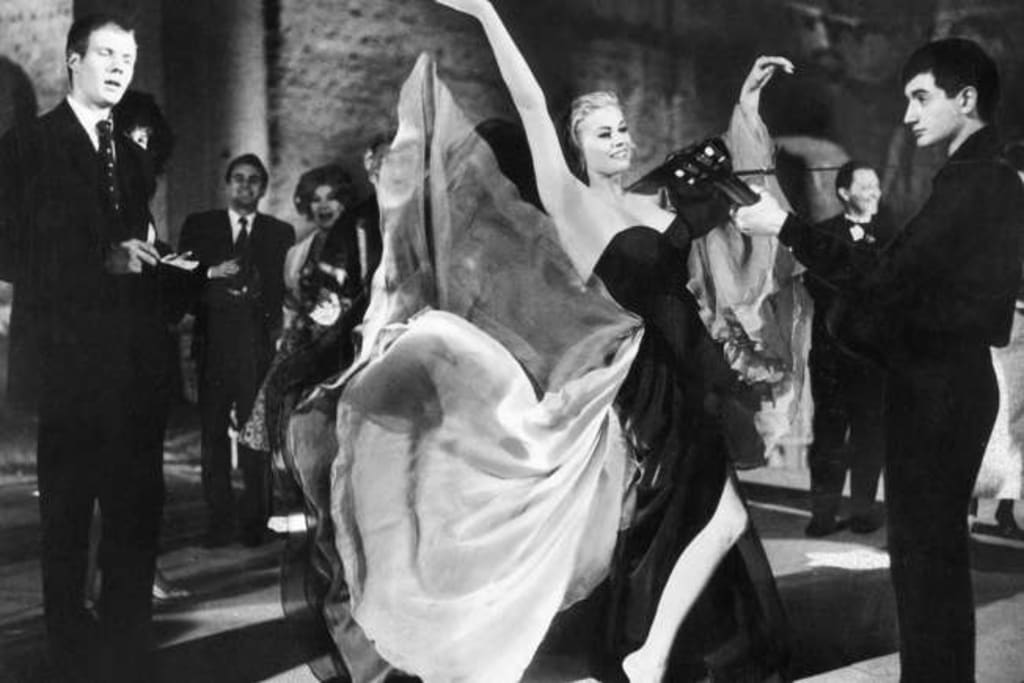
That's right. Personal taste, cultural impact, technological innovation, and critical consensus all play a role in determining the "best" films of all time. We can, however, compile a list of films that have fundamentally influenced cinema and are almost universally acclaimed by combining these elements. This list, which is organized by era and genre to highlight their distinct contributions, serves as a starting point. The Complete List of "Must-See" Events (A Selection of the Best) Sight & Sound's and the AFI's 100 Years...100 Movies critic and director polls consistently place these films at the top. The Classics of the Golden Age (pre-1960) Orson Welles' Citizen Kane (1941) Why it's so important: It has been called the best movie ever. It changed sound design, deep-focus photography, and narrative structure. The story of the rise and fall of a newspaper tycoon remains a masterclass in filmmaking. Michael Curtiz's 1942 film Casablanca Why it's so important: It has romance, drama, suspense, and humor all in one. It may be the most perfect Hollywood studio film ever made due to its timeless themes of sacrifice and honor, memorable characters, and iconic dialogue. Jean Renoir's The Rules of the Game (1939) Why it's important:

It offers a harsh and sophisticated critique of French society prior to the war. A generation of filmmakers were influenced by Renoir's use of fluid camera movement and deep space, which is the pinnacle of poetic realism. Akira Kurosawa's Seven Samurai, released in 1954 The epic that established the "team on a mission" subgenre as a whole is crucial. Numerous films, from Westerns to blockbusters, have been influenced by its breathtaking action, rich character development, and masterful editing. Singin' in the Rain, starring Gene Kelly and Stanley Donen in 1952 Why it's so important: The Hollywood musical's pinnacle. With incredible choreography, catchy songs, and a witty script about Hollywood's transition from silent films to "talkies," it's pure, contagious joy on screen. American Renaissance and New Wave from the 1960s to the 1970s Stanley Kubrick's 1968 film 2001: A Space Odyssey Why it's so important: A huge, breathtaking visual and philosophical journey from the beginning of man to eternity. Science fiction was forever altered by its scientific accuracy, ground-breaking special effects, and enigmatic narrative. Francis Ford Coppola's The Godfather (1972) and The Godfather Part II (1974) Why it's so important: The epic tale of a criminal family is also a tragic tale about how the American dream is tainted. It sets the standard for cinematic storytelling with flawless acting, directing, writing, and music. Francis Ford Coppola's 1979 film Apocalypse Now Why it's so important: A visceral, hallucinatory plunge into the madness of the Vietnam War. A technical marvel that retains its overwhelming power, it is a contemporary adaptation of Joseph Conrad's Heart of Darkness. Alfred Hitchcock directed Psycho in 1960. Why it's so important: With its shocking narrative twist and iconic scenes (like the shower scene), Hitchcock redefined suspense and horror. It's a lesson in editing and manipulating the audience. Art Nouveau from the 1980s to the present Bong Joon-ho, Parasite (2019) The perfect blend of dark comedy, gripping thriller, and devastating social commentary is what makes it essential. It was the first film made in a language other than English to win the Oscar for Best Picture because of its flawless direction, shifting tone, and universal themes. Quentin Tarantino directed Pulp Fiction in 1994. Why it's so important: It revived independent filmmaking with its hyper-stylized violence, non-linear plot, and endlessly quotable pop culture dialogue. It gave filmmaking a new sense of cool and danger. Frank Darabont's The Shawshank Redemption (1994) Why it's important: Even though it didn't do well at the box office, word-of-mouth helped make it a classic.

It is the ultimate testimony to friendship and hope, told with a humane humanity and profound emotional depth. Spirited Away, by Hayao Miyazaki in 2001 Why it's so important: Studio Ghibli's beautiful, surreal, and deeply imaginative animated film. It was nominated for the Academy Award for Best Animated Feature and is a beautiful piece of art that will please both kids and adults. Paul Thomas Anderson's "There Will Be Blood" A towering, epic character study about greed, oil, and religion in early America is what makes it so important. The performance by Daniel Day-Lewis is legendary, and the film's ambition and skill make it a modern classic. How to Get More Information: There is a huge "best" list. Other titans that are frequently included are grouped according to your interests: Lawrence of Arabia, Schindler's List, and The Good, the Bad, and the Ugly are all examples of epic storytelling. Battleship Potemkin (editing), Breathless (French New Wave), and The Matrix (visual effects) are examples of revolutionary filmmaking. Anything by Martin Scorsese (Goodfellas), Alfred Hitchcock (Vertigo), Ingmar Bergman (The Seventh Seal), or Federico Fellini (812) qualifies as an incredible director. My Neighbor Totoro, The Lion King, and Wall-E were all animated. Rashomon (Japan), Bicycle Thieves (Italy), City of God (Brazil), and In the Mood for Love (Hong Kong) are examples of global films. How to Access These Lists: The "Greatest Films of All Time" poll conducted by Sight & Sound Magazine each decade with critics and directors from around the world. The "100 Years...100 Movies" list produced by the American Film Institute (AFI). The IMDb Top 250, a user-rated list of popular movies. The discovery is the real joy. Explore what interests you with the help of these lists as a guide. Have fun watching
About the Creator
Keep reading
More stories from parves mosharaf and writers in History and other communities.
The Most Charming Mountain Towns in America
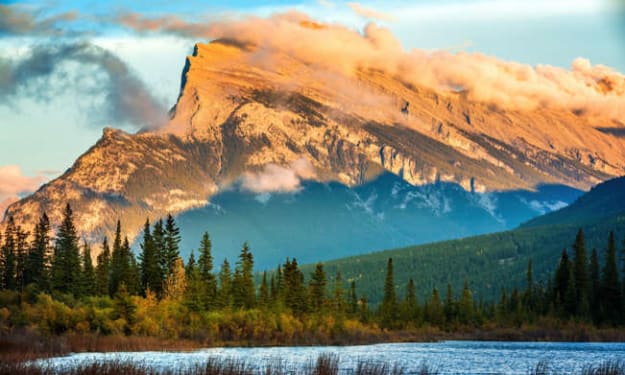
The Most Charming Mountain Towns in America: 800 Hidden Gems and Beloved Escapes America's mountain towns are some of the most breathtaking and idyllic getaways in the country. They are tucked away among towering peaks, surrounded by lush forests, and full of small-town charm. These charming locations offer the ideal combination of natural beauty and welcoming communities, whether you're looking for outdoor adventure, cozy cabins, or a tranquil getaway from city life. From the rugged Rockies to the serene Smokies, here are some of the most enchanting mountain towns across the United States that deserve a spot on your travel bucket list.
By parves mosharaf7 months ago in History
Antarctica Map
Antarctica is the coldest, driest, and windiest continent on Earth. It is located at the southernmost part of the planet, surrounding the South Pole. Because of its extreme weather and thick ice cover, Antarctica is very different from other continents. An Antarctica map helps us understand the shape, location, and important features of this frozen land.
By Farhan Sayedabout 20 hours ago in History
If America Walks Away from NATO, the World Will Feel the Shock
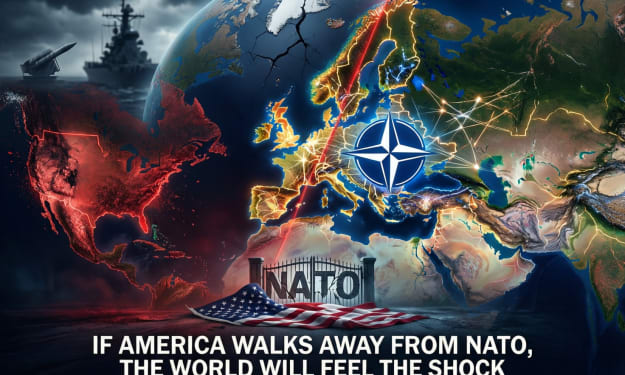
If America Walks Away from NATO, the World Will Feel the Shock For more than seventy years, NATO has stood as a symbol of collective security and shared responsibility. It was never a perfect alliance, but it worked because it was built on a simple idea: when nations stand together, wars are less likely to happen. Today, however, that foundation is being shaken—not by foreign enemies, but by growing voices inside the United States questioning whether NATO is still worth it.
By Wings of Time 5 days ago in History


Comments
There are no comments for this story
Be the first to respond and start the conversation.