Places
The Yellow Turban Rebellion
Since the beginning of civilization, humanity has experienced various systems of governance, each seeking to gain legitimacy and ensure steadfast loyalty. The hereditary dynasty model was particularly dominant, influencing the rise and fall of empires. However, history is marked by instances when the populace has risen up, contesting the divine authority of their rulers and challenging the established order. A notable example of this occurred in ancient China more than 1,800 years ago during the Yellow Turban Rebellion—a significant uprising that not only questioned the legitimacy of the ruling dynasty but also altered the trajectory of Chinese history.
By A História11 months ago in History
Best City to Visit in Italy for Tourists
Italy is a dream destination for travelers worldwide, offering a mix of history, culture, breathtaking landscapes, and exquisite cuisine. From its sun-kissed coastlines to its majestic mountains, every region of Italy tells a unique story. While many cities in Italy are worth visiting, Rome stands out as the best city for tourists. The Eternal City, as it is often called, is a perfect blend of history, art, and modern charm, making it an ideal place to explore for any traveler. In this guide, we’ll dive deep into why Rome is the best tourist city in Italy and highlight some other must-visit destinations.
By SHAKIB HUSSEN11 months ago in History
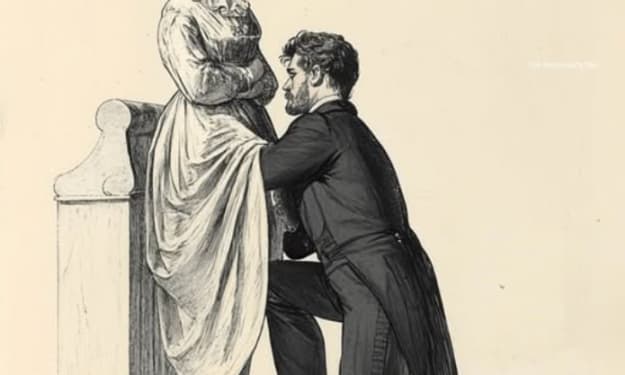
From Misunderstanding to Modern Understanding of Women's Health
The Evolution of Hysteria A term once so ubiquitous in both medical and societal discourse regarding women, serves as a potent example of the misconceptions and biases that have plagued the history of women's health.
By Rohitha Lanka11 months ago in History
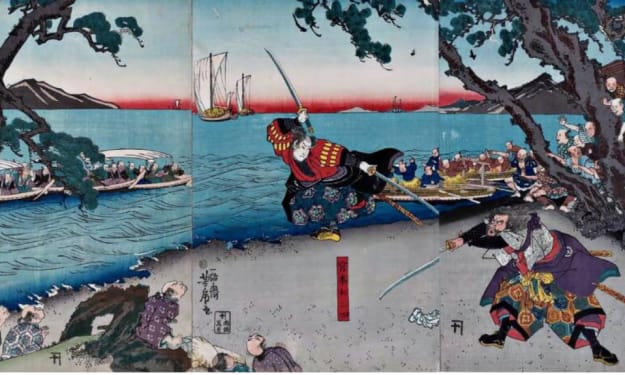
Japan's Greatest Swordsman and the Fight That Killed Him
The Epic Rivlry That Helped Define Jananese Martial Arts History Though Japanese history boasts colorful accounts of warriors whose martial prowess and bravery can transcend the ages, few tales are as legendary as that of Sasaki Kojiro.
By Rohitha Lanka11 months ago in History
The Hola Massacre
Hola Exile Camp was in an arid, mosquito-infested area in the East of the colony near Garissa. By March 1959, it held about 1000 hardcore detainees some of whom had been brought in from Mageta Island where they had participated in a major riot. On March 3rd 1959, 88 of the Hola detainees were marched outdoors for the day’s labour which they refused to do. They politely stated that they were liberation detainees and not prisoners meaning they did not have to work. While this was true in the years prior, the ‘Cowan Plan’ was now in effect empowering the guards to compel them to work if need be.
By HINGES OF TIME11 months ago in History
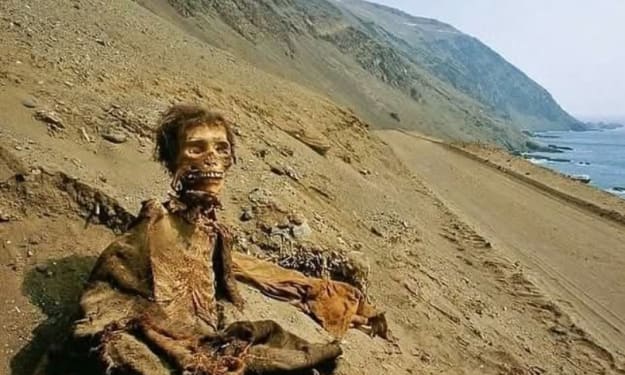
An Ancient World Through the Eyes of Wonderfully Preserved Mummies
Such stories are usually the work of journalists or scientists working on their own remits. Leave it to Science on the BBC Radio to examine how they came to be by introducing the mysterious Chinchorro mummies of the Atacama Desert.
By Rohitha Lanka11 months ago in History
The Consequences of Black Magic
Black magic, often associated with malevolent supernatural practices, has been a subject of fear, intrigue, and superstition for centuries. Rooted in ancient traditions, folklore, and religious beliefs, black magic is thought to manipulate spiritual or supernatural forces for personal gain, revenge, or harm to others. Despite differing interpretations across cultures, the consequences of engaging in black magic are often portrayed as negative and far-reaching. Whether one believes in its supernatural power or considers it a psychological phenomenon, the effects of black magic can manifest in various ways—emotionally, socially, physically, and even legally. This essay explores the potential consequences of practicing black magic, its impact on individuals and communities, and the dangers associated with it.
By Masaddeque al Shishir11 months ago in History
Echoes of the Past
As soon as we acquire the skills of speaking, reading, and writing, we become intricately connected to the cultural tapestry of our homeland. The myths, traditions, and values of our forebears become integral to our identity, influencing our perspectives and understanding of the world. In contemporary times, what is often referred to as Western culture is a rich amalgamation of diverse traditions, yet its roots can be traced back to one ancient civilization: Rome. The narrative of Rome's ascent is not merely one of military triumph and authority; it is a profound story of mythology, aspiration, and the lasting impact of a city that would ultimately shape the known world.
By A História11 months ago in History
A Pilgrim’s Journey: Transformative Stories from Kamakshi Amman Temple
Introduction: The Pilgrimage That Changed Their Lives For centuries, Kamakshi Amman Temple in Kanchipuram has been a sacred destination for thousands of pilgrims. Known for its divine aura and the loving presence of Goddess Kamakshi, the temple serves as a place of peace, healing, and transformation. People from all walks of life visit, each seeking something different—a blessing, guidance, or spiritual healing. What binds all their experiences together is the profound change they undergo during their pilgrimage.
By Sri Kamakshi Ambal Temple11 months ago in History
The Power of Self-Editing: A Writer's Epiphany
What is Self-Editing? At its core, self-editing is the process of revising your own work to improve clarity, coherence, style, and accuracy. Unlike initial drafts that are often raw and filled with imperfections, self-editing is about refining and polishing those ideas. It involves analyzing everything from sentence structure to word choice, pacing, and overall flow.
By Malik Kashif11 months ago in History