
From Misunderstanding to Modern Understanding of Women's Health
A Medical Misconception

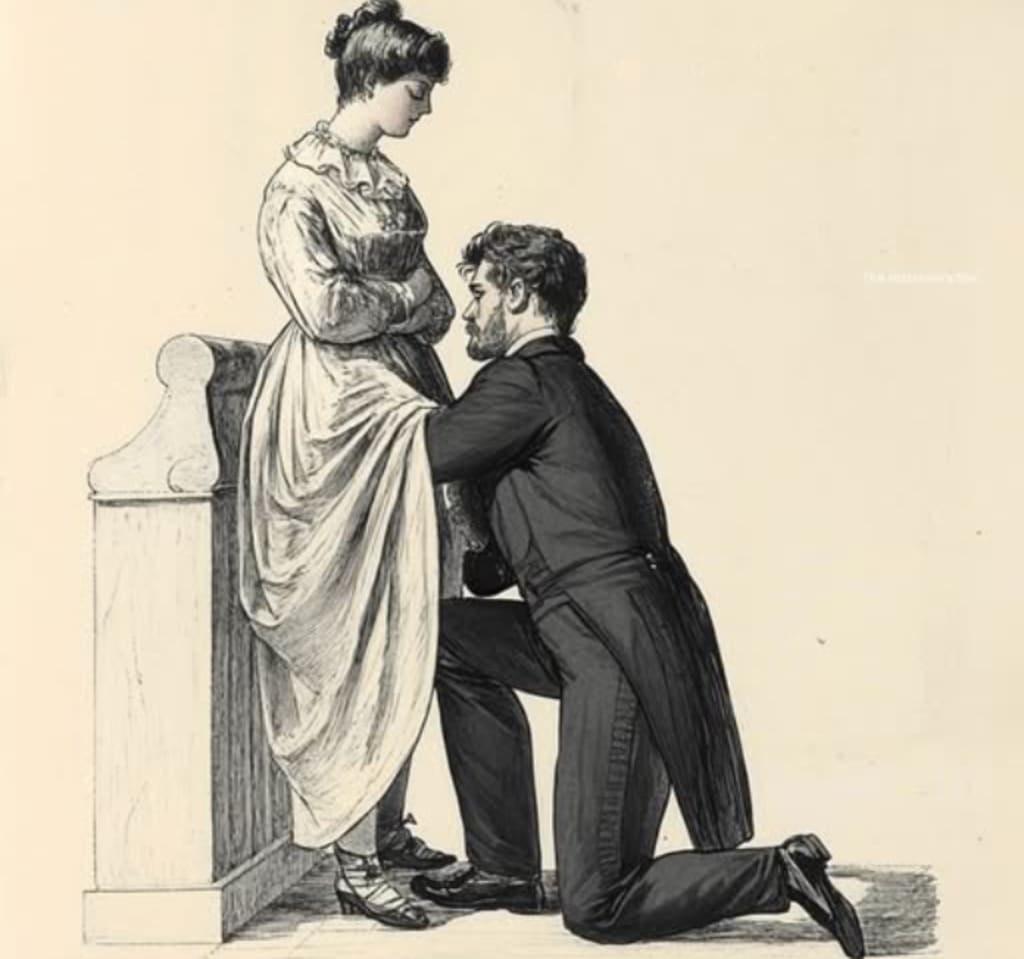
The Evolution of Hysteria
A term once so ubiquitous in both medical and societal discourse regarding women, serves as a potent example of the misconceptions and biases that have plagued the history of women's health.
Anchored in ancient Greek concepts, this condition was believed to be the result of a wandering uterus, which was blamed for a wide spectrum of ailments that ran the gamut from physical to emotional distress.
For centuries, women's health problems had been largely interpreted through this lens, leading to treatments that were often harmful and stigma within society. But while physicians advanced, their comprehension of this multifaceted disease did too.
If hysteria is now mostly known as a story of medical error, today it is one with implications for how we understand the health and lives of women more generally, and seen as an important pivot point in the history of medicine,
A roaming uterus became the underlying cause of many female maladies, as ancient Greece would later discover. This uterus, once released from its genital barriers, was thought to float around the body, causing emotional and physical pain and other troubling symptoms.
This idea became entrenched in medical theory for hundreds of years, leading to the introduction of many bizarre and invasive treatments.
Among the suggested cures are forced marriages and pressure to have children, even the application of strong odors, to bring the uterus back to its proper place, Not only were these practices unscientific, they were often harmful, they obscured the true intricacy of women's health and were rooted in concepts around gender and control.
By the 19th and 20th centuries, medical perspectives on hysteria started to change, albeit gradually. Pioneers like Jean.
Martin Charcot and Sigmund Freud raised the profile of hysteria by investigating its psychosomatic aspects. Charcot, a French neurologist, was among the first to suggest that hysteria was neurological and psychological in its roots, not just a physical ailment related to the uterus.
Freud's work delves deeper into the linkage between repressed feelings, trauma, and psychosomatic symptomatology, however these discoveries also significantly reflected the cultural and gender constructs in which they were generated.
Women especially those who lived before the dawn of the 20th century in Europe were believed to be more susceptible to hysteria, thanks to the prevailing notions of female delicacy, fragility and emotional instability.
Archaic and long since discredited, one of the more controversial and vilified treatments for women during that time was to induce paroxysms a genteel term for orgasms as a form of medical treatment.
Physicians, usually men, would trigger these orgasms in their female patients by hand, anxious to dispel nervous energy and provide a balm for the mind and body.
This treatment, at certain times, practiced by midwifes and physicians in clinical environments eventually evolved into the use of mechanical vibrators,
This news the doctors mostly agreed, pointed to an unsettling intersection between medical authority and the regulation-control of women's sexuality. Real medical problems seemed irrelevant to this, which seemed to reflect a deep-seated, patriarchal need to regulate and control women, their bodies, and sexualities, in the name of therapy.
This condition was no longer one condition, it was now many conditions was a major turn in the history of medicine, acknowledging the errors of earlier generations and reflecting a desire to replace antiquated and destructive ideas about women's health.
The ouster of hysteria as a diagnostic category was not only a medical gain. It was also an acknowledgment of how gender prejudices had warped women’s health care for centuries.
The symptoms that were once blamed on hysteria are now identified as part of a spectrum of mental and physical health conditions - Anxiety, depression, and somatic symptom disorders can be primary diseases with multifactorial and multidimensional origins, involving complex psychological and physiological interplays.
The end of hysteria as a diagnosis was a significant step toward a fully nuanced understanding of women's health, liberating medicine from centuries of misdiagnosis and medical and gender bias.
Nowadays, health professionals and researchers understand that women's health issues are far more complicated than previously thought. and the quest for care that acknowledges both the physiological and psychological aspects of women's lives has become one of the forefronts of modern medicine.
About the Creator
Keep reading
More stories from Rohitha Lanka and writers in History and other communities.
Japan's Greatest Swordsman and the Fight That Killed Him
The Epic Rivlry That Helped Define Jananese Martial Arts History Though Japanese history boasts colorful accounts of warriors whose martial prowess and bravery can transcend the ages, few tales are as legendary as that of Sasaki Kojiro.
By Rohitha Lanka11 months ago in History
3 Everyday Rules That Exist Because Someone Once Did Something Very Stupid
Everywhere you go, you are surrounded by rules that feel oddly specific. Do not touch. No running. Contents hot. Do not insert body parts. These warnings aren’t theoretical. They weren’t written by pessimists or lawyers with too much free time. They exist because at some point in history, a real human being looked at a situation and thought, “This will probably be fine.”
By Enoch Sagini3 days ago in History


Comments (1)
I once read that some people thought a uterus could fall out of a woman's body, resulting in a fear that a woman riding a train would end up losing her uterus as the speed of the train made it fly out of her body...