Narratives
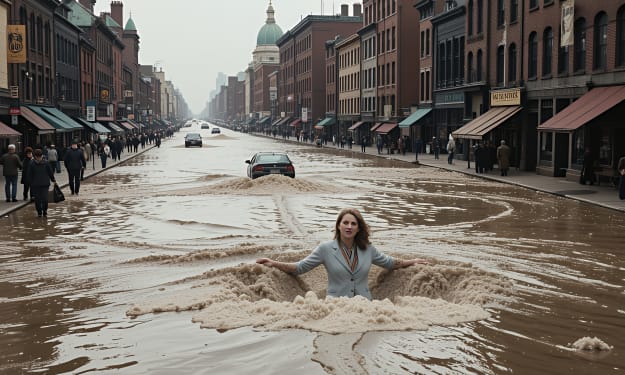
🍯 The Great Molasses Flood of Boston, January 15, 1919: A Sticky Catastrophe That Swept Through the Streets and Caused Multiple Fatalitie
🌇 Part 1: Boston at Boiling Point - The City Before the Flood To understand how a flood of molasses could destroy part of a city and take lives, we must first travel back to Boston in the winter of 1919 - a city full of contradictions, opportunity, and unrest. The Great War had just ended in November 1918, and like many American cities, Boston was adjusting to the uneasy transition from wartime industry to peacetime life. Amid economic shifts, labor strikes, political radicalism, and the tail-end of a deadly flu pandemic, tension simmered in the air.
By Kek Viktor8 months ago in History
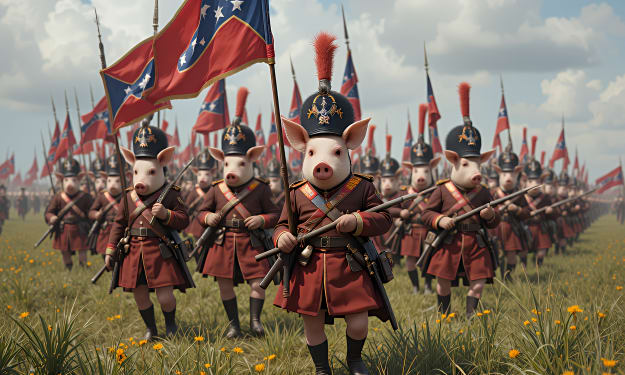
🐖The Pig War on the US–Canada Border, 1859: A Territorial Dispute Triggered by the Killing of a Single Pig
🏞 Part 1: A Snoutful of Trouble - The Pig That Started It All In the otherwise quiet and pastoral June of 1859, San Juan Island - then an unsettled jewel in the Pacific Northwest's emerald crown - became the unlikely battleground for a bizarre territorial standoff between two of the world's most powerful nations: the United States and Great Britain. San Juan Island, lush with cedar forests, rugged coastlines, and fertile grazing fields, was inhabited by a small but tense mix of British employees of the Hudson's Bay Company and independent American homesteaders drawn west by the promise of land and opportunity.
By Kek Viktor8 months ago in History
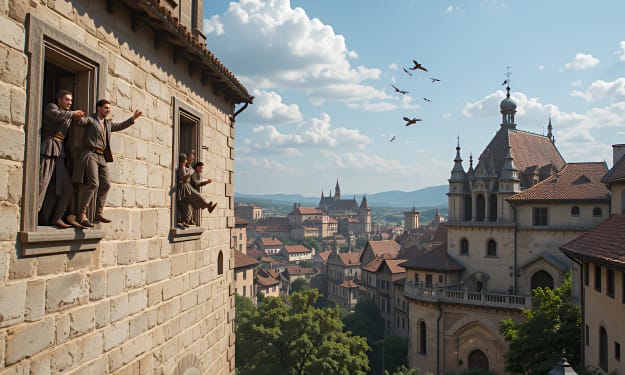
🏰The Defenestrations of Prague, 1419 and 1618: Political Assassinations by Throwing People Out of Windows That Sparked Wars
Part 1: Introduction - What Is a Defenestration? The term defenestration may sound peculiar to modern ears, but it holds a deeply significant place in European history - particularly in the Czech lands. Derived from the Latin words de- ("down from" or "away") and fenestra ("window"), defenestration simply means the act of throwing someone out of a window. Though seemingly straightforward, this term encapsulates a rare yet dramatic form of political violence that became emblematic of Prague's turbulent religious and political struggles during the late Middle Ages and the early modern period.
By Kek Viktor8 months ago in History
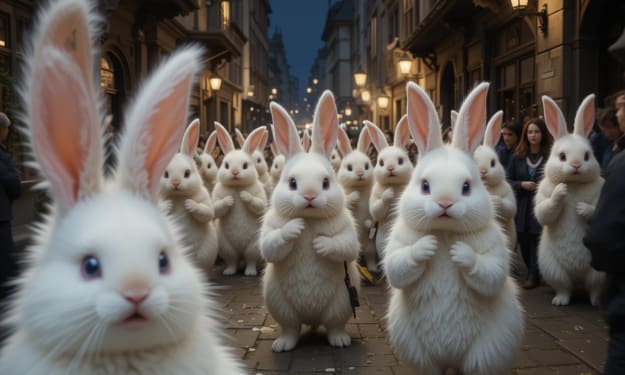
🐇The Great Rabbit Panic of 1730: When Fluffy Bunnies Terrorized England
Part 1: The Quiet Before the Storm - England's Peaceful Countryside In the early 1700s, England's countryside was a patchwork of farmland, pastures, and sleepy villages, where life revolved around planting, harvesting, and simple village traditions. Potatoes were becoming a staple crop, slowly reshaping the British diet. For many, farming was a steady, if humble, livelihood - season after season of sowing seeds, tending fields, and reaping crops.
By Kek Viktor8 months ago in History
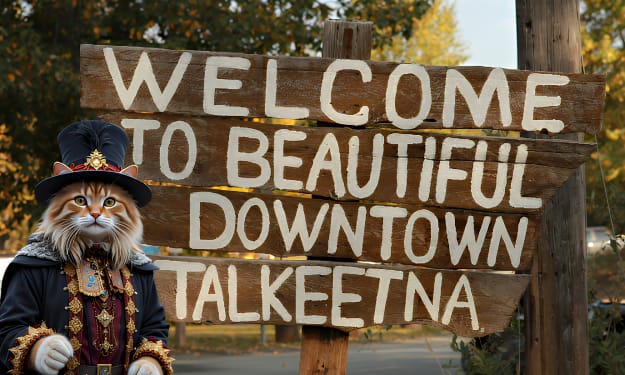
😺Stubbs the Cat: The Legendary Mayor Who Ruled an Alaskan Town with a Purr (1997–2017)
I. Welcome to Talkeetna: Where the Unusual Is the Norm Deep in the icy heart of Alaska, at the confluence of three rivers and nestled under the towering shadow of Denali, lies the quirky town of Talkeetna - a place that proudly marches to the beat of its own drum. It isn't just remote. It's the kind of offbeat outpost that feels as if it were plucked from a Coen Brothers film and plopped into reality. Talkeetna doesn't do things the normal way, and the locals wouldn't have it any other way.
By Kek Viktor8 months ago in History
The Pepsi 349 Scandal: How a Marketing Error Sparked Riots and Deaths in the Philippines
In 1992, PepsiCo launched an ambitious promotional campaign in the Philippines called "Number Fever" to boost its market share against Coca-Cola, which dominated with a 75% market share compared to Pepsi’s 17%. The campaign promised life-changing prizes, including a grand prize of one million pesos (approximately $40,000 USD), in a country grappling with widespread poverty. However, a catastrophic printing error turned this marketing stunt into a national crisis, leading to riots, at least five deaths, numerous injuries, and billions of dollars in potential liability. This article delves into the campaign’s mechanics, the error that sparked chaos, the violent fallout, and the long-term consequences for Pepsi in the Philippines.
By Doctor Strange8 months ago in History
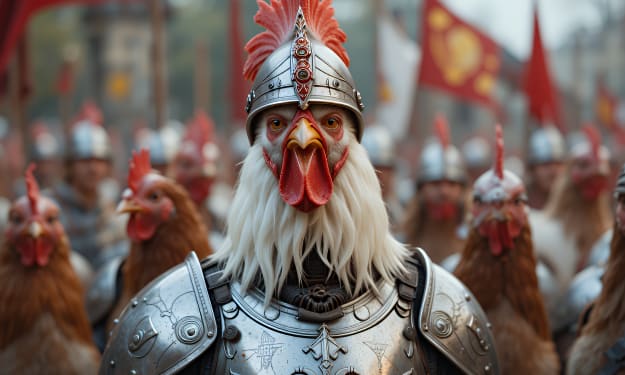
The Chicken War of 1325: When Clucking Chickens Sparked a Noble Revolt
I. A Crown Perched Precariously: Poland Before the Storm In the first decades of the 14th century, Poland was a kingdom stitched together with threadbare seams. Once a mighty and unified entity under the Piast dynasty, it had fractured during the "Period of Fragmentation" - a two-century-long brawl between dukes, princes, and churchmen, each more interested in carving up territory than fostering national unity. From the late 1100s through the 1200s, Poland resembled not a kingdom, but a jigsaw puzzle in a windstorm. Petty dukedoms rose and fell like the tides, and foreign powers nibbled greedily at Polish borders.
By Kek Viktor8 months ago in History
🏰The London Beer Flood of 1814: When a River of Ale Drowned a City Block
Part I: The Day London Drowned in Beer In the early afternoon of October 17, 1814, the ordinary hum of life in St. Giles, one of London's most densely populated and impoverished neighborhoods, was about to be shattered - not by war, fire, or famine, but by something far more absurd and sinister. A freak disaster was brewing behind the brick walls of the Horse Shoe Brewery on Tottenham Court Road. Unbeknownst to the workers inside or the families living nearby, a monstrous force was growing - pressurized, fermented, and lethal. The day would soon turn from mundane to macabre as 320,000 gallons of beer burst into the streets, sweeping away buildings, lives, and any sense of normalcy.
By Kek Viktor8 months ago in History
An Epic Medieval Beard Battle Expanded. The War of the Whiskers (1325–1327)
The early 1300s in Europe were marked by rapid social changes and simmering tensions. Feudalism was still the dominant social order, but towns like Compiègne were growing in wealth and influence due to trade. This economic shift empowered a new middle class of merchants, artisans, and guild members, who often challenged the old aristocratic customs.
By Kek Viktor8 months ago in History
A Brief History of the Wheel: The Turning Point in Civilization
The wheel is one of the most important inventions in human history. It is a simple object, yet its impact on the development of civilization is profound. The invention of the wheel helped humans move from a primitive lifestyle to a more advanced society. It played a crucial role in transportation, agriculture, industry, and technology, allowing people to achieve things that were once impossible.
By MD BILLAL HOSSAIN8 months ago in History