Narratives
The World on the Brink
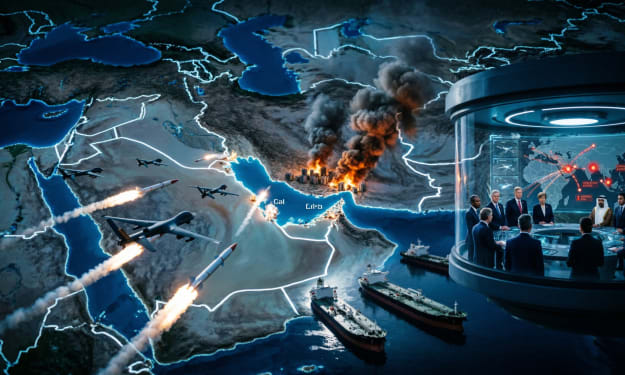
The World on the Brink: War Expands Across the Middle East The world is watching with growing concern as a major conflict spreads across the Middle East. What began as military strikes between Israel and Iran has quickly expanded into a broader regional crisis involving multiple countries and armed groups. Military actions, missile attacks, and political tensions are now affecting not only the Middle East but also global markets and international security.
By Wings of Time about 14 hours ago in History
How Can the World Prevent Another Global War?
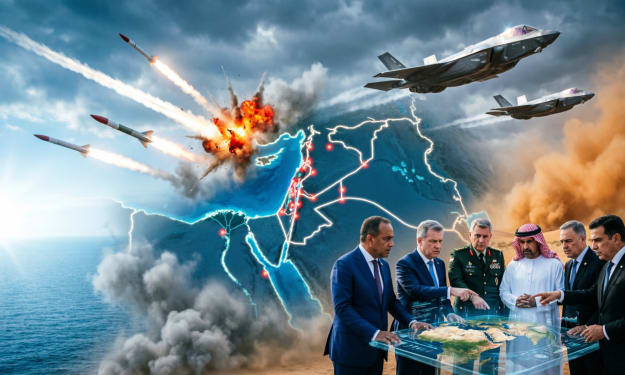
How Can the World Prevent Another Global War? In times of rising global tensions, many people ask an important question: How can the world prevent another major war? History has shown that global conflicts cause enormous human suffering, economic destruction, and long-lasting political instability. Preventing a large-scale war—especially one that could involve nuclear weapons—is one of the most important challenges facing world leaders today.
By Wings of Time about 14 hours ago in History
Could Israel Ever Collapse? Understanding the Realities of Modern Geopolitics
Could Israel Ever Collapse? Understanding the Realities of Modern Geopolitics In discussions about the Middle East, some people ask dramatic questions such as whether Israel could ever face collapse or “the end.” These questions often appear during periods of intense conflict in the region. However, understanding this issue requires looking carefully at political realities, military power, international alliances, and regional dynamics rather than focusing only on emotional reactions during crises.
By Wings of Time about 14 hours ago in History
GDP After War: How Conflicts Reshape National Economies
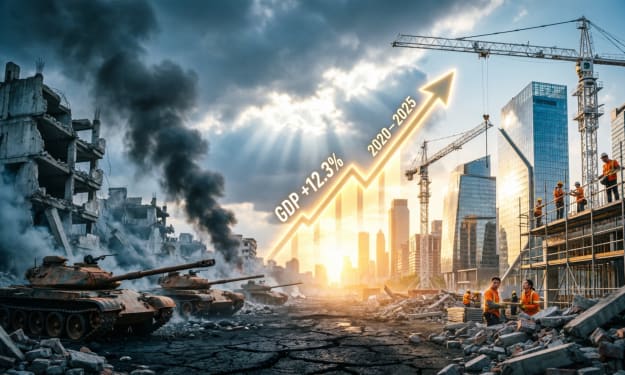
GDP After War: How Conflicts Reshape National Economies War is not only fought on battlefields; it also leaves deep scars on a country's economy. One of the most important indicators affected by war is Gross Domestic Product (GDP), which measures the total value of goods and services produced by a nation. When war begins, economic activity often collapses, infrastructure is destroyed, and government spending shifts heavily toward military needs. But the economic story does not end when the war stops. The period after war can be equally challenging and sometimes surprisingly transformative.
By Wings of Time about 15 hours ago in History
Are the Chances of World War III Increasing?
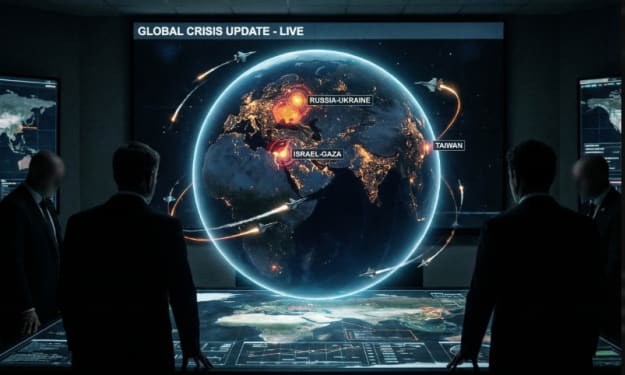
Are the Chances of World War III Increasing? In recent years, many analysts, journalists, and ordinary citizens have begun asking a serious question: Is the world moving closer to World War III? While no global war has started, several major conflicts and political rivalries are creating a tense international environment. Wars, military buildups, nuclear weapons, and technological competition are making global security more fragile than it has been in decades.
By Wings of Time about 15 hours ago in History
This Little Light of Mine was written to praise Jesus
The subject of the light There are television commercials that use the chorus of This Little Light of Mine. The song is also used as a lulaby for children. I grew up at a time when children sang this song in church and it was understood that the "light" was Jesus Christ.
By Cheryl E Preston3 days ago in History
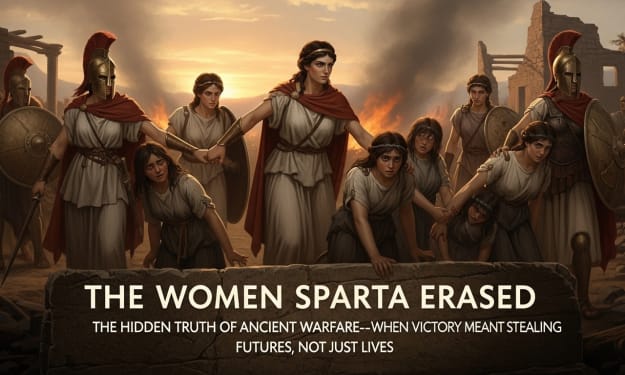
The Women Sparta Erased
Imagine: You are twenty-six years old. Just days ago, you watched your husband die defending your city. Now you stand in the ashes of your burned home, children pressed against your chest, trying to make yourself invisible while armed men move among the survivors.
By Literary fusion3 days ago in History