
🏰The London Beer Flood of 1814: When a River of Ale Drowned a City Block
🏰Shocking History

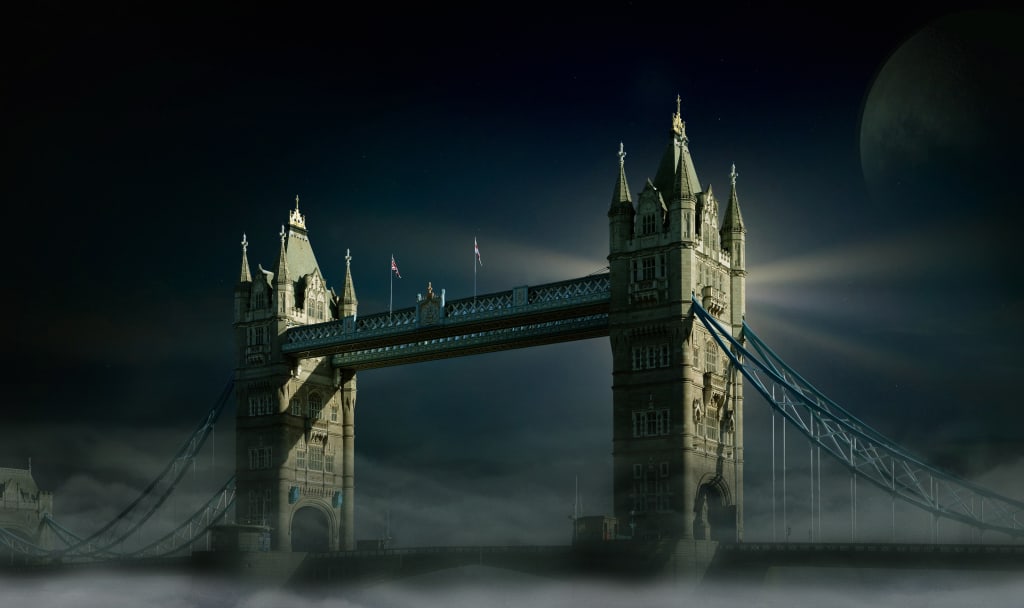
Part I: The Day London Drowned in Beer
In the early afternoon of October 17, 1814, the ordinary hum of life in St. Giles, one of London's most densely populated and impoverished neighborhoods, was about to be shattered - not by war, fire, or famine, but by something far more absurd and sinister. A freak disaster was brewing behind the brick walls of the Horse Shoe Brewery on Tottenham Court Road. Unbeknownst to the workers inside or the families living nearby, a monstrous force was growing - pressurized, fermented, and lethal. The day would soon turn from mundane to macabre as 320,000 gallons of beer burst into the streets, sweeping away buildings, lives, and any sense of normalcy.
The idea that an entire city block could be submerged in beer might seem like a whimsical pub anecdote, yet it was terrifyingly real. The catastrophe began when a colossal iron hoop snapped from a massive vat containing over 135,000 gallons of fermenting porter. The vat, already straining under the pressure, gave way in a violent explosion. The liquid thundered through the brewery, smashing adjoining vats like dominoes. Within seconds, a tidal surge of beer blasted through a 25-foot-high brick wall, erupting into the streets with the force of a crashing dam.
Eyewitnesses later described it not as a spill but as a roaring wave. The porter, thick and frothy, tore through narrow alleys and into the basements of tenement housing, where entire families lived below street level. Walls collapsed, wooden beams splintered like matchsticks, and rooms filled with liquid faster than anyone could react. A teenage kitchen maid named Eleanor Cooper had been quietly washing dishes - she was crushed against the wall and drowned instantly. A wake for a young child, held in a nearby cellar, descended into chaos as mourners were engulfed in dark beer. Coffins were knocked over, and sobbing parents were swept away in panic. This was not a metaphorical flood. It was a drowning - not in water, but in porter.
As the flood receded, a stunned silence followed. Eight people lay dead. Dozens more were injured. Entire homes were ruined. The area smelled sharply of beer for days afterward, and the streets were sticky with drying hops and malt. For many Londoners, it was an unthinkable tragedy - for others, the beginning of a macabre legend that would echo through history.
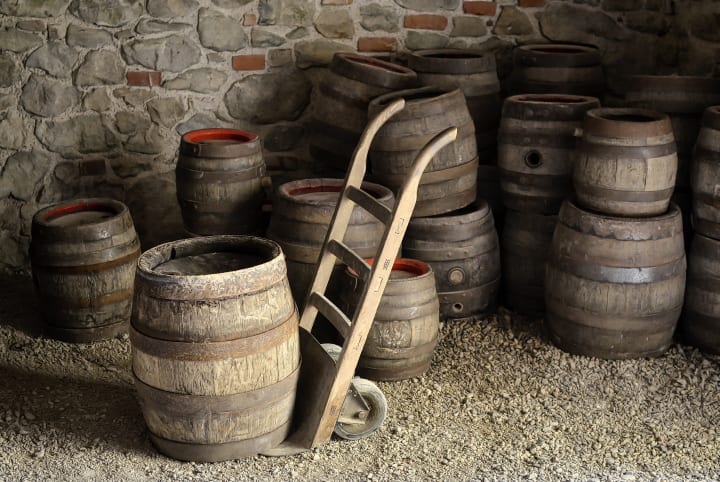
Part II: A City Addicted to Ale and Brewing on the Brink
To understand how a flood of beer could wreak such havoc, we need to dive into the drinking culture and industrial landscape of early 19th-century London. In an age before widespread access to clean drinking water, beer wasn't just a social lubricant - it was a nutritional necessity. It was consumed at every meal, by every age group. The working poor drank it not to get drunk, but to stay alive. Small beer - low in alcohol, high in calories - was part of the daily diet. By 1814, it was estimated that the average Londoner consumed nearly seven pints of beer each day. Entire families drank it. Employers gave it to workers as part of their wages. Beer was sustenance, culture, and economy all in one.
This enormous demand birthed a monster: the industrial brewery. Meux & Company's Horse Shoe Brewery was one of the largest of its kind. Rather than cozy establishments crafting small batches, breweries in London were sprawling complexes that rivaled shipyards in scale. Powered by steam engines and manned by armies of workers, they churned out thousands of gallons of beer per day. Their equipment was massive - towering vats held oceans of ale, pipes hissed with boiling liquids, and the air was heavy with the smell of yeast and wood smoke.
Porter, the beer at the heart of the 1814 disaster, was especially popular. Named after the porters and laborers who drank it by the bucket, it was dark, strong, and brewed in massive quantities. To maximize storage, brewers constructed gigantic vats made of wood, reinforced with iron hoops. These vats were marvels of 18th-century engineering, sometimes large enough to host parties inside them before they were filled. But their size came with risk. The wooden staves swelled under fermentation, and the hoops bore enormous pressure. No pressure gauges. No safety release valves. The only thing holding them together was faith in craftsmanship - and a bit of luck.
For decades, minor cracks and hoop failures had been treated as nuisances, not warnings. When a hoop broke, a note was entered into the brewery's logbook, and the staff carried on. But this time, luck ran out.
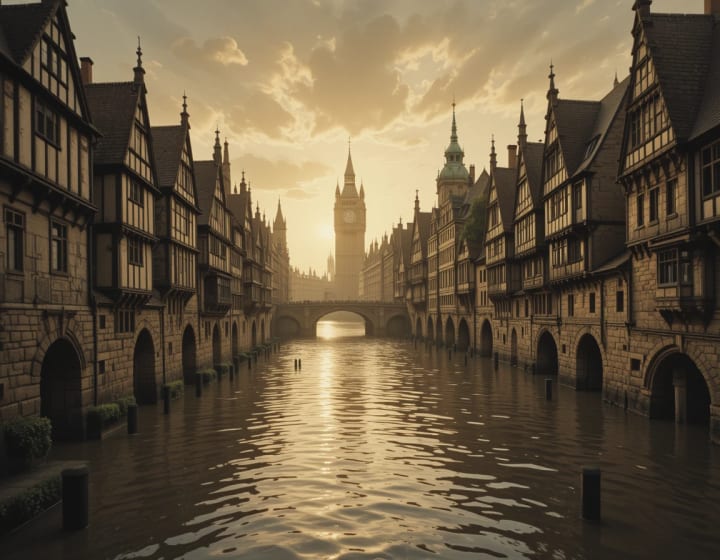
Part III: Catastrophe Unleashed and the Human Toll
At approximately 4:30 p.m., the iron hoop on the largest vat snapped with a deafening crack. Moments later, the vat split wide open, unleashing a roaring surge of beer with the explosive force of a cannon. The liquid burst into adjacent vats, which also ruptured under the shock. In an instant, more than 1.4 million liters of porter exploded into motion. The brewery's walls buckled under the assault, and a brick barrier 25 feet high was pulverized. Outside, in the surrounding slums of St. Giles, the porter became an unstoppable brown tsunami.
The wave was estimated to be 12 feet tall - about the height of two men stacked shoulder to shoulder. It slammed into the surrounding area without warning. Houses collapsed as if they were made of cardboard. Tenement rooms, often built half-below street level, were instantly submerged. Residents - many of them women and children - were given no time to react. Some were crushed, others drowned. The death toll officially stood at eight, but the truth may have been higher. Records from the period were incomplete, especially when it came to the lives of the poor.
The aftermath was grotesque and surreal. The streets reeked of beer. Furniture floated in cellars. Dead bodies were pulled from basements stained dark brown. In one particularly grim scene, mourners at a wake found themselves floating beside the coffin. The community, already mired in poverty, now faced complete ruin.
But amid the grief came morbid curiosity. Crowds gathered not just to mourn, but to scavenge. Locals brought pots, pans, and even boots to scoop up the remaining beer. Some drank it. Others sold it. Urban legends claim that people died of alcohol poisoning from drinking porter scooped from the gutter - though these claims remain unverified. One witness wrote of watching a man lie on his stomach, lapping at the liquid in a fevered frenzy. Another described children chasing beer down alleyways like it was a river of gold.
The newspapers called it a freak tragedy. The brewers called it an accident. The people of St. Giles called it a massacre by neglect.
The brewery bore no responsibility. Meux & Company even received a rebate on the taxes they had paid for the lost porter, saving them from financial collapse. The victims' families were given no compensation. For the elite, it was a closed case. For the working class, it was a clear injustice.
Safety standards in 1814 were virtually non-existent. Workers died in factory explosions, train derailments, and boiler mishaps all the time. The Beer Flood, while bizarre, was just another industrial mishap in an era where profit took precedence over protection. The vat's design - iron hoops holding swollen wooden planks together - had long outlived its safety margin. But upgrading equipment was costly, and with no regulations in place, there was no incentive to do so.
The brewery rebuilt and carried on. It continued brewing porter for decades, until it was eventually demolished in the 1920s. Today, the Dominion Theatre stands on the site. There's no plaque. No monument. Just layers of London pavement hiding the history below.
And yet the legend endures. The London Beer Flood has inspired cartoons, songs, pub quizzes, and documentaries. Some call it darkly comedic - others call it tragic negligence. Comparisons are often drawn to the Boston Molasses Disaster of 1919, when a massive molasses tank exploded and killed 21 people. Both events are reminders that industrial advancement, when rushed and unregulated, can transform the ordinary into the deadly.
There's something profoundly ironic about the nature of this disaster. Beer, a daily comfort for London's poor, became the very thing that killed them. It wasn't war, famine, or plague - it was ale. The same drink given to children with breakfast. The same drink handed to workers after a shift. It was the sustainer that turned destroyer.
So the next time you raise a pint of dark porter in a cozy pub, remember Eleanor Cooper and the residents of St. Giles. Remember the wave that came without warning. And remember that even the most laughable tales in history may carry the weight of very real loss. The London Beer Flood was not just an absurd footnote - it was a sobering symbol of an age intoxicated by industry.
About the Creator
Kek Viktor
I like the metal music I like the good food and the history...
Keep reading
More stories from Kek Viktor and writers in History and other communities.
An Epic Medieval Beard Battle Expanded. The War of the Whiskers (1325–1327)
The early 1300s in Europe were marked by rapid social changes and simmering tensions. Feudalism was still the dominant social order, but towns like Compiègne were growing in wealth and influence due to trade. This economic shift empowered a new middle class of merchants, artisans, and guild members, who often challenged the old aristocratic customs.
By Kek Viktor8 months ago in History
Nobel Peace Prize
The Nobel Peace Prize has stood as one of the world’s most recognized honors. Awarded annually in Oslo, it is meant to celebrate individuals or organizations that have made significant contributions toward peace, diplomacy, and humanitarian progress. While its mission appears straightforward, the Nobel Peace Prize has never been free from debate. In recent years, conversations surrounding global politics—particularly discussions about the Trump Nobel Peace Prize—have brought renewed attention to how peace is defined, measured, and rewarded in the modern era. The Origins and Meaning of the Nobel Peace Prize The Nobel Peace Prize was established by Alfred Nobel, the Swedish inventor best known for creating dynamite. In his final will, Nobel directed that a portion of his wealth be used to recognize efforts that foster peace among nations, reduce standing armies, or promote diplomacy and cooperation. Since its first award in 1901, the prize has honored activists, diplomats, organizations, and world leaders whose actions shaped international dialogue. Unlike other Nobel categories, the peace prize is awarded by a Norwegian committee rather than a Swedish institution. This distinction reflects Nobel’s desire to separate the prize from national interests and focus instead on global responsibility. Over time, the definition of “peace” has expanded. Early recipients were often disarmament advocates or mediators. More recent laureates have included human rights defenders, climate activists, and international organizations working in conflict zones. Politics and the Nobel Peace Prize Despite its humanitarian ideals, the Nobel Peace Prize has always intersected with politics. Recognizing peace efforts often means evaluating political leadership, international negotiations, and long-term consequences—none of which are easy to measure in real time. Some awards have been widely celebrated, while others sparked controversy. Critics often argue that certain laureates were honored prematurely, before the lasting results of their actions became clear. Supporters counter that the prize is meant to encourage peace efforts, not merely reward completed achievements. This tension has made the Nobel Peace Prize a reflection of global priorities at any given moment, rather than a simple historical judgment. Donald Trump and Nobel Peace Prize Discussions Few modern political figures have generated as much debate in connection with the Nobel Peace Prize as Donald Trump. During and after his presidency, conversations about a potential Trump Nobel Prize emerged repeatedly, particularly among supporters who pointed to his role in diplomatic initiatives. The phrase Trump Nobel Peace Prize gained traction following agreements and negotiations in regions long marked by conflict. Advocates argued that these diplomatic efforts aligned with Alfred Nobel’s vision of reducing international tension through dialogue rather than force. At the same time, critics questioned whether these actions met the broader ethical and humanitarian standards traditionally associated with the award. They pointed to domestic divisions, foreign policy controversies, and unresolved global conflicts as reasons for skepticism. This divide highlights a core challenge of the Nobel Peace Prize: peace is rarely absolute, and political leadership is often complex and contradictory. Trump Nobel Peace Prize 2026: Speculation and Context As global politics continue to evolve, speculation around a Trump Nobel Peace Prize 2026 has appeared in media discussions and public commentary. It is important to note that nominations for the Nobel Peace Prize are confidential for decades, and speculation does not confirm consideration or selection. However, the mere discussion of Trump Nobel Peace Prize 2026 reflects how the award has become part of broader cultural and political conversations. Supporters view such recognition as validation of diplomatic achievements, while critics see the speculation as politicizing an institution meant to rise above partisan debate. This dynamic is not unique to Trump. Many past leaders, from various ideological backgrounds, were debated heavily before or after receiving the prize. The Nobel Peace Prize often mirrors global disagreements rather than resolving them. How the Nobel Committee Makes Its Decision Each year, hundreds of nominations are submitted by qualified individuals, including academics, lawmakers, and previous laureates. The Nobel Committee evaluates these nominations through research, expert consultation, and internal debate. The process considers intent, impact, and long-term significance. However, because peace efforts often unfold over years or decades, the committee must make decisions without full historical clarity. This reality explains why some awards age gracefully while others remain controversial. The committee rarely responds directly to public pressure or online campaigns. Media attention, including discussions around a Trump Nobel, does not guarantee influence over the final decision. The Broader Impact of the Nobel Peace Prize Beyond individual recipients, the Nobel Peace Prize plays a symbolic role. It brings global attention to issues that might otherwise be ignored, from humanitarian crises to fragile peace processes. Even controversial nominations can spark meaningful debate about what peace truly means in the modern world. The prize also raises questions about accountability. When leaders are considered for such recognition, the public is encouraged to examine policies, outcomes, and moral responsibility more closely. In this sense, discussions surrounding the Trump Nobel Peace Prize are not just about one individual. They reflect deeper conversations about diplomacy, leadership, and the evolving standards by which peace is judged. Conclusion: A Prize That Reflects the World The Nobel Peace Prize remains one of the most influential and debated honors in global society. Its power lies not only in recognizing peace efforts but also in challenging the world to think critically about conflict, cooperation, and responsibility. Whether discussions involve historic activists or modern political figures like those associated with Trump Nobel Peace Prize 2026 speculation, the award continues to reflect the complexities of international relations. Peace is rarely simple, and neither is the process of honoring it. Ultimately, the Nobel Peace Prize serves as a reminder that striving for peace is an ongoing journey—one shaped by ideals, actions, and the difficult choices that define human history.
By Saboor Brohi 4 days ago in History
The History of America — A Nation Forged by Struggle and Change
Long before the name “America” existed, the vast lands of North America were home to millions of Indigenous peoples. These societies—such as the Navajo, Iroquois, Cherokee, Apache, and many others—developed rich cultures, languages, and systems of governance. They farmed, hunted, traded, and built complex communities deeply connected to the land. For thousands of years, these civilizations thrived, long before European ships ever crossed the Atlantic.
By The best writer 2 days ago in History



Comments
There are no comments for this story
Be the first to respond and start the conversation.