
🏰The Defenestrations of Prague, 1419 and 1618: Political Assassinations by Throwing People Out of Windows That Sparked Wars
⚔️📖Wierd Stories from History

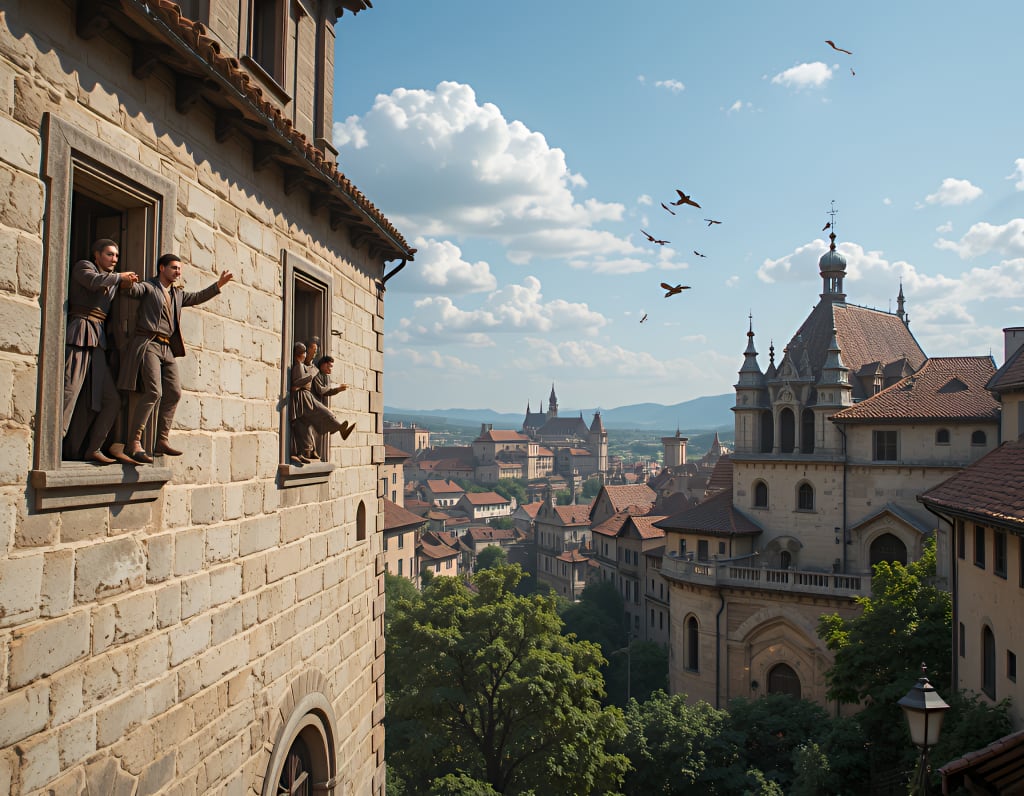
Part 1: Introduction - What Is a Defenestration?
The term defenestration may sound peculiar to modern ears, but it holds a deeply significant place in European history - particularly in the Czech lands. Derived from the Latin words de- ("down from" or "away") and fenestra ("window"), defenestration simply means the act of throwing someone out of a window. Though seemingly straightforward, this term encapsulates a rare yet dramatic form of political violence that became emblematic of Prague's turbulent religious and political struggles during the late Middle Ages and the early modern period.
Unlike ordinary acts of rebellion or assassination, the defenestrations in Prague were highly symbolic and theatrical. To hurl an opponent out of a window wasn't just about killing or intimidating individuals - it was a deliberate, public statement rejecting authority, challenging the legitimacy of rulers, and expressing extreme discontent. The window itself was a potent metaphor: a threshold between power and vulnerability, control and chaos. Those thrown out were literally cast out from the centers of power - whether city halls or castles - signaling a rupture between the governing elite and the people or factions rising against them.
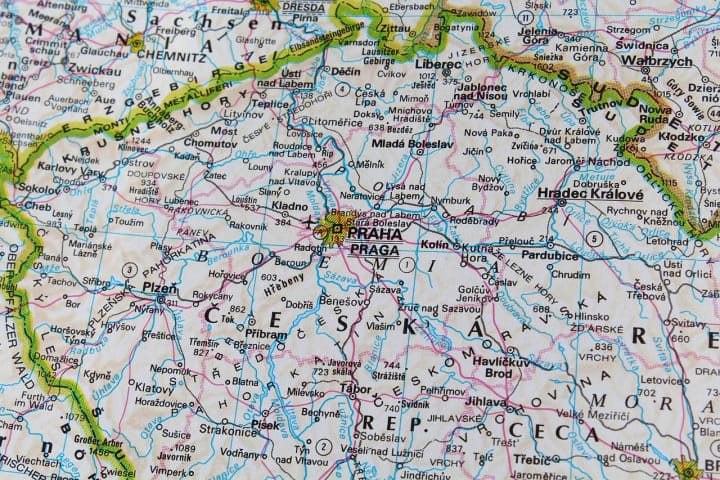
Prague, the capital of Bohemia (today's Czech Republic), was a hotspot of religious tension and political friction for centuries. Its strategic location in Central Europe made it a crossroads of cultures, ideas, and conflicts. The city's history is marked by episodes of intense struggle over religion, governance, and national identity - many of which found their explosive expression in acts of defenestration. The two most famous defenestrations - one in 1419 and another in 1618 - stand out not only for their violence but for the way they ignited far-reaching conflicts that reshaped Europe's religious and political landscape.
The First Defenestration of Prague in 1419 occurred against the backdrop of growing dissatisfaction with the Catholic Church's corruption and the execution of reformer Jan Hus, whose calls for ecclesiastical reform inspired widespread unrest. The throwing of city officials out of the New Town Hall window was a catalyst for the Hussite Wars, which lasted nearly two decades and challenged the established order of Church and monarchy. This war is often regarded as a precursor to the later Protestant Reformation and marked an early assertion of Czech national and religious identity.
The Second Defenestration of Prague in 1618, nearly two centuries later, happened in an equally charged atmosphere of religious conflict. This time, Protestant nobles hurled Catholic royal officials from the windows of Prague Castle in protest against violations of their religious rights. The event is famously remembered as the spark that ignited the Thirty Years' War - one of the bloodiest and most destructive conflicts in European history, involving multiple kingdoms and leaving deep scars across the continent. The war's devastation led to the Peace of Westphalia in 1648, a landmark treaty that helped define the modern nation-state system.
Together, these two dramatic acts of defenestration serve as powerful historical symbols of resistance, religious conflict, and political upheaval. They remind us how symbolic violence - especially when staged in such a public, shocking way - can set off chains of events that shape the fate of entire regions. The story of the Defenestrations of Prague offers a vivid window (pun intended) into the struggles for power, faith, and identity that have shaped European history for centuries.
Part 2: The First Defenestration of 1419 - The Beginning of the Hussite Wars
The first Defenestration of Prague occurred on July 30, 1419, in a city simmering with unrest. Bohemia (modern-day Czech Republic) was a hotbed of religious reform ideas inspired by the preacher Jan Hus, who had been burned at the stake for heresy just two years earlier. His followers, known as Hussites, demanded reforms from the Catholic Church and local authorities.
On that fateful day, a Hussite mob, led by radical preacher Jan Želivský, marched to the New Town Hall in Prague. They confronted the city councilors who had refused to release some Hussite prisoners. Tensions escalated quickly. The angry crowd stormed the town hall, and in a shocking act of violence, threw several councilors out of the windows to their deaths below.
This brutal event did more than kill a few officials - it ignited the Hussite Wars, a series of religious and political conflicts that raged for nearly two decades. The wars deeply destabilized the region and challenged the authority of both the Catholic Church and the Holy Roman Empire, marking one of the earliest major uprisings against Church dominance in Europe.
Part 3: Political and Religious Context - Why Defenestration?
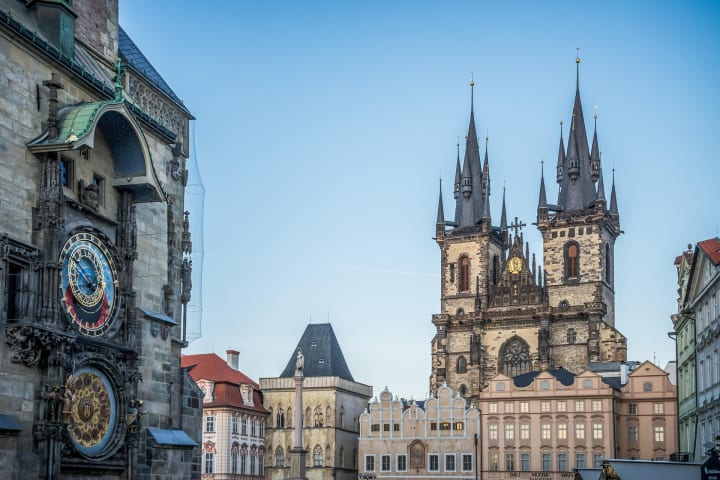
To modern ears, throwing someone out of a window may sound bizarre or even farcical, but in the volatile political landscape of medieval Bohemia, it was a powerful symbol and a ruthless method of political assassination. Windows in castles and town halls were literal and figurative gateways of power.
The repeated use of defenestration symbolized a dramatic rejection of authority and an ultimate punishment. In a society where direct confrontation with rulers was dangerous, the act sent a clear message: those in power could be violently overthrown. It also underscored the deep religious divisions - Catholic authorities versus reformist groups like the Hussites and later Protestant nobles - who saw the ruling elite as corrupt and oppressive.
The location of the defenestrations - the Prague Castle and town halls - also mattered. These were seats of power and governance, making the violent ejections symbolic acts of rebellion against the established order.
Part 4: The Second Defenestration of 1618 - The Spark of the Thirty Years' War
Nearly 200 years later, tensions between Protestant nobles and the Catholic Habsburg rulers erupted again. On May 23, 1618, Protestant nobles in Bohemia confronted two Catholic royal governors and their secretary at Prague Castle. The nobles accused the officials of violating religious freedoms granted by the Letter of Majesty, a royal decree guaranteeing certain rights to Protestants.
The confrontation escalated quickly, and in an echo of history, the nobles seized the officials and threw them out of the third-floor window of the castle's Bohemian Chancellery. Remarkably, the victims survived the roughly 70-foot fall, reportedly because they landed on a pile of manure, which some Catholics dismissed as a miracle and Protestants as luck.
This dramatic event, known as the Second Defenestration of Prague, ignited the Thirty Years' War - one of the most devastating conflicts in European history, involving multiple nations and resulting in massive casualties and political upheaval.
The Defenestrations of Prague stand as vivid examples of how symbolic acts of violence can escalate into massive political and religious conflicts. Both events demonstrated the precariousness of authority in times of deep social unrest and religious division.
The Hussite Wars following the first defenestration challenged the Catholic Church's influence and introduced early Protestant ideas. The Thirty Years' War sparked by the second defenestration reshaped the political map of Europe, ended with the Peace of Westphalia in 1648, and laid the foundations for the modern system of sovereign nation-states.
Today, "defenestration" remains a unique historical term, but the events in Prague remind us how explosive the mix of politics, religion, and power can be - and how a single dramatic act can change history forever.
About the Creator
Kek Viktor
I like the metal music I like the good food and the history...
Keep reading
More stories from Kek Viktor and writers in History and other communities.
🐇The Great Rabbit Panic of 1730: When Fluffy Bunnies Terrorized England
Part 1: The Quiet Before the Storm - England's Peaceful Countryside In the early 1700s, England's countryside was a patchwork of farmland, pastures, and sleepy villages, where life revolved around planting, harvesting, and simple village traditions. Potatoes were becoming a staple crop, slowly reshaping the British diet. For many, farming was a steady, if humble, livelihood - season after season of sowing seeds, tending fields, and reaping crops.
By Kek Viktor8 months ago in History
A secret staircase found beneath a 1,500-year-old French church
A subterranean staircase and burial strata dating back approximately 1,500 years were discovered during a project inside the Church of Saint Philibert in Dijon, France. The stairs were discovered by restoration workers inside the church when repairs were being made, and the excavation soon ensued.
By Francis Dami5 days ago in History
Martin Luther King's 'I Have a Dream' Speech: Things People Still Don't Know
Former President Ronald Reagan declared the third Monday in January to be Martin Luther King Jr. Day to celebrate the slain civil rights activist. Had he lived, he would be celebrating his birthday at age 97 on January 15, 2026, but he was assassinated at the young age of 39 on April 4, 1968.
By Margaret Minnicksa day ago in History



Comments
There are no comments for this story
Be the first to respond and start the conversation.