Figures
Yemanjá
Yemanjá, also known as Iemanjá in Brazil, is a prominent figure in Afro-Brazilian religions and cultural expressions, recognized as the powerful and nurturing goddess of the sea. Revered in Candomblé and Umbanda, Yemanjá is known as the "Queen of the Ocean," embodying themes of motherhood, protection, and transformation. Her influence extends far beyond religious boundaries, touching Brazilian art, music, and annual celebrations that draw millions of devotees and tourists alike. In this article, we explore Yemanjá's origins, her symbolic role in Brazilian culture, and how her annual festival continues to inspire a sense of connection and renewal. Yemanjá originates from the Yoruba religion of West Africa, where she was venerated as one of the Orishas, powerful deities connected to nature. In the Yoruba tradition, Yemanjá is associated with rivers and motherhood, symbolizing fertility, nurturing, and emotional depth. The transatlantic slave trade, however, brought Yoruba practitioners to Brazil, where they adapted their religious practices in the face of colonial oppression. Over time, the worship of Yemanjá blended with local indigenous beliefs and elements of Catholicism, leading to the vibrant, syncretic Afro-Brazilian religious traditions we see today.
By A Históriaabout a year ago in History
Strange laws In History You Won't Believe Existed
Strange Laws in History You Won’t Believe Existed: The World’s Weirdest Rules Introduction Picture this: it’s the 1600s, and you’re being hauled off to court… for wearing a fancy purple hat. Or maybe it’s colonial America, and you’re sneaking a slice of pie on Christmas, risking the wrath of the pie police with every bite.*
By Bob Maddenabout a year ago in History
The Witch of Wall Street Who Dared to Save a Penny: Hetty Green
Hold onto your hats, folks, because we’re diving into the fascinating world of Hetty Green, a woman who took the financial world by storm in the late 19th and early 20th centuries. Often dubbed the "Witch of Wall Street" (and not for her broomstick skills), Hetty was known for her shrewd investing tactics and remarkable ability to accumulate wealth. So, if you’ve ever felt the urge to pinch pennies or dreamt of ruling the stock market, grab your calculators, and let’s unravel the life of this extraordinary financial trailblazer!
By Marveline Merababout a year ago in History
Papua New Guinea’s Central Province: A Rich Tapestry of Culture and Customs
Papua New Guinea’s Central Province, located along the southeastern coast, is known for its breathtaking landscapes, from rugged mountains to pristine beaches. This province is equally fascinating for its people, who are steeped in traditional customs and a vibrant cultural heritage. The diversity within Central Province, with its many different communities and languages, has fostered unique traditions that continue to thrive despite modernization. This article explores some of the notable customs and cultural practices that define the people of Central Province.
By Grace Guiseabout a year ago in History
The Raggiana Bird of Paradise
Papua New Guinea’s Bird of Paradise is a symbol of extraordinary beauty, cultural significance, and ecological value. Known for its vibrant colors, intricate plumage, and elaborate mating dances, the Bird of Paradise has captivated scientists, artists, and locals alike. These birds, with around 40 species mainly found in Papua New Guinea, have deeply influenced the nation’s traditions, spiritual beliefs, and conservation efforts, making them an essential element of the region’s identity.
By Grace Guiseabout a year ago in History
Disposed Royal Houses That Still Exist.
Throughout the 19th and 20th Century, the Old World, and parts of the New World, were once largely ruled by monarchs. Be it absolute or constitutional, these kings, queens, emperors, and empresses were regarded with admiration by their subjects. However at the end of First World War, and the subsequent Second, the vast majority of monarchies were largely done away with. From being disposed by government action or voted out of power by the people, these ancient ruling families saw their reigns come to an end.
By Halden Mileabout a year ago in History
Curupira
Brazilian folklore is abundant with mythical characters that reflect the vibrant and enigmatic qualities of the nation’s diverse ecosystems. One such figure is the Curupira, an intriguing protector of the forests who represents the ideals of safeguarding, honoring, and valuing nature. Characterized by his striking red hair and feet that point in reverse, the Curupira is both elusive and formidable, instilling fear in those who seek to damage the environment. However, who is this mysterious entity, and what significance does he hold within Brazilian folklore? In Brazilian mythology, the Curupira is a supernatural entity responsible for safeguarding the forest and its creatures. Unlike many other mythical beings, the Curupira actively protects the environment, employing tricks and illusions to mislead hunters and loggers who violate the natural order. He is typically portrayed as a small, child-like figure with striking red hair, symbolizing his untamed spirit and deep connection to the earth.
By A Históriaabout a year ago in History
The Keeper of Memories
The Keeper of Memories In the small town of Albury, nestled between rolling hills and quiet lakes, lived an elderly man named Thomas. For as long as anyone could remember, Thomas had been the town’s unofficial historian. He was not a historian in the formal sense; he held no degrees, no scholarly titles. But what he did possess was an irreplaceable gift for remembering and storing the memories of people who had once lived, loved, and left their mark on the town.
By Dipak Pawarabout a year ago in History
Frightening Facts About Sultan Moulay Ismail Ibn Sharif That Will Blow Your Mind
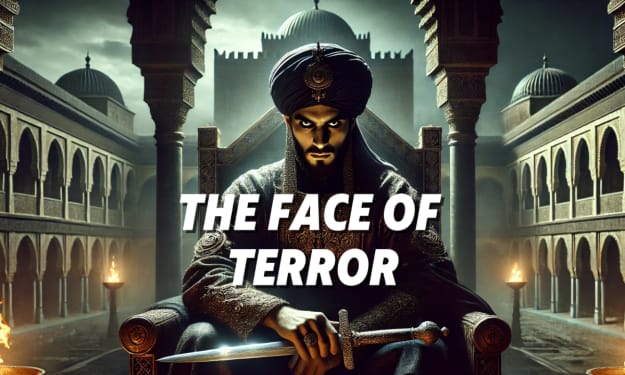
When it comes to ruthless rulers, Sultan Moulay Ismail Ibn Sharif ranks pretty high up on the list. This 17th-century Moroccan monarch, who ruled from 1672 to 1727, was known for his iron-fisted control, massive army, and, well, a staggering number of children. His reign wasn’t just about governance—it was about absolute dominance, and he used every tool at his disposal, from brute force to strategic diplomacy. Let's dive into the wild and frightening facts about this legendary sultan.
By Marveline Merababout a year ago in History
A Conversation, Part One:
With just the introductions made by the producer of Soul, Ellis Haizlip, I was immediately taken aback. Every time I hear, watch, or read something from the past made by Black people, I feel a sense of belonging and how amazing it must have been to live in and experience that time. It is quite "duh" that slavery and fatal oppression were an enormous smear on the whole thing, so really, I speak of these past century fantasies and aspirations in imagination, without the impossible-to-survive circumstances we were dealt, either by the greater forces out there or, according to the Blackroots books by an anonymous author - the circumstances we dealt out to ourselves. The Blackroots books can be spoken of through a multitude of audio, visual, and written pieces, hopefully coming in the future of my work.
By Mmakgobaneabout a year ago in History