
The Raggiana Bird of Paradise
Learn the importance of the bird of Paradise in Papua New Guinea
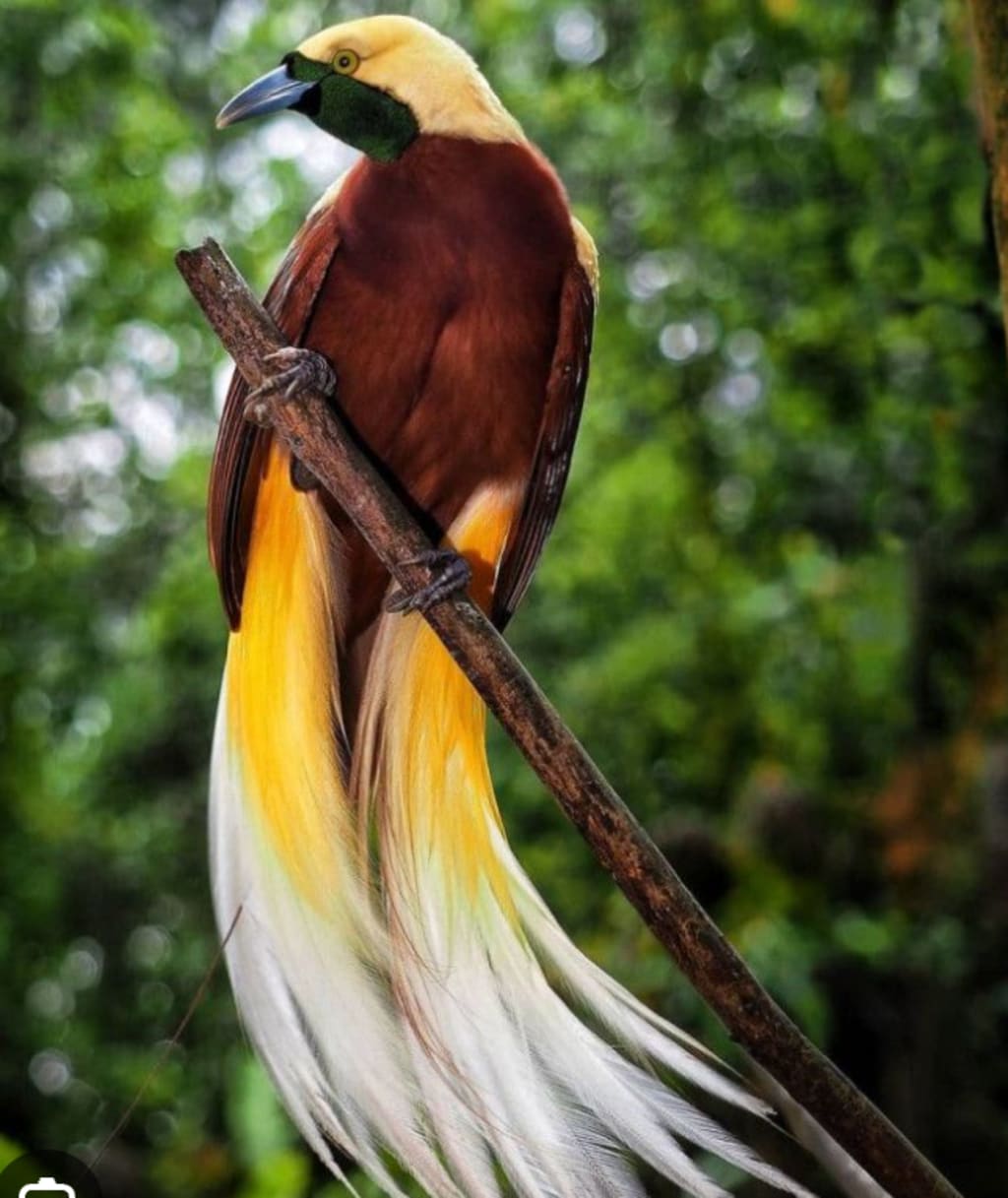
Papua New Guinea’s Bird of Paradise is a symbol of extraordinary beauty, cultural significance, and ecological value. Known for its vibrant colors, intricate plumage, and elaborate mating dances, the Bird of Paradise has captivated scientists, artists, and locals alike. These birds, with around 40 species mainly found in Papua New Guinea, have deeply influenced the nation’s traditions, spiritual beliefs, and conservation efforts, making them an essential element of the region’s identity.
The Unique Beauty of Papua New Guinea’s Birds of Paradise
Papua New Guinea is home to the majority of Bird of Paradise species, each showcasing different colors, feather structures, and courtship displays. Males often have flamboyant, iridescent feathers in hues of green, blue, and yellow, along with elongated tail feathers or decorative plumes. Their courtship dances are particularly fascinating; to attract a mate, male birds perform elaborate displays, often cleaning their chosen stage meticulously before performing their unique dance routines. This flamboyant behavior, alongside their beauty, has earned the Bird of Paradise a legendary status worldwide.
Cultural Significance in Papua New Guinea
The Bird of Paradise is more than a natural marvel; it has a profound place in Papua New Guinea’s culture and traditions. Known locally as “kumul,” it has long been a source of inspiration, respect, and symbolism. For many of Papua New Guinea’s indigenous groups, Birds of Paradise represent spiritual guardians or symbols of ancestral spirits. This deep-seated connection is reflected in the traditional rituals, dances, and stories that are still practiced across the nation.
One of the most notable ways the Bird of Paradise influences Papua New Guinean culture is through ceremonial dress. Indigenous groups use feathers from the Bird of Paradise to create elaborate headdresses worn during traditional dances, called “sing-sings.” These dances are a showcase of the community’s heritage, where participants don these colorful headdresses and body adornments, honoring their ancestors and nature. For many tribes, these headdresses represent social status, courage, and connection to the divine.
In some parts of the country, feathers of the Bird of Paradise are passed down through generations, embodying family lineage and honoring ancestors. As these adornments hold significant cultural value, they are treated with immense care and respect. By using Bird of Paradise feathers in rituals and ceremonies, the people of Papua New Guinea celebrate the symbiotic relationship they have with their environment.
National Symbol and Economic Impact
The Bird of Paradise is a national icon of Papua New Guinea, even gracing the country’s national flag. This symbol reflects not only national pride but also a commitment to preserving the nation’s biodiversity. The presence of Birds of Paradise has also played a role in ecotourism, attracting bird watchers, photographers, and nature enthusiasts from around the globe. This influx of tourists helps stimulate the local economy and supports conservation initiatives, giving communities an incentive to protect their natural environment.
Conservation Challenges and Efforts
However, the Bird of Paradise faces various threats due to habitat destruction, climate change, and hunting. Although using Bird of Paradise feathers in traditional attire is a longstanding practice, unregulated hunting has led to a decline in some species’ populations. Additionally, logging and land clearing for agriculture have drastically reduced their habitat, endangering their survival.
In response, Papua New Guinea has established several conservation programs and protected areas to preserve these magnificent birds. Many tribes and local communities are actively involved in these initiatives, recognizing that the survival of the Bird of Paradise is integral to both their cultural heritage and natural ecosystem. NGOs and international organizations are also collaborating with local communities, offering training and resources to balance cultural practices with conservation needs.
The Ecological Role of Birds of Paradise
Beyond their cultural and economic importance, Birds of Paradise play a significant role in maintaining Papua New Guinea’s ecosystem. These birds are vital to seed dispersal, as they feed on fruits and spread seeds throughout the forest. This helps regenerate the forest and supports other wildlife by maintaining the biodiversity of the habitat. By protecting Birds of Paradise, Papua New Guinea also protects countless other species, fostering a balanced and healthy environment.
Conclusion
The Bird of Paradise holds a special place in Papua New Guinea’s heart, symbolizing beauty, cultural heritage, and ecological resilience. Its stunning plumage, unique behavior, and cultural significance make it one of the most revered birds in the world. Through conservation efforts and cultural practices, the people of Papua New Guinea continue to honor these birds, ensuring that future generations can witness the majesty of these "birds of heaven." By preserving the Bird of Paradise, Papua New Guinea not only upholds its national identity but also its commitment to a sustainable future, where nature and culture thrive together.
About the Creator
Grace Guise
i love creating content, i love writing and passionate about change, the world, the earth, the people and many things about life that is just magnificent. i love being alive, i love to breath the air and natural taste of water.
Keep reading
More stories from Grace Guise and writers in History and other communities.
Exploring the Rich Cultural Heritage and Dances of Manus Province
Manus Province, one of Papua New Guinea’s smallest and most isolated regions, is known for its stunning natural beauty and rich cultural heritage. Located in the Admiralty Islands and made up of one main island, Manus, alongside several smaller islands, the province has a unique way of life shaped by its distinct geography and centuries-old customs. The people of Manus Province, primarily the Manus and Titan ethnic groups, maintain a close connection to their cultural roots, displaying a strong sense of community, traditional beliefs, and vibrant artistic expressions, particularly through dance.
By Grace Guiseabout a year ago in History
The Titanic Mystery: Secrets Beneath the Frozen Sea
On the night of April 14, 1912, the RMS Titanic sailed calmly through the dark waters of the North Atlantic, carrying more than 2,200 souls and the dreams of a modern world that believed it had conquered nature. Labeled “unsinkable,” the Titanic was the pride of human engineering. Yet before dawn broke, the great ship lay shattered beneath miles of icy ocean. More than a century later, the Titanic remains not just a tragedy—but a mystery filled with unanswered questions.
By The best writer 3 days ago in History



Comments
There are no comments for this story
Be the first to respond and start the conversation.