
Papua New Guinea’s Central Province: A Rich Tapestry of Culture and Customs
Learn about Central Province
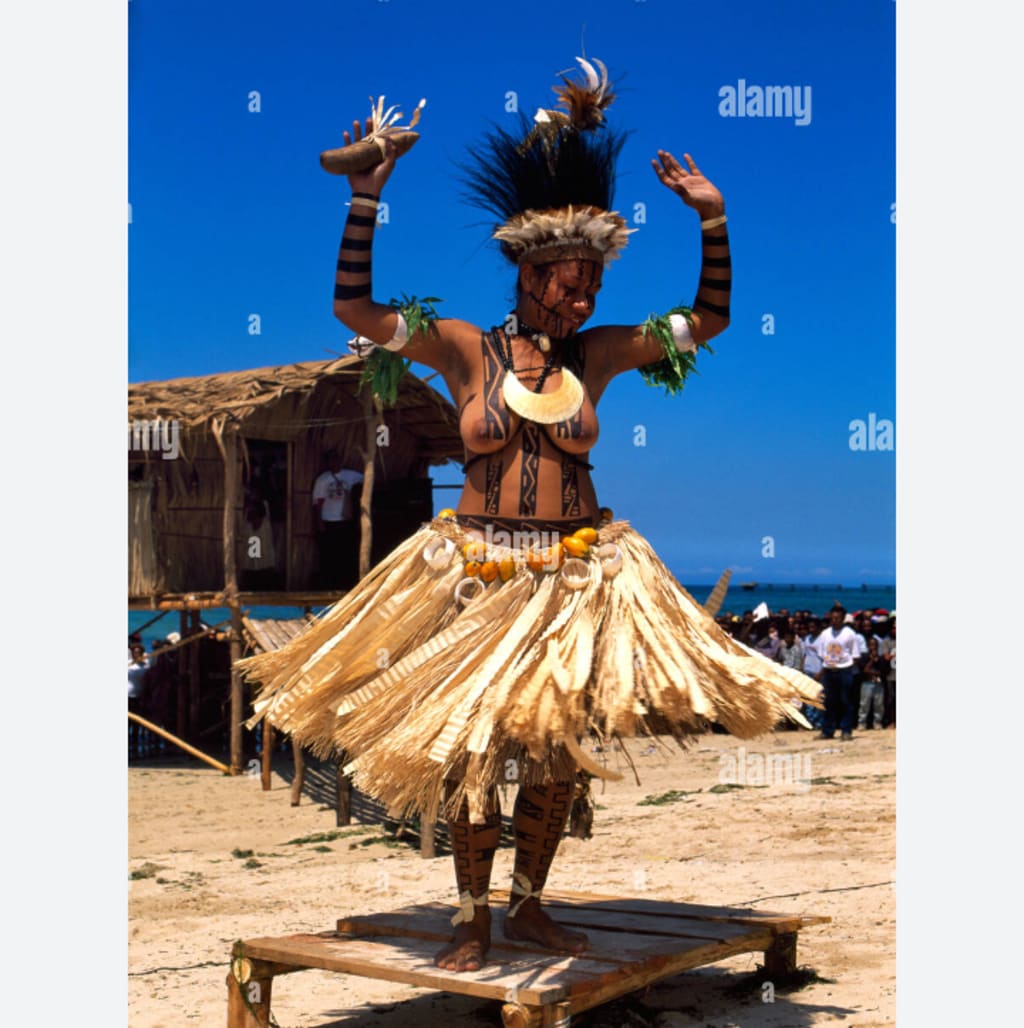
Papua New Guinea’s Central Province, located along the southeastern coast, is known for its breathtaking landscapes, from rugged mountains to pristine beaches. This province is equally fascinating for its people, who are steeped in traditional customs and a vibrant cultural heritage. The diversity within Central Province, with its many different communities and languages, has fostered unique traditions that continue to thrive despite modernization. This article explores some of the notable customs and cultural practices that define the people of Central Province.
Language and Identity
Papua New Guinea is home to over 800 languages, and Central Province contributes significantly to this linguistic diversity. The Motu language, widely spoken in Central Province, is one of the region’s most prominent languages, and the unique Hiri Motu dialect serves as a lingua franca across several coastal communities. Language is central to identity in Central Province, with each community cherishing its linguistic heritage. Rituals, oral histories, and myths are passed down through generations in these local languages, preserving the people’s identity and deep connection to their land and ancestors.
The Hiri Trade Tradition
One of the most celebrated cultural practices in Central Province is the Hiri trade tradition. This historical trade network connected the people of the coast with inland and island communities, particularly the Gulf Province. The Hiri voyages were undertaken in large, wooden sailing canoes called “lakatois,” which were crafted from special trees and decorated with unique symbols. These voyages were significant both economically and socially, as they facilitated the exchange of goods, such as clay pots, sago, and shells, and strengthened inter-community relationships.
The Hiri trade tradition is commemorated in an annual Hiri Moale Festival, where the history and heritage of this ancient practice are celebrated through canoe races, dances, and the crowning of the Hiri Queen. This festival is a vibrant showcase of Central Province’s pride in its maritime history and serves as an opportunity for younger generations to learn about and connect with their ancestors’ way of life.
The Significance of Dance and Music
Dance and music are integral to the cultural expression of Central Province. Traditional dances, known as “meke,” are performed at special events, from weddings and celebrations to rituals that honor ancestors. These dances are highly symbolic, often representing stories of creation, warrior legends, or the province’s natural elements. Dancers wear costumes made from materials like feathers, shells, and plant fibers, each costume design unique to the specific community and purpose of the dance.
Music accompanies these dances, with drums (known locally as kundu drums) playing a central role. Drums are carved from hardwood and painted with traditional designs, representing a family’s or clan’s history. In Central Province, music is also a storytelling medium, with songs sung in local dialects and handed down across generations. These musical traditions help preserve the people’s connection to their ancestral lands and natural environment.
Marriage and Family Life
Marriage customs in Central Province reflect the community-oriented nature of local society. Marriages are often arranged with the aim of strengthening ties between families and communities. While the details of marriage ceremonies vary among communities, the process generally involves negotiations between families, with bride price (gifts or money given to the bride’s family) playing a significant role. This exchange is not merely transactional; it represents a commitment from both families to support the union and its future offspring.
Family life in Central Province is communal, with extended family units living together and sharing responsibilities. Elders are highly respected and play a vital role in decision-making, with younger members expected to listen to their guidance. This respect for family and community bonds is deeply embedded in the culture, emphasizing the importance of mutual support and harmony within the clan.
The Role of Spirituality and Taboos
Central Province’s culture is deeply spiritual, with beliefs rooted in respect for nature and the spirits of ancestors. Many communities observe specific taboos that govern their daily lives, often based on ancestral teachings. These taboos might dictate how certain plants or animals should be treated or prohibit actions that could disrupt the spiritual harmony of a place. Respect for nature and the environment is woven into these customs, underscoring a collective responsibility to preserve the land and sea that sustain them.
Traditional healers, or “sorcerers,” also hold an esteemed position within Central Province communities. These individuals are believed to have a unique connection with the spirit world and are called upon for healing, guidance, or protection. In addition, rituals that honor ancestral spirits are regularly practiced, especially in times of crisis or during important milestones like births and deaths.
Conclusion
Central Province in Papua New Guinea is a region rich in cultural heritage, where ancient customs and modern life blend to create a unique identity. Through the Hiri trade tradition, dance and music, communal family life, and deeply rooted spiritual beliefs, the people of Central Province maintain a strong connection to their ancestral traditions. As they navigate the challenges of modernity, these cultural practices provide a source of identity, resilience, and unity, ensuring that the customs and stories of Central Province continue to thrive for generations to come.
About the Creator
Grace Guise
i love creating content, i love writing and passionate about change, the world, the earth, the people and many things about life that is just magnificent. i love being alive, i love to breath the air and natural taste of water.
Keep reading
More stories from Grace Guise and writers in History and other communities.
The Hiri Trade in Papua New Guinea
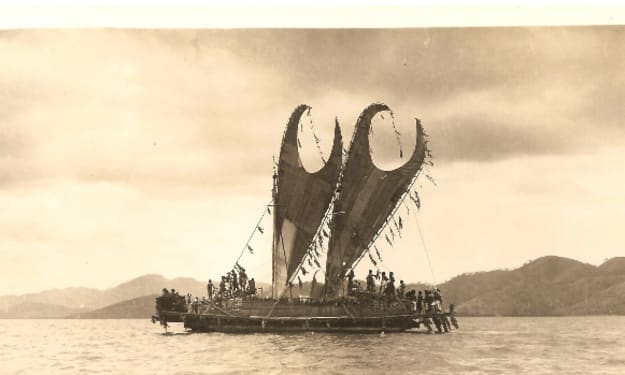
Trade System in Port Moresby, Papua New Guinea Papua New Guinea (PNG) has a rich history of traditional trade systems, which were integral to the lives and culture of its people long before European contact. In particular, Port Moresby, the capital of PNG, was historically a bustling center for trade, driven by the Motu-Koita people who developed a unique trading system known as the hiri trade. This ancient practice played a crucial role in fostering social ties, spreading goods, and connecting various communities along the coastlines of New Guinea and its offshore islands.
By Grace Guiseabout a year ago in History
12 American Flag Designs That Almost Changed History
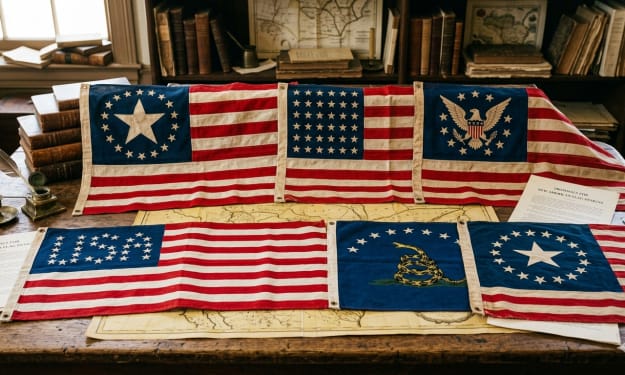
The American flag is one of history’s most iconic symbols. Its red, white, and blue stripes, along with fifty stars, instantly represent freedom, democracy, and national pride. But did you know that the flag we all recognize today didn’t become official until 1960?
By Areeba Umair3 days ago in History

Comments
There are no comments for this story
Be the first to respond and start the conversation.