
Frightening Facts About Sultan Moulay Ismail Ibn Sharif That Will Blow Your Mind
This Man had more children than Genghis Khan

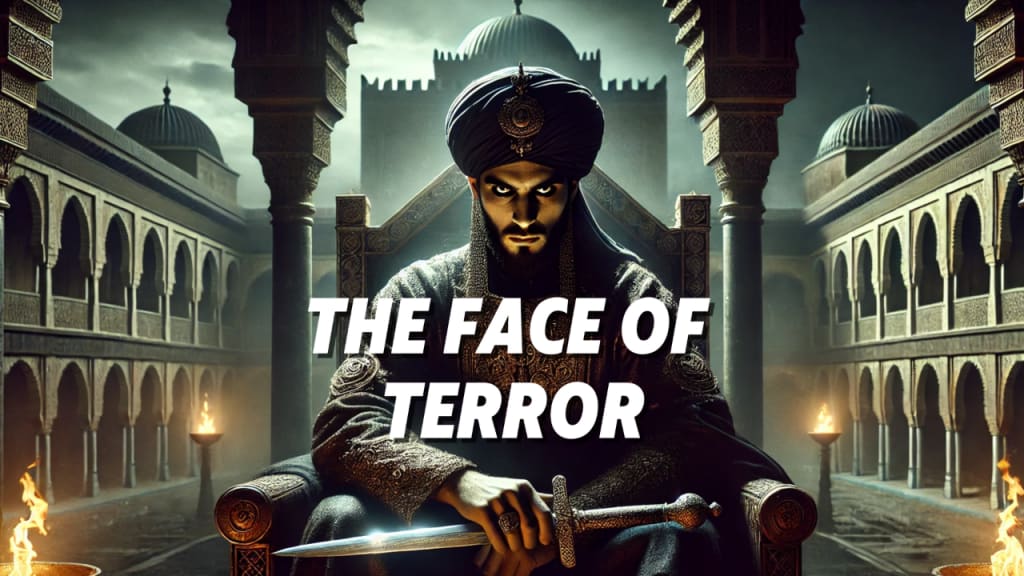
When it comes to ruthless rulers, Sultan Moulay Ismail Ibn Sharif ranks pretty high up on the list. This 17th-century Moroccan monarch, who ruled from 1672 to 1727, was known for his iron-fisted control, massive army, and, well, a staggering number of children. His reign wasn’t just about governance—it was about absolute dominance, and he used every tool at his disposal, from brute force to strategic diplomacy. Let's dive into the wild and frightening facts about this legendary sultan.
Moulay Ismail’s Massive Army (Yes, He Was Ready for War!)
Let’s start with one of the most jaw-dropping aspects of Sultan Ismail’s reign: his army. And this wasn’t your run-of-the-mill medieval force—Ismail commanded a staggering 500,000 soldiers! That’s like half a million people dedicated to ensuring that his rule went unchallenged. His army, known as the Black Guard, was composed mainly of slaves and prisoners who had been trained into a fearsome military machine.
Ismail wasn’t just content with ruling Morocco; he wanted to make sure his grip on the kingdom was unbreakable. So how did he do that? By creating a military force so large that no one could even think about rebelling without getting squashed like a bug under a boot. His soldiers were stationed throughout the country, and they weren’t just there for show. The Black Guard played a critical role in maintaining order, enforcing Ismail’s draconian laws, and keeping the peace in the most, let’s say, efficient way possible.
Of course, it wasn’t all about the numbers. Ismail also knew how to instill fear. With a ruler this powerful, even the whisper of dissent could get you into trouble. And if you did find yourself on the wrong side of the law, well, let’s just say the punishments were as swift as they were brutal. Which brings us to...
Heads Will Roll! The Sultan’s Favorite Hobby: Executions
Imagine living in a time where getting on the wrong side of the ruler could literally cost you your head—quite literally. Sultan Moulay Ismail didn’t mess around when it came to keeping people in line. He was a big fan of public executions, and I mean big. Rumor has it, he personally oversaw the execution of over 30,000 people during his reign. That’s a lot of head rolling for one sultan!
Ismail didn’t just reserve these gruesome punishments for major crimes like treason or rebellion. Nope, even minor infractions could land you in serious trouble. Stealing? Off with your hand. Disrespecting authority? Off with your head. Forgot to pay taxes? Well, you get the idea. The point is, Ismail didn’t believe in half-measures when it came to enforcing his laws.
The most terrifying part? Public executions were almost a form of entertainment. People would gather in town squares to watch as Ismail’s justice was doled out. It was his way of sending a message to the masses: obey, or else. Now, if you think your boss is tough, imagine working for this guy!
The King Who Fathered a Thousand Kids (And Probably Forgot Most of Their Names)
As if running a vast empire with an iron fist wasn’t enough, Ismail also had some pretty ambitious goals when it came to, uh, family life. He was determined to build a legacy, and what better way to do that than to father as many children as humanly possible? Historical records suggest that Sultan Moulay Ismail fathered over 1,000 children during his lifetime. Let that sink in for a minute.
It’s hard to imagine what that family reunion would look like. With that many offspring, Ismail’s family tree must have been more like a forest! He had numerous wives and concubines, and keeping track of all those kids must have been a logistical nightmare. Did they all get birthday presents? Were there group playdates? Who knows!
But Ismail wasn’t just interested in having a big family for the sake of it. His goal was clear: to ensure that his dynasty continued long after he was gone. By having so many heirs, he made it nearly impossible for anyone to challenge his bloodline. In fact, his offspring spread far and wide, marrying into other royal families across the region, ensuring that Ismail’s name would be remembered for generations.
The Sultan Who Built a City (By Force, Naturally)
Building cities might sound like the work of a benevolent ruler, but in Ismail’s case, it was anything but. The city of Meknes was one of his greatest legacies, but the story behind its construction is anything but pleasant. Ismail had a grand vision of turning Meknes into a glorious capital city, one that would rival any in the world. But instead of hiring skilled workers and architects, Ismail decided to build the city using slaves—thousands of them.
The construction of Meknes was a brutal affair. Slaves were forced to work under harsh conditions, and anyone who failed to meet Ismail’s expectations was swiftly punished, often with their lives. The sultan’s demand for perfection knew no bounds. He wanted every inch of the city to reflect his power and glory, and he wouldn’t tolerate anything less.
Meknes became a symbol of Ismail’s reign—magnificent but built on the backs of the oppressed. The massive walls, palaces, and gates that still stand today are a testament to the sultan’s unyielding ambition, but they also serve as a reminder of the thousands who suffered and died to make his dream a reality. Ismail may have been a visionary, but he was also the worst kind of boss—a perfectionist with a penchant for extreme punishments!
The Ruthless Diplomat: Moulay Ismail and the Foreign Powers
While Ismail was busy being terrifying at home, he didn’t shy away from playing the diplomatic game abroad. His relationships with European powers were complicated, to say the least. He sent gifts, offered alliances, and even proposed marriage to French royalty in a bid to strengthen his position on the world stage. That’s right—Ismail once proposed to Marie Anne de Bourbon, the illegitimate daughter of King Louis XIV of France. Spoiler alert: she wasn’t interested.
Despite his diplomatic efforts, Ismail wasn’t exactly known for his tact. If a country didn’t play ball, he wasn’t above using threats of violence to get his way. His letters to European monarchs were often laced with thinly veiled threats, and he wasn’t afraid to back them up with military action when necessary. But while Ismail’s diplomacy could be aggressive, it was also effective—he managed to keep foreign powers at bay while solidifying his control over Morocco.
Conclusion: A Legacy of Fear and Power
So, what’s the takeaway from all these frightening facts about Sultan Moulay Ismail? Well, if there’s one thing we can learn from his reign, it’s that absolute power really does corrupt absolutely. Ismail’s rule was marked by fear, violence, and a relentless drive to expand his legacy. From his massive army and brutal punishments to his mind-boggling number of children, everything about Ismail was larger than life—and more than a little terrifying.
But while Ismail’s reign was undoubtedly brutal, it was also incredibly influential. He reshaped Morocco, built a city, and established a dynasty that would endure for centuries. His legacy is one of both greatness and cruelty, a reminder of the fine line between visionary leadership and tyranny. So the next time you feel like your boss is a little strict, just remember—you’re not working for Sultan Moulay Ismail!
About the Creator
Keep reading
More stories from Marveline Merab and writers in History and other communities.
A Frozen Puzzle in the Himalayas: The Mystery of Roopkund Lake Skeletons
Imagine trekking through the towering peaks of the Himalayas, the crisp mountain air filling your lungs, the stunning views all around—and then suddenly you come across something unexpected. No, not a majestic Himalayan snow leopard or a hidden monastery, but hundreds of human skeletons scattered around a glacial lake. Yep, that’s right—skeletons. Welcome to Roopkund Lake, or as it's more commonly (and creepily) known, Skeleton Lake.
By Marveline Merababout a year ago in History
Savoy Hotel – Mussoorie: The Colonial Luxury Hotel Where an Unsolved Murder Still Walks the Corridors
The First Night: Beauty Wrapped in Silence Mussoorie looks peaceful from a distance. Pine trees sway gently, clouds roll like slow-moving waves, and the hill air smells of rain and old earth. But as evening falls, the silence becomes heavier—almost watchful.
By Gaurav Gupta4 days ago in History
Nobel Peace Prize
The Nobel Peace Prize has stood as one of the world’s most recognized honors. Awarded annually in Oslo, it is meant to celebrate individuals or organizations that have made significant contributions toward peace, diplomacy, and humanitarian progress. While its mission appears straightforward, the Nobel Peace Prize has never been free from debate. In recent years, conversations surrounding global politics—particularly discussions about the Trump Nobel Peace Prize—have brought renewed attention to how peace is defined, measured, and rewarded in the modern era. The Origins and Meaning of the Nobel Peace Prize The Nobel Peace Prize was established by Alfred Nobel, the Swedish inventor best known for creating dynamite. In his final will, Nobel directed that a portion of his wealth be used to recognize efforts that foster peace among nations, reduce standing armies, or promote diplomacy and cooperation. Since its first award in 1901, the prize has honored activists, diplomats, organizations, and world leaders whose actions shaped international dialogue. Unlike other Nobel categories, the peace prize is awarded by a Norwegian committee rather than a Swedish institution. This distinction reflects Nobel’s desire to separate the prize from national interests and focus instead on global responsibility. Over time, the definition of “peace” has expanded. Early recipients were often disarmament advocates or mediators. More recent laureates have included human rights defenders, climate activists, and international organizations working in conflict zones. Politics and the Nobel Peace Prize Despite its humanitarian ideals, the Nobel Peace Prize has always intersected with politics. Recognizing peace efforts often means evaluating political leadership, international negotiations, and long-term consequences—none of which are easy to measure in real time. Some awards have been widely celebrated, while others sparked controversy. Critics often argue that certain laureates were honored prematurely, before the lasting results of their actions became clear. Supporters counter that the prize is meant to encourage peace efforts, not merely reward completed achievements. This tension has made the Nobel Peace Prize a reflection of global priorities at any given moment, rather than a simple historical judgment. Donald Trump and Nobel Peace Prize Discussions Few modern political figures have generated as much debate in connection with the Nobel Peace Prize as Donald Trump. During and after his presidency, conversations about a potential Trump Nobel Prize emerged repeatedly, particularly among supporters who pointed to his role in diplomatic initiatives. The phrase Trump Nobel Peace Prize gained traction following agreements and negotiations in regions long marked by conflict. Advocates argued that these diplomatic efforts aligned with Alfred Nobel’s vision of reducing international tension through dialogue rather than force. At the same time, critics questioned whether these actions met the broader ethical and humanitarian standards traditionally associated with the award. They pointed to domestic divisions, foreign policy controversies, and unresolved global conflicts as reasons for skepticism. This divide highlights a core challenge of the Nobel Peace Prize: peace is rarely absolute, and political leadership is often complex and contradictory. Trump Nobel Peace Prize 2026: Speculation and Context As global politics continue to evolve, speculation around a Trump Nobel Peace Prize 2026 has appeared in media discussions and public commentary. It is important to note that nominations for the Nobel Peace Prize are confidential for decades, and speculation does not confirm consideration or selection. However, the mere discussion of Trump Nobel Peace Prize 2026 reflects how the award has become part of broader cultural and political conversations. Supporters view such recognition as validation of diplomatic achievements, while critics see the speculation as politicizing an institution meant to rise above partisan debate. This dynamic is not unique to Trump. Many past leaders, from various ideological backgrounds, were debated heavily before or after receiving the prize. The Nobel Peace Prize often mirrors global disagreements rather than resolving them. How the Nobel Committee Makes Its Decision Each year, hundreds of nominations are submitted by qualified individuals, including academics, lawmakers, and previous laureates. The Nobel Committee evaluates these nominations through research, expert consultation, and internal debate. The process considers intent, impact, and long-term significance. However, because peace efforts often unfold over years or decades, the committee must make decisions without full historical clarity. This reality explains why some awards age gracefully while others remain controversial. The committee rarely responds directly to public pressure or online campaigns. Media attention, including discussions around a Trump Nobel, does not guarantee influence over the final decision. The Broader Impact of the Nobel Peace Prize Beyond individual recipients, the Nobel Peace Prize plays a symbolic role. It brings global attention to issues that might otherwise be ignored, from humanitarian crises to fragile peace processes. Even controversial nominations can spark meaningful debate about what peace truly means in the modern world. The prize also raises questions about accountability. When leaders are considered for such recognition, the public is encouraged to examine policies, outcomes, and moral responsibility more closely. In this sense, discussions surrounding the Trump Nobel Peace Prize are not just about one individual. They reflect deeper conversations about diplomacy, leadership, and the evolving standards by which peace is judged. Conclusion: A Prize That Reflects the World The Nobel Peace Prize remains one of the most influential and debated honors in global society. Its power lies not only in recognizing peace efforts but also in challenging the world to think critically about conflict, cooperation, and responsibility. Whether discussions involve historic activists or modern political figures like those associated with Trump Nobel Peace Prize 2026 speculation, the award continues to reflect the complexities of international relations. Peace is rarely simple, and neither is the process of honoring it. Ultimately, the Nobel Peace Prize serves as a reminder that striving for peace is an ongoing journey—one shaped by ideals, actions, and the difficult choices that define human history.
By Saboor Brohi 4 days ago in History
Silver Screen Magic with Mae West
American actress and singer Mae West became a popular film actress during the Great Depression. She started entertaining in vaudeville, then performed on Broadway, and finally went to Hollywood. She signed up with Paramount Pictures and made her debut in the 1932 film “Night After Night.” She also starred in musicals, comedies, and crime dramas. The American Film Institute named her one of the best classic Hollywood actresses.
By Rasma Raisters6 days ago in Geeks



Comments (1)
loved every piece of this, great writer👌