Fiction
The Military Tactics of Cyrus the Great: Architect of the First Persian Empire
Introduction: A Victor with a Principle Cyrus II of Persia, widely recognized as Cyrus the Great (c. 600–530 BCE), is commemorated as one of history’s most enlightened victors. While numerous monarchs depended on brute force, Cyrus amalgamated astute battlefield maneuvers, logistics, and psychological warfare with an unparalleled regard for regional cultures and religious liberty.
By Say the truth 9 months ago in History
An Introduction to Western Philosophy
Western philosophy is a vast and evolving tradition that explores some of the most fundamental questions about human existence, knowledge, morality, and the nature of reality. Rooted in the ancient civilizations of Greece and Rome, Western philosophy has shaped the intellectual and cultural development of the Western world for over two millennia. Its legacy continues to influence modern thought in ethics, politics, science, and art.
By Soumyadip Bose9 months ago in History
Echoes from the Deep
The First Encounter April 10, 1912. The RMS Titanic — the largest and most luxurious ship ever built — left Southampton for her maiden voyage. With her grand halls, polished wood, and sparkling chandeliers, she was a floating palace. Passengers came aboard filled with excitement, dreams, and high expectations.
By Logan Bennett9 months ago in History
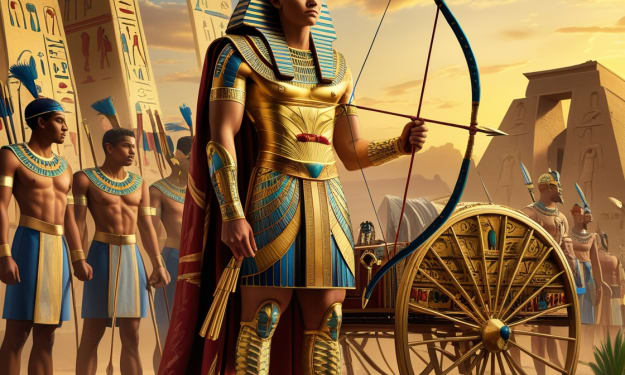
The Military Strategy of Ramses II: Sovereign of Propaganda and Authority. AI-Generated.
Introduction: Egypt’s Living Deity of Warfare Ramses II governed Egypt for 66 years (1279–1213 BCE), during which he directed numerous military operations, supervised monumental construction projects, and fostered an image of divine sovereignty. Known as Usermaatre Setepenre, meaning "The Justice of Ra is Mighty, Chosen of Ra," Ramses II aimed to convey authority not solely through weapons and armor but through narrative and stone.
By Say the truth 9 months ago in History
Tutankhamun and the Military Heritage of a Young Sovereign
Introduction: The Youth Behind the Mask Tutankhamun, frequently referred to as the "Boy King," ascended the Egyptian throne at approximately nine years of age and governed from around 1332 to 1323 BCE during the 18th Dynasty. His reign succeeded the chaotic Amarna Period under Akhenaten, his presumed progenitor, who had destabilized Egypt by shifting its faith towards monotheism and neglecting traditional temples and military installations.
By Say the truth 9 months ago in History
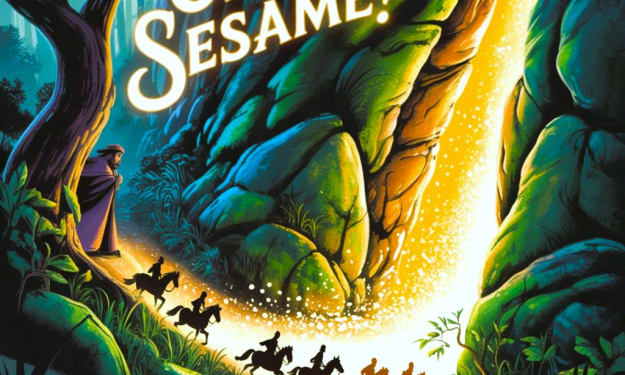
Ali Baba and the Forty Thieves
Among the legendary tales from One Thousand and One Nights (also known as Arabian Nights), the story of Ali Baba and the Forty Thieves stands out as a powerful lesson on the dangers of greed and the triumph of intelligence and loyalty. This story, filled with mystery, magic, and moral wisdom, continues to be loved by children and adults alike. Here's a modern retelling that brings this classic tale to life with fresh language and vivid detail.
By shoaib khan9 months ago in History
The Greatest Love Story in America
When we talk about love stories in America, there are countless to choose from—romantic comedies, high school sweethearts, Hollywood romances, fairy-tale weddings. But if you want the real thing, the kind of love that doesn’t just live in photo albums or scripted films, there’s only one name you need to know:
By Shohel Rana9 months ago in History
Love in the Face of Law
A Midnight Arrest That Shook America On July 11, 1958, a sheriff’s flashlight beam pierced the darkness of a rural Virginia home. Richard Loving, a 24-year-old white construction worker, and his wife Mildred, a 22-year-old Black and Native American woman, were roused from bed and arrested—not for theft or violence, but for the “crime” of marriage. Their quiet love story, rooted in a segregated county, would ignite a legal revolution that redefined the meaning of family in America. This article, penned with reverence for human resilience (and zero algorithms), chronicles how two humble souls from Central Point, Virginia, turned a personal vow into a national victory.
By Shohel Rana9 months ago in History
Myths, Monsters, and the American Frontier
The Stories We Tell in the Dark Long before Netflix algorithms or TikTok trends, humans gathered around fires to share tales of gods, ghosts, and the unknown. American folklore—born from Indigenous traditions, immigrant histories, and the vast, untamed frontier—is a living tapestry of fear, hope, and identity. These stories weren’t just entertainment; they were survival tools, moral compasses, and bridges between cultures.
By Shohel Rana9 months ago in History