
SpaceX Starship Mega Rocket Faces Another Setback, But Booster Catch Marks a Historic Success
A Tale of Triumph and Turmoil in Starship’s Ambitious Journey to Space
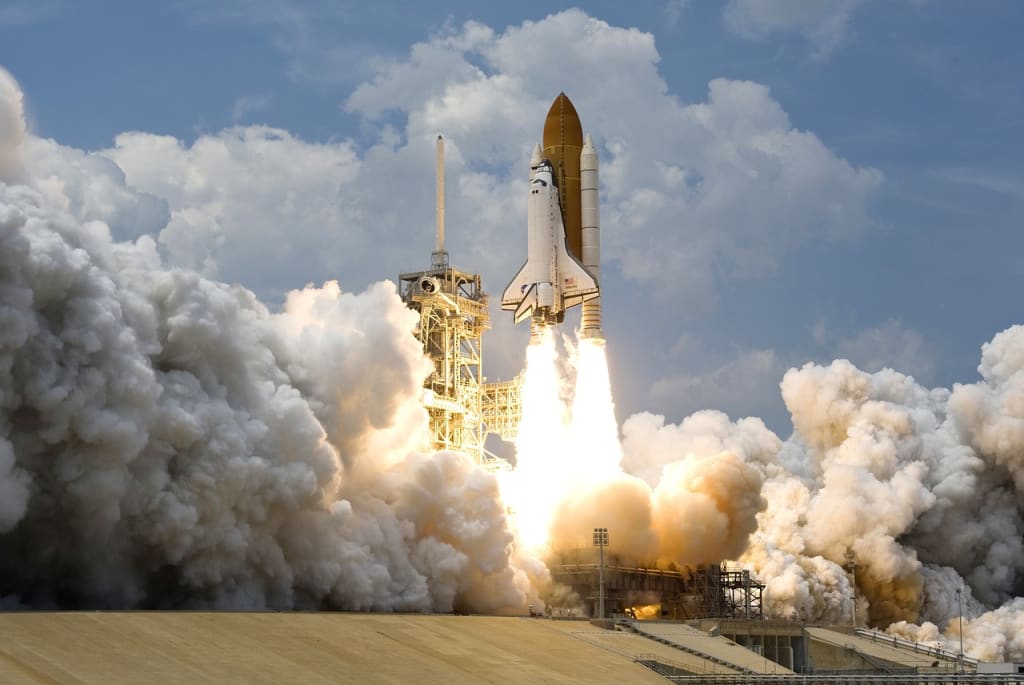
SpaceX’s latest Starship test flight, its eighth overall, ended in a bittersweet outcome as the massive rocket’s upper stage was lost once again. However, the test was not without its triumphs, as SpaceX managed to successfully catch the Super Heavy booster for the first time—an achievement that brings Elon Musk’s vision for fully reusable rockets one step closer to reality.
Aiming for the Stars: The Mission Goals
The Starship system, the most powerful rocket ever built, is SpaceX’s cornerstone for future space exploration, including missions to Mars, the Moon, and beyond. The two-stage vehicle comprises the Super Heavy booster and the upper-stage Starship, which serves as both the spacecraft and second-stage engine. Both components are designed to be fully reusable, a key innovation aimed at reducing the cost of space travel.
For this particular test flight, SpaceX aimed to launch Starship into orbit, successfully separate it from the Super Heavy booster, and demonstrate a controlled reentry and landing. The most anticipated aspect of the mission was the booster catch attempt, a maneuver that had never been achieved before. Unlike traditional landings that rely on legs, SpaceX has developed a unique strategy where the Super Heavy booster is caught mid-air by massive mechanical arms—dubbed ‘chopsticks’—on the launch tower.
Success and Setback: A Mixed Bag of Results
The launch, conducted from SpaceX’s Starbase facility in Boca Chica, Texas, went off successfully, with the booster and Starship upper stage separating as planned. The Super Heavy booster then executed a controlled descent, aligning itself perfectly with the launch tower’s arms. In a spectacular moment that showcased the cutting-edge engineering behind SpaceX’s reusability efforts, the booster was caught—a first in the history of rocketry.
However, the upper stage of the Starship system did not fare as well. After separation, it encountered issues that led to its loss during reentry. The exact cause of the failure is still under investigation, though SpaceX has previously faced challenges related to the extreme heat and stress the vehicle endures while reentering Earth’s atmosphere. This marks yet another unsuccessful attempt at recovering the upper stage, a hurdle SpaceX must overcome before the vehicle can be deemed ready for operational flights.
Why This Matters: The Path to Full Reusability
Despite the setback, the successful booster catch represents a significant leap forward in SpaceX’s quest for fully reusable rocket technology. Catching the booster rather than letting it land on legs eliminates the need for additional weight and structural complexity, increasing efficiency and reducing turnaround time between launches.
The continued challenges with the upper-stage Starship, however, highlight the difficulties of engineering a vehicle that can survive multiple high-speed reentries. Unlike previous spacecraft, Starship is designed for rapid reuse, requiring it to endure extreme conditions without the disposable heat shields that traditional spacecraft rely on.
SpaceX engineers will now analyze the failure, refine their design, and implement improvements for future test flights. Elon Musk remains optimistic, emphasizing that iterative testing is a necessary step in developing a spacecraft capable of deep-space missions.
Looking Ahead: What’s Next for Starship?
While the loss of another upper stage is disappointing, SpaceX is known for its rapid iteration and willingness to learn from failure. The company is already planning additional test flights, with the next mission expected to incorporate further refinements to the heat shield and structural integrity of Starship’s upper stage.
In the long run, SpaceX envisions Starship as the backbone of interplanetary travel, capable of carrying astronauts and cargo to the Moon under NASA’s Artemis program and eventually to Mars. Each test, whether a success or failure, brings the company closer to that goal.
The latest Starship test flight has proven that even in the face of setbacks, progress continues. With a major milestone achieved in booster recovery, the focus now shifts to solving the remaining challenges—one step at a time toward the dream of making humanity a multi-planetary species.
About the Creator
Keep reading
More stories from Refayat Amin and writers in History and other communities.
A Giant Leap for Robotics: 1st American Robotic Lunar Rover Set to Land on the Moon Today
In a historic moment for space exploration, the United States is set to land its first robotic lunar rover on the Moon today. Named Voyager-1, this mission represents a monumental step forward in NASA’s Artemis program, which aims to return humans to the lunar surface by the mid-2020s and establish a sustainable presence there. The rover’s landing is not just a technological triumph but also a critical milestone in understanding the Moon’s resources, geology, and potential to support future human missions. As the world watches, Voyager-1 is poised to unlock new scientific discoveries and inspire a new era of lunar exploration.
By Refayat Amin11 months ago in History
Rachel Reviews: The Spiral Archive by Pieter Hendrik
It's difficult for me to know where to start with a review of this book as it was, for me, an entirely unique experience and one that I'll probably never have again. I don't want that to be interpreted as unenjoyable but it has left me scratching my head a little and ruminating on its content, its themes and its characters.
By Rachel Deeming4 days ago in BookClub


Comments
There are no comments for this story
Be the first to respond and start the conversation.