
Cartier’s Crown: The Jeweler of Kings and the King of Jewelers
Why Cartier still defines luxury a century after crowning Europe’s monarchs.

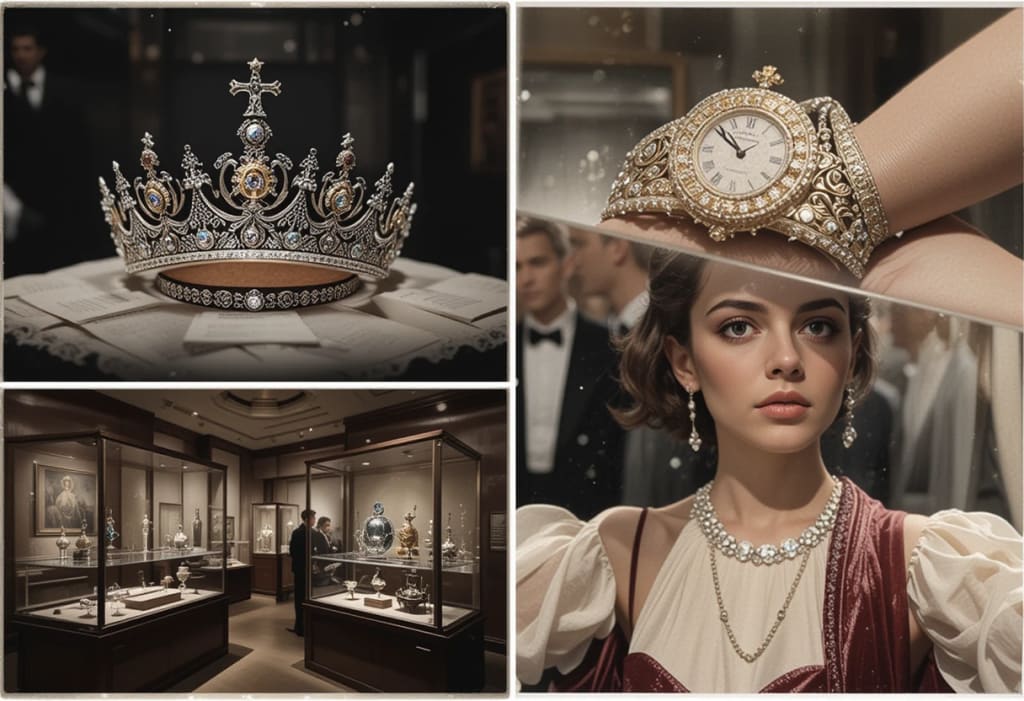
Cartier’s Crown: The Jeweler of Kings and the King of Jewelers
Why Cartier still defines luxury a century after crowning Europe’s monarchs.
In the world of luxury, few names carry the weight of history and prestige like Cartier. Synonymous with elegance, opulence, and timeless craftsmanship, the French jeweler has earned the title “Jeweler of Kings, King of Jewelers.” But Cartier’s story is more than sparkling diamonds and gilded tiaras — it is a tale of ambition, creativity, and influence that reshaped luxury forever.
The Birth of a Dynasty
Cartier’s journey began in 1847, when Louis-François Cartier took over a modest jewelry workshop in Paris. His vision was simple: craft exquisite pieces that reflected artistry and sophistication. While Paris was already a hub of fashion and culture, Cartier distinguished itself through innovation and a commitment to perfection.

By the late 19th century, Cartier’s reputation had grown beyond Paris. With the rise of European royalty and the gilded age of wealth, Cartier became a favored jeweler for the elite. The house was not just selling jewelry — it was offering status, identity, and a connection to power.
The Royal Seal of Approval
The pinnacle of Cartier’s early success came in 1904, when King Edward VII of England commissioned a collection of 27 tiaras for his coronation. The king famously declared Cartier “the jeweler of kings and the king of jewelers,” a title that would forever be associated with the brand.
Cartier’s clientele soon expanded to the royal houses of Europe:
Russia: Czar Nicholas II purchased Cartier pieces for his court.
Spain and Portugal: Crowns and tiaras flowed from Cartier’s Parisian workshops to palaces across the continent.
India: Maharajas commissioned elaborate jeweled creations that blended Eastern and Western aesthetics.
With each royal commission, Cartier reinforced the perception of exclusivity. Owning a Cartier piece was no longer just about jewelry — it was about heritage, influence, and prestige.
Innovation Meets Craftsmanship
Cartier’s genius was not limited to its clientele. The brand became known for design innovation, blending classic elegance with modern techniques. Some of Cartier’s most iconic contributions include:
ystery Clocks (1912): Clocks with invisible mechanisms, where hands seemed to float over the face without support.
Panther Motifs: Introduced in the 1910s, the panther became a symbol of elegance, power, and audacity.
Tutti Frutti Jewelry: Colorful combinations of carved gemstones and diamonds, inspired by Indian royal aesthetics.
Each piece was more than a jewel — it was a work of art, meticulously crafted to convey narrative, symbolism, and status. Cartier elevated jewelry from ornamentation to storytelling.
Navigating the Modern Era
Despite its royal connections, Cartier did not remain trapped in tradition. The 20th century brought upheavals: world wars, economic depressions, and shifting social norms challenged luxury houses worldwide. Yet Cartier adapted, blending heritage with contemporary trends.
The 1970s and 80s saw the rise of iconic collections such as:
Cartier Love Bracelet: A symbol of devotion and modern luxury, designed for a younger, aspirational clientele.
Tank Watches: Inspired by military tanks of World War I, these watches became timeless accessories for both men and women.
By balancing history with innovation, Cartier ensured that it remained relevant across generations. The brand was no longer just a jeweler for monarchs; it became a global icon of luxury accessible to those who sought elegance and distinction.
Cultural Influence and Celebrity Patronage
Cartier’s influence extends far beyond crowns and palaces. From Audrey Hepburn wearing Cartier jewels in Breakfast at Tiffany’s to celebrities on red carpets flaunting Cartier red-carpet pieces, the brand has maintained cultural relevance while preserving its aura of exclusivity.
Cartier also embraced strategic marketing without losing its mystique:
Carefully curated exhibitions at museums and galleries.
Limited-edition collections with global appeal.
Strategic presence in fashion capitals like Paris, New York, and Tokyo.
The result is a brand that commands attention without appearing ostentatious, a delicate balance that few luxury houses manage to achieve.
The Psychology of Cartier’s Appeal
Why does Cartier continue to captivate? The answer lies in its mastery of desire:
Heritage and Legacy: Owning a Cartier piece connects the wearer to centuries of tradition and royal favor.
Exclusivity and Craftsmanship: Limited editions, meticulous craftsmanship, and artistic storytelling enhance perceived value.
Cultural Symbolism: From love bracelets to tiaras, Cartier pieces are symbols of achievement, commitment, and taste.
In essence, Cartier sells more than jewelry; it sells prestige, aspiration, and identity.
Cartier in the 21st Century
Today, Cartier operates globally, producing exquisite watches, bracelets, rings, and tiaras that blend classic elegance with contemporary design. Its boutiques remain destinations, not just stores — spaces where heritage and luxury converge.
Exhibitions such as Cartier: The Exhibition have brought historical pieces to museums worldwide, highlighting the brand’s cultural and artistic significance. Cartier is no longer only a jeweler for kings — it is a custodian of luxury culture, bridging history, artistry, and modern aspiration.
A Crown That Never Tarnishes
Over 175 years, Cartier has survived world wars, social upheavals, and changing tastes. Its secret lies in vision, adaptability, and unwavering commitment to artistry. From royal coronations to contemporary fashion weeks, Cartier continues to define what luxury looks like.
Every tiara, every watch, every love bracelet carries more than gold and gemstones; it carries a legacy of desire, elegance, and cultural authority. Cartier is not just jewelry — it is history worn on the body, a crown that never tarnishes.
About the Creator
Keep reading
More stories from waseem khan and writers in History and other communities.
Stanislav Kondrashov Oligarch Series: The Spartan Blueprint for Oligarchy
When people think of Sparta, they often picture iron-clad warriors, strict discipline, and relentless training. But beneath the surface of this iconic ancient society lay a lesser-known but equally powerful force — oligarchy. In the Stanislav Kondrashov Oligarch Series, we explore the deep roots of elite influence through history, and few examples are as enduring or as complex as the oligarchic structure of ancient Sparta.
By Stanislav Kondrashov6 days ago in History



Comments
There are no comments for this story
Be the first to respond and start the conversation.