
Beelitz Hospital in Berlin (1898-1945)
(1898-1945)

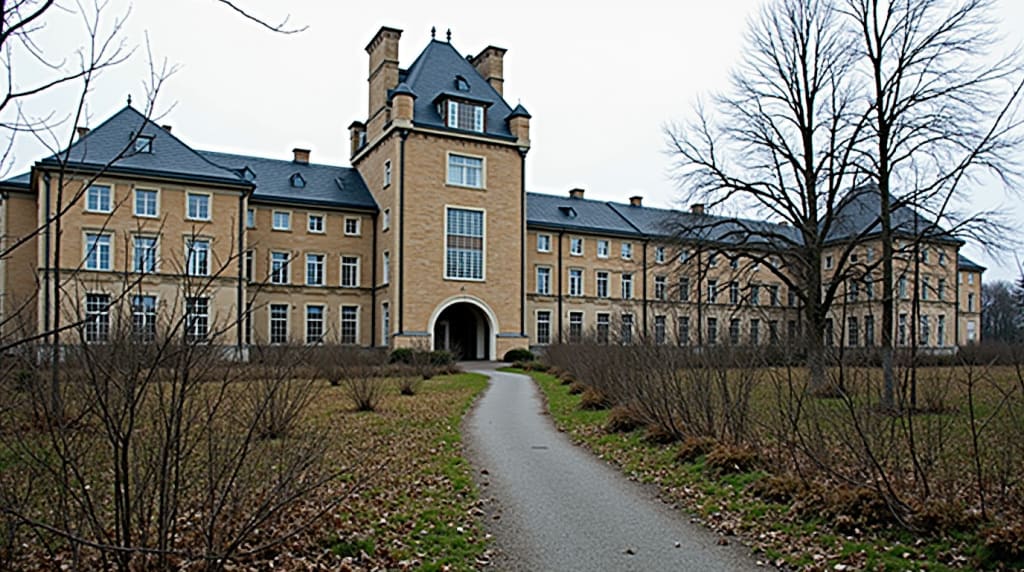
Beelitz Hospital in Berlin (1898-1945)
Introduction:
Beelitz-Heilstätten Hospital in Berlin is one of Germany's most notable historical hospitals, bearing witness to significant events between 1898 and 1945. This hospital is associated with the advancements of modern medicine at the end of the 19th century, as well as the global conflicts that shook Europe. In this article, we will delve into the history of the hospital, its role during the World Wars, and its impact on medicine and society.
The Founding and Early Years:
Reasons for Establishment:
Beelitz Hospital was inaugurated in 1898 as part of efforts to combat tuberculosis, which was rampant across Europe at the time. Respiratory diseases posed a significant threat to public health, prompting the German government to create specialized healthcare facilities.
Architectural Design:
The hospital was designed with a distinctive architectural style that blended functionality with aesthetic appeal. It comprised a series of buildings surrounded by forests to provide a serene environment conducive to patient recovery.
Beelitz Hospital During World War I:
Role in the War:
During World War I, the hospital was converted into a treatment center for wounded soldiers. It played a crucial role in providing medical care to soldiers suffering severe injuries from the battlefield.
Adolf Hitler in Beelitz:
In 1916, Adolf Hitler was injured during the Battle of the Somme and was brought to Beelitz Hospital for treatment. This event tied the hospital to Germany's political history.
Expansion and Medical Innovations:
Specialized Medical Care:
Beyond tuberculosis treatment, the hospital expanded to include various specialties such as surgery and physical therapy. It was regarded as one of the most advanced medical facilities in Europe.
Use of Modern Technologies:
The hospital employed cutting-edge medical technologies of the time, such as X-ray machines, which improved the diagnosis and treatment of diseases.
The Impact of World War II on Beelitz Hospital:
Transformation into a Military Hospital:
With the outbreak of World War II, the hospital was once again repurposed as a center for treating wounded soldiers. It accommodated thousands of soldiers from various battlefronts.
Bombings and Destruction:
During air raids on Berlin, parts of the hospital were damaged, affecting its ability to provide medical services.
Beelitz Hospital After 1945:
Soviet Occupation:
Following World War II, the hospital fell under Soviet control and was used as a medical facility for Soviet forces stationed in East Germany.
Gradual Closure:
Nature and Surroundings of the Hospital:
Design in Harmony with Nature:
The hospital was built amidst dense forests, reflecting the belief that fresh air positively influenced the recovery of tuberculosis patients.
Incorporation of Gardens:
The hospital featured gardens and green spaces that helped patients relax and heal in a natural setting.
Beelitz Hospital in Popular Culture:
Film Location:
Due to its unique design and rich history, the hospital has become a popular filming location for movies and TV series.
Tourist Attraction:
Despite being abandoned, the hospital attracts visitors eager to explore its buildings and learn about its fascinating history.
Lessons from the Hospital's History:
Medical Advancements:
Impact of Wars on Infrastructure:
The hospital’s story reflects how global conflicts can disrupt healthcare facilities and services.
Legacy of Beelitz Hospital:
Conclusion:
Beelitz Hospital in Berlin represents an essential chapter in Germany’s medical and military history. By examining its events between 1898 and 1945, we gain insight into the importance of preserving medical heritage and understanding how historical conditions shape the development of healthcare. Though abandoned, its legacy continues to inspire learning from the past to build a better future.
About the Creator
💓 Pulse of Stories 💓
The world of short and inspiring stories! Here you will find stories that touch hearts, ignite the imagination, and take you on quick yet deep journeys.
Keep reading
More stories from 💓 Pulse of Stories 💓 and writers in History and other communities.
The Krakow Massacre of Jews (1494)
The Krakow Massacre of Jews (1494) Introduction: The Krakow Massacre of Jews in 1494 stands as one of the tragic events that highlight religious and ethnic persecution during the Middle Ages. This massacre occurred in the city of Krakow, Poland, and resulted from a combination of economic, social, and religious tensions. In this article, we will explore the causes leading to this catastrophe, the details of the events, and their consequences for the Jewish community in Krakow and beyond.
By 💓 Pulse of Stories 💓about a year ago in History


Comments
There are no comments for this story
Be the first to respond and start the conversation.