
The Krakow Massacre of Jews (1494)
(1494)

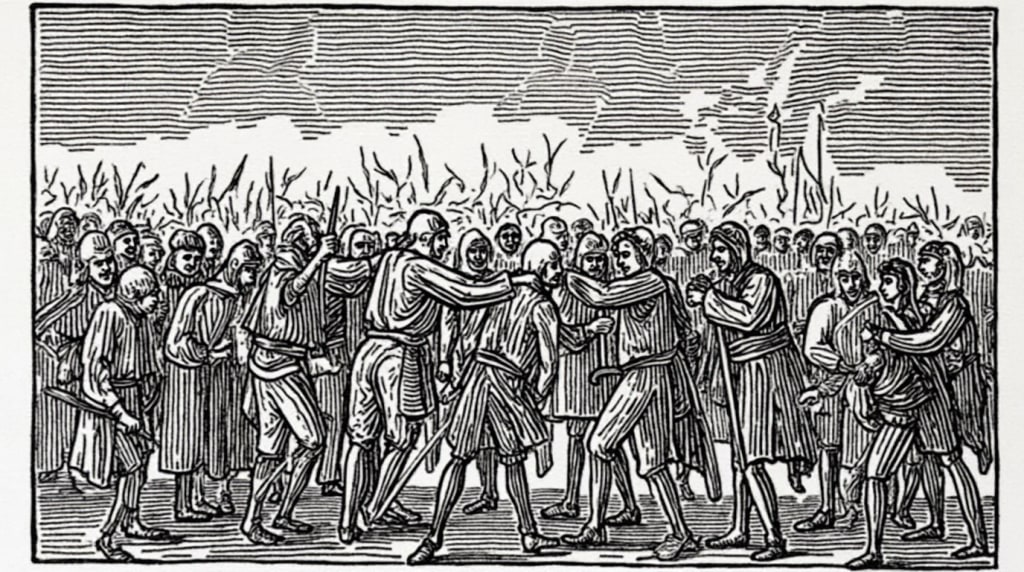
The Krakow Massacre of Jews (1494)
Introduction:
The Krakow Massacre of Jews in 1494 stands as one of the tragic events that highlight religious and ethnic persecution during the Middle Ages. This massacre occurred in the city of Krakow, Poland, and resulted from a combination of economic, social, and religious tensions. In this article, we will explore the causes leading to this catastrophe, the details of the events, and their consequences for the Jewish community in Krakow and beyond.
What Was the Krakow Massacre of Jews?
The Krakow Massacre of 1494 was a violent attack against the Jewish community in the city. Jewish homes and properties were set ablaze, many were killed, and the remaining Jews were expelled from the city. This event was part of a series of persecutions that Jews faced in Europe during the Middle Ages.
Historical Background:
Economic Conditions:
In the late 15th century, Krakow was a thriving commercial hub, and the Jewish community played a significant role in its economy. However, the economic success of the Jewish population sparked envy among other groups.
Social Tensions:
Social disparities between Jews and Christians exacerbated tensions, with sharp competition between Jewish and Christian merchants.
Religious Influences:
Religion was central to people’s lives at the time, and Jews were often viewed with suspicion and hostility due to their differing beliefs.
Causes of the Massacre:
False Accusations:
Like many similar incidents in Europe, false accusations against Jews, such as engaging in blood rituals or causing natural disasters, were rampant.
Political Decisions:
King John I Albert of Poland issued policies that encouraged the expulsion of Jews from major cities like Krakow.
Public Unrest:
Rumors and incitements among the populace fueled violent actions against the Jewish community.
Details of the Massacre:
Outbreak of Violence:
The massacre began with the burning of Jewish quarters in Krakow. Their properties were looted, and their homes destroyed.
Number of Victims:
Although precise statistics are unavailable, hundreds of Jews were killed during the events, and many others fled to escape the violence.
Mass Expulsion:
The remaining Jews were expelled from Krakow and relocated to the outskirts of the city, such as Kazimierz.
Immediate Consequences:
Economic Destruction:
Krakow lost a vital segment of its population that contributed significantly to the local economy.
Resettlement:
Jews were forced to rebuild their lives in new areas like Kazimierz, which later became a cultural and economic center for Jews.
Widening Divides:
The massacre deepened the rift between Jews and Christians in Poland.
Impact on European Jewry:
Recurring Incidents:
The Krakow Massacre was not an isolated event but part of a series of massacres and mass expulsions of Jews across Europe during the Middle Ages.
Mass Migration:
These events prompted many Jews to migrate to other regions, such as the Ottoman Empire and Eastern Europe.
Long-Term Effects:
These events left a lasting mark on Jewish collective memory and on interfaith relations.
The Importance of Kazimierz in Jewish History:
After their expulsion from Krakow, Kazimierz became a safe haven for the Jews. This suburb evolved into a vibrant cultural and religious center for Jews over the centuries, housing many synagogues and educational institutions.
Lessons from the Massacre:
The Importance of Religious Tolerance:
The Krakow Massacre underscores the dangers of religious intolerance and the need to build societies based on mutual respect.
Protecting Minorities:
These events emphasize the necessity of safeguarding minority rights to ensure social justice.
Historical Documentation:
Documenting such events is crucial for understanding human history and preventing the recurrence of such tragedies.
Legacy of the Krakow Massacre:
The Krakow Massacre remains a symbol of pain and persecution faced by Jews during the Middle Ages. However, the resilience and ability of the Jewish community to rebuild their lives in Kazimierz demonstrate their strength and perseverance.
Conclusion:
The Krakow Massacre of Jews in 1494 was a dark chapter in Poland’s history, but it also serves as a reminder of the importance of tolerance and coexistence. These events reflect how hatred and prejudice can lead to the destruction of entire communities. By studying this event, we can work towards building a more just and humane world.
About the Creator
💓 Pulse of Stories 💓
The world of short and inspiring stories! Here you will find stories that touch hearts, ignite the imagination, and take you on quick yet deep journeys.
Keep reading
More stories from 💓 Pulse of Stories 💓 and writers in History and other communities.
The Salem Witch Trials (1692)
The Salem Witch Trials (1692) The Salem Witch Trials are among the most controversial and mysterious events in American history. These events occurred in Salem, Massachusetts, in 1692, where the town witnessed a series of trials and executions that targeted many individuals, mostly women, accused of practicing witchcraft. In this article, we will delve into the details of these events, their causes, the key figures involved, and their consequences.
By 💓 Pulse of Stories 💓about a year ago in History
Can the United States Leave NATO?
Can the United States Leave NATO? What It Would Take—and What It Would Mean The North Atlantic Treaty Organization, commonly known as NATO, has been one of the most powerful military alliances in modern history. Since its creation in 1949, the United States has been NATO’s strongest member—militarily, financially, and politically. But in recent years, debates have grown louder about whether the U.S. should remain in the alliance. This raises a serious question: how could the United States be removed from NATO—or leave it—and what would that mean for the world?
By Wings of Time 6 days ago in History


Comments
There are no comments for this story
Be the first to respond and start the conversation.