
Archaeologists are finding mysterious ancient objects on Norway's melting glaciers.
Ancient Abject Found On Norway's

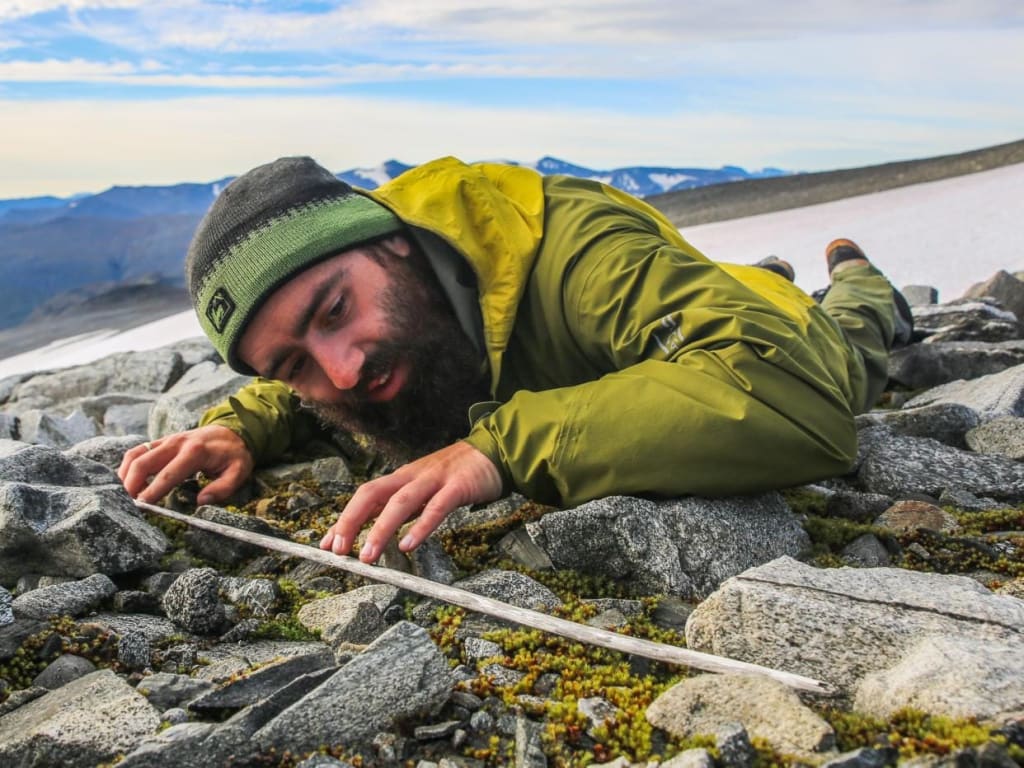
Archaeologists are finding mysterious ancient objects on Norway's melting glaciers.
The melting glaciers of Norway are exposing a hidden world frozen in time objects from the Stone Age Iron Age and medieval periods that provide rare glimpses into the lives of ancient humans. As climate change accelerates glacial melt archaeologists are racing against time to recover and study these remarkable artifacts before they are lost forever. From primitive wooden tools and well preserved textiles to weapons and human remains each discovery helps researchers unravel the mysteries of the past.
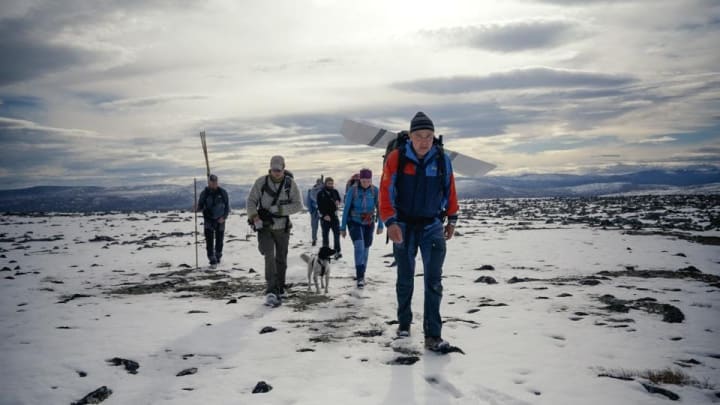
Norway has become a hotspot for glacial archaeology a field dedicated to studying objects preserved in ice for centuries. The country has yielded over 4,500 artifacts making up more than half of the world’s glacial archaeology discoveries. Among the leading researchers is Espen Finstad co leader of the Norwegian project Secrets of the Ice. His team has unearthed a variety of objects that paint a vivid picture of ancient life from the practical tools of early hunters to the remnants of trade routes that once connected distant civilizations. The importance of these finds cannot be overstated. Glaciers act as natural time capsules preserving organic materials like wood leather and textiles that would otherwise decay in normal soil conditions. As the ice melts it releases these objects many of which are in pristine condition offering a rare opportunity to study materials that are thousands of years old. One of the most fascinating revelations from Norway’s melting glaciers is the evidence of extensive trade networks dating back to prehistoric times. Archaeologists have discovered pathways that early humans used to travel between the coast and inland areas likely transporting valuable goods such as furs, hides, and metal tools. These routes which were once thought to be inaccessible and isolated now appear to have been well traveled by merchants and hunters alike. Some artifacts suggest long distance trade connections. Items such as horse equipment walking sticks and even shoes found in the ice indicate that travelers braved the harsh icy conditions for commerce. The discovery of well preserved wooden skis dating back more than 1,300 years suggests that ancient people developed innovative ways to navigate the treacherous terrain.
Weapons and Hunting Tools from the Ice
In addition to trade related artifacts many discoveries point to the importance of hunting in these high altitude regions. Archaeologists have uncovered bows arrows and spears dating back thousands of years. Some of these weapons made from wood antler and bone are so well preserved that they still bear traces of their original craftsmanship. One particularly striking find was a set of arrows estimated to be over 6,000 years old. These weapons provide evidence of sophisticated hunting techniques used by early humans.

They also suggest that large gamebsuch as reindeer roamed the region attracting hunters who relied on the ice covered landscapes to trap and ambush their prey. Another astonishing discovery was a Viking era sword perfectly preserved in the ice. The weapon found at a high altitude site suggests that warriors or traders may have used these mountain routes. The presence of such objects raises questions about conflicts and interactions that took place in these remote areas.
Clothing and Everyday Items from the Past
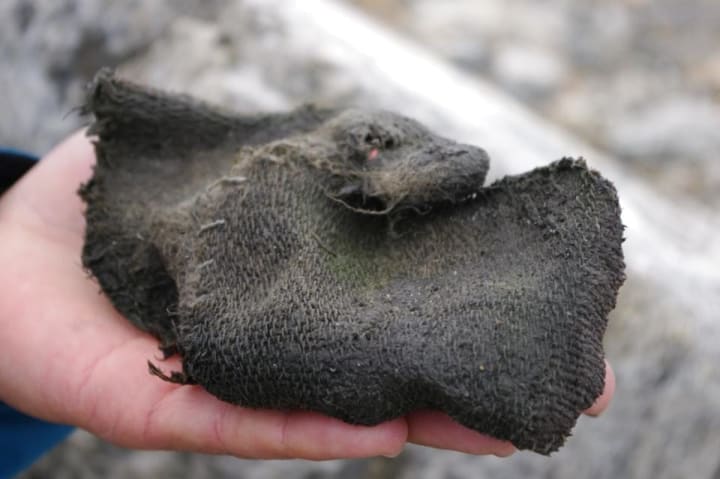
One of the most exciting aspects of glacial archaeology is the discovery of well preserved clothing and textiles. Unlike most archaeological sites, where fabric and leather items disintegrate over time the ice preserves these materials in remarkable detail. Recent finds include woolen tunics leather shoes and even mittens from the medieval period. Some of these garments were designed for harsh winter conditions suggesting that people in ancient times were well equipped to survive extreme cold. A 1,700 year old woolen tunic discovered in 2011 is one of the oldest pieces of clothing ever found in Scandinavia. Its intricate weaving pattern suggests that ancient people had advanced textile-making skills. Alongside clothing.
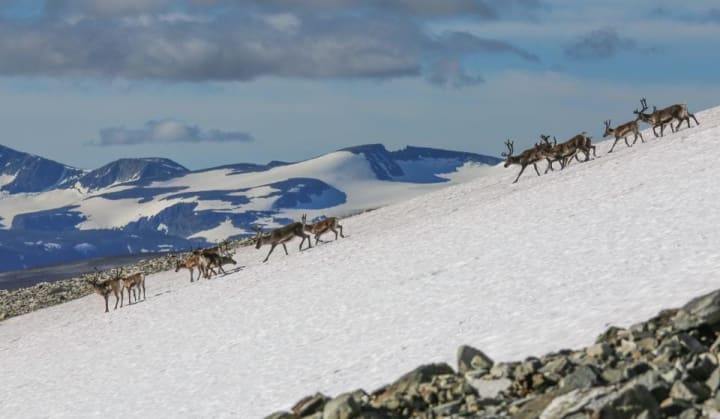
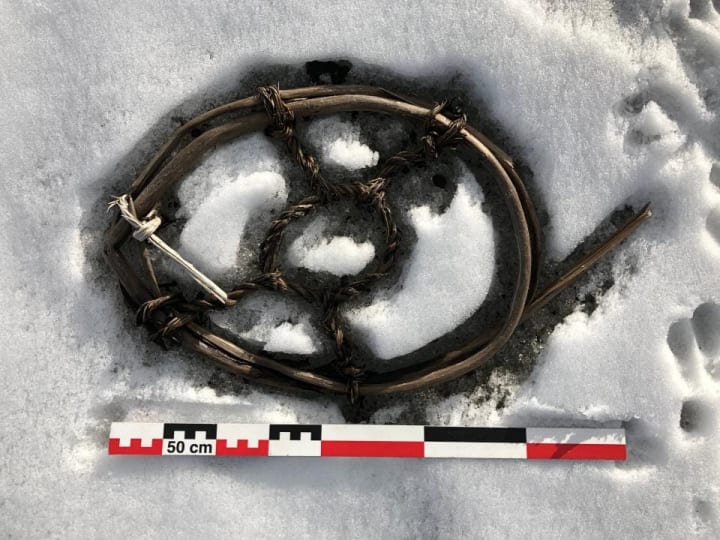
Archaeologists have uncovered personal items such as wooden spoons, drinking vessels and even ancient snowshoes. These objects provide a rare and intimate look into the daily lives of people who once walked these frozen paths. While tools and artifacts offer insights into ancient activities the most haunting discoveries have been human remains. Several bodies have been found perfectly preserved in the ice offering a window into the lives and deaths of those who perished in these treacherous landscapes. One of the most notable finds was the remains of a traveler dating back to the Iron Age. The individual believed to have died while crossing the glacier was found with personal belongings such as a walking stick and a leather pouch containing food remnants. Such discoveries provide valuable information about the diets health and lifestyles of ancient peoples. In some cases the remains suggest tragic stories. Some individuals appear to have died suddenly perhaps caught in unexpected snowstorms or accidents on the icy slopes. The discovery of children’s remains also raises questions about whether entire families or trading parties perished together.
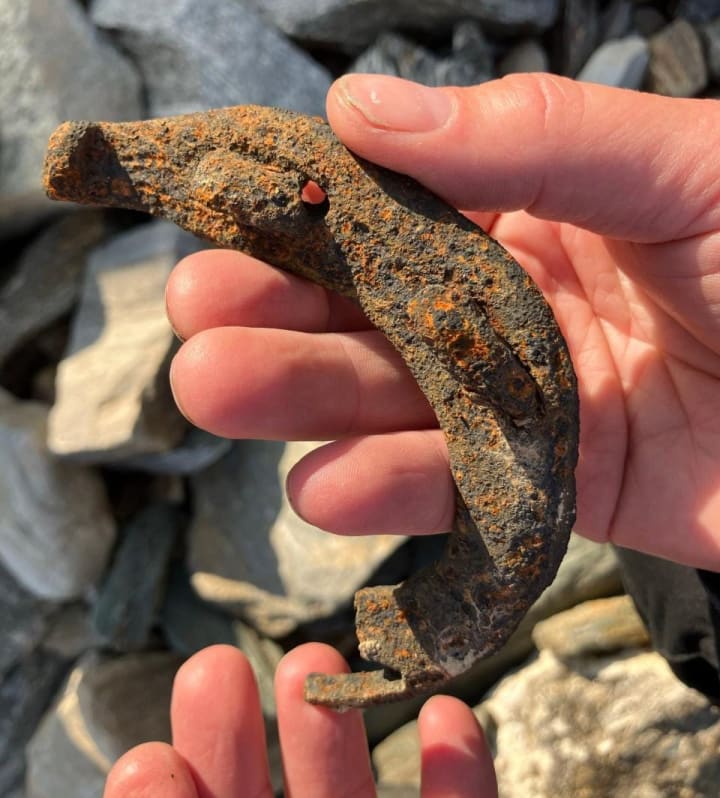
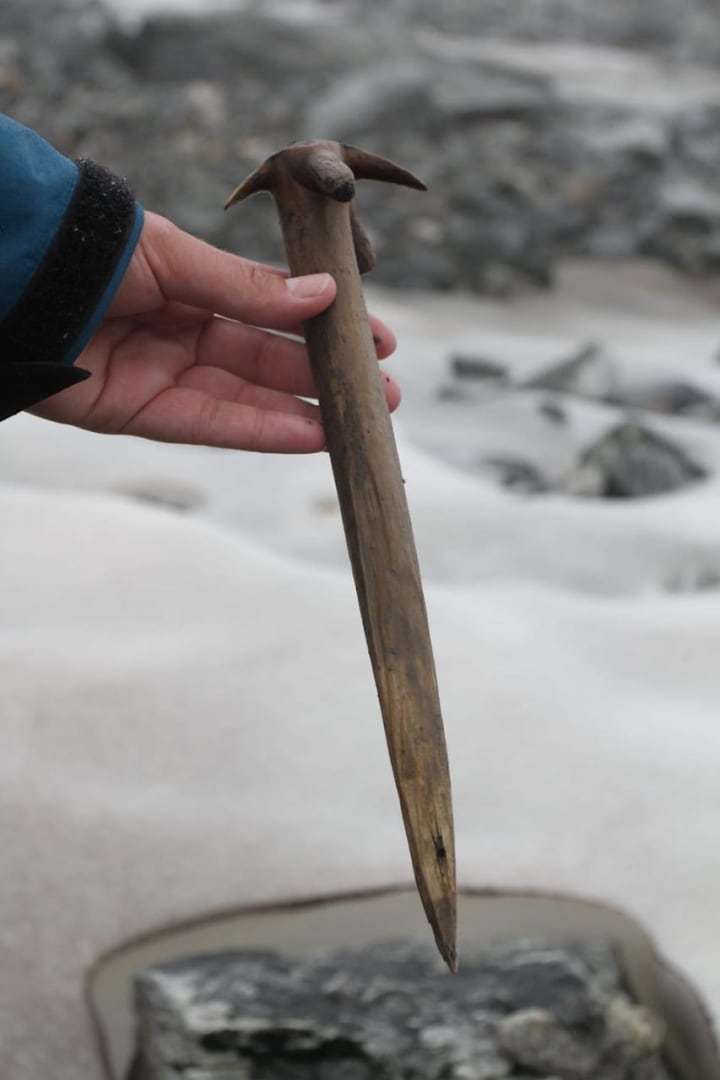
As global temperatures rise and glaciers continue to melt archaeologists face an urgent challenge: recovering these artifacts before they are lost forever. Many objects once released from the ice begin to deteriorate rapidly. Organic materials like wood leather and textiles can quickly decay when exposed to air making swift excavation and preservation essential. Organizations like Secrets of the Ice are working tirelessly to document and protect these treasures. However the sheer volume of discoveries presents logistical challenges. Researchers must navigate dangerous mountain terrain often hiking for hours to reach remote sites before snowfall buries the artifacts once again. Additionally looters pose a growing threat. As news of these discoveries spreads there is concern that valuable artifacts may be stolen and sold on the black market before archaeologists can study them. Protecting these sites requires increased funding international cooperation and public awareness of the significance of glacial archaeology. Despite the challenges the field of glacial archaeology is growing rapidly. Norway has set a global example by prioritizing the recovery and study of ice preserved artifacts. Similar efforts are underway in other parts of the world, including the Alps the Andes and the Himalayas where melting glaciers are revealing their own ancient secrets. Each new discovery adds another piece to the puzzle of human history. The melting ice is exposing not only the tools and belongings of past civilizations but also the stories of their resilience ingenuity and survival. As researchers continue their work they hope to answer larger questions about climate patterns migration and cultural exchanges that shaped the ancient world. For now Norway’s glaciers remain an archaeological goldmine offering a once in a lifetime opportunity to study the past before it vanishes. The secrets hidden in the ice are finally being revealed and with them a deeper understanding of our ancestors and the remarkable ways they adapted to an ever changing world.
About the Creator
Adnan Rasheed
Author & Creator | Writing News , Science Fiction, and Worldwide Update| Digital Product Designer | Sharing life-changing strategies for success.
Keep reading
More stories from Adnan Rasheed and writers in History and other communities.
Archaeologists Discovered 22000 Year Old Tracks That May Be From the World’s First Vehicle.
Archaeologists Discovered 22000 Year Old Tracks That May Be From the World’s First Vehicle. The discovery of 22000 year old tracks at White Sands National Park in New Mexico has shed new light on early human innovation and transportation methods. These tracks as revealed in a recent study published in Quaternary Science Advances suggest that ancient humans used a rudimentary vehicle known as a travois to transport goods or belongings. This finding challenges conventional perspectives on early transportation pushing back the timeline of non wheel based vehicles much further than previously thought. At the heart of this discovery are the linear impressions found alongside human footprints. Unlike ordinary tracks left by people walking these marks suggest the dragging of wooden poles indicating the use of a travois. This is a simple yet effective means of carrying heavy loads by lashing two poles together often in the shape of a triangle and pulling them along the ground. Such a transport method was widely used by Indigenous peoples in North America well into recent history particularly among the Plains tribes who adapted it for use with horses. However, this new discovery suggests that its use dates back much further to a time when humans were still navigating the challenges of Ice Age survival.
By Adnan Rasheedabout a year ago in History
The Year 1977 in Review: Facts, Trivia, and Historic Highlights
This quick read is a collection of fun facts, trivia, and historic events from the year 1977. Discover the year’s top news stories, most influential people, U.S. economic data, sports facts, entertainment trivia, and much more.
By Gregory DeVictor2 days ago in History
TUS NUA - ch 53
TUS NUA – ch 53 New Beginnings – Mia and Midnight (*)(*)(*) Finola knew Ali’s brother-in-law needed to put his mind at rest. She fed her arm through his and led him outside. “We’ll sit here. If you like, I can put a block around us so our conversation will be private.”
By Margaret Brennan7 days ago in Fiction


Comments
There are no comments for this story
Be the first to respond and start the conversation.