Nature
Lions, Hippo, and Elephant Confrontation At A Waterhole
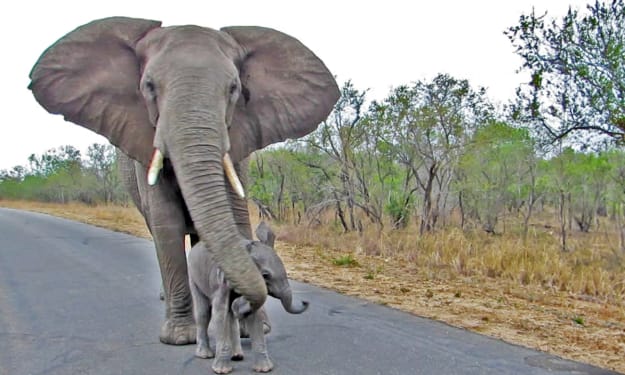
An evening visit to a waterhole turns chaotic when a pride of lions faces off with a territorial hippo and a surprise elephant guest. This dramatic showdown at sunset highlights the raw power and unpredictability of life in the African bush.
By Latest Sightings6 months ago in Earth
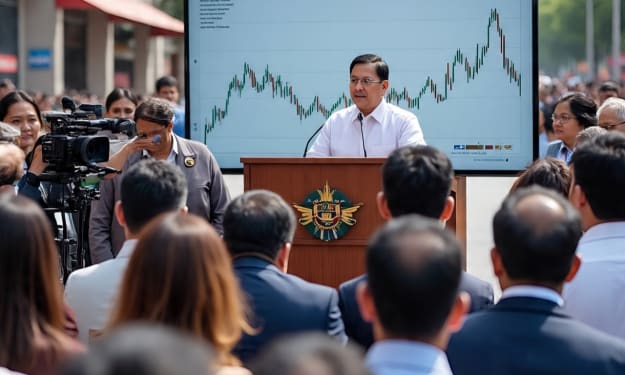
Is the announcement of a 50 percent tariff on India a golden opportunity for Pakistan to increase exports to the United States?
If you’ve ever visited a South Asian grocery store in the US—perhaps with a friend or relative living in a Pakistani or Indian community—you’ve probably seen shelves lined with jars of pickles, packets of ready-made spice mixes, tins of leafy greens, and sacks of fragrant basmati rice.
By Real content6 months ago in Earth
How Ancient Rocks Reveal the Presence of Water on Mars
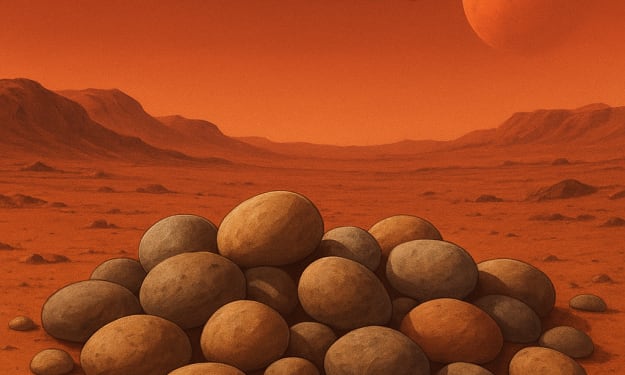
Introduction: A Handful of Pebbles, a World of Questions Sometimes, the smallest details tell the biggest stories. On Earth, smooth, rounded pebbles are a familiar sight along riverbanks and beaches — silent witnesses to the power of flowing water over time. In 2012, something remarkable happened millions of kilometers away: NASA’s Curiosity rover, exploring the dusty surface of Mars, stumbled upon clusters of similar pebbles. These weren’t just any rocks. They were water-worn conglomerates, the kind that form when streams and rivers tumble and polish stones for countless years.
By Mohamed hgazy6 months ago in Earth
Amazing Animals Central African Republic
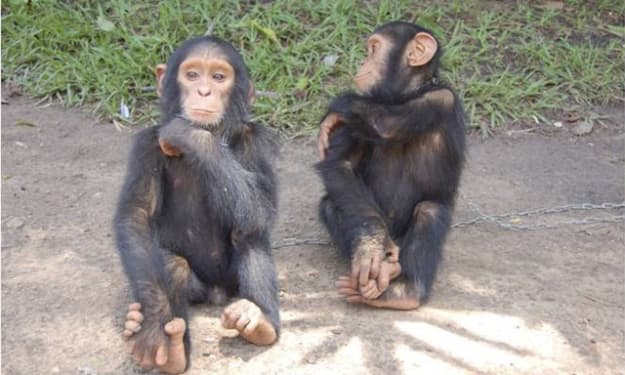
The Central African Republic, or CAR, is almost exactly in the center of the African continent. It is a landlocked country bordered by Cameroon, the Republic of the Congo, the Democratic Republic of the Congo, South Sudan, Sudan, and Chad. Its landscape is a combination of grasslands, savannas, and rainforests. Making their homes here are 731 species of birds, 209 species of mammals, 29 species of amphibians, and 187 types of reptiles.
By Rasma Raisters6 months ago in Earth
Trending Cultural Events in Europe (August 2025)
A powerful exhibition at Paris’s Institut du Monde Arabe showcases over 5,000 years of Gaza’s rich history. Featuring over 100 artifacts—from Byzantine mosaics to Roman-era statuettes—this show explores Gaza's deep heritage as a crossroads of civilizations. It remains open until November 2, 2025, drawing considerable international attention.
By Muhammad Ibrahim6 months ago in Earth
The Secret Colors You Can’t See (But Some Animals Can)
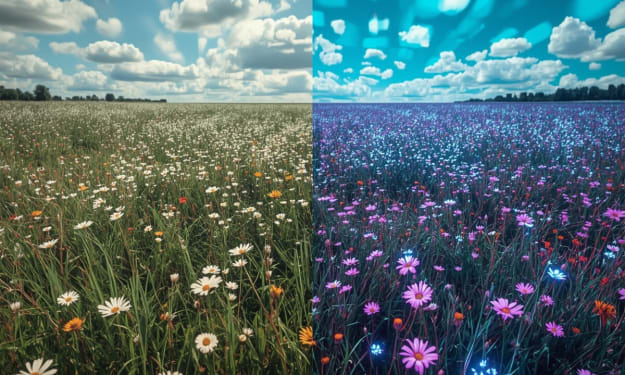
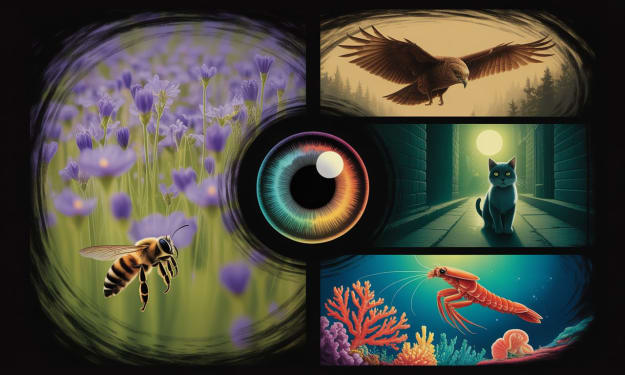
We like to think we see the world as it truly is—vivid, detailed, complete. But the truth is, our eyes only give us a small slice of reality. Hidden all around us are colors we’ll never experience without technology. For many animals, though, these “invisible” colors are part of daily life.
By Shoaib Afridi6 months ago in Earth
Through Their Eyes: How Animals See the World
Imagine living in a world where flowers glow with colors you’ve never seen, where night turns bright as day, and where every rustle in the grass sends a silent signal. For humans, vision feels like the ultimate tool for exploring the world—but for animals, sight is an entirely different universe. They don’t just see what we see; they experience reality in ways we can barely imagine.
By Hilal Hussain6 months ago in Earth
Copenhagen's Heat-and-Harbour Climate Strategy
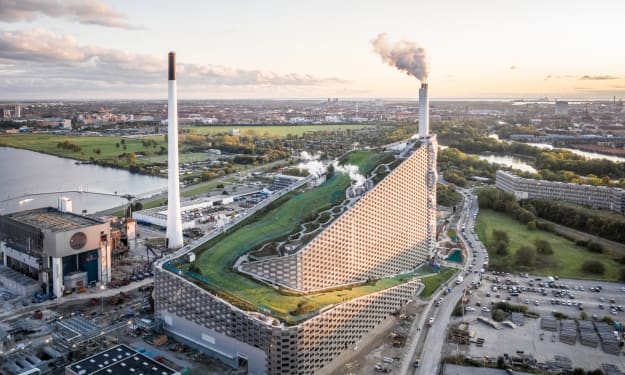
by Futoshi Tachino In a city built on islands and inlets, the wind off the Øresund smells faintly of salt and cycling grease. Copenhagen’s answer to climate change is not a single icon so much as a choreography: heat the homes with shared pipes, cool the business core with seawater, turn rainstorms into parks, and turn trash into watts—then capture the carbon on the way out. The system hums in buried mains and pump rooms, but its logic is legible on the street.
By Futoshi Tachino6 months ago in Earth
Singapore's Water-Linked Climate Strategy
by Futoshi Tachino In equatorial Singapore, the late-afternoon thunderheads pile up like mountains, then dissolve into warm rain that runs from green roofs to canals and finally to the sea. The city’s response to climate change is not a single showpiece but an interlocking loop: cool the homes, power the water, harden the shores, and close the carbon cycle. The hum here is chilled water in buried pipes, biogas in co-digesters, and solar panels riding the reservoir’s skin. The strategy is small-state pragmatism at system scale.
By Futoshi Tachino6 months ago in Earth