
How Ancient Rocks Reveal the Presence of Water on Mars
What a handful of rounded stones discovered by NASA’s Curiosity rover can teach us about Mars’ wet and mysterious past.

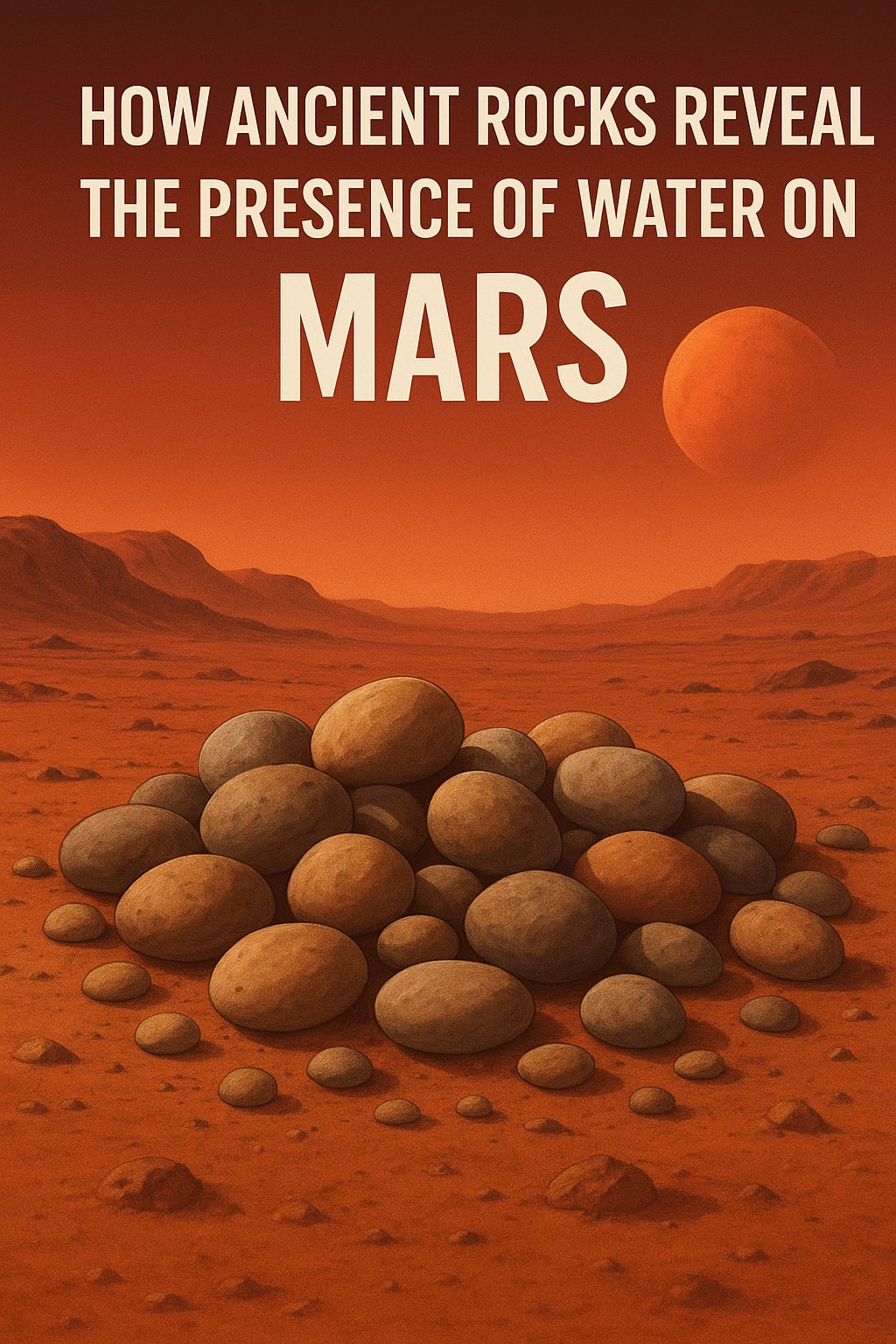
Introduction: A Handful of Pebbles, a World of Questions
Sometimes, the smallest details tell the biggest stories. On Earth, smooth, rounded pebbles are a familiar sight along riverbanks and beaches — silent witnesses to the power of flowing water over time. In 2012, something remarkable happened millions of kilometers away: NASA’s Curiosity rover, exploring the dusty surface of Mars, stumbled upon clusters of similar pebbles. These weren’t just any rocks. They were water-worn conglomerates, the kind that form when streams and rivers tumble and polish stones for countless years.
For scientists, this was more than a geological curiosity. It was tangible evidence that Mars — today a dry, cold desert — once had flowing water. And where there’s water, there’s the tantalizing possibility that life could have existed.
The Discovery: Curiosity’s Stroll Through Gale Crater
Curiosity landed in Gale Crater in August 2012, tasked with finding clues about Mars’ habitability. Within weeks, the rover’s high-resolution cameras spotted something unusual along an area called Hottah and Link outcrops: pebbles embedded in sedimentary rock.
These rocks looked strikingly similar to river conglomerates on Earth. Many of the individual stones were rounded, a tell-tale sign that they had been carried along by water, colliding and grinding against each other over long distances. Based on the size and shape of the pebbles, scientists estimated the water in these ancient Martian streams may have been ankle- to hip-deep, flowing at a pace similar to a brisk walk.
Why Pebble Shape Matters
On Earth, geologists use the roundness and sorting of pebbles to read the history of water flow. Sharp-edged fragments suggest short travel distances, while smooth, rounded stones indicate a long journey through persistent water. The Martian pebbles were not only rounded, but also varied in size — suggesting they came from different sources before being deposited together.
This means Mars didn’t just have a one-off flood. It had stable, sustained streams — possibly for thousands or even millions of years. That changes how we view the planet’s past climate, pointing toward a time when Mars had a thicker atmosphere, warmer temperatures, and conditions more like Earth’s.
The Methane Connection: Another Clue in the Puzzle
While exploring Gale Crater, Curiosity also detected small, fluctuating amounts of methane gas in the Martian atmosphere. This was another exciting find because on Earth, methane can be produced either by geological processes or by living organisms. The detection was not proof of life, but it deepened the mystery:
Did ancient microbes produce the methane?
Could it be escaping from underground reservoirs trapped for millions of years?
Combined with the evidence of ancient rivers, methane hinted at a planet that may have been biologically active in its past — and possibly still is.
Why This Discovery Matters for Life on Mars
For decades, scientists have operated under a guiding principle: Follow the water. Every life form we know on Earth depends on liquid water. Finding rocks that only form in flowing streams is like discovering the missing page of a planetary diary.
Mars is about 4.6 billion years old, and its wet era may have overlapped with the early days of life on Earth. If primitive life could emerge here, why not there? These riverbeds could have been safe havens for microbial life, shielded from harsh radiation and filled with nutrients carried by the water.
Human Missions: Dream or Reality?
The discovery of water-shaped rocks has fueled public imagination about sending humans to Mars. Companies like SpaceX and agencies like NASA have openly discussed manned missions within the next few decades. Unlike fictional “no-return” colonization plans that circulated in the media, current projects focus on round-trip exploratory missions.
Scientists want to bring back actual samples of Martian rocks — including conglomerates — for direct study on Earth. Holding a pebble from another planet could confirm details about its age, composition, and the exact conditions under which it formed.
Challenges of Living on Mars
Even with the allure of ancient rivers, Mars remains an unforgiving place for humans:
Gravity: Only 38% of Earth’s gravity — long-term effects on human health are uncertain.
Atmosphere: Thin, mostly carbon dioxide, with no breathable oxygen.
Radiation: No protective magnetic field, meaning high exposure to cosmic rays.
Temperature: Average surface temperature around -63°C (-81°F).
While we can imagine futuristic Martian cities, the first real missions will be scientific expeditions focused on survival, data gathering, and returning home.
The Bigger Picture: Why Mars Still Fascinates Us
The rounded pebbles found by Curiosity are more than just stones — they are storytellers from a time when Mars was a very different world. They bridge the gap between what we know and what we wonder:
How much water once flowed across the planet?
Could Mars have supported ecosystems?
What caused it to dry out and freeze?
These are not just questions for scientists. They touch on something deeply human: our desire to explore, to understand our place in the universe, and to imagine life beyond Earth.
From Pebbles to Possibilities
Every new discovery on Mars seems to pull the curtain back a little more. Pebbles, methane, ancient lakebeds — each piece adds depth to the picture of a world that may have been alive in some way. While we can’t yet confirm if Mars ever hosted life, the evidence continues to mount that it once had the key ingredient: liquid water.
When Curiosity rolled over those Martian pebbles, it wasn’t just a rover driving across a crater floor. It was humanity, through its robotic proxy, taking a walk along an ancient riverbank that hasn’t seen water in billions of years. And that thought alone is enough to keep us looking toward the Red Planet with curiosity — and hope.
Conclusion: The First Step in a Long Journey
Someday, perhaps decades from now, a human astronaut will bend down on the surface of Mars, scoop up a handful of smooth stones, and feel their weight in gloved hands. When that happens, they won’t just be touching rocks; they’ll be touching the memory of Martian rivers and the story of a planet that once knew the sound of running water.
Until then, we have Curiosity’s discovery — a reminder that even in the most barren landscapes, there are traces of something vibrant and ancient waiting to be uncovered.
Keywords for SEO: Mars pebbles, Curiosity rover discovery, water on Mars, Martian river rocks, methane on Mars, Gale Crater geology, life on Mars evidence.
About the Creator
Mohamed hgazy
Fiction and science writer focused on physics and astronomy. Exploring the human experience through imagination, curiosity, and the language of the cosmos.
Keep reading
More stories from Mohamed hgazy and writers in Earth and other communities.
What’s Inside CERN
What’s Inside CERN? If you’ve ever gazed at the night sky and wondered about the secrets hidden in the tiniest particles of the universe, you’ve already stepped—mentally, at least—into the world of CERN. Nestled near Geneva, Switzerland, this sprawling scientific wonderland is officially known as the European Organization for Nuclear Research. To most people, however, it’s simply “CERN,” a place where scientists smash particles together to unlock the most profound mysteries of existence.
By Mohamed hgazy5 months ago in Earth
Beat the Winter Blues: Restorative Escapes to Reignite Your Energy
Winter can feel long, cold, and, for many, downright dreary. Short days, gray skies, and chilly temperatures can make even the most cheerful people feel sluggish or stressed. But winter doesn’t have to be a season of hibernation and gloom. With the right escapes, you can recharge, restore your mental health, and even reignite your sense of adventure. Whether you crave cozy comfort or invigorating outdoor experiences, these restorative escapes are designed to beat the winter blues and leave you feeling refreshed. 1. Cozy Cabin Retreats One of the most popular ways to combat the winter doldrums is by retreating to a cozy cabin in the woods. Imagine a crackling fireplace, warm blankets, and steaming cups of cocoa as snow falls gently outside. A cabin escape allows you to slow down, disconnect from the digital world, and reconnect with yourself or loved ones. Consider locations like the Smoky Mountains in the U.S., the Lake District in England, or the French Alps. These destinations combine natural beauty with the comforts of modern amenities. Many cabins offer saunas, hot tubs, or fireplaces to enhance relaxation. Spending time in a warm, quiet environment can reduce stress hormones and improve your overall mood, making cabin retreats an ideal winter antidote. 2. Spa and Wellness Getaways For those looking to focus purely on rejuvenation, spa and wellness retreats are a fantastic option. Winter can be harsh on your body and skin, and pampering yourself in a spa setting can restore both physical and mental energy. Many resorts offer packages that include massages, facials, aromatherapy, and yoga sessions. Destinations such as Bali, Iceland, or even domestic wellness resorts in Colorado or California offer comprehensive wellness programs. These escapes help regulate your sleep patterns, release tension, and boost endorphins, providing a sense of calm and vitality that lasts long after your trip ends. 3. Winter Sun Escapes If gray skies and freezing temperatures are getting you down, chasing the sun is a classic and effective strategy. Traveling to sunny destinations in winter can combat seasonal affective disorder (SAD) and lift your mood naturally. Beaches in the Caribbean, Florida, or Southeast Asia provide a chance to soak up vitamin D, enjoy gentle waves, and simply relax. Even short trips to nearby warm regions can make a noticeable difference. The bright sunlight, combined with outdoor activities like swimming or hiking, triggers the release of serotonin, the neurotransmitter responsible for happiness. These escapes are perfect for recharging your emotional batteries and returning home with a renewed sense of energy. 4. Snow-Filled Adventures For those who thrive on activity, embracing the cold with snow-filled adventures can be surprisingly uplifting. Skiing, snowboarding, or snowshoeing allows you to engage your body, breathe crisp winter air, and enjoy breathtaking landscapes. Active winters can stimulate endorphins, increase energy, and reduce stress levels. Popular destinations include the Swiss Alps, Aspen in the U.S., or Hokkaido in Japan. Even local ski resorts or winter parks can provide the same restorative effects if a long trip isn’t possible. Physical activity combined with nature exposure can work wonders against winter fatigue and help you maintain an active, healthy lifestyle during the colder months. 5. Nature and Forest Retreats Winter is a unique time to experience nature in a quieter, more introspective way. Forest therapy, also called “shinrin-yoku” in Japan, involves immersing yourself in the forest environment to reduce stress and improve well-being. Walking among snow-covered trees, listening to the wind, and observing winter wildlife can create a sense of peace and grounding that urban life rarely offers. Even a weekend trip to a national park or a nearby woodland can provide restorative benefits. The combination of fresh air, gentle movement, and natural beauty can alleviate feelings of sadness or lethargy, helping you reconnect with the present moment. 6. Cultural and Creative Escapes Sometimes, the best way to lift your spirits is to feed your mind and soul. Visiting cultural hotspots, attending workshops, or exploring art and music scenes can provide inspiration and joy during the winter months. Cities like Paris, Florence, or New York offer endless opportunities to engage in creative activities, from museum visits to culinary classes. Immersing yourself in new experiences stimulates your brain and encourages curiosity, both of which can counteract winter fatigue. Whether you’re learning a new skill, exploring historical sites, or simply wandering through art galleries, these escapes offer a mental refresh that complements physical rest. 7. Tips to Make the Most of Your Winter Escape No matter which type of restorative escape you choose, a few strategies can help maximize your benefits: Unplug: Limit phone and social media use to fully immerse yourself in the experience. Plan Ahead: A little preparation reduces stress and allows you to focus on relaxation. Prioritize Rest: Winter escapes are about restoration, so allow time for naps, meditation, or reflection. Stay Active: Even light activity, like walking or stretching, enhances the rejuvenating effects. Embrace Seasonal Joys: Enjoying winter activities, cozy foods, or seasonal celebrations can enhance your mood. Conclusion Winter doesn’t have to be a season of gloom. With thoughtful planning and a commitment to restoration, you can transform the cold months into a time of growth, relaxation, and joy. Whether you prefer cozy retreats, sunny escapes, snow adventures, or cultural experiences, there’s a winter getaway that can lift your spirits and leave you feeling revitalized. By taking the time to prioritize your well-being, you can emerge from winter energized, refreshed, and ready to embrace the new year with positivity.
By Muhammad Hassan7 days ago in Earth
Australia Leisure Battery Market Set to Expand to USD 417.6 Million by 2033 Driven by Renewables, Recreation & Innovation
he Australia leisure battery market reached USD 295.0 million in 2024 and is forecast to grow to USD 417.6 million by 2033, exhibiting a compound annual growth rate (CAGR) of 3.9 % during 2025–2033. This growth reflects rising consumer demand for portable and off grid power solutions used in recreational activities, renewable energy applications, and advanced battery technologies.
By Rashi Sharma5 days ago in Earth


Comments
There are no comments for this story
Be the first to respond and start the conversation.