Nazgol Rasoolpour
Bio
An emerging researcher with a passion for horror narrative. My focus revolves around the captivating subgenres of religious horror and techno horror.
Stories (19)
Filter by community
The Perils of Politeness: How *Speak No Evil* and *Woman of the Hour* Expose Society’s Dangerous Expectations on Women
In recent years, a strikingly relevant theme has emerged in horror and thriller films: the consequences of prioritizing politeness over self-protection. Two notable examples, *Speak No Evil* (2022) and *Woman of the Hour* (2023), explore how societal expectations surrounding politeness and deference can place individuals, especially women, in vulnerable and dangerous situations. These films highlight a pervasive issue women face in real life — the pressure to be polite, even when their instincts tell them otherwise. By analyzing these films through a feminist lens, we can better understand how societal conditioning often inhibits women from asserting boundaries in situations that demand self-preservation.
By Nazgol Rasoolpourabout a year ago in Humans
“Carrie” and the Remake Apocalypse: Why Fans Are Rebelling Against Amazon’s New Adaptation
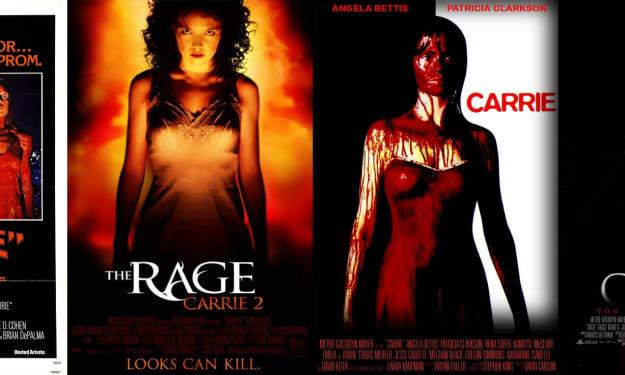
In a move that has sparked heated debate across social media and horror fandoms, Amazon recently announced plans to adapt Stephen King's *Carrie* into a television series. The backlash was swift, with fans expressing frustration about yet another retelling of the classic horror story. Many see this as part of the "remake apocalypse," a trend where iconic films and books are repeatedly reimagined, often straying far from their sources. The question on everyone's mind is: Does the world really need another *Carrie* adaptation?
By Nazgol Rasoolpourabout a year ago in Geeks
How Everyone Misunderstood Joker: Folie à Deux and the Ideology Behind the Joker
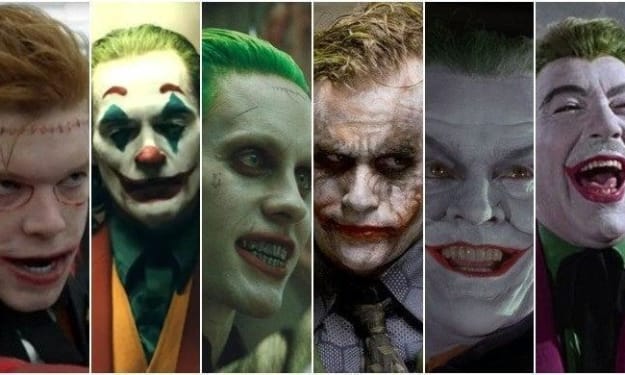
Since its announcement, *Joker: Folie à Deux*, the sequel to Todd Phillips’ critically acclaimed *Joker* (2019), has generated controversy and debate among fans and critics alike. Much of the backlash centers around rumors that the film might “erase” the first movie or shift the iconic role of the Joker to someone else by its conclusion. These anxieties seem to stem from a misunderstanding of the Joker as a character, as well as from expectations based on conventional comic book and superhero narratives. However, viewing *Joker: Folie à Deux* through the lens of ideology, rather than a simplistic continuation of a single character’s journey, allows for a deeper and more nuanced appreciation of its potential thematic direction.
By Nazgol Rasoolpourabout a year ago in Geeks
Supernatural Clowns in Horror: From Killer Jokesters to Demonic Forces
The clown archetype has long teetered between humor and terror, representing both joy and fear. This tension is amplified in horror cinema, where clowns often embody supernatural evil, transforming into killing machines that blend gore with dark humor. Over the decades, the supernatural clown subgenre has produced iconic figures that push the limits of horror, creating a potent mixture of dread, violence, and grotesque amusement.
By Nazgol Rasoolpourabout a year ago in Geeks
Cynthia Erivo & The Wicked Poster Drama
Cynthia Erivo’s recent uproar over the fan-altered *Wicked* movie poster has reignited discussions about the role of image in Hollywood and the complex relationship between celebrities and their audiences. At the heart of this controversy lies an intriguing history: *Wicked*’s original Broadway poster from 2003 cleverly avoided showcasing any specific actor’s face. The design, an illustration of the witch Elphaba with her iconic green skin and Glinda whispering into her ear, has since become iconic. By excluding any actor’s likeness, the artwork transcended individual performances and became a timeless representation of the story, a tactic that allowed the production to avoid the pitfalls of recasting actresses in long-running shows. The faceless design also helped preserve the mystique of the story rather than centering on any one performer.
By Nazgol Rasoolpourabout a year ago in Geeks
"Reclaiming the Rite: Female Empowerment in Modern Religious Horror"
In recent years, religious horror cinema has seen a powerful shift, placing women at the forefront of battles traditionally waged by priests and religious figures. This shift challenges the conventions of Christian-centered exorcism narratives, transforming the genre into a space where female empowerment takes center stage. Instead of relying solely on the authority of the church, these films delve into deeper personal struggles, family trauma, and internal battles, with women often leading the charge.
By Nazgol Rasoolpourabout a year ago in Geeks
The Pitfalls of Adaptation: Deviating from Lore in Iconic Book Series. AI-Generated.
The adaptation of beloved book series into TV shows or films often sparks intense debates, especially when creators deviate from the original lore and narratives that made these works iconic in the first place. Fandoms surrounding franchises like Anne Rice's Vampire Chronicles and J.R.R. Tolkien's Lord of the Rings are deeply rooted in the nuances of the source material, and any perceived straying from these can lead to a backlash from fans.
By Nazgol Rasoolpourabout a year ago in Geeks