
The Perils of Politeness: How *Speak No Evil* and *Woman of the Hour* Expose Society’s Dangerous Expectations on Women
Are we just too polite?


In recent years, a strikingly relevant theme has emerged in horror and thriller films: the consequences of prioritizing politeness over self-protection. Two notable examples, *Speak No Evil* (2022) and *Woman of the Hour* (2023), explore how societal expectations surrounding politeness and deference can place individuals, especially women, in vulnerable and dangerous situations. These films highlight a pervasive issue women face in real life — the pressure to be polite, even when their instincts tell them otherwise. By analyzing these films through a feminist lens, we can better understand how societal conditioning often inhibits women from asserting boundaries in situations that demand self-preservation.
*Speak No Evil* and the Trap of Politeness
*Speak No Evil*, directed by Christian Tafdrup, follows a Danish couple who, despite mounting discomfort, continue engaging with a Dutch couple they met on holiday. As tensions escalate, they repeatedly ignore red flags, feeling compelled to “be polite” and avoid seeming rude or judgmental. The film explores the social obligation to maintain harmony, which often overrides personal boundaries. Ultimately, their politeness becomes their undoing, showing how deference can become a prison, particularly in the context of dangerous relationships.
For many viewers, *Speak No Evil* is a chilling reminder of how the ingrained social rules of politeness can backfire. The characters’ discomfort is tangible, yet their reluctance to offend their hosts overrides their instincts — a conflict with a real-life basis. As feminist theorists argue, women, in particular, are socialized to “keep the peace” in social settings, even if it means compromising their comfort or safety. This pressure can be traced back to deep-seated patriarchal norms, which have long dictated that women should prioritize others’ feelings over their well-being.
*Woman of the Hour* and the Allure of Charismatic Danger
In *Woman of the Hour*, director Anna Kendrick examines the true story of serial killer Rodney Alcala, who in 1978 appeared on the popular TV show *The Dating Game*. Despite a troubling history of violent behavior, Alcala is charming and persuasive, winning a date with contestant Cheryl Bradshaw. Though Cheryl initially selects him, she later feels an unsettling “creepiness” about him and hesitates to follow through on their planned date. This tension between politeness and self-preservation mirrors women's real-life challenges in recognizing and responding to male behaviors that seem off but are difficult to challenge openly.
Cheryl’s struggle with Alcala reflects a common predicament: society often expects women to ignore their instincts in favor of politeness. Feminist scholars such as Sandra Bartky and Carol Gilligan have argued that women’s identities are often molded by a culture that values their compliance and sociability. By downplaying their own fears or discomfort to avoid appearing rude, women can become vulnerable to those who exploit these very expectations.
The Social Conditioning of Women to “Be Nice”
In both films, the female characters are influenced by social conditioning, emphasizing the importance of being accommodating and polite. This issue has been explored in feminist studies, particularly concerning “patriarchal socialization,” a concept discussed by philosopher Marilyn Frye. Frye argues that women are often raised to be “accommodating” and to “keep the peace” in social settings, even when it conflicts with their own needs or desires. Frye describes this as part of a larger societal pattern that keeps women within the confines of compliance, often making them targets for those who seek to manipulate or control them.
Psychologist Carol Gilligan, in her landmark book *In a Different Voice*, expands on this idea, noting that women are frequently taught to value relational harmony and avoid behaviors that could disrupt it. This social conditioning often leads women to second-guess themselves and ignore their instincts. This pattern is a cinematic trope and a reflection of real-life struggles faced by countless women who find themselves in situations where politeness and self-protection are in tension.
Real-Life Consequences of the Politeness Trap
For many women, real-life interactions with men who exhibit dangerous behaviors involve a delicate balance between asserting their discomfort and maintaining social expectations of politeness. Whether it’s dismissing unwanted advances or deflecting subtle but unsettling behaviors, the societal pressure on women to be polite can have real and damaging consequences.
Studies in social psychology have shown that women are more likely than men to feel obligated to continue conversations or social interactions that make them uncomfortable. Researcher Judith Hall, in her work on gender and nonverbal communication, found that women are socialized to be more attuned to others’ feelings, often at the expense of their own boundaries. This “politeness trap” can leave women feeling pressured to suppress their reactions to avoid conflict or “seeming rude,” even in situations where they sense potential danger.
Empowering Women to Trust Their Instincts
Films like Speak No Evil and Woman of the Hour urge us to rethink these social norms and validate the discomfort women feel in potentially harmful interactions. Both films highlight the necessity of empowering women to prioritize their instincts over societal expectations of politeness. As audiences, we’re forced to confront our own biases about “niceness” and examine the cost of women’s politeness when it clashes with their safety.
From a feminist perspective, these films underscore the importance of dismantling cultural narratives that make women feel they must compromise their instincts. By promoting awareness of these issues, we can advocate for a shift in societal expectations that prioritizes women’s autonomy and validates their right to assert boundaries without guilt or hesitation.
Conclusion: Toward a New Paradigm of Assertiveness and Safety
In both *Speak No Evil* and *Woman of the Hour*, the dire consequences of politeness serve as a reminder of the need for societal change. These films illustrate how deeply ingrained expectations can make individuals, particularly women, vulnerable to manipulative or dangerous individuals. Through the lens of feminist theory, we see the necessity of encouraging women to trust their instincts and reject the obligation to please or appease others at the cost of their safety.
Ultimately, these films offer more than entertainment; they serve as cultural critiques that call for a new paradigm that respects and supports women’s right to assert their boundaries without fear of social repercussions. By confronting and questioning these societal expectations, we can move toward a world where women are empowered to prioritize their safety and well-being unapologetically.
About the Creator
Nazgol Rasoolpour
An emerging researcher with a passion for horror narrative. My focus revolves around the captivating subgenres of religious horror and techno horror.
Reader insights
Outstanding
Excellent work. Looking forward to reading more!
Top insights
Compelling and original writing
Creative use of language & vocab
Easy to read and follow
Well-structured & engaging content
Expert insights and opinions
Arguments were carefully researched and presented
Eye opening
Niche topic & fresh perspectives
Heartfelt and relatable
The story invoked strong personal emotions
Masterful proofreading
Zero grammar & spelling mistakes
On-point and relevant
Writing reflected the title & theme
Keep reading
More stories from Nazgol Rasoolpour and writers in Humans and other communities.
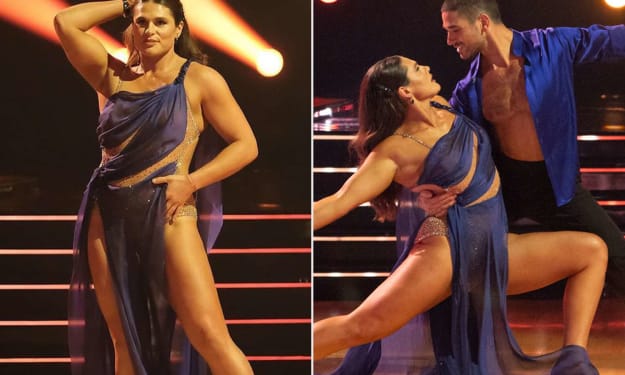
Ilona Maher’s Dance Journey: Challenging Beauty Standards and Facing Body Bias in Dancing with the Stars
In the competitive world of Dancing with the Stars, where precision and artistry dominate, few contestants stand out as much as Ilona Maher, the rugby Olympian whose unique strength and powerful athleticism bring something refreshingly different to the dance floor. Yet, as Maher takes on a series of challenging routines, the feedback she receives often seems to underscore unspoken biases about her body type and physical presence — biases deeply rooted in long-standing expectations for female dancers and performers.
By Nazgol Rasoolpourabout a year ago in Humans
Autonomy Is The Real Privilege
Good morning, freedom-seekers! Today we’re gonna be looking at autonomy. A strange word, I know; one many would probably look at blankly and run away from on sight. We’re gonna figure out what it actually means, consider how it’s achieved, and decipher just how deeply most of us are tangled up in dependence without realising it.
By That ‘Freedom’ Guyabout 8 hours ago in Humans
Valentino: The Fashion House That Built Beauty and Silence
There are fashion names that shout, and then there are names that whisper and still command the room. Valentino belongs to the second kind. For decades, the name has carried a sense of quiet confidence, deep romance, and careful restraint. It does not chase attention. It waits for the right moment. Many people know Valentino through red gowns, soft tailoring, and a feeling that lingers rather than dazzles. But behind the elegance is a story shaped by patience, discipline, and a belief in beauty that does not need to explain itself. To understand Valentino is to understand how fashion can speak softly and still be remembered.
By Muqadas khanabout 7 hours ago in Humans



Comments (2)
I wonder how many crimes could have been prevented if we just said no! or men didnt get emotional over rejection lol
Very on point and relevant! I think it is time to women to say no and for men to understand the meaning of that word!