
The Pitfalls of Adaptation: Deviating from Lore in Iconic Book Series
Interview with the Lord of the Rings

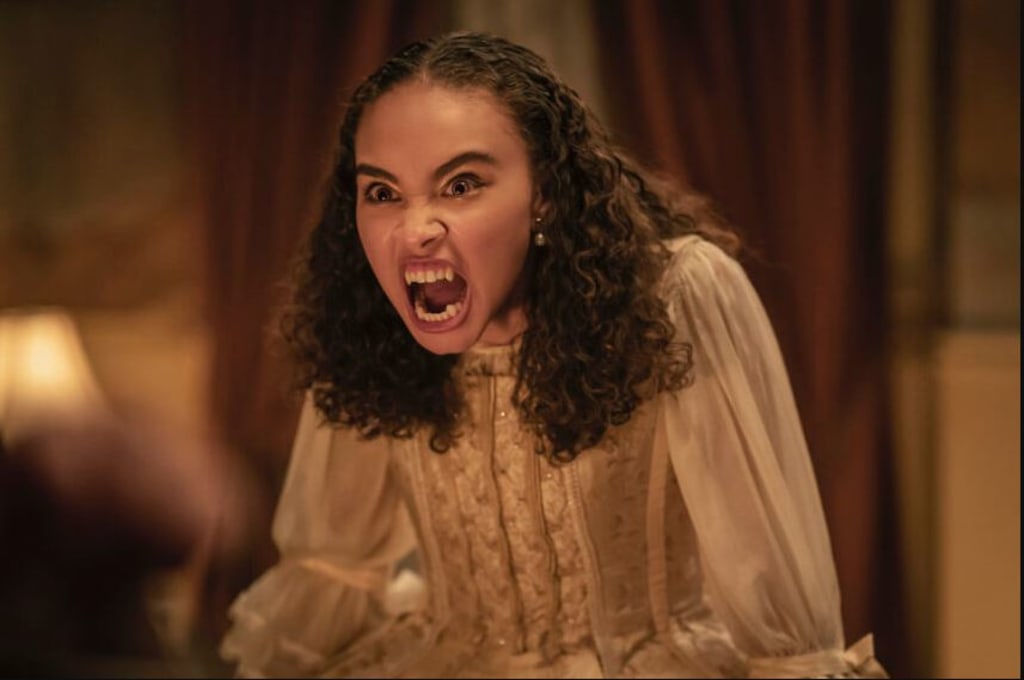
The adaptation of beloved book series into TV shows or films often sparks intense debates, especially when creators deviate from the original lore and narratives that made these works iconic in the first place. Fandoms surrounding franchises like Anne Rice's Vampire Chronicles and J.R.R. Tolkien's Lord of the Rings are deeply rooted in the nuances of the source material, and any perceived straying from these can lead to a backlash from fans.
But what causes this deviation, and why do writers feel the need to "reimagine" such well-established universes?
Staying True to the Source: The Challenges
Adapting a book into a visual medium is no easy task. With intricate world-building, long-form storytelling, and deep character development, the transition often necessitates changes. However, it’s a fine line between adapting a story for the screen and warping the core essence that made it beloved.
Take Anne Rice’s Vampire Chronicles for example. When Interview with the Vampire was adapted for TV, one of the biggest fan complaints was the treatment of Claudia, the tragic child-vampire. In Rice’s books, Claudia's complexity is tied to her eternal youth—trapped in the body of a child with the mind of a centuries-old vampire. But recent adaptations have aged her up, arguably stripping away this pivotal tension, and with it, a major aspect of her internal conflict. This creative liberty distances the character from what readers love most: her paradoxical existence.
Similarly, the Rings of Power, which is set in Tolkien’s Middle-earth, has stirred controversy for its portrayal of Galadriel. In Tolkien’s work, Galadriel is a wise, ethereal figure—one of the most powerful and knowledgeable elves in existence. Yet in The Rings of Power, she is reimagined as a younger, more impulsive warrior. This transformation has sparked debates among Tolkien purists, who argue that it alters her core character traits, potentially undermining the legacy Tolkien meticulously crafted.
Creativity vs. Authenticity: When Deviations Fail
The common justification for such changes is the need to make stories more accessible to modern audiences. Showrunners and writers often claim that some characters or themes might not resonate with today's viewers without adaptation. However, there’s a risk that in trying to make the story “modern” or “fresh,” the adaptation loses the spirit of the original work.
In the case of The Vampire Chronicles, aging up Claudia is seen as a loss of one of the most tragic aspects of her character—the horror of being an adult in a child's body forever. The adaptation’s attempt to “update” her story not only feels unnecessary to long-time fans but also takes away the existential dread that made her such a compelling character in the first place.
The same can be said for Galadriel in The Rings of Power. By transforming her into a warrior figure, the creators have shifted her motivations and personality to fit a more action-oriented narrative, one that feels disconnected from the wisdom and restraint that characterized her in Tolkien’s works. This alteration not only disrespects her established lore but also dilutes the impact of her long, storied history in Middle-earth. Such changes, while creative, can come off as disrespectful to the source material.
Character Development Issues: Forced vs. Natural Growth
The character arcs in long-established book series often follow a specific path of growth that aligns with the author’s overarching narrative. When showrunners try to create new arcs for characters without fully understanding these foundations, it can feel forced.
Claudia’s arc in Interview with the Vampire is one of tragic immobility—her inability to grow physically traps her in a psychological loop of frustration. By aging her up in the recent adaptation, the showrunners have removed this tension, fundamentally altering her tragic nature.
Similarly, Galadriel’s portrayal in The Rings of Power has raised questions about her development. Tolkien presents her as a figure who has already matured through millennia of life experience. In the show, however, she appears far more reckless and emotionally driven, an attempt to create a new arc that feels incompatible with her established character growth. This clash between the lore and the newly written storyline highlights the difficulty in adapting well-established characters for a new medium without distorting their essence.
The Fanbase’s Voice: A Double-Edged Sword
One of the greatest challenges in adapting stories with strong fanbases is the balancing act between maintaining authenticity and exploring creative freedom. Fans of The Vampire Chronicles and The Lord of the Rings have invested deeply in these worlds, and any deviation from the established lore is bound to be scrutinized. Creators must walk a fine line between artistic liberty and respect for the source material.
Many creators argue that deviation is necessary to keep stories fresh and relevant for modern audiences, but fans often see these changes as erasing the very qualities that made the stories iconic in the first place. This results in a tension between creativity and authenticity that is hard to reconcile.
Ultimately, the question becomes: Are these changes serving the story, or are they diluting the core of what made these tales endure across generations?
Conclusion
Adapting beloved books like The Vampire Chronicles and The Lord of the Rings into films or TV shows presents a unique challenge. When writers deviate too far from the original lore or attempt to reshape characters to fit modern storytelling trends, they risk alienating the very fanbase that made these stories popular in the first place. As seen in the portrayals of Claudia and Galadriel, creative liberties that fundamentally alter characters often feel unauthentic and detract from the depth of the original works.
While creative freedom is important, maintaining the authenticity of these iconic stories is crucial to preserving their magic. After all, the timeless appeal of these works lies in the intricate lore and complex characters that have captivated readers for decades.
About the Creator
Nazgol Rasoolpour
An emerging researcher with a passion for horror narrative. My focus revolves around the captivating subgenres of religious horror and techno horror.
Keep reading
More stories from Nazgol Rasoolpour and writers in Geeks and other communities.
The Boy Who Couldn’t Move On: Tom Felton’s Return to The Cursed Child
In 2025, Tom Felton’s name once again made headlines—not for a groundbreaking new role, but for returning to a very old one. The announcement of Felton reprising his role as Draco Malfoy in a new stage production of Harry Potter and the Cursed Child was met with a mixture of nostalgia and critical skepticism. His reentry into the Wizarding World highlights a deeper cultural phenomenon: the jobless celebrity archetype—actors forever bound to a singular, iconic role and unable to evolve beyond it.
By Nazgol Rasoolpour7 months ago in Geeks
Marvel Zombie
The last entry into our 2025 superhero projects catalogue is Marvel Zombies. This was a show that was anticipated by absolutely no one and it disappeared from the public consciousness as quickly as it was released. There was nothing special about the project that made it a must see, or a must remember. In fact if anything it's a must forget.
By Alexandrea Callaghan25 days ago in Geeks
In the Blink of an Eye: A Forgotten Thriller That Explores How Fast Life Can Shatter
Some movies don’t rely on spectacle or big budgets to leave an impression. Instead, they unsettle you quietly, planting a sense of unease that lingers long after the credits roll. In the Blink of an Eye (1996) is one such film—a made-for-television thriller that may not be widely remembered today, but one that delivers a chilling message about how quickly trust, identity, and safety can disappear.
By David Cook6 days ago in Geeks
Smart phones, Humans and Aliens.
WARNING. I will be tapping into one of your favorite creative tensions: The absurdity of humans worshipping their glowing rectangles as if they were tiny oracles. There’s something deliciously poetic about that contradiction, and it lends itself beautifully to an instructive proviso.
By Novel Allen4 days ago in Poets


Comments (2)
Good points were made!
This was a fun read! Many of our beloved books are turning into unwatchable series, and I think you pointed out the reason in this article.