
Cynthia Erivo & The Wicked Poster Drama
The real reason behind the outburst!

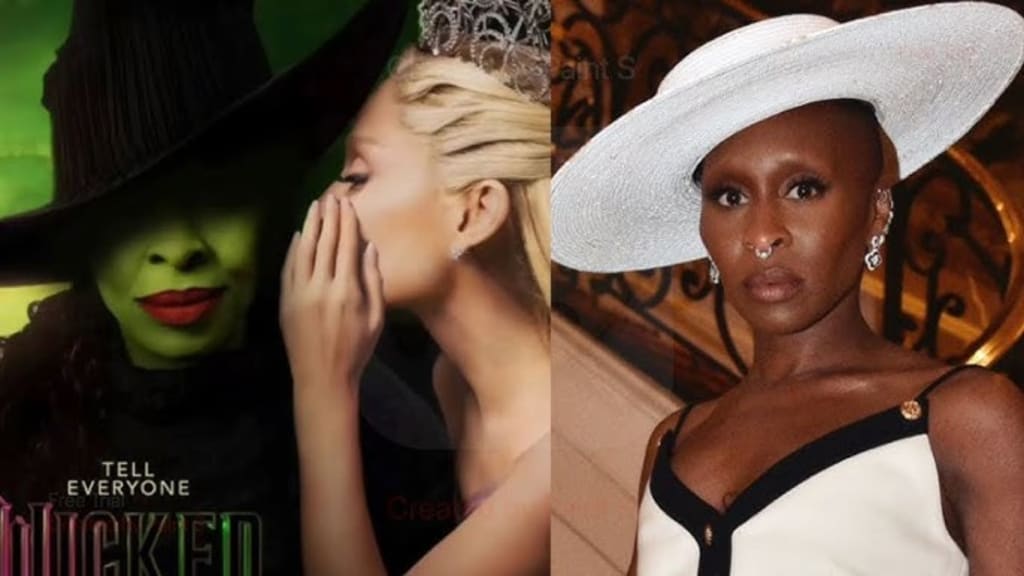
Cynthia Erivo’s recent uproar over the fan-altered *Wicked* movie poster has reignited discussions about the role of image in Hollywood and the complex relationship between celebrities and their audiences. At the heart of this controversy lies an intriguing history: *Wicked*’s original Broadway poster from 2003 cleverly avoided showcasing any specific actor’s face. The design, an illustration of the witch Elphaba with her iconic green skin and Glinda whispering into her ear, has since become iconic. By excluding any actor’s likeness, the artwork transcended individual performances and became a timeless representation of the story, a tactic that allowed the production to avoid the pitfalls of recasting actresses in long-running shows. The faceless design also helped preserve the mystique of the story rather than centering on any one performer.
In contrast, Hollywood, which is heavily dependent on actors’ faces as selling points, took a different approach in marketing the *Wicked* movie. The official poster featured Erivo as Elphaba, engaging the audience with a direct gaze—a powerful form of connection that highlighted the visual presence of the actor as a key marketing tool. Erivo, in her response to the fan-altered poster, emphasized that her direct eye contact with the camera was a deliberate artistic choice, meant to convey more than just her appearance. It was intended to establish a wordless connection with the audience, symbolizing more than just her portrayal of Elphaba but also her identity as a performer. This makes the fan edits that obscured her eyes particularly offensive to her, as they undermined the very intent behind the image, reducing her role to something more superficial.
This sharp contrast between Broadway’s symbolic design and Hollywood’s face-driven marketing reveals the entertainment industry's evolution over time. On one hand, Broadway’s faceless poster is a clever, practical solution that has stood the test of time, allowing the production to focus on the narrative rather than the actors playing the roles. On the other hand, Hollywood’s star system, where the visual presence of actors often overshadows the story itself, underscores just how image-centric the film industry has become. Hollywood relies heavily on celebrity culture, often positioning its stars as the central feature of its marketing campaigns. For the *Wicked* movie, Erivo’s face—especially her eyes—was central to the promotional strategy.
Erivo’s reaction, while personal, reflects a broader tension between performers and the entertainment industry. Celebrities often want to be recognized for more than their physical appearance, but the film industry continues to prioritize faces as selling points. This marketing approach, which focuses so heavily on visual appeal, can diminish the artistic depth and intent behind a performance. In this case, fans, though likely well-meaning, inadvertently struck a nerve by invoking a marketing tactic that worked for the stage but fell flat in Hollywood’s image-driven context. It highlights a clash of two traditions: one that hides the face to focus on the story, and one that sells the story through the faces of its stars.
The controversy also opens a larger conversation about how celebrities’ reactions to fan behavior can impact the marketing of their new projects. In Erivo’s case, her vocal disapproval of the altered poster could have unintended consequences for the *Wicked* film’s promotional campaign. Fans, especially in the age of social media, have significant power to shape public perception of a film or series. Negative interactions between a celebrity and their fanbase can generate backlash, and in some cases, overshadow the promotional efforts behind a project. If fans feel alienated or attacked by a star, it could affect their enthusiasm for the project, which, in turn, could hurt box office or streaming numbers.
However, despite the potential for harm, companies behind these productions are often slow to intervene or do damage control when such tensions arise. Media trainers and public relations teams are typically focused on maintaining the star’s overall image rather than addressing each individual conflict with fans. This approach stems from the belief that controversy, even when negative, can still generate attention and conversation around a project. In today’s media landscape, where visibility is often equated with success, public conflicts can serve as free publicity. The production teams may believe that any press is good press, and rather than stepping in to mitigate the damage, they might allow the situation to play out, hoping it will lead to increased interest in the film.
Moreover, celebrities are often expected to navigate these fan interactions on their own. While media trainers might offer guidance on how to handle public appearances or interviews, they may not always be prepared for the unpredictability of fan behavior in the digital age. Social media has intensified the level of interaction between celebrities and their audiences, and managing this dynamic can be difficult, especially when fans feel a sense of ownership or entitlement over the content they consume. In the case of Erivo and *Wicked*, the altered poster became a flashpoint for a broader debate about artistic intent, fan creativity, and the role of image in marketing.
In the end, while Cynthia Erivo’s reaction to the fan-altered *Wicked* poster has sparked controversy, it also underscores the broader tension between celebrity image, fan interaction, and marketing strategies in Hollywood. Celebrities' reactions to fans can hurt the marketing of new projects, but production companies are often slow to intervene, choosing instead to ride the wave of controversy, believing that it might ultimately serve their promotional goals. This situation highlights the complex interplay between performers, audiences, and the entertainment industry in a time when image is everything.
About the Creator
Nazgol Rasoolpour
An emerging researcher with a passion for horror narrative. My focus revolves around the captivating subgenres of religious horror and techno horror.
Reader insights
Outstanding
Excellent work. Looking forward to reading more!
Top insights
Compelling and original writing
Creative use of language & vocab
Easy to read and follow
Well-structured & engaging content
Excellent storytelling
Original narrative & well developed characters
Expert insights and opinions
Arguments were carefully researched and presented
Eye opening
Niche topic & fresh perspectives
Heartfelt and relatable
The story invoked strong personal emotions
Masterful proofreading
Zero grammar & spelling mistakes
On-point and relevant
Writing reflected the title & theme
Keep reading
More stories from Nazgol Rasoolpour and writers in Geeks and other communities.
"Reclaiming the Rite: Female Empowerment in Modern Religious Horror"
In recent years, religious horror cinema has seen a powerful shift, placing women at the forefront of battles traditionally waged by priests and religious figures. This shift challenges the conventions of Christian-centered exorcism narratives, transforming the genre into a space where female empowerment takes center stage. Instead of relying solely on the authority of the church, these films delve into deeper personal struggles, family trauma, and internal battles, with women often leading the charge.
By Nazgol Rasoolpourabout a year ago in Geeks
Book Review: "Human Monsters: A Horror Anthology" by Various Authors
Yes, it's horror again. I'm feeling kind of down and whenever I'm down I read horror because it makes me feel better. Have you heard about that study that states people who are in depression should watch and read horror in order to make themselves feel better? Yeah, I checked it out some time ago - you should too. Human Monsters is exactly what you think it is, it is about monsters who are human - those who lurk in the normal world, not in the shadows, not in the darkness - they stand right in front of us. They are us. Let's go through my favourite stories in the anthology...
By Annie Kapur28 days ago in Geeks


Comments (1)
That's a good point! I was wondering why she found the poster so offensive!