
How Does Managing Stress Improve Mental Health?
Mental Health
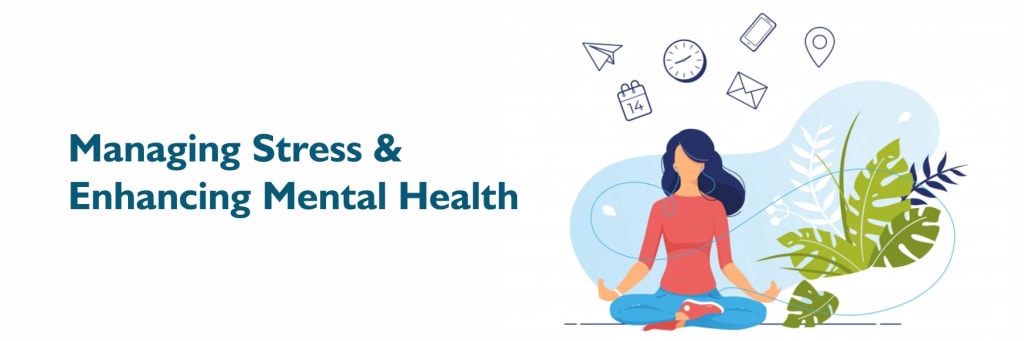
Introduction
Stress is an unavoidable part of modern life. From work deadlines and money matters to family or friends and medical issues, nearly everyone experiences stress at some point. While minor stress may be energizing at times, frequent or inescapable stress has serious unwanted effects on mental health. Chronic stress can create problems such as anxiety, depression, insomnia, and burnout. Learning to manage stress effectively is therefore critical—not only for overall health but for avoiding and mitigating mental health problems as well.
Learning About Stress and Its Impact on Mental Health
Stress occurs when a situation's demands exceed an individual's perceived ability to cope. The body has a "fight or flight" response, where it releases stress hormones like cortisol and adrenaline. While useful in crisis situations, ongoing activation leads to mental and physical fatigue.
Some mental health consequences of prolonged stress include:
Anxiety Disorders: Stress exaggerates worrying, restlessness, and persistent dread.
Depression: Stress depletes energy and motivation and results in low mood and despair.
Sleep Disturbance: Stress disrupts sleep rhythms, resulting in insomnia or disturbed sleep.
Addiction: Alcohol or drugs become a coping mechanism for most people.
Cognitive Function Impairment: Stress affects memory, concentration, and decision-making abilities.
Knowledge of this relationship explains why stress management is such a crucial part of mental health treatment.
Benefits of Stress Management for Mental Health
Reduces Anxiety and Depression Symptoms
Effective stress management calms the nervous system, reducing constant worry and fear. It also prevents stress from escalating into severe depressive attacks.
Promotes Emotional Regulation
When under stress, individuals can respond with greater calm to challenges rather than react automatically or aggressively.
Improves Sleep Quality
Techniques like relaxation exercises and mindfulness lower stress hormones, allowing the mind and body to relax.
Boosts Resilience
Stress management builds coping skills that make individuals stronger when faced with life's challenges.
Creates Healthy Coping Skills
Instead of turning to unhealthy coping skills (like alcohol and drugs), stress management skills create healthy ones.
Ensures Physical Health
Since mind and body are so interconnected, stress reduction also reduces risk for high blood pressure, heart disease, and impaired immunity—all of which can worsen mental illness.
Effective Stress Management Strategies
1. Mindfulness and Meditation
Mindfulness encourages being present without judgment. Daily meditation calms racing thoughts, reduces cortisol levels, and enhances emotional regulation.
Practice: As minimal as 10 minutes a day of mindful breathing or guided meditation can improve mood and concentration.
2. Physical Activity
Physical activity is the best stress-reducer. It increases endorphins (pleasure chemicals) and provides a healthy means of releasing tension.
Examples: Walking, yoga, swimming, or dancing.
Tip: Consistency is greater than intensity.
3. Healthy Lifestyle Habits
Healthy eating, with a balanced, nutrient-dense diet, supports brain function.
Limiting caffeine and alcohol consumption prevents mood swings.
Sleeping well strengthens resistance to stress.
4. Deep Breathing and Relaxation
Techniques like diaphragmatic breathing, progressive muscle relaxation, or guided imagery exercises trigger the body's relaxation response, which undoes the effects of stress.
5. Time Management and Organization
B. Planning
Poor planning creates stress. Schedules, task prioritization, and goal-setting can minimize overwhelm.
6. Social Support
Discussing troubles with trusted loved ones or friends brings relief and perspective. Social relationships serve as buffers against stress.
7. Therapy and Counseling
Licensed mental health professionals instruct effective stress management techniques. Cognitive Behavioral Therapy (CBT), for instance, can enable individuals to reframe negative patterns of thought and establish healthier coping skills.
8. Pursuing Hobbies and Enjoyable Activities
Engaging in activities like art, music, gardening, or reading provides healthy distractions and emotional lift.
9. Setting Boundaries
Telling people "no" when it is inappropriate prevents emotional overload. Boundaries are mind health watchdogs because they conserve energy.
10. Journaling and Self-Analyzing
Placing words on paper with ideas and feelings enables individuals to deal with experience, find sources of stress, and come to understand.
The Professional's Role
Stress can become overwhelming even with the best efforts. Professional assistance is necessary when:
Stress impacts regular functioning.
Signs of anxiety or depression persist.
Use of substances as an adaptation.
Sleep and appetite are significantly changed.
Psychologists, psychiatrists, or counselors can be assisted in such cases through customized steps and therapy. Medication is also recommended in mental illnesses caused by stress.
Case Example
Rohan, who was 32 years old and an IT expert, was excessively stressed due to extended working hours and financial issues. He got panic attacks and could not sleep. He began coping with alcohol drinking at first, but his situation became even worse.
With the recommendation of experts, he implemented the following healthier ways to manage stress:
Mindfulness meditation on a daily basis.
Exercise three times a week.
Creating a routine work schedule.
Attending therapy to learn cognitive techniques for reshaping fearful thoughts.
In a matter of a few months, Rohan had fewer panic attacks, better sleep, and more emotional stability. His case demonstrates that stress management is capable of a life-altering impact on mental health.
How Stress Management Promotes Long-Term Emotional Health
Besides reducing short-term symptoms, stress management provides individuals with lifelong coping skills. These skills:
Develop emotional strength.
Facilitate healthier decisions in life.
Improve relationships by reducing irritability and conflict.
Boost productivity and creativity by improving focus.
Hence, stress control is not a short-term solution but an investment in psychological well-being over the long term.
Conclusion
Stress is an inevitable part of life, but it need not get the better of us. Learning and practicing stress management techniques can help individuals tremendously reduce their chances of suffering from mental health illnesses, improve their quality of life, and develop resilience for the long term.
It should be remembered that managing stress is a process, not an effort. Self-knowledge, consistency, and, where necessary, professional help are the key to remaining balanced. It is not a question of eliminating all the stress but learning the ways to manage in healthy, constructive ways.
If you are facing problems with chronic stress and how it impacts mental well-being, professional help is available at:
About the Creator
Keep reading
More stories from Naveen Garg and writers in Education and other communities.
What is the Role of Family Support in Mental Health Recovery?
Mental health recovery is rarely a lone journey. Although medication, therapy, and lifestyle change are required components, the role of family support is often equally so. Families can provide strength, stability, and encouragement during times of hardship. On the other hand, a lack of knowledge or dysfunctional family structures may sometimes get in the way of recovery. Understanding the way that family support can affect mental health can help the patient and their family make it through this experience with compassion and effectiveness.
By Naveen Garg5 months ago in Education
Top 10 Essential Skills for Success in 2026
By 2026, the job market is no longer driven only by degrees or titles. Technology, especially Artificial Intelligence (AI), automation, and remote work, has changed how companies operate and how people work. Many routine tasks are now handled by machines, while humans are expected to do work that requires thinking, judgment, creativity, and emotional understanding. This shift means that skills — not just education — determine success. The following 10 skills are considered essential for 2026 because they combine technology awareness with human intelligence. Let’s understand them one by one, step by step.
By Talha khan6 days ago in Education


Comments
There are no comments for this story
Be the first to respond and start the conversation.