
Introduction
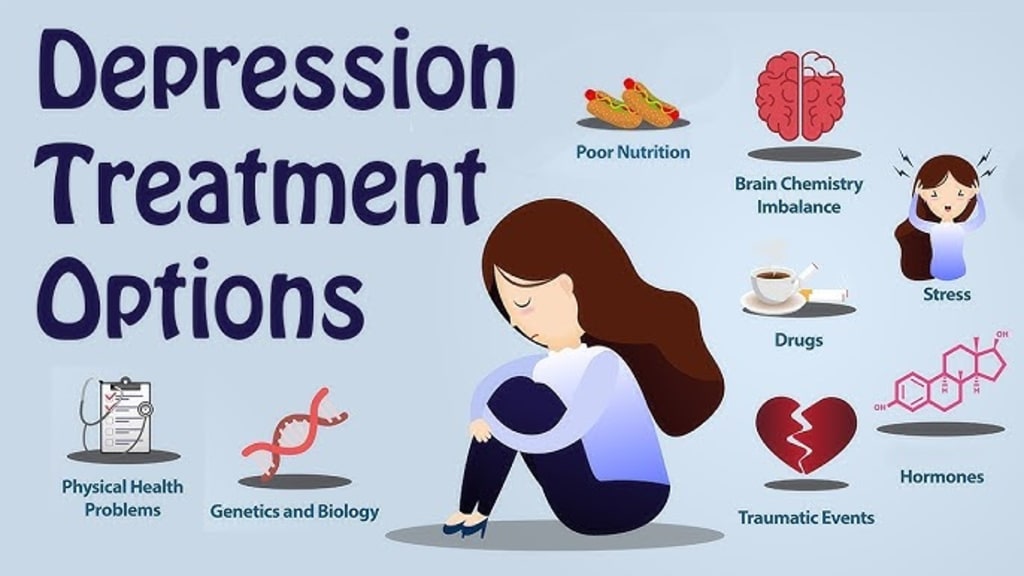
Stress is unavoidable. From job deadlines and financial worries to relationship issues and health concerns, stress affects everybody in some way or another. In moderation, even stress can be beneficial—it motivates us, clears our heads, and challenges us to respond. But when stress becomes chronic, overwhelming, or unrelenting, its effect on mental health can be devastating.
Knowing how stress affects our emotional, mental, and physical health is crucial to living in balance and being resilient. If we learn the relationship between mental health and stress, we can build healthier adaptations and avoid causing damage in the long run.
What Is Stress?
Stress is the bodily response to actual or perceived threats or pressures. When we sense threat or pressure, the brain activates the "fight-or-flight" response. This activates the release of stress hormones such as cortisol and adrenaline that increase levels of awareness, heartbeat, and energy.
Briefly, the response is adaptive and beneficial. For example, stress can help us react quickly to avoid accidents or perform better in competitive situations. However, when stress does not return to normal and becomes chronic, the same physiological responses become detrimental to mental and physical health.
Types of Stress
Acute Stress
Short-duration and usually caused by specific situations (e.g., job interviews, exams, or arguments).
The body rebounds almost immediately when the source of stress ceases.
Episodic Acute Stress
Frequent or repeated experiences of acute stress.
Common in individuals who over-extend themselves or over-worry themselves.
Chronic Stress
Protracted periods of stress enduring weeks, months, or years.
Generally related to ongoing issues such as poverty, chaotic workplaces, or chaotic relationships.
Most damaging kind of stress to mental health.
How Stress Affects Mental Health
1. Emotional Effect
Anxiety: Excessive and prolonged stress can lead to hyperarousal, with the body remaining in this state with constant worry and fear.
Depression: Prolonged stress leads to drained energy, loss of motivation, and hopelessness.
Irritability and Anger: Control of emotions is difficult because of stress, with frustration or conflict as the typical outcome.
2. Cognitive Impact
Poor Concentration: Elevation of stress hormones interferes with memory and concentration.
Decision-Making Difficulties: Stress leads to impulsive choices or avoidance of tasks.
Negative Thinking: Recurring stress leads to pessimism and self-blaming.
3. Behavioral Impact
Unhealthy Coping: Increase in alcohol, drug use, or overeating.
Sleep Disturbances: Insomnia or restless sleep are experienced by stressed individuals.
Social Withdrawal: Interest in social relations and recreations could be decreased by stress.
4. Physical Effect on Mental Health
Hormones of stress affect brain chemistry, or neurotransmitters like serotonin and dopamine.
Long-term stress has the potential to decrease the hippocampus (memory) and over-activate the amygdala (fear and anxiety-related).
These brain changes increase the risk for mood disorders, anxiety disorders, and even post-traumatic stress disorder (PTSD).
Stress-Related Mental Illness Disorders
Generalized Anxiety Disorder (GAD): Chronic worry and anxiety are often the end result of long-term stress.
Major Depressive Disorder: Long-term stress is a well-known risk factor for depression.
Burnout: Long-term work stress causes fatigue, cynicism, and reduced performance.
PTSD: Severe stress after trauma can lead to prolonged psychological distress.
Substance Use Disorders: Stress increases vulnerability to addictive behaviors.
Stress Throughout Life Stages
Children and Teenagers: Peer, home, and school pressures, bullying, and family fighting can build up stress, impacting emotional development.
Adults: Money, work, and relationships are huge stressors that impact mental health and productivity.
Older Adults: Feeling isolated, medical problems, and losing independence can complicate controlling stress later in life.
Barriers to Managing Stress
Stigma: Stress is seen as a weakness rather than an illness by many people.
Denial: Stress is continually minimized as "normal" and not addressed until symptoms are more severe.
Lack of Coping Skills: Without healthier alternatives, individuals resort to unhealthy coping behaviors.
Healthy Means of Dealing with Stress
Lifestyle Habits
Regular exercise to discharge endorphins.
Balanced diet to level out mood and energy.
Adequate sleep for mental renewal.
Relaxation Methods
Deep breathing and meditation to soothe the nervous system.
Yoga or mindfulness practices to build resilience.
Time Management
Prioritizing and setting realistic expectations to minimize overwhelm.
Social Support
Sharing feelings with support family members or friends.
Attendance with a group to feel less isolated.
Professional Help
Counseling or therapy for learning to deal.
Psychiatric referral in case of anxiety or depression caused by stress.
Case Example
Ravi, a 32-year-old information technology professional, had to work long hours, deal with constant deadlines, and produce under pressure. Originally, he shrugged off his tension as "just part of the job." Over time, however, he grew short-tempered, slept poorly, and became isolated from society. Ravi eventually saw a therapist, who guided him through stress-reduction techniques such as mindfulness and setting boundaries on the job. Within several months, his symptoms abated, and he regained equilibrium in his life.
This case illustrates how unresolved stress spirals out of control into bad mental health, but early intervention can turn the process around.
Long-Term Benefits from Stress Management
Improved Emotional Balance: Greater resistance to depression and anxiety.
Improved Cognitive Functioning: Greater concentration and memory.
Healthier Relationships: Less conflict and improved communication.
Physical Benefits: Lower risk of heart disease, diabetes, and hypertension.
Improved Quality of Life: Greater fulfillment and satisfaction in work and personal life.
Last Thoughts
Stress is not avoidable, yet the effects it has on mental health are. The answer lies in being aware of when stress is harmful and doing something proactive to manage it. With effective coping strategies, support, and addressing stress early, people can protect their mental health and thrive despite life.
Remind: Stress is a message, not weakness. Listening to it and responding sensibly will prevent significant mental health problems.
For career counseling and mental health treatment services, please visit:
About the Creator
Keep reading
More stories from Naveen Garg and writers in Education and other communities.
What are the Early Warning Signs of Mental Health Problems?
Introduction Mental health issues are not likely to just appear overnight. There are usually early warning signs that indicate someone is struggling. These signs often reveal themselves quietly at first—such as changes in mood, behavior, or sleep—but they soon become more noticeable and interfere with daily life. The identification of these signs in the early stages is crucial as early intervention and care can ease the issue from getting out of hand, reduce distress, and improve the recovery process. Most people overlook or misinterpret these signs until the issue becomes unmanageable. In awareness, communities, families, and individuals can take proactive measures in safeguarding mental health.
By Naveen Garg5 months ago in Education



Comments
There are no comments for this story
Be the first to respond and start the conversation.