
How Does Stress Influence Mental Health, and What Are the More Effective Coping Mechanisms?
Introduction

Stress is part of life. Whether it is a product of work pressures, money problems, academic challenges, or relationship difficulties, stress is an experience that everyone encounters at one time or another. While short-term stress might at times act as a stimulus, long-term stress can exact a heavy cost on mental and physical health. In fact, chronic stress is one of the leading causes of anxiety, depression, burnout, and other mental illness.
Understanding how stress impacts mental health—and learning effective coping mechanisms—can allow individuals to become stronger and maintain emotional health.
What is Stress?
Stress is the body's automatic response to danger or challenges, also referred to as the "fight-or-flight" response. When stressed, the body releases hormones like cortisol and adrenaline, which increase alertness, speed up heart rate, and prepare muscles for action.
While this response is helpful in the short term (for example, escaping danger or meeting a deadline), overstimulation of the stress system can confuse body and mind and have harmful consequences.
The Relationship Between Stress and Mental Health
1. Stress and Anxiety
Chronic stress can overactivate the nervous system, making individuals constantly "on edge."
It typically leads to generalized anxiety disorder, panic attacks, or phobias.
2. Stress and Depression
Chronic stress can alter brain chemistry by reducing serotonin and dopamine levels—chemicals related to happiness and motivation.
It also fosters negative thinking, despair, and emotional exhaustion.
3. Stress and Burnout
Too much stress without enough rest can cause burnout, a state of emotional, mental, and physical exhaustion.
Symptoms are detachment, reduced productivity, and loss of enthusiasm.
4. Stress and Physical Health
Chronic stress is linked to headaches, sleep issues, compromised immunity, digestive issues, and even heart disease.
Poor health also worsens mental health, creating a vicious cycle.
5. Stress and Cognitive Function
Stress impacts concentration, decision-making, and memory.
Students and working professionals typically suffer from reduced performance during stressful times.
Symptoms of Chronic Stress
It is essential to know signs of stress as the initial step to managing it. Symptoms include:
Persistent worry or racing thoughts
Irritability or outbursts of anger
Fatigue and lack of motivation
Difficulty sleeping or sleeping too much
Recurring headaches or body pains
Overeating, loss of appetite, or desires for unhealthy foods
Withdrawing from activities and friends
Successful Stress Coping Mechanisms
Fortunately enough, there exist some evidence-based stress coping mechanisms to ensure mental wellness.
1. Mindfulness and Meditation
Mindfulness is being in the present moment without judgment.
Meditation practices like deep breathing, progressive muscle relaxation, or guided imagery soothe the nervous system.
Studies show that mindfulness reduces worry and improves resilience in general.
2. Exercise
Physical activity lowers stress hormones and increases endorphins—the body's natural mood enhancers.
Walking, yoga, cycling, or dancing can improve mood and energy.
Even 30 minutes of activity a day can reduce stress.
3. Healthy Lifestyle Habits
Appropriate sleep (7–8 hours) is fundamental for mental stability.
Appropriate nutrition stabilizes blood sugar and energy.
Avoidance of caffeine, alcohol, and nicotine prevents stress aggravation.
4. Time Management
Overcommitment typically leads to stress.
Prioritization of tasks, breaking down large tasks into smaller ones, and delegating responsibilities reduces overload.
5. Relaxation Techniques
Deep breathing, aromatherapy, or listening to calming music soothe the mind.
Journaling or creative activities as emotional outlets unwind.
6. Social Support
Discussion of challenges with friends, family, or support groups reduces the sense of isolation.
Healthy relationships buffer the individual from the effect of stress.
7. Professional Therapy
Cognitive Behavior Therapy (CBT) allows one to challenge stressful thought patterns.
Stress-management therapy teaches relaxation skills and coping mechanisms.
Therapy provides a structured setting to work through feelings and develop resilience.
8. Building Emotional Resilience
Exercising optimism and self-compassion makes it easier to bounce back from adversity.
Accepting that not everything is within one's control removes unnecessary worry.
Case Example
Meera, a 35-year-old teacher, began experiencing constant headaches, moodiness, and sleepless nights due to workload stress. She felt exhausted, and her relationships began to suffer. Meera began doing mindfulness meditation, setting boundaries at work, and exercising regularly after seeing a therapist. Her sleep gradually improved, headaches reduced, and she felt more control over her emotions.
This example illustrates how the management of stress involves both lifestyle change and therapeutic intervention.
Long-Term Benefits of Stress Management
Emotional stability
Concentration and productivity
Relationships and communication skills
Anxiety, depression, and burnout risk reduced
Physical health and immunity boosted
Life satisfaction increased
When to Get Help
While routine stress can be dealt with using self-help measures, professional intervention might be needed when stress becomes excessive. Get help if you have:
Ongoing worry or panic attacks
Trouble working at a job, school, or home
Physical symptoms like chest pain, headaches, or stomach issues
Using alcohol, drugs, or overeating to cope with it
Suicidal thoughts or feelings of hopelessness
Therapists, psychiatrists, and counselors can provide structured support to reduce stress and improve mental well-being.
Final Thoughts
Stress is a normal response to life's challenges, but chronic, unmanaged stress can take a serious toll on mental and physical health. The good news is that stress can be effectively managed through a synthesis of coping strategies involving mindfulness, exercise, good habits, time management, social support, and counseling.
It is not so much about eradicating stress altogether as it is about building resilience and more adaptive responses. By being proactive, one can prevent stress from snowballing into anxiety, depression, or burnout and instead create a balanced, satisfying life.
To seek professional help and therapy for dealing with stress and its consequences, log on to:
About the Creator
Keep reading
More stories from Naveen Garg and writers in Education and other communities.
What Is the Role of Therapy in Depression Treatment?
Introduction Depression is one of the most common and misunderstood mental disorders worldwide. It is more than sadness or temporary low mood. In individuals who experience depression, it can influence energy, motivation, sleep, appetite, relationships, and overall quality of life. The good news is that depression is treatable, and therapy is one of the most helpful aspects in recovery.
By Naveen Garg5 months ago in Education
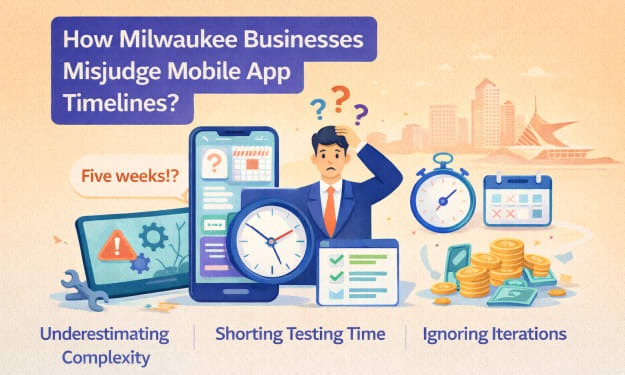
How Milwaukee Businesses Misjudge Mobile App Timelines?
Timeline optimism is one of the most expensive habits in software. In Milwaukee, it shows up quietly. A launch date is set to align with a trade show. A quarter-end deadline is chosen to please leadership. A six-month roadmap is approved because “the features aren’t that complex.” On paper, everything looks reasonable.
By Mary L. Rodriquez8 days ago in Education
The Lean Advantage: How Small Improvements Create Massive Business Wins
In today’s fast-moving market, businesses don’t always need massive overhauls to see major growth. The real competitive advantage often comes from Lean process improvement—small, consistent changes that reduce waste, improve speed, and strengthen customer value. With a proactive approach, companies can spot inefficiencies early, prevent recurring problems, and build smarter systems before minor issues become costly setbacks.
By Duke Valentourabout 13 hours ago in Education



Comments
There are no comments for this story
Be the first to respond and start the conversation.